







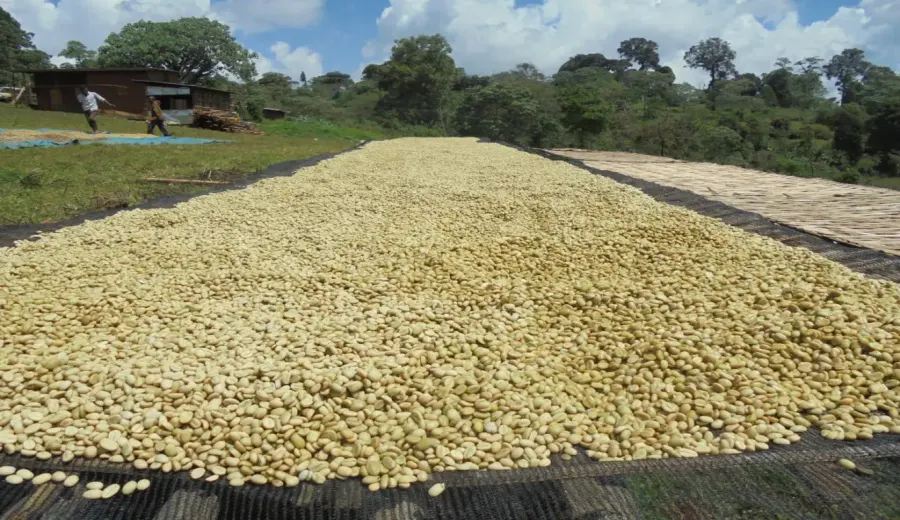
Introduction:The Yirgacheffe Guattinga washed coffee beans are renowned for their bright citrus acidity and jasmine floral aroma, making them a classic choice for beginners learning pour over. This article delves into the origin background, processing methods, and flavor profile of these beans, while also providing three-stage pouring parameters for the V60 dripper, grind size recommendations, and timing tips to help newcomers consistently extract a clean and refreshing cup with distinct layers.
The Yirgacheffe region in Ethiopia has long been a sacred ground for specialty coffee enthusiasts. Within its southeastern area lies the Wolkite zone, home to a village hailed as “the last pure land” — Guattinga. This coffee cooperative is made up of around 300 smallholder farmers who employ mature and traditional cultivation and processing techniques. The washed Yirgacheffe they produce not only retains the distinctive floral and fruity notes of the region but also showcases exceptional purity and balance.
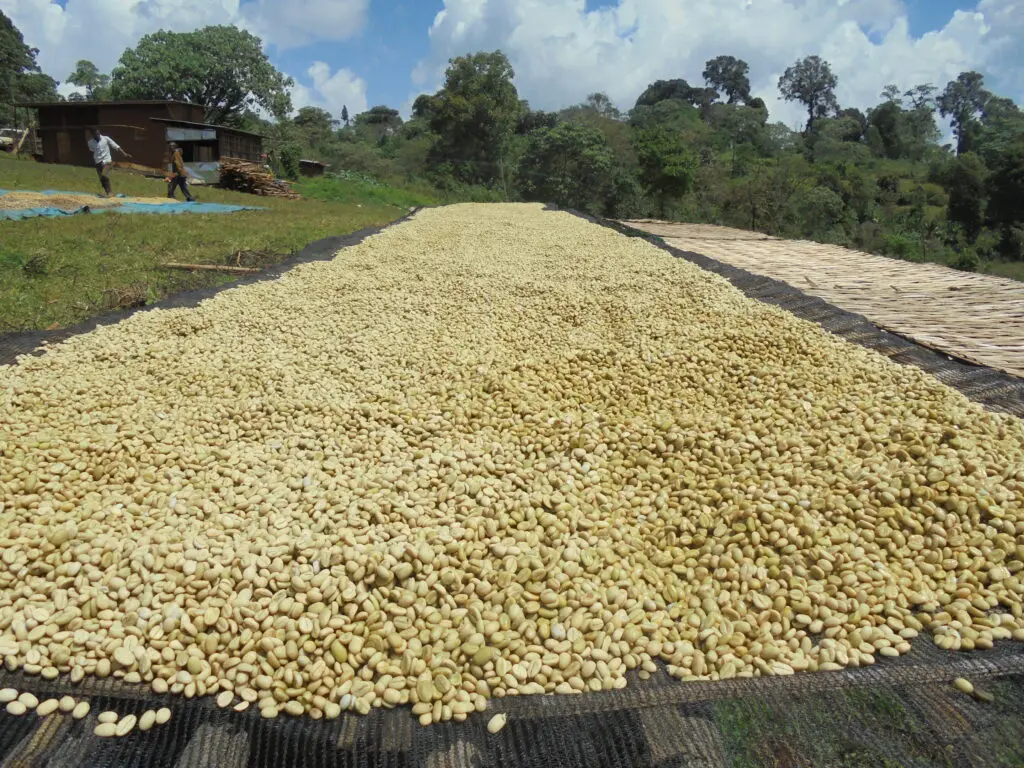
The coffee beans from the Guattinga cooperative belong to Ethiopian heirloom varieties. With a common light to medium roast, their fruit-forward characteristics — such as the bright acidity of lemon, passionfruit, and berries — are highlighted, along with subtle jasmine floral notes and a tea-like aftertaste. These flavor traits make it one of the first beans many pour over beginners try when getting to know Yirgacheffe.
To fully bring out the potential of the Guattinga washed beans, it is recommended to use a V60 dripper with water heated to 92°C to 93°C, employing a 1:15 to 1:16 coffee-to-water ratio in a three-stage pouring method. This approach not only ensures a stable extraction of sweet and acidic balance but also avoids over-extraction that could lead to bitterness or off-flavors.
The Yirgacheffe region, especially Wolkite and surrounding villages, is located on a plateau at an altitude of nearly 2,000 meters, with some areas reaching up to 2,100 meters. The high-altitude environment slows down the ripening process of the coffee cherries, helping to develop denser and fuller bean structures as well as more intricate and refined flavor profiles. Coupled with the numerous local lakes, the moist and oxygen-rich air contributes to the unique bright citrus acidity and delicate floral notes characteristic of Yirgacheffe.
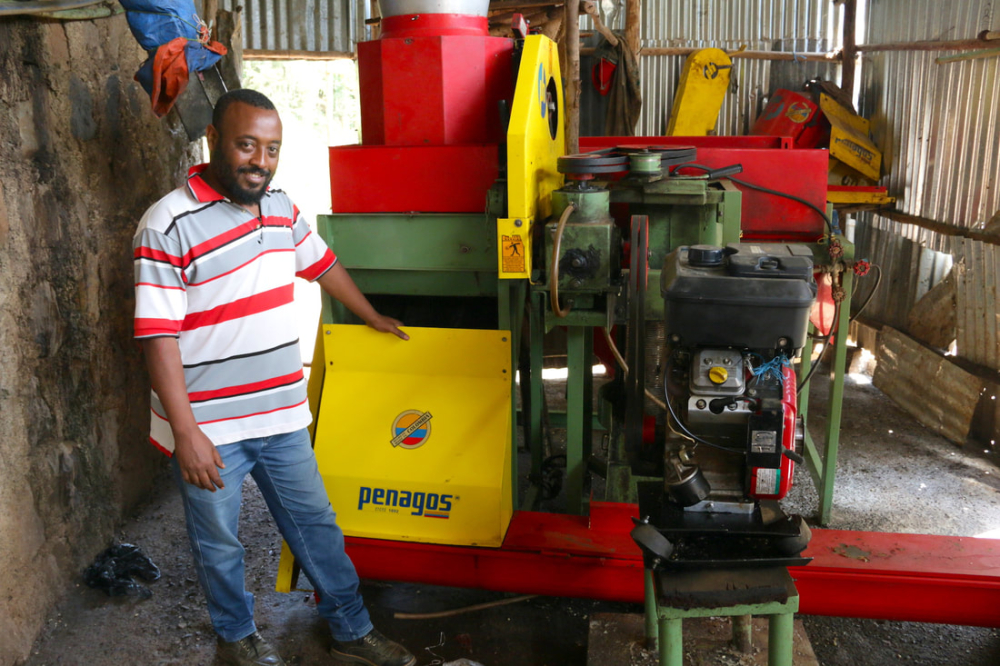
Unlike many large estates that practice centralized processing, most coffee in Yirgacheffe comes from small-scale farmers who deliver their harvested cherries to cooperatives for unified processing. It is against this backdrop that the Guattinga cooperative was established in 2012 as a separate entity from the original Wolkite cooperative, preserving traditional and rigorous green bean processing procedures, including both washed and natural methods. Among these, the washed process is key to achieving the bright acidity and high purity that define Guattinga coffee.
The traditional washed processing method, through steps such as pulping, fermentation, washing, and drying, effectively removes mucilage and impurities, significantly reducing the occurrence of defective flavors. Compared to the natural process, which may impart intense sweetness and wine-like notes, washed beans tend to be cleaner and brighter — especially appealing to those who enjoy vibrant, layered acidity.
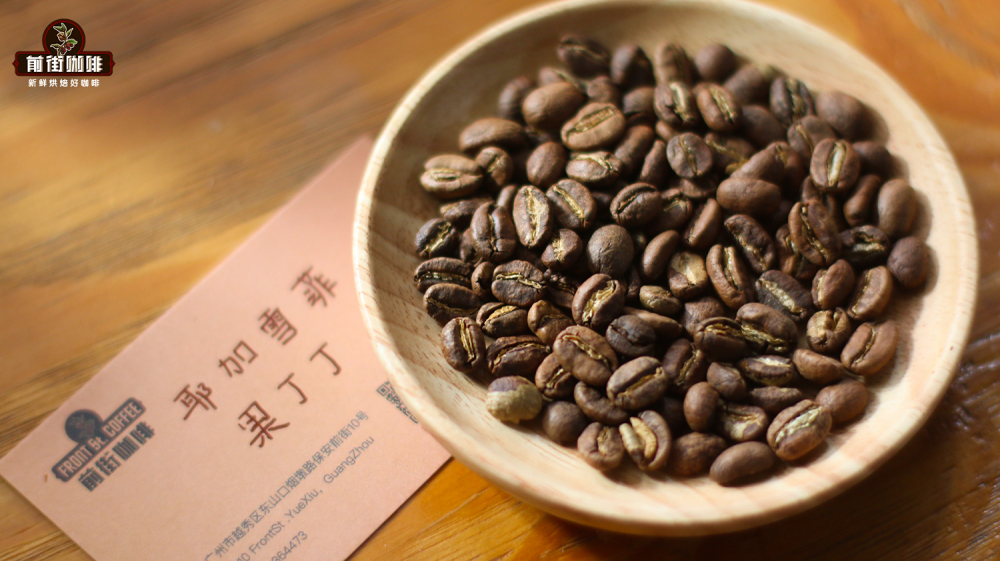
The Guattinga washed beans sold at a certain café, after being roasted to a light to medium level, exhibit a dry aroma of passionfruit and citrus with a refreshing acidity, while the wet aroma releases notes of berries and flowers. Upon tasting, the bright acidity of lemon intertwines with the soft sweetness of berries, followed by a lingering finish of mild almond and honey tones. The overall mouthfeel is clean and refreshing, with moderate body, representing a very classic expression of Yirgacheffe flavors.
For pour over beginners, using a three-stage pouring technique is recommended to achieve even extraction and enhance flavor complexity. Taking 15 grams of coffee as an example, and following a 1:15 coffee-to-water ratio with a total of approximately 225ml water, the pour can be divided into three stages: the first 30ml for a 30-second bloom to activate the coffee grounds; the second stage with 95ml to lift the coffee bed and expand the extraction area; and the final 100ml to steadily release lingering flavor compounds. The whole process takes about two minutes, fully showcasing the citrus, floral, and tea-like qualities of Guattinga.
For grind size, a medium-fine grind is recommended, roughly equivalent to 78% passing through a Chinese standard No. 20 sieve — similar in coarseness to fine sugar. A grind that is too coarse may lead to under-extraction and a thin flavor, while one that is too fine can result in over-extraction and bitter, off-tasting notes under high water temperatures. When using a Hario V60 dripper, its unique spiral ridges help accelerate water flow and gas release, further enhancing the brightness of the acidity and the clarity of overall flavors.
In addition, water temperature control is also crucial. It is recommended to use water heated to 92°C to 93°C — too high may cause over-extraction, while too low may lead to incomplete flavor extraction. If the brewed coffee has weak aroma, overly sharp acidity, or even woody notes, it might be past its optimal drinking window. Generally, it is best consumed within one and a half months post-roast to enjoy the best flavor performance.
In summary, the Yirgacheffe Guattinga washed beans are an excellent classic option for those starting out with pour over. By mastering the right grind size, water temperature, and three-stage pouring rhythm, you can easily extract its bright acidity, fruity floral notes, and layered texture, and enjoy a pure coffee experience from the Ethiopian highlands.
The above content is compiled by CoffeeHunters, a coffee news website.


