







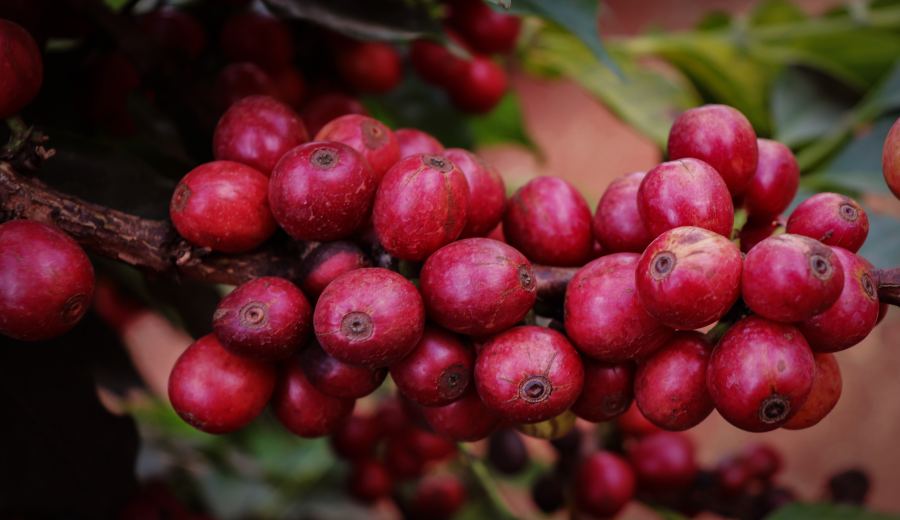
Introduction:Want to understand why Kenyan coffee boasts bright acidity and rich layers? This article starts with its innate advantages of high altitude and volcanic soil, delves into the characteristics of the two classic varieties SL28 and SL34, and helps you grasp the key processing methods and regional environments that shape its flavor. At the end, we also provide proven V60 pour-over parameters so you can brew a Kenyan specialty bean with fruity notes and delicate sweetness at home.
In the global specialty coffee scene, Kenyan coffee stands out with its unique acidity structure and complex sweetness, especially favored by coffee enthusiasts who pursue layered flavors. Using the commonly available Kenyan Asali AA Top cherry tomato coffee beans as an example, this article takes you on a journey through the full picture of Kenyan coffee—from regional environment and variety genetics to hands-on brewing practice. By analyzing how high altitude and volcanic soil contribute to Kenyan coffee’s distinctive character, and detailing the agronomic features and flavor profiles of the two classic varieties SL28 and SL34, we finally share a V60 pour-over recipe tested by a local café to help you replicate a balanced Kenyan coffee at home.
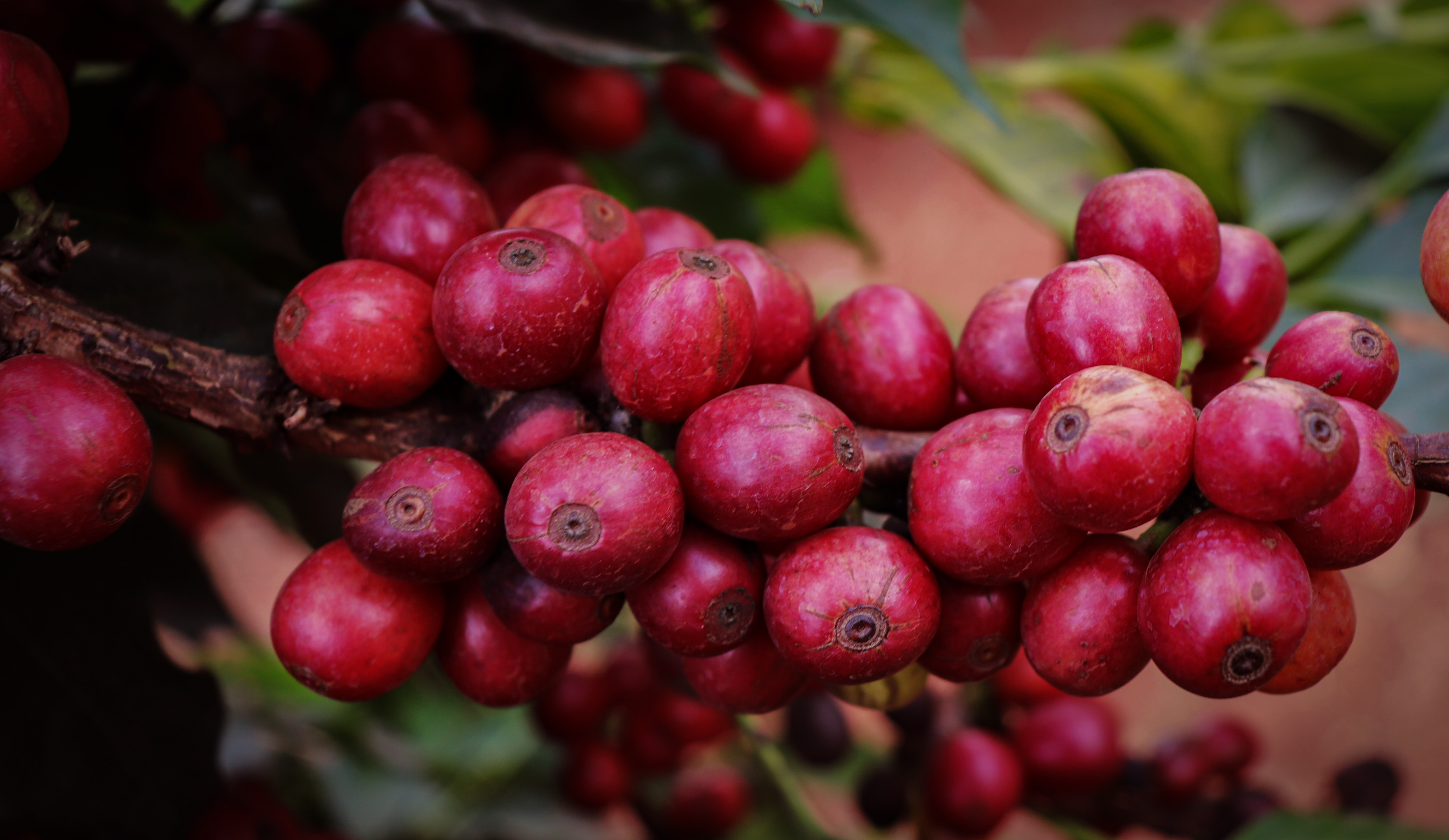
Among the world’s renowned coffee-growing regions, only a few can consistently maintain their status in the specialty category, and Kenya is one of them. Although Kenya’s coffee cultivation history is shorter than many other regions, its complete production and sales chain, coupled with a business model dominated by smallholder farmers, has enabled the country’s coffee industry to rise rapidly. Kenyan coffee farms are mainly concentrated in the highland and hilly areas around Mount Kenya, which not only benefit from superior altitude but also enjoy uniquely favorable natural conditions.
Kenyan coffee is often seen as a polarizing brew—loved by those who appreciate its bold characteristics, yet potentially off-putting to those unaccustomed to it. However, the reason Kenyan coffee has become a standout in the specialty coffee world lies in its overall full-bodied flavor, delicate layers, and complexity. These traits are no accident but stem from multiple advantages Kenyan coffee farmers have in terms of growing conditions and commercial strategies. Below, we’ll take the cherry tomato coffee beans as an example to let you deeply experience the unique charm of Kenyan coffee.
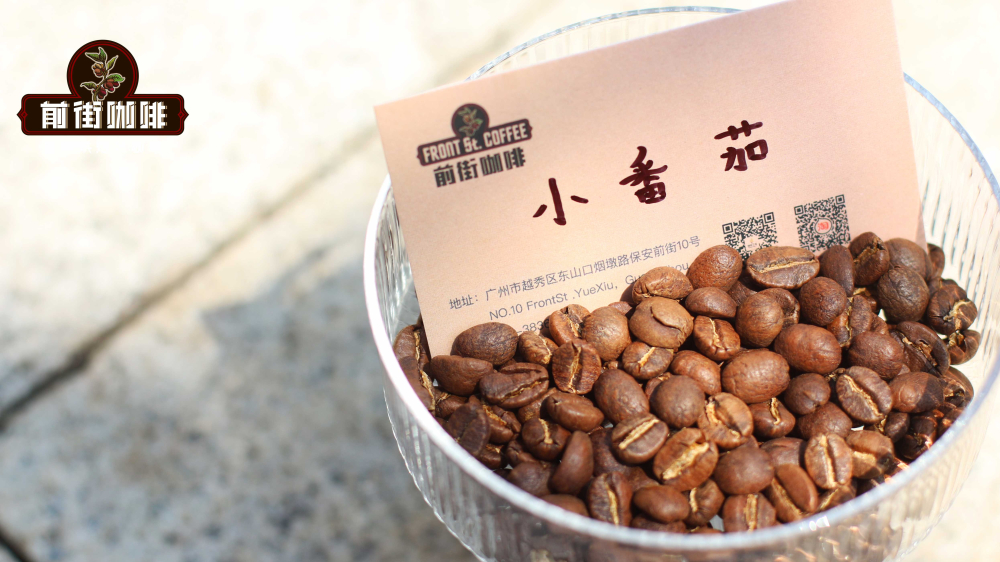
From years of operational experience at a certain retailer, Kenyan coffee has always been a representative single-origin coffee known for its consistent quality and popularity. Currently, the shop’s coffee list retains only one Kenyan product, named “Cherry Tomato,” and just from the name, you can get a hint of its flavor profile. Here are the detailed specs of this Kenyan Asali AA Top Cherry Tomato coffee beans:
Kenyan Asali AA Top Cherry Tomato
Country: Kenya
Region: Thika
Processing Mill: Asali Mill
Altitude: 1550–1750 meters
Soil: Volcanic soil
Variety: SL28, SL34
Processing Method: 72-hour washed
What are the highlights of this coffee bean’s flavor? Coffee drinkers familiar with Kenyan coffee know it’s known for its full and balanced mouthfeel, but different combinations of regions, varieties, and processing methods can still bring subtle differences.
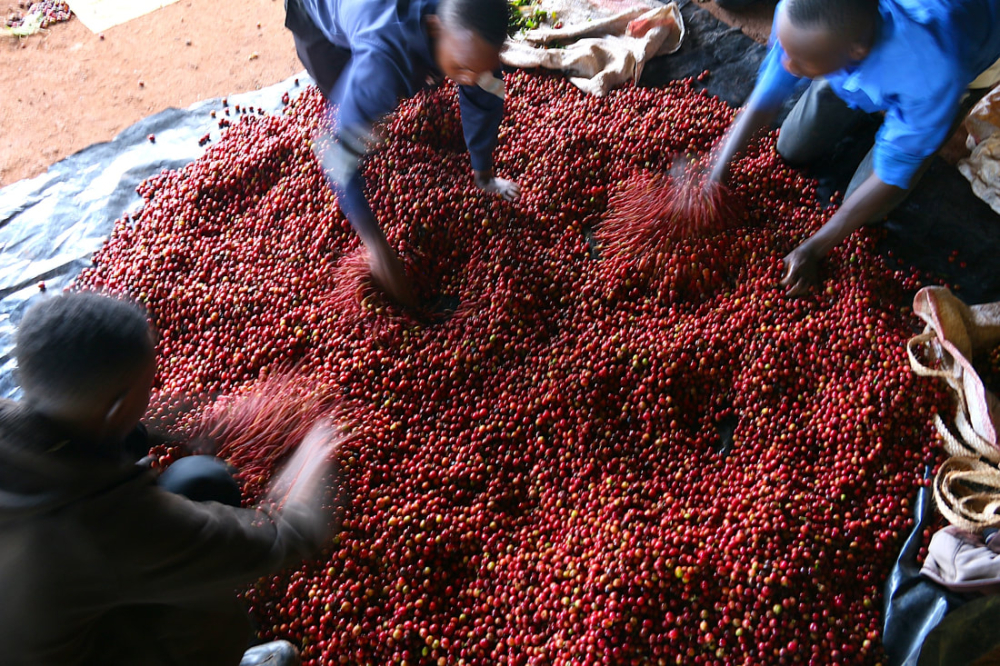
Varietal differences can create a wide spectrum of flavors, ranging from blackcurrant and berry notes to citrus profiles. The Kenyan Cherry Tomato coffee beans from a certain retailer have medium body, pronounced caramel sweetness, bright acidity, and a faint cherry tomato aroma, with more prominent dark plum notes, and overall high cleanliness. In recent years, some consumers have reported that the cherry tomato note is less noticeable, which is speculated to be related to subtle changes in the soil properties of Kenyan growing regions. However, the signature high acidity of Kenyan coffee remains the core reason for its popularity, and this is closely tied to the region’s high altitude and volcanic soil.
The industry widely recognizes that the higher the altitude at which coffee is grown, the better its flavor potential tends to be. Multiple producing countries, including Honduras and El Salvador, even classify coffee by altitude, with higher altitudes corresponding to higher grades. The reason behind this is that high-altitude regions have lower temperatures, slowing the growth rate of coffee beans and making the fruit ripening process more gradual, which helps accumulate and refine flavors. Additionally, the lower temperature increases bean density, and high-altitude regions usually have good drainage, reducing fruit moisture content and concentrating sugars and flavors. More importantly, high-altitude environments are less prone to common pests and diseases such as leaf rust, helping to improve overall quality stability.
Volcanic soil provides an extremely fertile growing environment for coffee trees. This type of soil is not only nutrient-rich but also abundant in minerals crucial for coffee tree growth, such as phosphorus, potassium, boron, iron, and zinc. Volcanic soil is loose in texture and has excellent drainage, preventing root waterlogging. Moreover, volcanic terrain often comes with microclimates and moderate shading effects, slowing the ripening process of coffee cherries and further enhancing flavor complexity. These combined conditions form the unique flavor foundation of Kenyan coffee.
It’s worth noting that the commonly used SL28 and SL34 varieties in Kenyan coffee may sound rigid in naming, but they actually originate from breeding research conducted by Kenya’s Scott Laboratories (abbreviated as SL) in the 1930s. Although the institution developed more than three varieties, SL28 and SL34 are the two most revered classics in the specialty coffee market. The latest genetic research shows that these two varieties share deep lineage with the Bourbon variety.
The SL-28 variety has a tall tree structure with green-tipped leaves. It not only delivers stable yields but also excels in cupping performance. This variety has low nutrient demands and certain drought tolerance, but is susceptible to leaf rust, coffee berry disease (CBD), and soil nematodes. Three years after planting, SL-28 begins to yield large coffee cherries, and with proper management, its “milling loss” is minimal, effectively maintaining green bean quality. As for SL-34, its tree structure is similar to SL-28, with the most obvious difference being its dark bronze-colored leaf tips. SL-34 has slightly higher nutrient demands, slightly lower yields, and faces the same threats from CBD, leaf rust, and pests. But both varieties have been cultivated in Kenya for decades and are naturally adapted to the local climate. It’s estimated that they currently make up 80% of Kenya’s exported coffee.
For beginners attempting to brew Kenyan coffee using pour-over, a common challenge is ending up with a cup that’s either overly sour or overly bitter, making it hard to replicate the café tasting experience. Below are V60 pour-over parameters tested by a certain café that help stabilize the extraction of Kenyan coffee’s delicate flavors:
V60 dripper
Brewing water temperature: 91°C
Coffee-to-water ratio: 1:15
Coffee dosage: 15g
Grind size: 80% passing through a Chinese Standard #20 sieve
Recommended pour-over steps: Start with a 30-second bloom using 30g of water, then pour in a small circular motion until reaching 125g for the first pour. When the water level drops and is about to expose the coffee bed, continue pouring to 225g and stop. Once the water level drops again to near exposing the coffee bed, remove the dripper. Keep the total brew time around 2 minutes. Adjust parameters slightly based on personal taste preferences, and gradually master the optimal extraction balance through practice.
The above content is compiled by CoffeeHunters, a coffee news website.


