







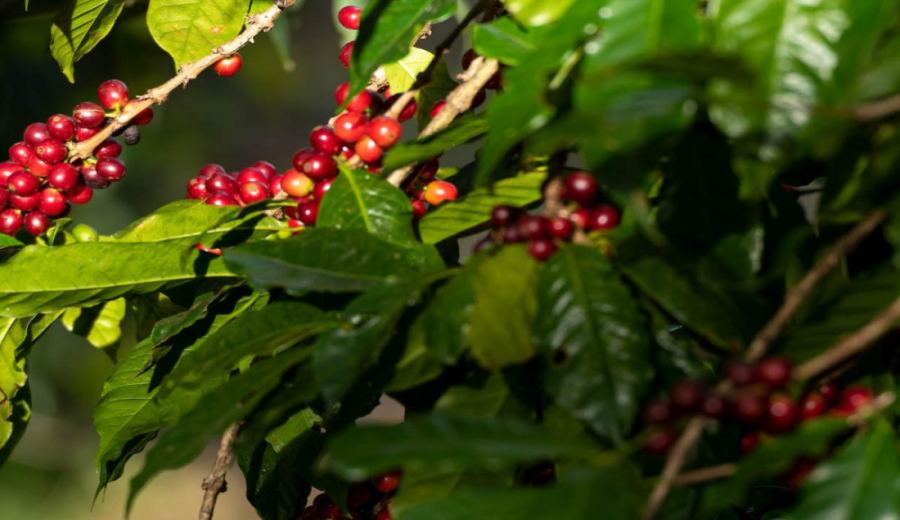
Introduction:Geisha coffee is renowned for its distinctive floral and fruity aromas, making it a star variety in the specialty coffee world. This article delves into the origins and spread of Geisha, analyzing its development in Panama—particularly how Hacienda La Esmeralda propelled it onto the world stage. It also explains why Geisha is referred to as "Geisha coffee" in Japan and details the flavor profile of the classic Boquete region Geisha, helping coffee enthusiasts gain a more comprehensive understanding of this classic bean variety.
Geisha coffee belongs to the Arabica species and is extremely particular about its growing environment, favoring high altitudes, cloudy conditions, fertile soil, and significant day-night temperature variations. This variety was first discovered by botanists near the village of Geisha in southwestern Ethiopia in 1931, then taken to Kenya for initial cultivation, and subsequently introduced to Uganda, Tanzania, and Costa Rica.
In 1953, the CATIE research institute in Costa Rica acquired a batch of Geisha seeds for varietal research. It wasn’t until the 1960s that Pachi Serracin, the manager of Panama's Hacienda Donga, brought Geisha to Panama and began trial planting locally. Later, Panama’s Hacienda La Esmeralda isolated Geisha from other varieties and, through meticulous management and post-harvest processing, made this coffee variety an overnight sensation. It won the top prize at the Panama Coffee Competition in 2004, gaining widespread fame from then on.
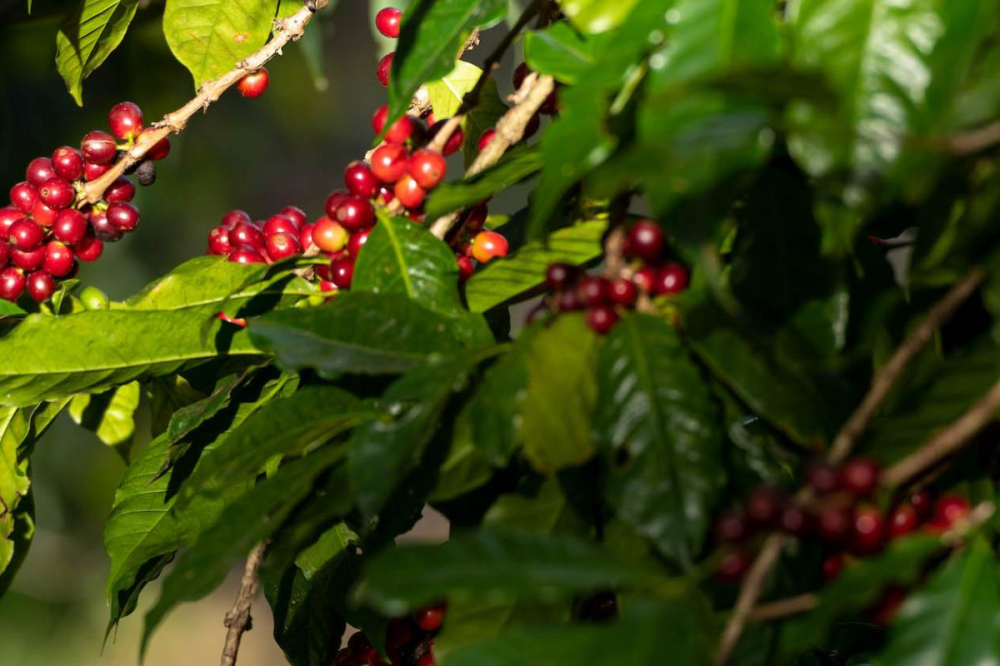
The pronunciation of “Geisha” is similar to the Japanese word for “geisha” (芸者), and as a result, in Japan and some Chinese-speaking markets, Geisha is often called “Geisha coffee.” Not only is the pronunciation similar, but many people also believe that its refined and layered flavors are as delicate and captivating as a geisha performance, which is why the term has become widely used.
Currently, Panama’s Geisha is mainly grown in Chiriquí Province in the western part of the country, especially in the Boquete region near the Pacific coast. The altitude here is moderate, with a cool and humid climate, an average annual temperature of around 16°C to 25°C, and annual rainfall reaching up to 3,500 millimeters—providing ideal growing conditions for Geisha. In addition to Boquete, nearby regions such as Volcán, Santa Clara, Candela, as well as areas like David, Remacimeinto, Bugaba, and Tole, are also important Geisha-producing areas.
Among them, Hacienda La Esmeralda first participated in Panama’s coffee cupping competition in 2004 and won the championship with its Geisha variety. It went on to top the rankings for several consecutive years, establishing the variety’s status in the specialty coffee industry. The estate achieves exceptionally high quality and consistency for its Geisha through shaded cultivation, strict selection, and careful processing.
Taking Geisha from the Boquete region as an example, this coffee exhibits prominent floral notes such as jasmine and white rose when brewed, accompanied by bright citrus acidity. The mid-palate features a rich array of fruit flavors including peach and berries, while the finish lingers with a soft oolong tea aroma. The overall mouthfeel is silky smooth, with a balanced and layered sweetness and acidity. Such flavor characteristics make it not only approachable for beginners in the specialty coffee scene but also rich in depth, making it a great choice for entry-level tasting.
If brewing via pour over, it is recommended to use medium-light roasted Geisha beans with a medium-fine grind size (similar to that of fine sugar). The water temperature should be controlled between 90°C and 93°C, using a segmented extraction method to fully present its floral and fruity aromas and the nuanced changes in acidity and sweetness. Additionally, maintaining a stable pouring flow and an appropriate coffee-to-water ratio (commonly 1:15 to 1:16) helps achieve flavor balance and impurity control.
The above content is compiled by CoffeeHunters, a coffee news website.


