







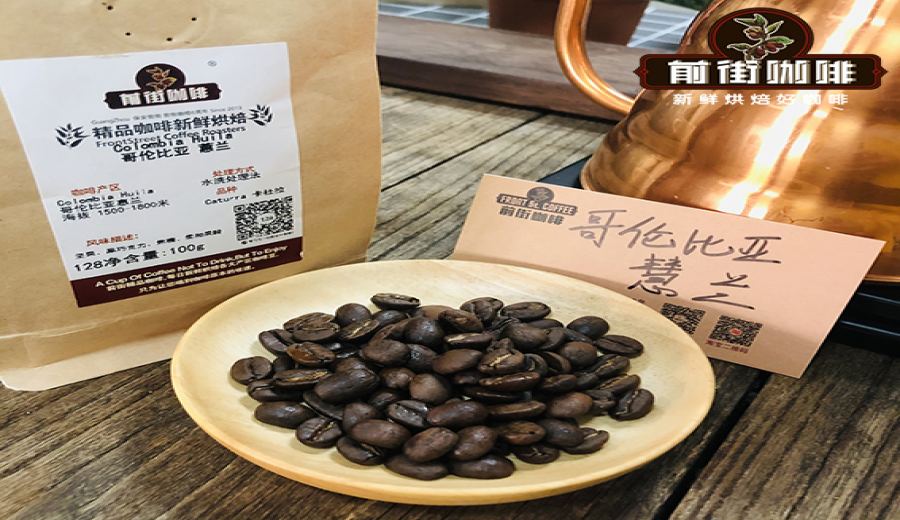
Introduction:Washed coffee beans from Colombia’s Huila region are an ideal entry point for many pour over beginners. They offer balanced flavors and pronounced sweetness, making them perfect for understanding how coffee transforms from origin to cup. This article delves into Huila’s geography, processing methods, and roasting philosophy, along with practical pour over extraction tips to help you better showcase the potential of this bean.
For those just starting out with pour over coffee, choosing a bean with clear and expressive flavors is often more practical than diving straight into challenging origins. Washed coffee from Colombia’s Huila (Huila) region is one of the best options for beginners. These beans typically present clean, soft profiles with outstanding sweetness—neither as aggressively bright as some African beans that might intimidate newcomers, nor as heavy and intense as certain Indonesian varieties. Instead, they offer a stable, balanced flavor profile, serving as a bridge for many to first explore the world of specialty coffee.
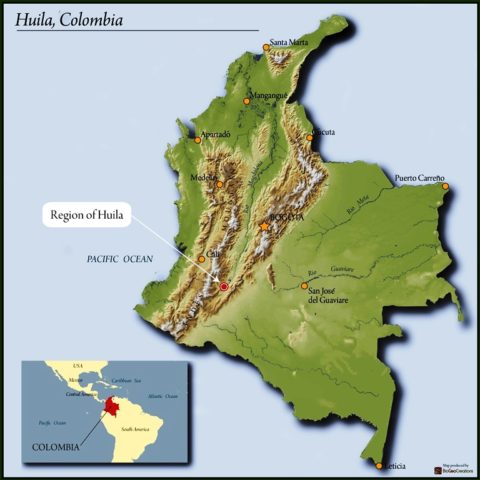
Located in southern Colombia, Huila features typical mountainous terrain, surrounded by layers of ridges and highlands. This topography not only helps block cold air but also channels cool valley breezes, regulating the overall microclimate. Additionally, several major rivers in Colombia flow through this area, providing abundant and stable water sources that create ideal natural conditions for coffee cultivation. The region boasts fertile volcanic soils, with altitudes mostly above 1500 meters and significant day-night temperature variations, which help coffee cherries accumulate sugars and complex flavor compounds. These factors contribute to the rounded mouthfeel and bright acidity commonly found in Huila coffees.
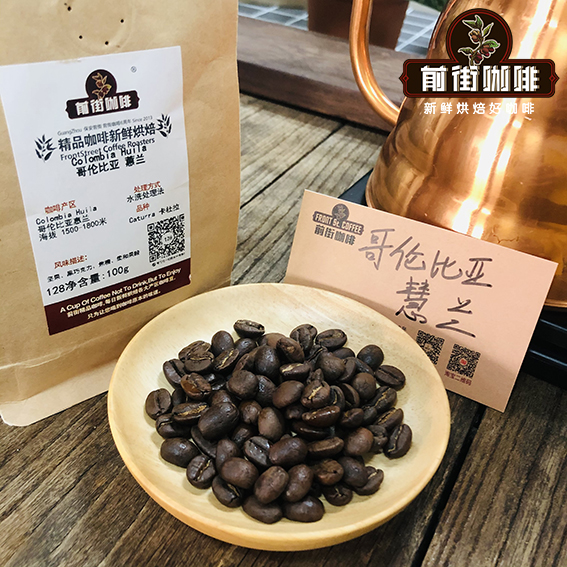
Coffee cultivation in the region is primarily concentrated in the extensions of the Andes Mountains. The area is also home to the famous Nevado del Huila volcano and the Magdalena River. Due to its proximity to the equator and high altitude, Huila-grown coffee typically exhibits brighter acidity and rich complexity. Coffee farming here is distinctly divided into dry and rainy seasons: the dry season generally runs from June to September, during which coffee trees enter their flowering period, while the rainy season lasts from October to May of the following year. The harvest season falls roughly between April and June, ensuring that coffee cherries are picked at optimal ripeness.
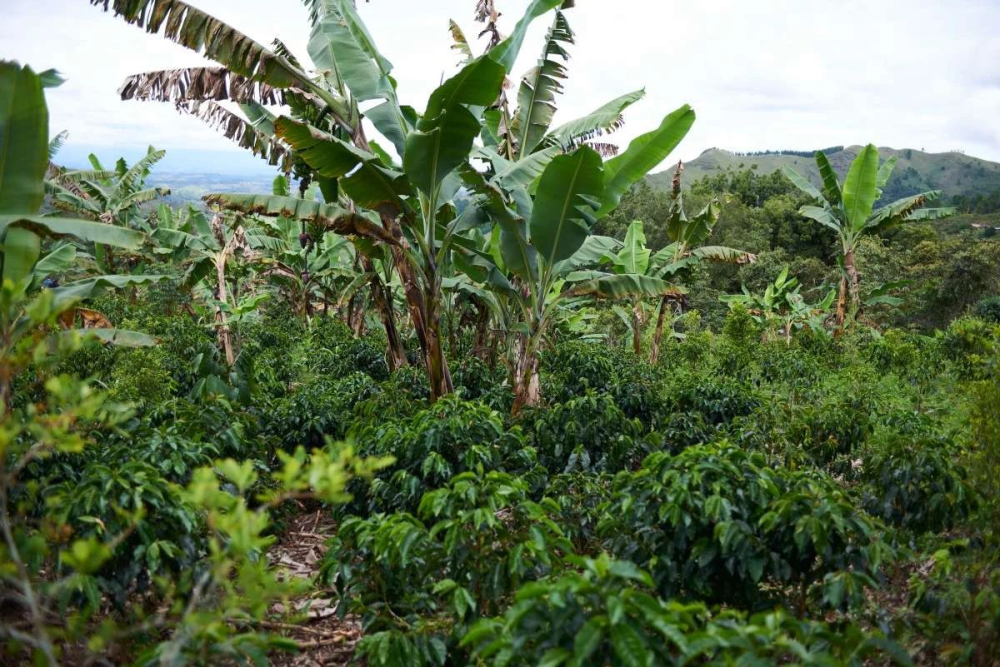
Coffee trees in Huila are mostly planted on slopes with mineral-rich volcanic ash soil. Coupled with significant day-night temperature differences, these beans often carry a rich juiciness, nutty roasty aromas, and pronounced caramel sweetness. In terms of varieties, besides common classics like Caturra, Bourbon, and Typica, Colombia has also cultivated disease-resistant and flavorful varieties such as Castillo, Tabi, and the country-named ‘Colombia.’ Some advanced farms have even begun experimenting with high-end varieties like Geisha.
Notably, coffee farmers in Huila still mostly rely on manual harvesting, picking only fully ripe coffee cherries. This not only helps protect the coffee trees but also ensures quality stability in subsequent processing stages, resulting in cleaner final cup flavors and more pronounced sweetness. In green bean processing, the region widely employs the washed method, fermenting with mountain spring water. This water source, richer in minerals compared to regular river water, helps produce purer acidity and more delicate sweetness.
Colombia’s washed processing techniques are quite mature. Most small farms use professional Ecomill or Eco-Pulper machines to remove the fruit skin and pulp, requiring minimal water to eliminate most of the mucilage. Next, the parchment beans with residual mucilage are placed in small cement tanks or tile fermentation tanks for about 24 hours, allowing the remaining mucilage to break down naturally. They are then thoroughly rinsed with clean water and spread out on drying patios until reaching the ideal moisture content. This meticulous washed process not only effectively reduces the rate of defective beans but also preserves the beans’ inherent vibrant flavor characteristics, delivering higher cleanliness and consistency.
In terms of roasting strategy, to fully highlight the chocolate notes and nutty aromas of Huila washed beans, many roasters opt for a medium-dark roast. This roast level retains a moderate acidity while bringing out the roasted nut and caramel sweetness through Maillard reactions, creating a balanced and layered flavor profile. Since medium-dark roasted beans are slightly more porous and have higher water absorption, it’s recommended to use a medium grind size and moderate water temperature when brewing pour over to avoid over-extraction and bitterness.
Below is a proven-effective pour over extraction recipe, suitable for most scenarios using a KONO filter:
Filter:KONO
Water Temperature:90°C
Grind Size:Approximately 75% passing rate through a #20 standard sieve (medium-fine)
Coffee-to-Water Ratio:1:15
Coffee Dose:15 grams
Total Water Volume:225 grams (split into three pours)
Recommended steps: First, place the coffee grounds in the filter and bloom with about 30 grams of water (roughly twice the coffee dose) for around 30 seconds to degas and activate the grounds. Then, pour in a thin stream in circular motions from the center outward. When the total water volume reaches 125 grams, pause briefly. Once the coffee bed settles to the middle of the filter, continue pouring with the same thin stream until reaching 225 grams. Keep the total extraction time around 2 minutes. These parameters will help you fully highlight the chocolate, nut, and caramel aromas of the Huila beans while maintaining a smooth mouthfeel and moderate body.
The brewed Huila washed coffee delivers an immediate impression of distinct chocolate and nut tones, paired with soft caramel sweetness. The overall cup is clean, full-bodied, and well-balanced. As the temperature cools slightly, subtle fruity acidity emerges, adding layers and vibrancy to the flavor profile. Whether as a daily drinker or a standard bean for practicing pour over techniques, this washed coffee from Colombia’s Huila region offers a consistently enjoyable and satisfying experience.
The above content is compiled by CoffeeHunters, a coffee news website.


