







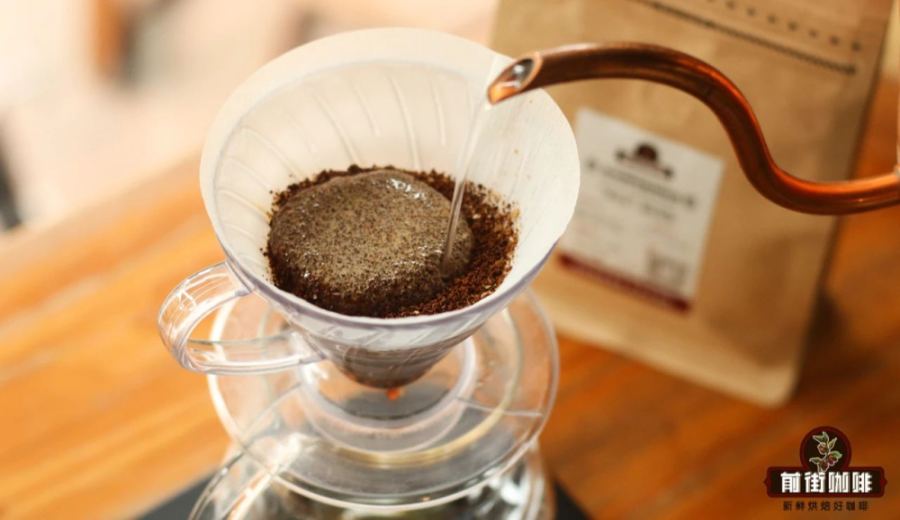
Introduction:For beginners, pour over coffee presents challenges from equipment selection to pouring techniques. This article systematically breaks down the pour over process, details key techniques for water flow control, and shares practical insights on spout selection and modification to help readers avoid common mistakes and quickly master stable pouring skills to brew more ideal coffee flavors.
For those new to pour over coffee, every step—from choosing the right equipment to mastering precise pouring techniques—can become an obstacle in the learning process. Many people piece together knowledge from online videos, taking many detours before gradually grasping the essentials. In reality, as long as you clarify the operational sequence and become proficient in a few core techniques, getting started is not as difficult as it seems. This article will explain the complete steps of pour over coffee in detail, with a special focus on the crucial aspect of water flow control, while also providing practical advice on spout selection and modification to help beginners stabilize their pouring more quickly and boost their confidence in each brew.
The pour over coffee process involves multiple steps, and beginners often need clear step-by-step guidance to complete the entire procedure smoothly. Observations show that many novices rely on snippets from online videos and use various "makeshift methods" to figure things out, gradually getting the hang of it only after repeated practice and exchanges. Below is a systematic introduction to the basic steps of pour over coffee.
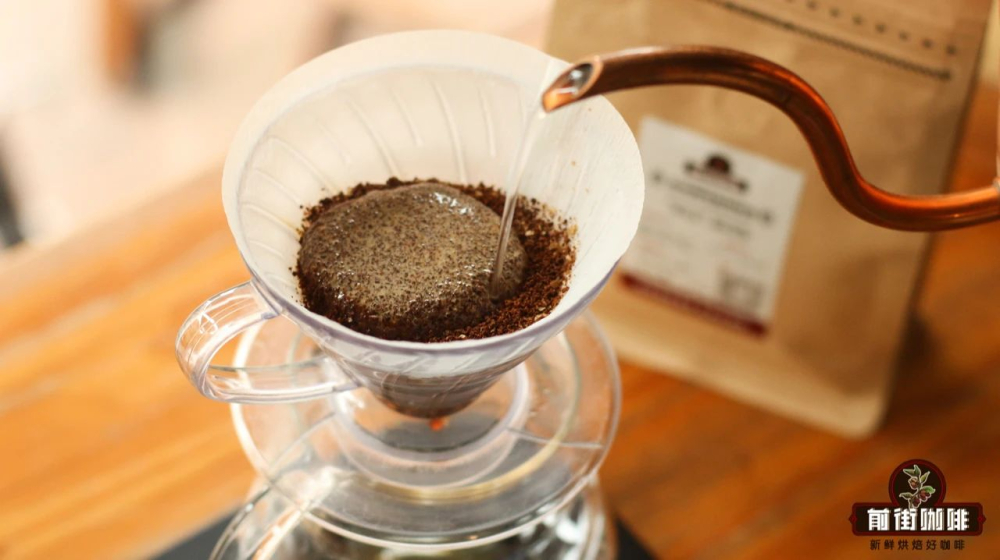
A common issue is that many people only realize how difficult water flow control is when they actually start brewing. Inconsistent water flow—sometimes too strong, sometimes too weak, erratic, or unstable in height—and noticeable hand shaking are all typical struggles for beginners. After brewing, examining the coffee bed reveals the unevenness caused by inconsistent pouring.
In truth, "water control" is a skill that takes time to develop. Before muscle memory is formed and a good rapport is established with the pour over kettle, it’s hard to get it right on the first try. However, as practice increases, proficiency naturally improves, and the water flow will gradually become more manageable. Generally speaking, those who are completely new to the practice can achieve a more desirable pour with about two and a half weeks of consistent training.
If you want to shorten the learning curve, mastering some practical techniques can speed up progress. In the best-case scenario, it’s possible to achieve a relatively stable pour in just three days.
Technique 1: Choosing the Spout of Your Pour Over Kettle
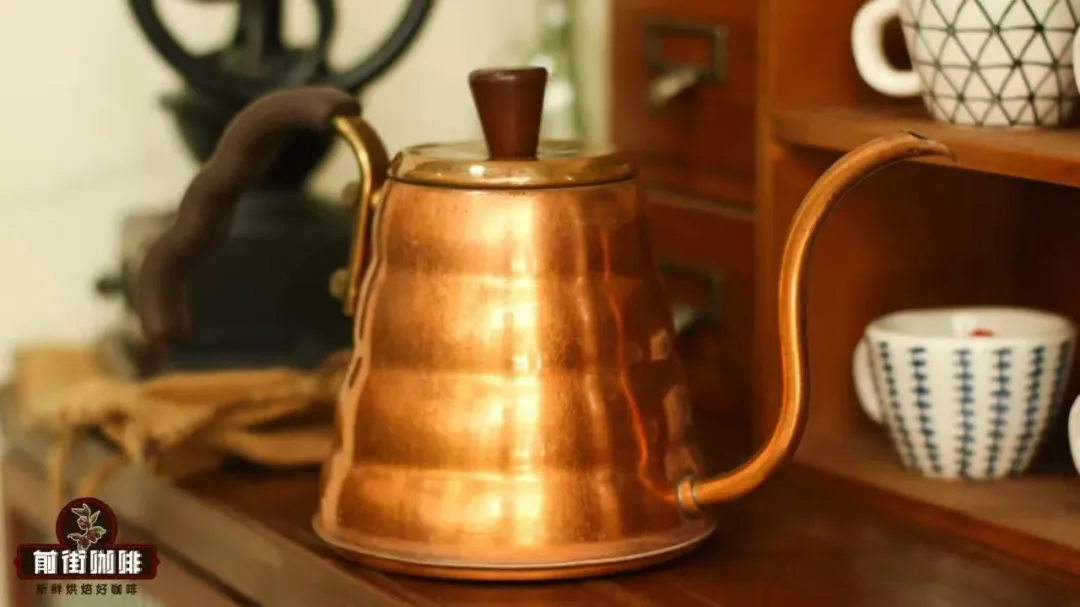
The shape of the kettle spout greatly affects water flow control and directly determines how easy or difficult the operation is. It is recommended that beginners prioritize a “gooseneck eagle-beak” kettle, which features a slightly longer neck, a smaller spout opening, and a downward curve. These two design elements help beginners more easily stabilize the water flow.
Of course, such spouts also have limitations, as their design makes it harder to pour very fine droplets or large volumes of water, resulting in lower versatility. Whether to choose one depends on your personal needs.
If you’ve already purchased a kettle with a spout that is more challenging to control, you can refer to modifications used by experienced users. For example, using tools to adjust a flat spout into an eagle-beak style to reduce operational difficulty—but this is only feasible if the material of the kettle is somewhat pliable, otherwise it may get damaged.


The above content is compiled by CoffeeHunters, a coffee news website.


