







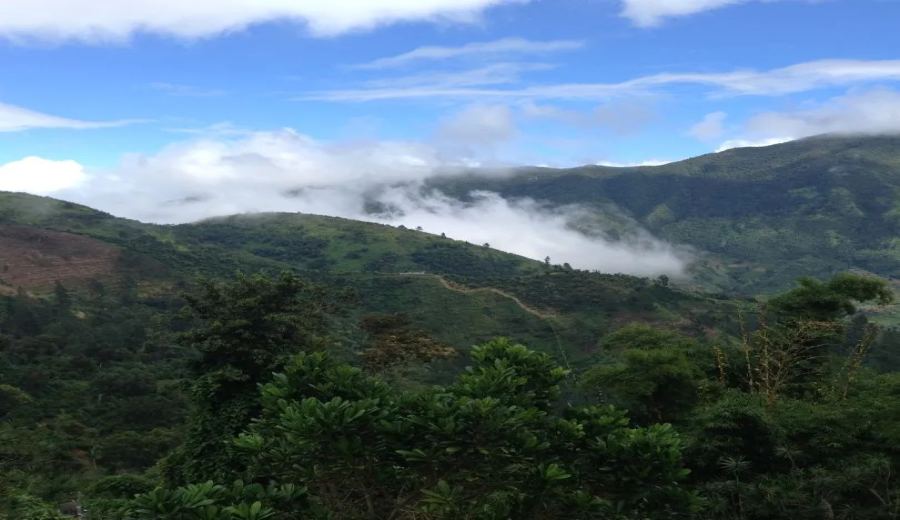
Introduction:Jamaican Blue Mountain coffee is hailed as the "King of Coffee," with its noble status and exceptional flavor profile captivating coffee enthusiasts worldwide. This article delves into the varietal origins, rigorous grading standards, unique geographical environment, and the differences between washed and natural processing methods of Blue Mountain coffee. It also provides expert cupping flavor evaluations and practical pour over parameters to help you fully grasp the essence of this world-class specialty coffee.
Blue Mountain coffee and civet coffee were once synonymous in the minds of Chinese consumers as the "most expensive and top-tier" coffees. But what varietal does Blue Mountain coffee actually belong to? What makes it so highly revered? This article will break down the "identity code" of this legendary coffee from the perspectives of Jamaica’s geographic conditions, varietal origins, grading system, and historical background. We will also explore how washed and natural processing methods affect flavor, and offer professional cupping results along with practical pour over extraction parameters to help you gain a deeper understanding of this premium coffee.
In the minds of many coffee lovers, Blue Mountain and civet coffee have long been symbols of "high price" and "ultimate quality." However, the truth is that beans that can be called "Jamaican Blue Mountain coffee" have very strict definitions and regional restrictions. Not all coffee grown in Jamaica qualifies to bear the Blue Mountain name.
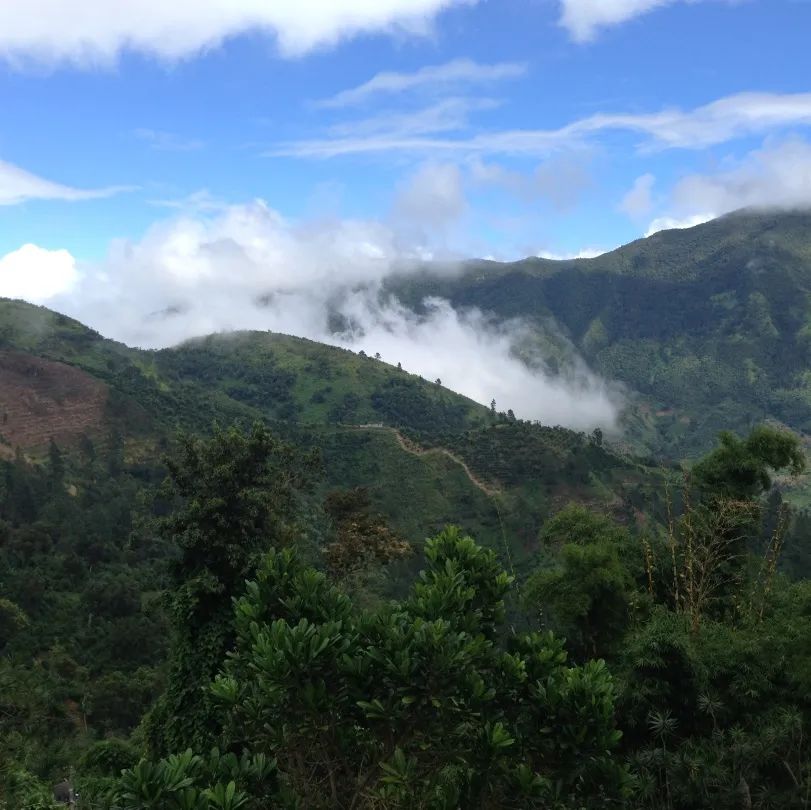
The Blue Mountains are located in eastern Jamaica and are a landmark renowned for their breathtaking scenery and unique light effects. When sunlight shines over the Caribbean Sea and is refracted by the mountain ridges, a captivating blue haze appears atop the peaks — this is the origin of the name "Blue Mountain." This area not only boasts picturesque landscapes but also offers ideal conditions for coffee cultivation: fertile volcanic soil, cool high-altitude climate, abundant year-round rainfall (approximately 1,980 mm annually), and a humid environment shrouded in mist, making it a perfect place to nurture premium coffee.
The main peak of the Blue Mountains reaches an elevation of 2,256 meters, but the suitable altitude for coffee cultivation is generally below 1,700 meters, with areas above that designated as nature reserves. Therefore, the Blue Mountain coffee growing region is actually quite limited — only coffee grown within approximately 6,000 hectares of the Blue Mountains at elevations above 910 meters can be called "Jamaican Blue Mountain coffee." In comparison, coffee grown between 460 and 910 meters is classified as "Jamaican High Mountain coffee," while beans grown below 460 meters are merely "Jamaican Prime coffee." In other words, products that can truly use the name "Blue Mountain coffee" account for less than one-third of the total production in the Blue Mountain region, highlighting its rarity and prestigious status.
The primary varietal planted for Jamaican Blue Mountain coffee is Typica, one of the oldest Arabica varieties in the world. Typica coffee trees are tall with long oval-shaped leaves and bronze-tipped top leaves. Though they produce an elegant flavor, they yield low and are susceptible to disease, requiring more labor-intensive care. Coffee cultivation in the Blue Mountains began in the early 18th century, but it wasn’t until 1953, with the establishment of the Jamaica Coffee Industry Board (CIB), that strict grading systems, quality controls, and upgraded farming techniques elevated Blue Mountain coffee to the ranks of the world’s finest.
Regarding the grading system, the Jamaican CIB divides Blue Mountain coffee into three categories based on altitude: only coffee grown between 910 and 1,700 meters can be called "Jamaican Blue Mountain coffee"; coffee produced between 460 and 910 meters is classified as "Jamaican High Mountain coffee"; and anything below 460 meters is labeled "Jamaican Prime coffee." Therefore, Blue Mountain coffee is not equivalent to generic Jamaican coffee — its growing area accounts for only a small portion of the Blue Mountains, with the majority falling into other grades.
The quality control of Blue Mountain coffee is also extremely stringent. For example, Blue Mountain No. 1 is selected only from beans that are 17+ screen size with a defect rate below 3%. The green beans are large, vibrant green in color, and almost entirely free of visible defects. More uniquely, Blue Mountain No. 1 through No. 3, as well as Blue Mountain peaberry, are the only coffees in the world exported in wooden barrels. The packaging specifications are divided into 70 kg, 30 kg, and 15 kg. This traditional and high-spec packaging format has also become one of the key identifiers for authenticating Blue Mountain coffee.
Interestingly, Japan provided a loan in 1969 to assist Jamaica in developing its coffee industry and has since become the largest importer of Blue Mountain coffee, still accounting for approximately 90% of the market share to this day. This explains why many Blue Mountain coffees are prioritized for the Japanese market. Until the year 2000, Blue Mountain coffee was nearly as renowned as civet coffee and was synonymous with top-tier coffee.
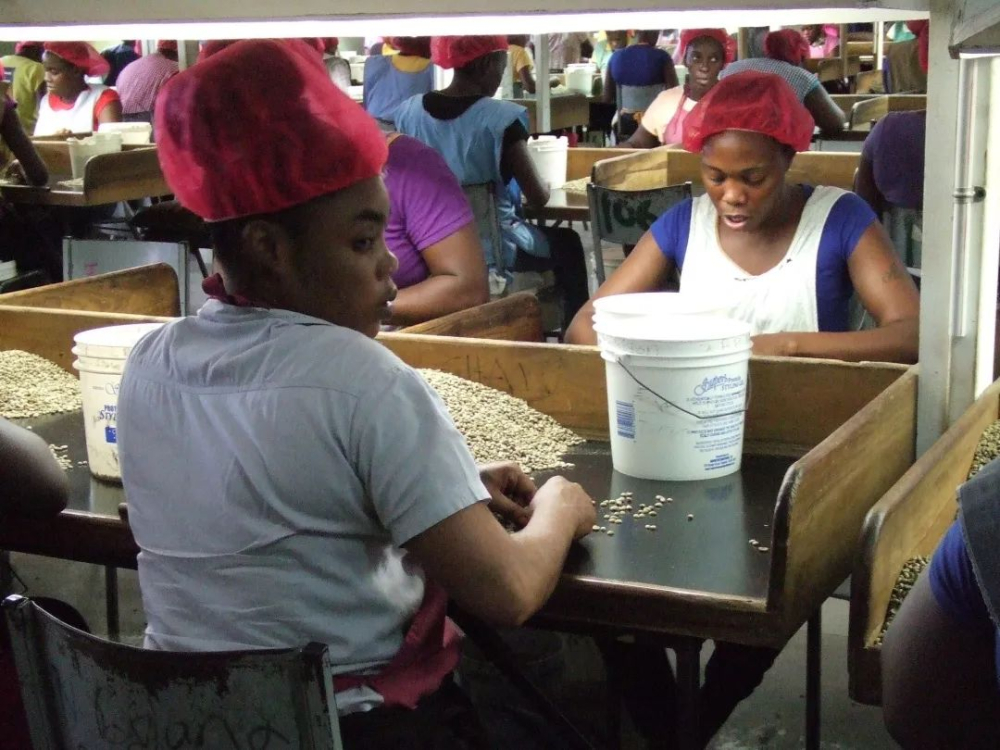
The growing environment of Blue Mountain coffee is extremely challenging. Due to the steep terrain, coffee trees are mostly planted on terraced hillsides, often intercropped with bananas, avocados, and other crops. These not only provide natural shading but also help maintain ecological balance. Harvesting requires skilled female workers to carefully select coffee cherries at the optimal ripeness to ensure the purity and balance of the final flavor.
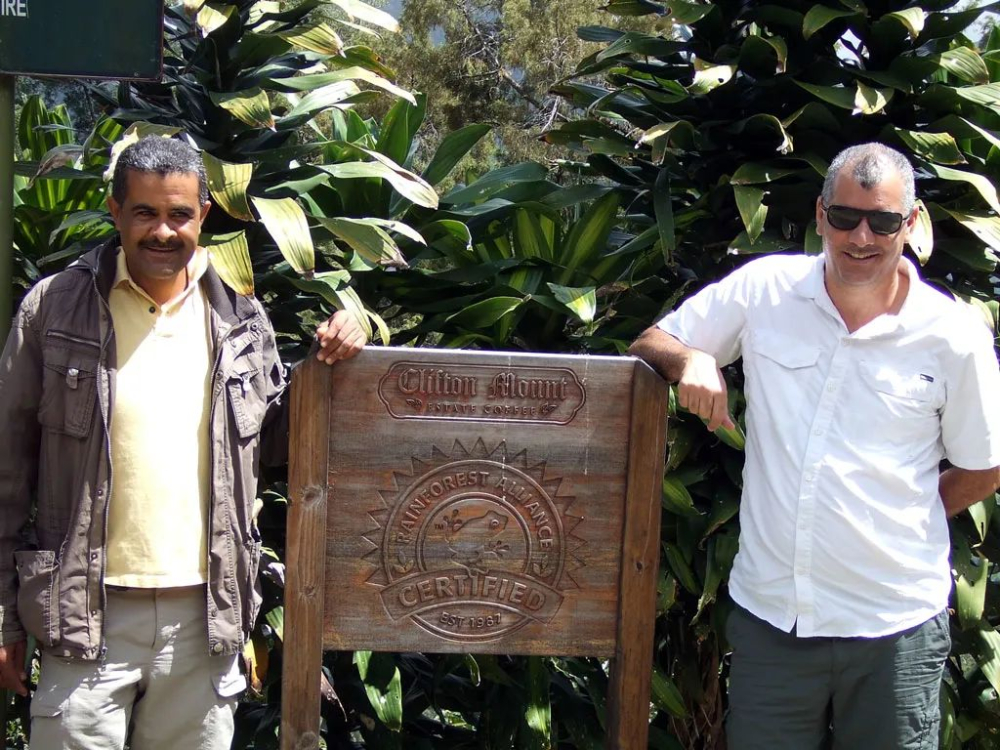
Clifton Estate is one of the most representative coffee farms in the Blue Mountain region, having begun coffee production in the mid-18th century (around 1750). Located at an altitude of about 1,310 meters, the farm benefits from afternoon mist, moderate sunlight, and mineral-rich volcanic soil, providing ideal growing conditions and extending the ripening period of the coffee cherries. Additionally, Clifton Estate is the only coffee farm in Jamaica to be certified by the Rainforest Alliance, underscoring its commitment to sustainability and environmental responsibility.
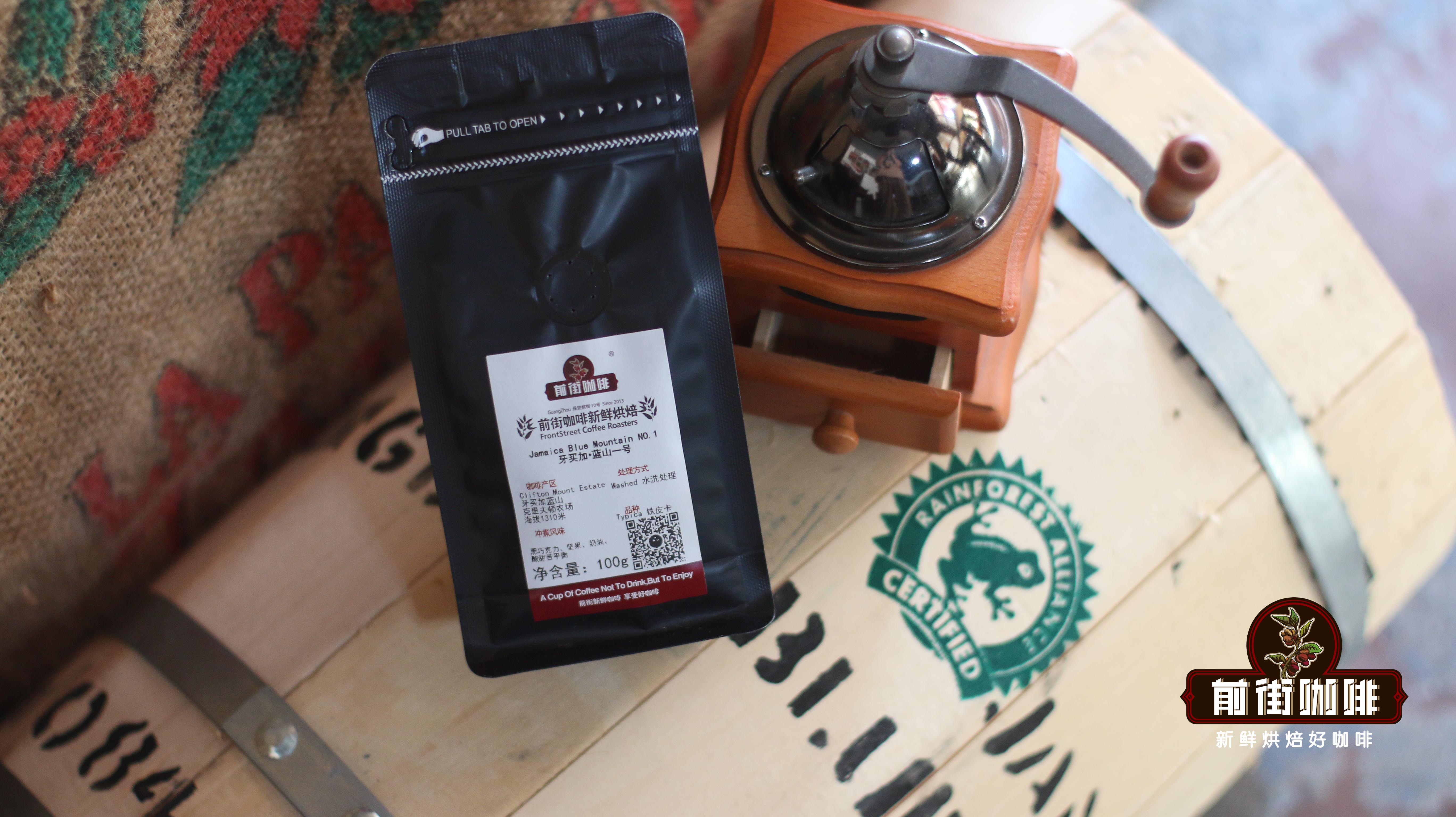
So, what varietal are Jamaican Blue Mountain coffee beans exactly? The answer is: Typica. Since the 18th century, the Blue Mountain region has consistently stuck to planting this traditional varietal. Although some experimental plantings of varieties such as Yirgacheffe or Geisha have occurred in recent years, the currently recognized "Blue Mountain No. 1" coffee beans on the market are 100% Typica.
Typica is one of the oldest varietals in the Arabica family, characterized by bronze-tipped top leaves, long oval and smooth leaves, and a tall, slightly sloped tree structure. Its coffee cherries are bright red, cherry-like in shape, and contain coffee beans that are oval or slightly pointed. Typica offers a delicate and elegant flavor, but it yields low and is prone to disease, thus requiring particularly careful management.
What kind of flavor profile does Blue Mountain coffee have? With high-level processing and refined roasting, Blue Mountain coffee typically exhibits outstanding cleanliness, a well-balanced acidity and sweetness, often accompanied by soft nutty and chocolatey notes. It has a long, comfortable aftertaste and is hailed as the pinnacle of the coffee world, truly deserving the title "King of Coffee."
In terms of processing methods, Blue Mountain coffee historically only used the washed method, but in recent years, natural processing has also been attempted. The washed method removes the skin, pulp, and mucilage before controlled temperature drying, highlighting the coffee’s acidity and aroma, with a relatively short drying time. The natural method dries the entire coffee fruit before removing the outer layers once the moisture content drops to 11%. While it produces a richer flavor, the process is complex, riskier, and demands stringent weather and labor conditions — especially challenging in the misty and rainy environment of the Blue Mountains.
In summary, Jamaican Blue Mountain coffee, with its unparalleled geographic environment, strict grading system, ancient Typica varietal, and refined processing and quality control, has earned its reputation as the "King of Coffee." Whether washed or natural, it delivers an ultimate sense of balance and nuanced layers — an unforgettable premium coffee experience not to be missed by any coffee lover.
The above content is compiled by CoffeeHunters, a coffee news website.


