







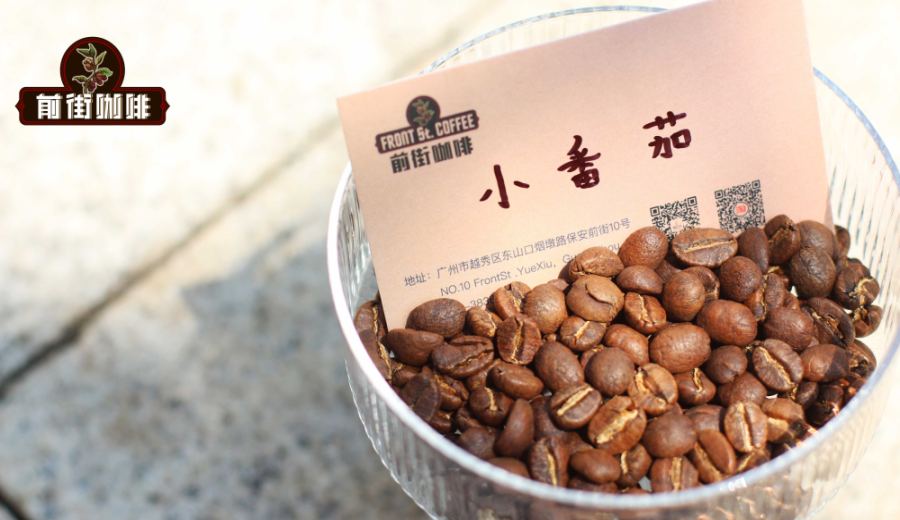
Introduction:Want to brew a Kenyan coffee at home with bright berry acidity and a rich body? This article takes the popular Kenya · Little Tomato as an example, delving into the characteristics of the SL28 and SL34 varieties, the terroir of the Thika region, and providing detailed pour over parameters for lightly roasted Kenyan beans—including recommended filter cones, water temperature suggestions, grind size judgment, and a three-stage pouring method—to guide you step by step in mastering the key to stable extraction of bright fruit acidity and long aftertaste.
As the most representative specialty coffee-producing country in East Africa, Kenya holds a unique place in the global coffee market thanks to its distinctive berry acidity and rich flavor profile. Using the well-received Kenya · Little Tomato as a starting point, this article explores the growing environment and varietal origins behind this coffee, and provides a complete and practical pour over operation guide to help you brew a cup of Kenyan coffee with bright acidity and lingering aftertaste at home.
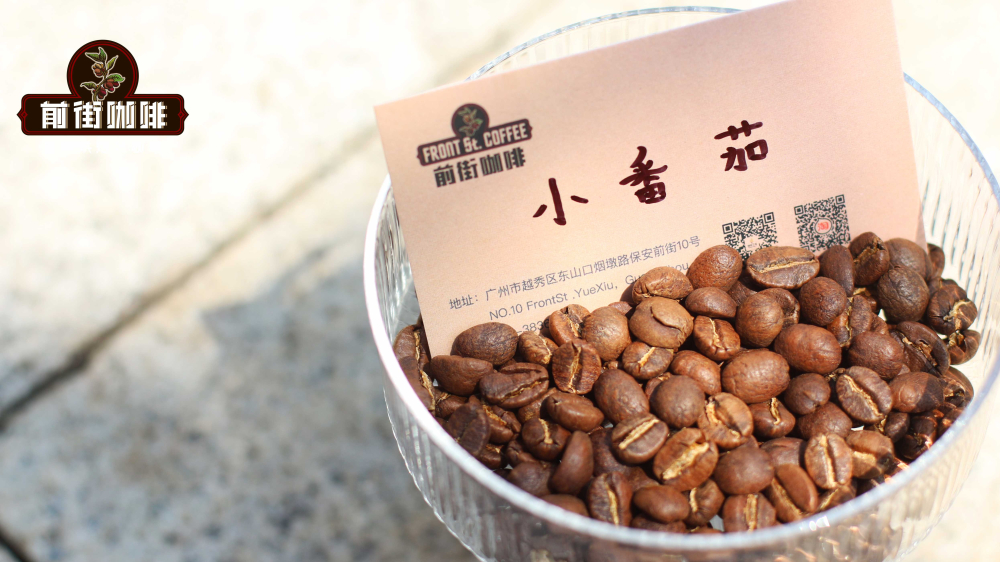
The Kenya · Little Tomato coffee beans are produced by the Asali washing station in the Thika region, grown at altitudes between 1550 and 1750 meters, with the main varieties being SL28 and SL34, processed using the K72 washed method. This coffee is often described as having complex flavors of black plum, cherry tomato, pear, brown sugar, and plum, with lively acidity and a sweet finish—perfect for coffee lovers who enjoy bright fruitiness and layered profiles.
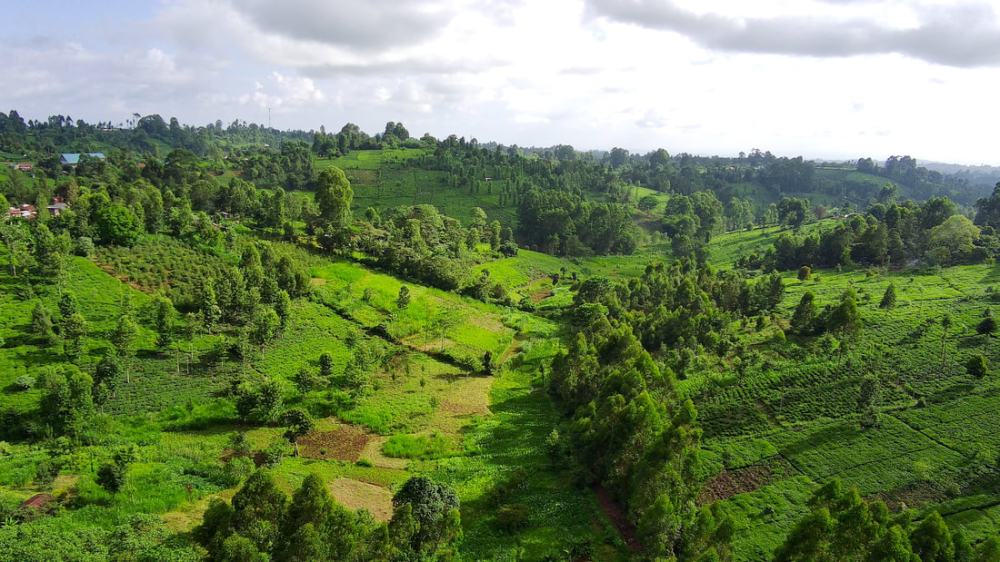
Located in East Africa, Kenya is crossed by the equator and borders the Indian Ocean to the east. Its climate is typically tropical, with distinct wet and dry seasons throughout the year, allowing for two coffee harvests annually, mainly from June to August and October to December. Most coffee farms are concentrated around the capital Nairobi and the Kenyan highlands, where altitudes generally range between 1600 and 2100 meters. The volcanic soil terrain and relatively cool temperatures slow down the ripening process of coffee cherries, aiding in the accumulation of flavor compounds and contributing to the bright acidity and solid body that define Kenyan coffee.
Kenya’s coffee regions not only benefit from exceptional geographical conditions, but also boast varietal breeding that is unparalleled globally. In the 1930s, the SL28 and SL34 varieties, selected by the Scott Laboratories, remain the soul of Kenyan coffee to this day. Renowned for their intense berry acidity and rich aroma, these two varieties were originally cultivated to adapt to high altitudes and variable climates, featuring outstanding drought resistance but also being more susceptible to disease. It’s worth noting that SL28 has not only shined in Kenya but has also been introduced to Central American countries such as Costa Rica, even winning COE competition championships, showcasing its world-class potential.
When choosing a lightly roasted Kenyan coffee like Little Tomato, it’s recommended to pay special attention to the following three key pour over details to help stably present its intended fruit acidity and complexity:
Filter Cone Selection: Since lightly roasted beans have a compact structure and low expansion rate, grinding can produce more fine particles. If the filter cone has too slow a flow rate, it may lead to uneven extraction in the final stages. It’s recommended to prioritize filter cones with good flow performance, such as the V60. Its unique spiral ridge design helps with gas release from the coffee bed and accelerates water flow, enhancing the release of acidity.
Water Temperature Control: It’s recommended to maintain the water temperature between 90°C and 93°C. If you prefer a fresh and bright acidity with a tea-like aftertaste, choose 90°C to 91°C; if you want to enhance the fullness and body of the fruit acidity, then 92°C to 93°C is advised, which can more effectively bring out the layers and weight of the coffee.
Grind Size and Time Judgment: Grind size directly affects extraction time and flavor expression. Generally, it’s recommended to fine-tune the coarseness of the grind based on actual extraction time: using 15 grams of coffee as an example, if the total time for the three-stage pour is less than 1 minute and 40 seconds, it indicates the grind is too coarse, leading to under-extraction and potentially thin or overly sharp flavors; if it exceeds 2 minutes and 20 seconds, it may be over-extracted, resulting in bitterness and dullness. For the coffee-to-water ratio, 1:15 to 1:16 are common ranges—with 1:15 offering a richer flavor, closer to oolong tea and berry notes; 1:16 yields a clearer profile, ideal for highlighting citrus and white floral tones.
For actual pour over operation, it’s recommended to use the three-stage pouring method, with a total water volume of about 225 grams, 15 grams of coffee, aiming for an extraction time of around 2 minutes:
Step one: pour 30 grams of hot water for the bloom, for 30 seconds, while starting the timer. It’s recommended to use a thin stream of water, slowly circling from the center outward to ensure all coffee grounds are evenly wetted.
Step two: after 30 seconds, switch to a slightly larger stream and pour 95 grams of water, reaching a total of 125 grams. This stage mainly serves to lift the coffee bed and promote even diffusion. It’s recommended to keep the water column vertical and steady, completing this around 55 seconds.
Step three: when the liquid level drops close to the surface of the coffee bed, begin pouring the final 100 grams of water, for a total of 225 grams. At this point, use a smaller stream and control the circle range to avoid disrupting the coffee bed structure, which could lead to uneven extraction. After completing the pouring, allow the filter cone to finish dripping, with the total time approximately 2 minutes.
With the steps and parameters above mastered, you’ll be able to consistently recreate a pour over coffee at home with the distinctive flavor profile of Kenyan coffee—experiencing the perfect balance of bright acidity, rich body, and captivating aftertaste.
The above content is compiled by CoffeeHunters, a coffee news website.


