







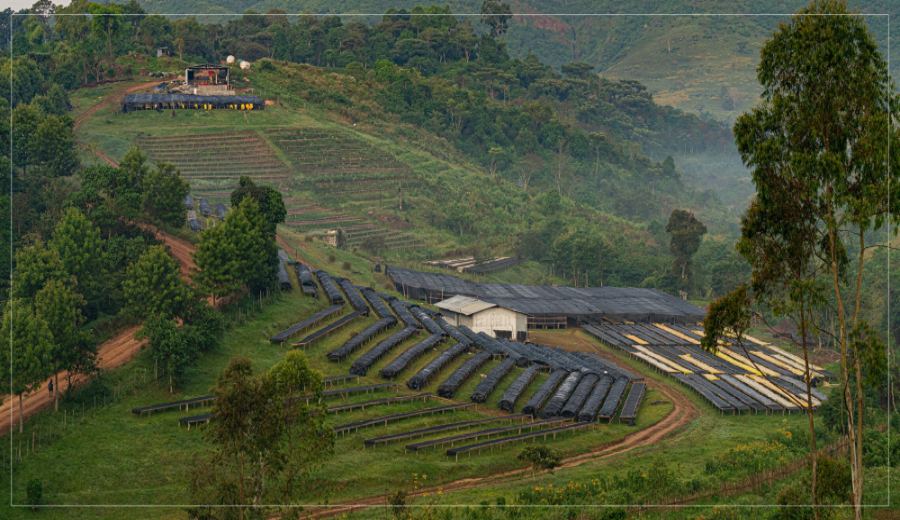
Introduction:Bench Maji, a hidden producing region located on Ethiopia’s southwestern border, is a significant birthplace of the Geisha variety and home to the renowned Gesha Village Estate. This article will take you on a journey to explore this coffee sanctuary rich in pristine forests, delving into the historical origins of Geisha, the natural environment and farming practices of Bench Maji, as well as the grading characteristics and practical pour over parameters of various single-origin lots from Gesha Village Estate.
Among many discussions about Ethiopian coffee, Yirgacheffe, Sidamo, and Guji often take center stage, but Bench Maji (Bench Maji) on the southwestern border remains like a hidden gem waiting to be discovered. This area is not only densely covered with wild forests but also gave birth to the globally beloved Geisha variety, with the famous Gesha Village Estate located right here. This article will provide an in-depth introduction to the geographical conditions of Bench Maji, the ecology of coffee cultivation, and the century-long journey of Geisha from its native forests to the international stage, while also analyzing in detail the characteristics and recommended brewing methods of different grade beans from Gesha Village.
Ethiopia is a major coffee-producing country in northeastern Africa, sharing borders with multiple nations, with most of its territory consisting of highland terrain—approximately two-thirds of the country lies on the Ethiopian Plateau, with an average elevation of nearly 3,000 meters. The East African Rift Valley runs through the country, contributing to a diverse climate that includes highland mountainous regions, tropical savannas, and parts of desert climate. The year is generally divided into dry and rainy seasons, with an annual rainfall of about 1,237 millimeters, and numerous rivers and lakes that create an exceptionally suitable environment for coffee cultivation.
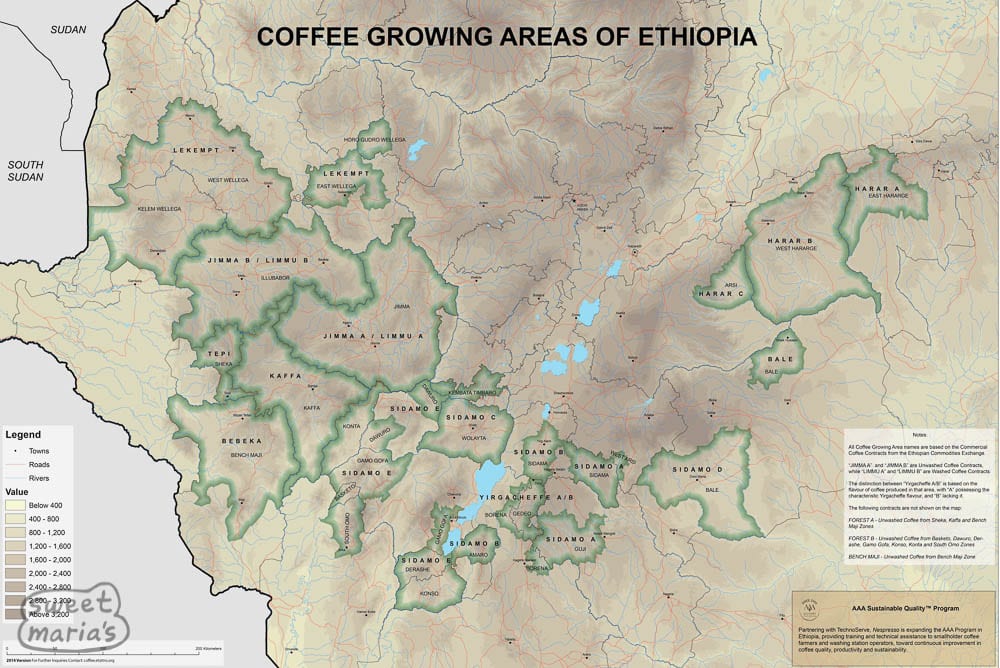
The country’s coffee-growing regions can be broadly divided into three major zones: eastern, southern, and western. The eastern zone is represented by Harrar, with most of its coffee exported to the Middle East; the southern zone is the stronghold of specialty coffee, including Yirgacheffe, Sidamo, and Guji; while the western zone encompasses regions such as Jimma, Limu, as well as Kaffa and Bench Maji, which are characterized by forest-grown coffee. Bench Maji is located in the Southwest State of Ethiopia, administratively part of the Southwest Ethiopia Region, bordering South Sudan. It is the primary settlement area of the Bench people, an ethnic group known for their expertise in farming, particularly traditional crops like teff.
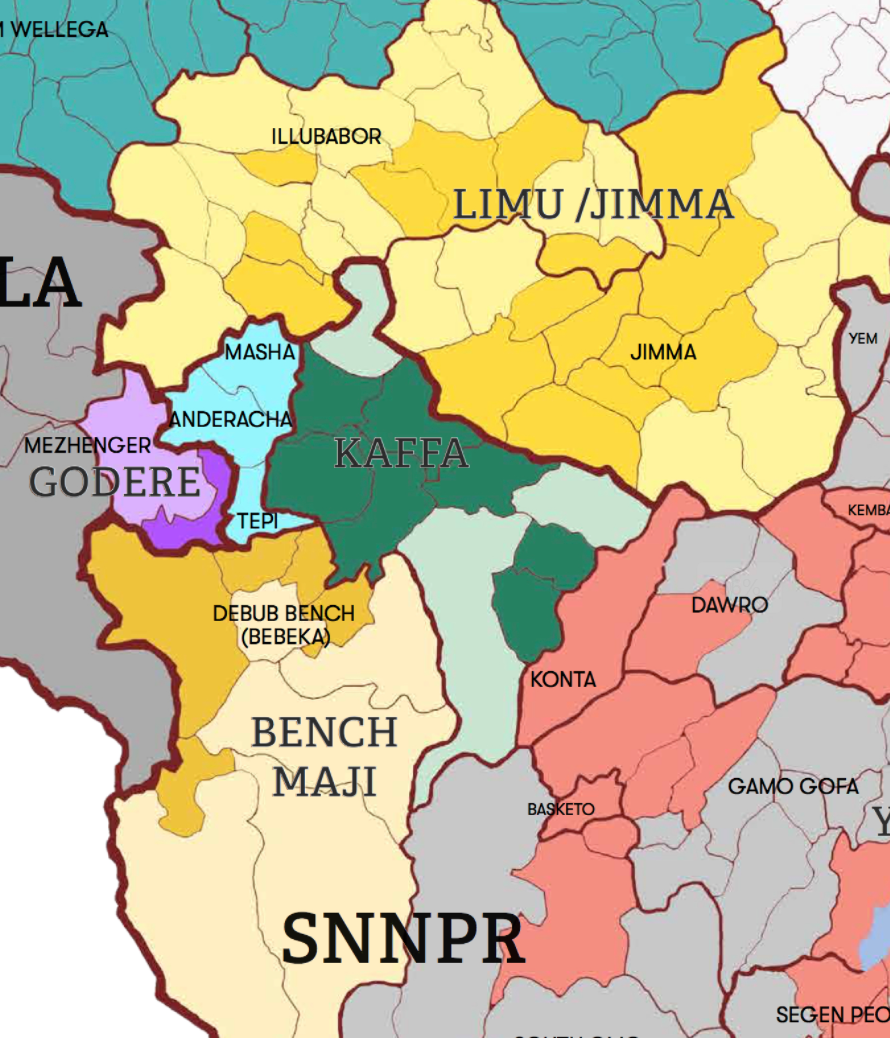
Bench Maji is also known as Bebeka, with its capital Bebeka just a few kilometers from South Sudan. This is the location of Gesha Village Estate, where the famous Geisha variety planted on the estate was first discovered in the wild forests of Bench Maji. Compared to the specialty coffee hotspots in the central and southern regions, Bench Maji is known for its pristine forest coverage, previously serving mainly as a biodiversity conservation area, with a relatively short history of coffee cultivation. However, as the fame of Gesha Village has grown, the area has gradually developed into an emerging high-quality coffee origin.
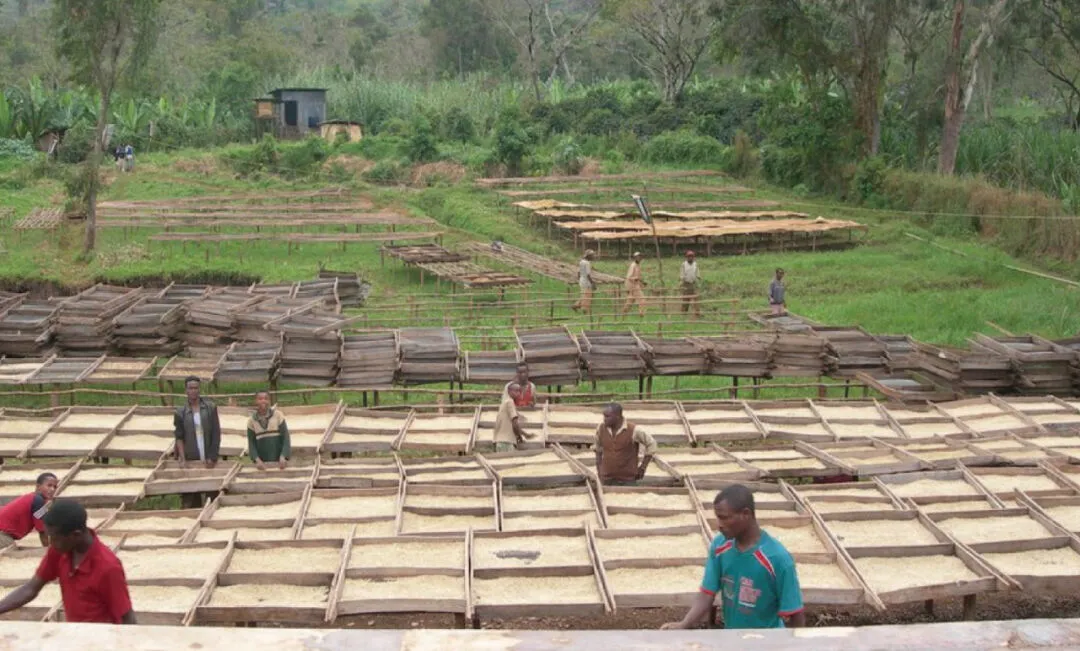
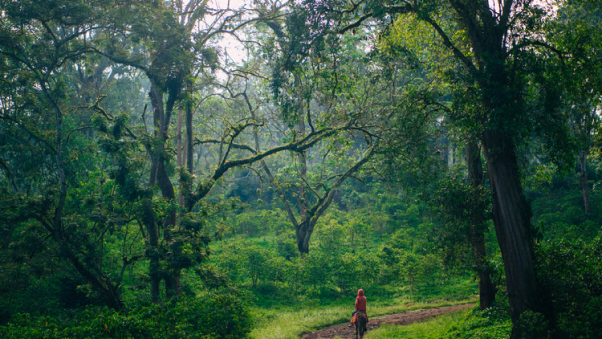
Coffee cultivation in Bench Maji is predominantly led by local smallholder farmers who prioritize natural ecology and adopt a semi-forest planting model, intercropping coffee trees with other tall trees. This method utilizes natural shading and nutrients from forest soil, reducing human intervention and pesticide use. Such practices not only help maintain ecological balance but also produce coffee beans with unique regional flavor profiles. Additionally, the region is home to the Bench Maji Coffee Farmers' Cooperative Union, composed of 65 cooperatives serving over 130,000 smallholder farmers, and is a key organization driving the local coffee industry.
To discuss the origins of Geisha, we must go back to the 1930s. Although Ethiopia was not colonized at the time, surrounding areas were heavily influenced by British interests. In search of coffee varieties with commercial potential, British colonial authorities sent officer Richard Whalle deep into the Kaffa forests, bringing back various wild coffee seeds. Among them, coffee from a forest called Gesha stood out for its unique flavor. These seeds were later sent to research stations in Kenya and Tanzania for cultivation, but in the reports, “Gesha” was misspelled as “Geisha,” and the name has stuck ever since.
Historical documents record that these coffee seeds were collected in three separate batches, specifically in 1931 and twice in 1936. Some seeds were sent to Kitale, Kenya for trial planting, while others were selected as elite strains, such as Geisha 1, 9, 11, 123, etc., and sent to the Lyamungu Research Station in Tanzania. That station further screened strains numbered VC496 to VC500, which were eventually introduced to Costa Rica’s CATIE research center in 1953, then made their way to Panama in the 1960s. After decades, they finally shined brightly in the Best of Panama (BOP) competition.
The birth of Gesha Village Estate was inspired by documentary filmmaker Adam Overton and his wife Rachel Samuel. The couple first encountered the native forests of Geisha while filming a coffee documentary for the Ethiopian government in 2007, which deeply inspired them. In 2011, they traveled to Bench Maji, hoping to grow their own Geisha coffee in the birthplace of the variety. With the help of coffee expert Willem Boot, they discovered native Geisha trees in the Gori Gesha forest and brought the seeds back to Bench Maji for planting, gradually establishing the nearly 500-hectare Gesha Village Estate.
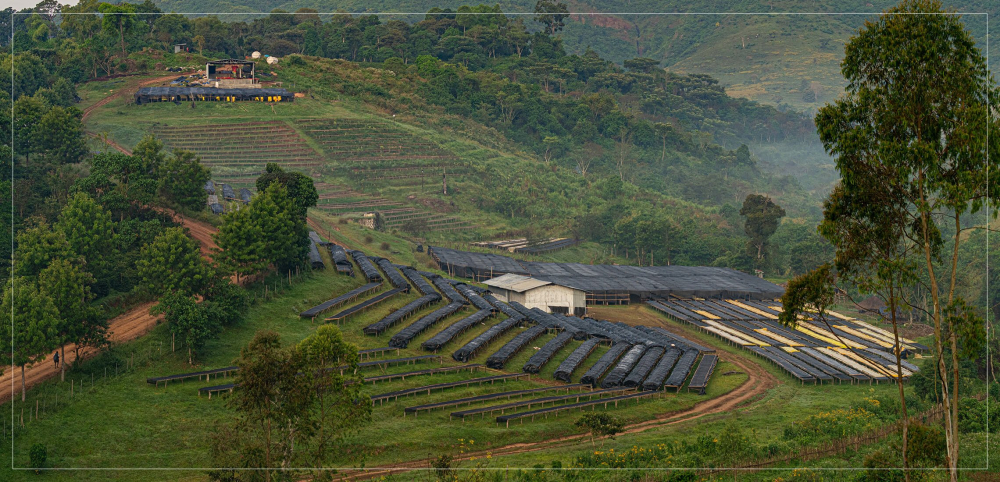
Gesha Village Estate is one of the few large-scale coffee farms in Ethiopia. The estate features a professional washed processing facility and laboratory, and follows the management model of renowned Panamanian estates by meticulously numbering and documenting each plot to track flavor performance under varying microclimates. Within the estate, multiple planting zones are delineated based on differences in altitude, soil, and shade conditions, including OMA, SURMA, SHEWA-JIBABU, etc. Each block plants different varieties to ensure flavor diversity.
The estate currently offers several graded coffees, including auction lots, Gold Label, Red Label, Green Label, and CHAKA. Among them, the auction lots are top-tier products available only through auctions; the Gold Label (Rarities) is the flagship grade of the estate, accounting for about 10% of total production. Each batch comes with plot information and is named in English as “Rarities,” meaning rare treasures. The Gold Label Geisha introduced is sourced from the Oma plot, at an altitude of 1,900–2,040 meters, of the Geisha 1931 variety, processed using the natural method, and exhibits flavors of citrus, berries, cream, caramel, melon, and honey.

The Red Label Geisha (Growers Reserve) accounts for about 15% of total production, with cupping scores reaching SCA 88 or above and full traceability. Its representative variety is Gori Gesha, originating from the Gori forest, related but not identical to Panama’s T2722, with flavors more aligned to the characteristics of native Ethiopian varieties. The Red Label Geisha is typically processed using the natural method, especially during the dry season from December to March when drying conditions are optimal, helping to highlight clean, bright acidity and natural sweetness. This Red Label Geisha is sourced from the Shewa-Jibabu plot, at an altitude of 1,973–2,069 meters, and presents flavors of lemon, plum, citrus, tropical fruits, and floral-tea aromas, making it ideal for coffee lovers who enjoy bright and vibrant acidity.
Brewing Equipment:V60
Water Temperature:91-92℃
Coffee Dose:15 grams
Coffee-to-Water Ratio:1:15
Grind Size:Granulated sugar size (about 80% passing through a #20 sieve)
Steps:
1. Place 15 grams of coffee grounds into the filter, gently shake to level, and start timing.
2. The first stage: pour 30 grams of water for blooming, for 30 seconds. Focus the water flow at the center and then spiral outward to ensure even saturation of the coffee bed.
3. The second stage: pour 120 grams of water, reaching a total of 150 grams, in about 55 seconds. The water flow can be slightly stronger while maintaining vertical stability.
4. The final stage: when the liquid level drops to half, pour 90 grams of water, for a total of 240 grams. Reduce the water flow and control the spiral motion to avoid over-dispersion of the coffee bed. The total drip time is about 2 minutes and 10 seconds.
By understanding the geographical environment of Bench Maji, the historical roots of Geisha, and the refined grading and processing techniques of Gesha Village Estate, coffee enthusiasts can not only better appreciate the unique charm of this legendary coffee variety, but also adjust brewing parameters at home according to the characteristics of different grades to explore more layers of flavor.
The above content is compiled by CoffeeHunters, a coffee news website.


