








Introduction:Kenya AA coffee is renowned for its intense berry-like acidity and clean, bright flavor profile. Its distinctive K72 washed processing method and medium-light roast create a highly recognizable flavor profile. This article delves into the processing details and regional grading system of classic Kenya AA-grade beans like Kenya Little Tomato, offering practical pour over brewing suggestions—including a 1:15 coffee-to-water ratio, 91°C water temperature, and pulse pouring techniques—to help you fully highlight its dark plum, cherry tomato, and berry sweetness.
Kenya AA has long been an iconic grade in the specialty coffee market, widely loved for its bright berry acidity, juice-like mouthfeel, and overall clean cup. Premium AA-grade beans such as a certain brand’s Kenya Little Tomato not only offer complex flavor layers but also showcase blackberry-like acidity and a solid sweetness that leaves a lasting impression. These characteristics stem not only from specific varieties like SL28 and SL34 but also from Kenya’s unique processing methods.
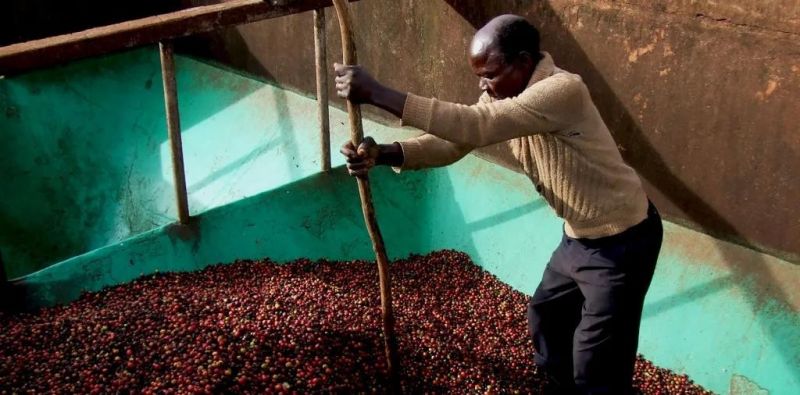
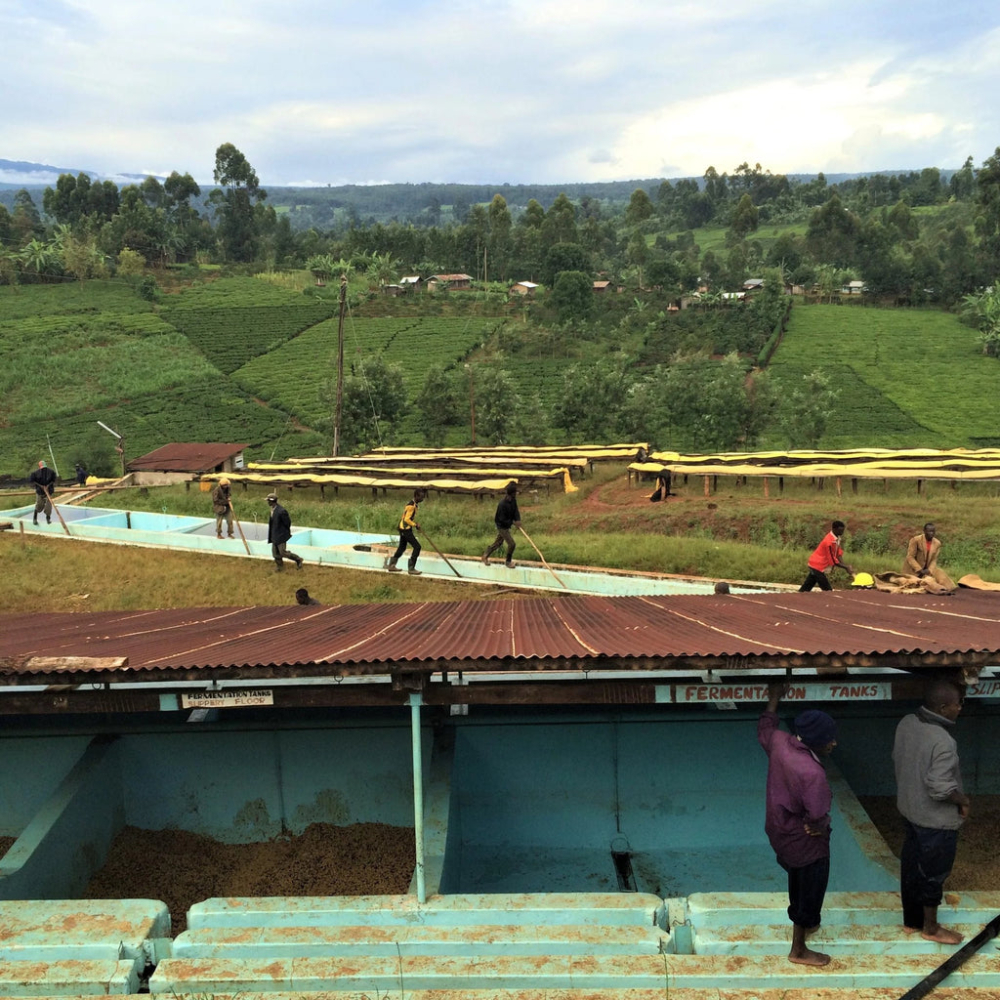
To truly understand the origins of Kenya AA’s flavors, one must first explore the region’s soil and processing techniques. The coffee-growing regions of Kenya have phosphorus-rich soils, which help the coffee cherries develop more dimensional acidity. Additionally, the area’s signature K72 washed process is key to shaping the coffee’s pronounced acidity and clear flavor profile. Unlike standard washed methods, this process involves three 24-hour fermentation stages, totaling 72 hours, with fresh water added after each stage to sustain and deepen the development of acidity.
While conventional washed fermentation typically lasts no more than 36 hours, Kenya’s K72 method extends this to triple the time, allowing the beans to accumulate richer organic acids—resulting in their characteristic bright acidity and robust mouthfeel. Notably, these 72 hours aren’t a single prolonged soak but divided into three stages, with water refreshed between each to maintain fermentation stability and minimize off-flavors.
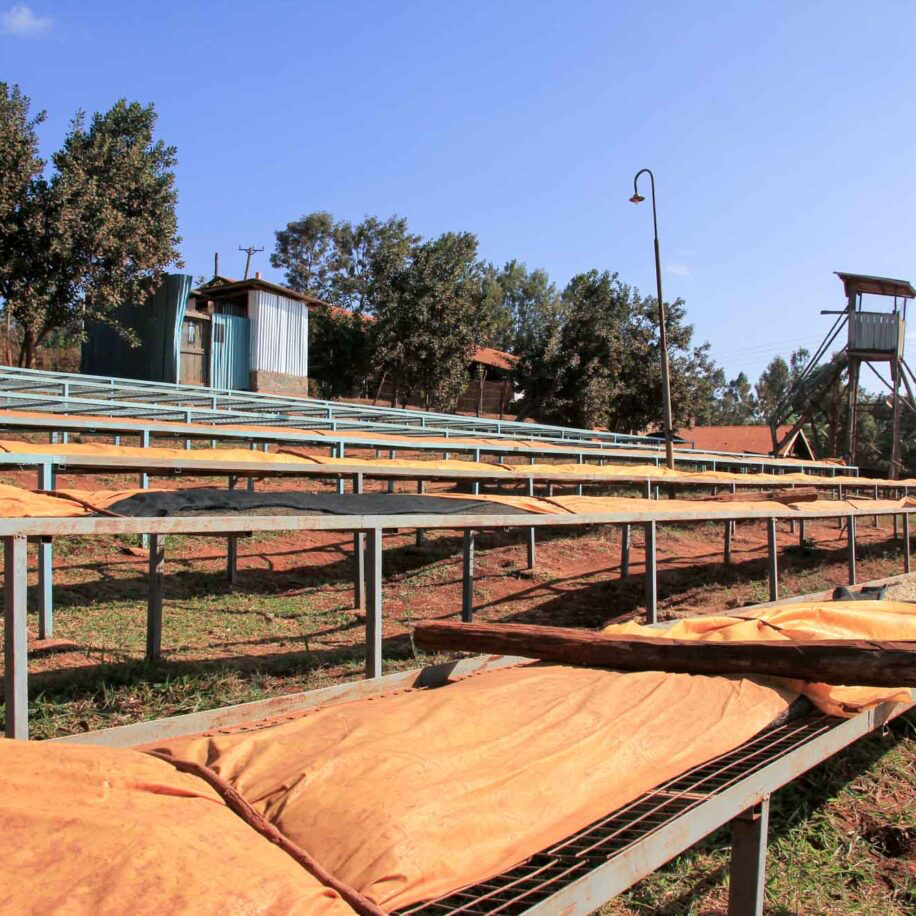
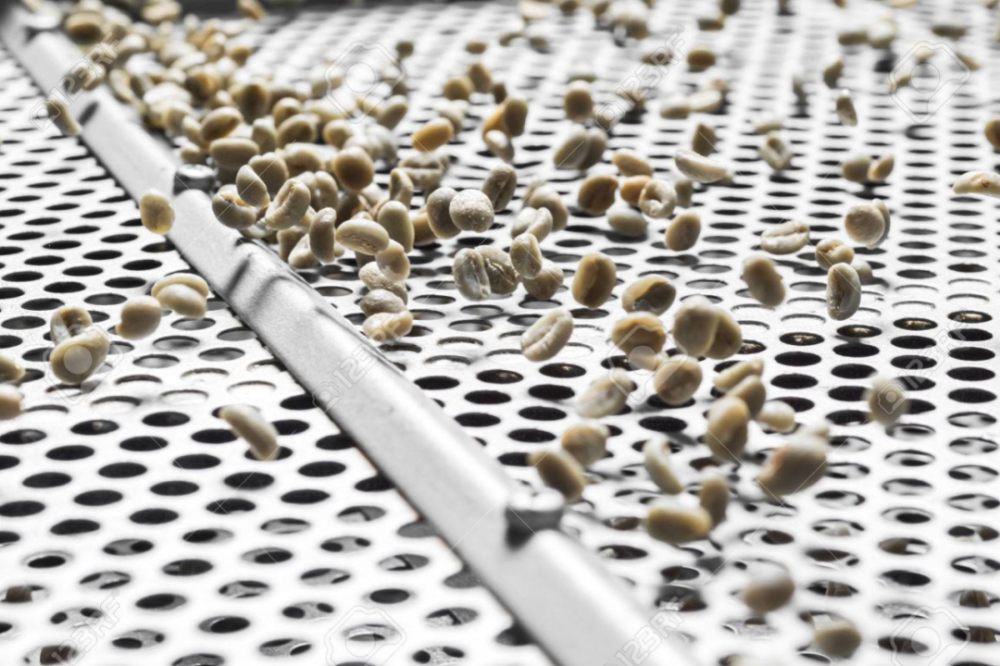
The drying process after processing is equally meticulous. Kenyan farmers avoid spreading coffee beans directly on the ground, which can introduce impurities and unwanted odors. Instead, they use what’s called “Kenya steel beds”—elevated, specially designed steel trays with evenly distributed holes. These prevent the beans from touching dirt and ensure even airflow during drying, guaranteeing a stable and consistent drying process for the entire batch, thereby enhancing the purity and uniformity of the final cup.
In Kenya’s coffee grading system, AA is one of the highest grades, typically referring to beans screened to 17–18 mesh size. These beans not only have intact appearance but also generally achieve higher cupping scores. Within the AA category, there’s a further distinction: AA Plus (AA+), representing batches with exceptionally outstanding flavor and mouthfeel. AB-grade beans, with a 15–16 mesh size, are slightly smaller but remain a mainstream product. Other grades, such as C, TT, T, E (elephant ear beans), and PB (peaberry), are further classified by size or shape. However, for most consumers, AA and AB grades already represent the high-quality flavor standard of Kenyan coffee.
Beyond physical size grading, some exporters also establish unofficial but common flavor grades—such as TOP, PLUS (+), and FAQ—based on cupping results to further differentiate performance among beans of the same grade. For example, a certain brand’s Kenya Assaliya, once listed, was a TOP-grade bean, indicating exceptional flavor potential revealed during cupping. However, these grades serve as supplementary references; generally, beans at the AA or AB level already deliver commendable flavor, without needing to overly focus on grade labels.
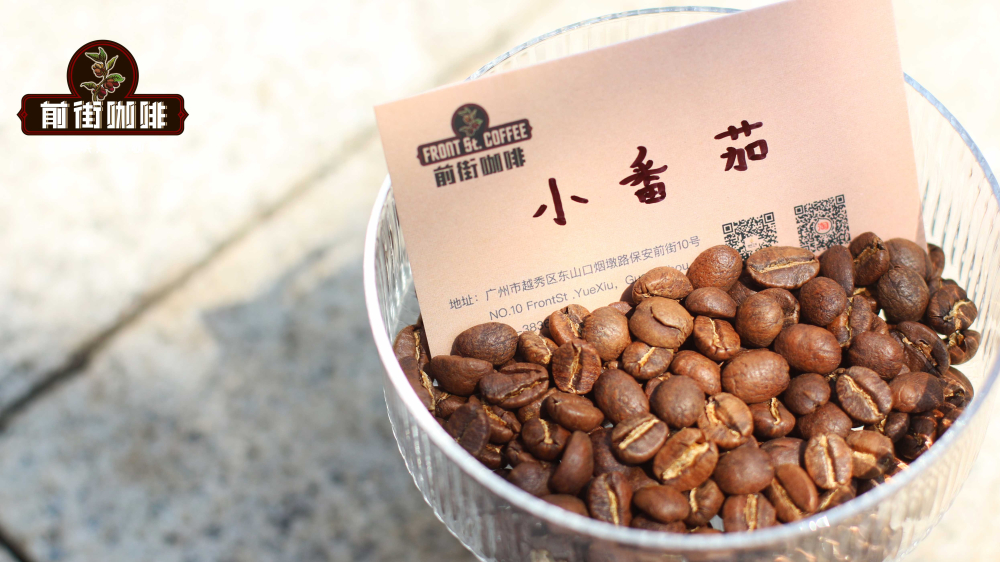
Take a certain brand’s Kenya Little Tomato from the Thika region as an example. This AA-grade coffee bean uses the SL28 and SL34 varieties and undergoes a medium-light roast to highlight its fruity acidity and berry-like juiciness. A medium-light roast preserves more of the inherent flavors and delicate acidity, making it ideal for showcasing its complexity through pour over brewing. If you’re new to Kenya beans, starting with a medium-light roast is recommended to better appreciate its unique berry tones and clean acidity.
For this type of medium-light roasted Kenya AA coffee bean, it’s advised to use a 1:15 coffee-to-water ratio for pour over—15 grams of coffee to 225 milliliters of water—with water temperature around 91°C, and a fast-flow V60 filter cone to help balance acidity and flavor clarity. Grind size is recommended to be similar to granulated sugar, or set your grinder (like an EK43s) to 10 on the scale (approximately 80% extraction through a #20 sieve).
Here’s the specific pour over procedure: First, pour 30 grams of water for a 30-second bloom to activate the coffee’s aroma. Then, add 95 grams of water (scale reading approximately 125 grams total) within about 1 minute. When the water level drops to about two-thirds of the coffee bed, pour the remaining 100 grams (totaling roughly 225 grams). This stage should take around 1 minute and 40 seconds. The total brew time should be around 2 minutes. Maintain steady water flow and even pouring to fully draw out the Kenya beans’ dark plum, cherry tomato, and berry sweetness while avoiding over-extraction that could lead to sharp acidity.
In the finished cup, you’ll distinctly taste the tartness of dark plum and cherry tomato, with a solid and layered acidity. The mid-palate gradually reveals sweetness with noticeable juiciness, while the finish lingers with berry aroma, accompanied by green tea-like freshness and brown sugar sweetness. The overall profile is clean, vibrant, and lively—perfect for coffee lovers who enjoy bright acidity and fruity notes.
The above content is compiled by CoffeeHunters, a coffee news website.


