







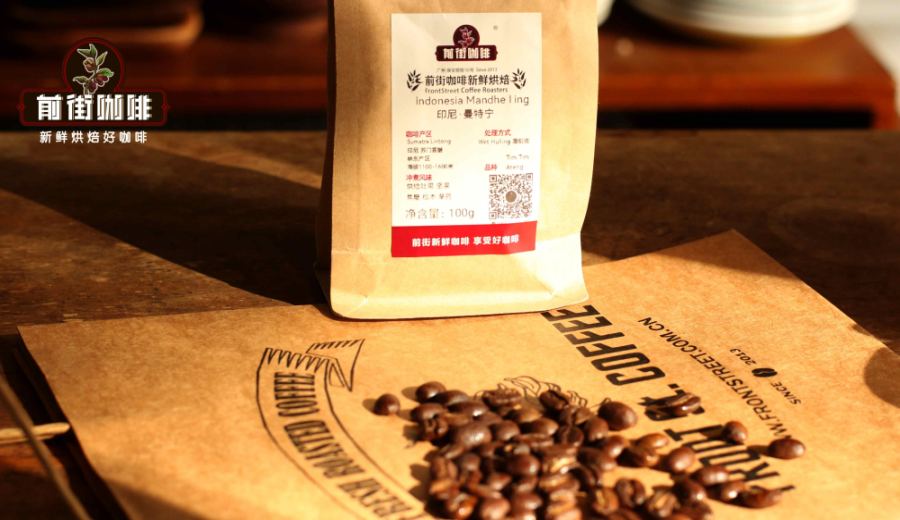
Introduction:Indonesian Sumatra Mandheling is renowned for its unique spicy, herbal, and piney aromas, paired with a rich and bold flavor profile, making it a favorite among coffee enthusiasts. What kind of geographical environment and processing methods create such distinctive flavors? This article delves into the differences among Sumatra’s main producing regions, helping you understand the reasons behind Mandheling’s bold taste. We also recommend two high-value-for-money G1 Mandheling beans, covering everything from flavor profiles and body to brewing methods, to help you choose the coffee beans that suit you best.
Mandheling coffee from Sumatra Island is celebrated for its distinctive spicy, herbal, and piney notes, along with a rich and full-bodied taste, often hailed as the “gentleman” of the coffee world. These highly characterful beans mainly come from the areas around Lake Toba and Lake Tawar in North Sumatra, Indonesia. The region’s exceptional terroir and traditional wet-hulling processing method together shape its unforgettable flavor profile. If you’re curious about the classic characteristics of Mandheling, this guide will take you deeper into its regional features, processing techniques, and how to choose the right beans for you.
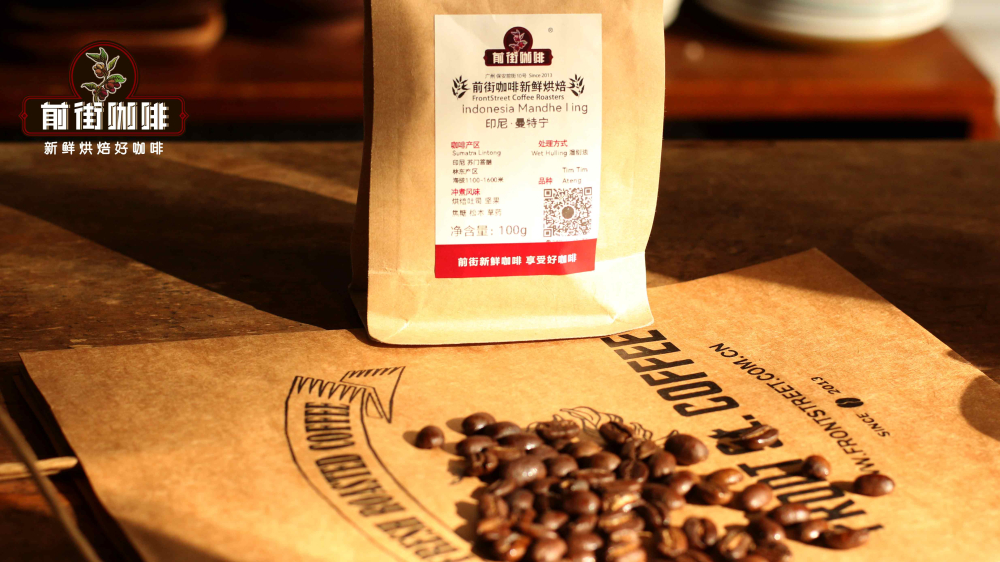
Indonesia is the world’s largest producer of Robusta beans, with Arabica varieties accounting for less than one-tenth of its production. Among them, Sumatra Mandheling is one of the most representative Arabica varieties and is often referred to simply as “Sumatra coffee.” The main producing areas of Mandheling are concentrated in the Lin Tong region of North Sumatra, surrounding Indonesia’s largest volcanic lake — Lake Toba — and in the northern part of the island near Aceh, close to the shores of Lake Tawar.
The Lin Tong producing area is located near Lake Toba, at an altitude of approximately 1,000 to 1,500 meters. Situated in a volcanic zone, the area is covered with mineral-rich volcanic ash soil, providing abundant nutrients for coffee tree growth. The region has a tropical rainforest climate with plentiful rainfall, allowing coffee trees to grow naturally and healthily even with minimal human irrigation or fertilization, resulting in Mandheling coffee’s full and complex foundational flavors.
In contrast, the Tawar Lake area in Aceh, while also featuring high-altitude cultivation (around 750 to 1,500 meters), has seen slower development in its coffee industry due to historical political factors. This has helped preserve much of the region’s original forests and old coffee tree varieties. Local farmers often practice organic farming and shaded cultivation, giving the Mandheling produced here not only its classic bold characteristics but also a hint of mysterious natural flavors, such as herbal and forest notes, with a deeper and more nuanced taste profile.
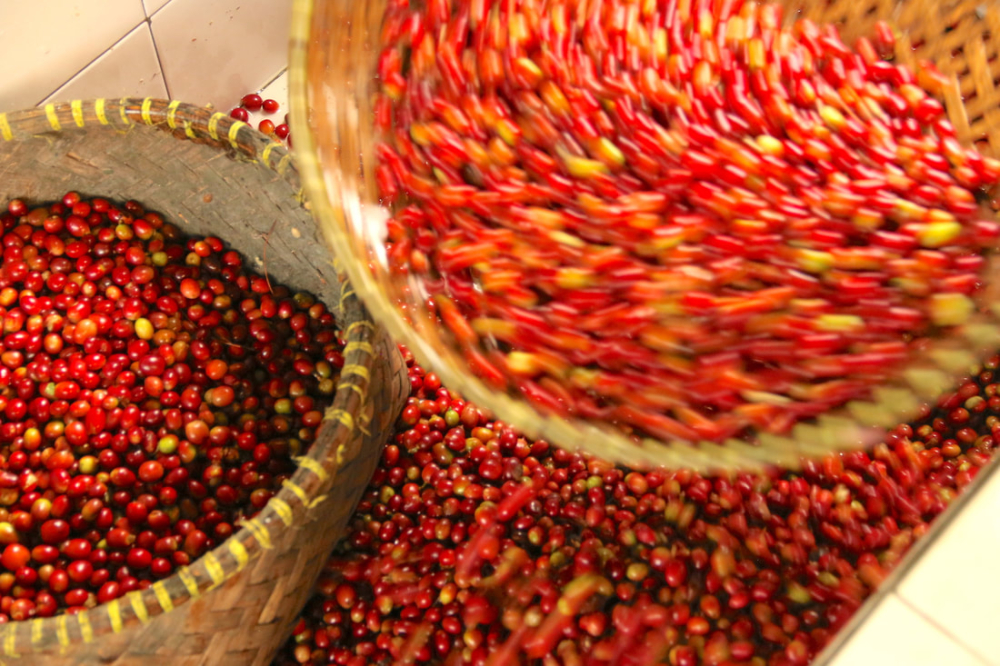
If you want to experience this unique Sumatran flavor, choosing a fresh and consistently high-quality Mandheling coffee bean is essential. Among the many brands and origin options, Indonesian G1-grade Mandheling stands out as the top choice for many beginner and intermediate coffee drinkers due to its balanced flavor performance and value for money.
Among Sumatra Mandheling coffees, beans from the Lin Tong producing area can be considered the classic among classics. Often categorized as entry-level Mandheling, these beans are known for their pronounced herbal and woody aromas, along with caramel and chocolate notes. Using the traditional wet-hulling process, the coffee beans have their outer parchment layer removed before they are fully dry, making them more prone to oxidation during fermentation and thus developing bold and wild aromatic traits. These beans are typically dark roasted to highlight their rich and full-bodied taste, making them ideal for those who prefer bold flavors. They perform steadily whether brewed using pour over, French press, moka pot, or even espresso machines, making them a great starting point for exploring the world of Mandheling.
If you’re aiming for a higher-quality Mandheling, consider the Golden Mandheling from the renowned green coffee supplier PWN. This G1-grade bean,被誉为 “the elite of the elite,” undergoes three rounds of manual sorting and one mechanical grading process to strictly eliminate defective beans, ensuring uniform bean size and high integrity. Compared to regular Mandheling, PWN Golden Mandheling retains the classic spicy and piney base flavors while effectively reducing overly strong herbal or earthy notes. Instead, it highlights the sweet aromas of dark chocolate, caramel, and nuts, achieving an exceptionally high level of body and excellent cleanliness. Though positioned as a premium product, its price remains relatively accessible, making it a tasteful choice whether as a daily brew or a thoughtful gift.
In summary, the charm of Sumatra Mandheling lies not only in its exceptional geographical environment and traditional processing methods, but also in its ability to present multi-layered flavor variations. Whether you’re a beginner just starting out or a coffee lover seeking a high-quality daily brew, you’ll find your own cup of Sumatran flavor — from the classic richness of Lin Tong to the delicate sweetness of PWN Golden Mandheling.
The above content is compiled by CoffeeHunters, a coffee news website.


