







Introduction:Cold brew coffee, with its refreshing taste and low acidity, has become a top choice for coffee lovers in the summer. However, many find it hard to purchase. In fact, as long as you master the key coffee-to-water ratio, appropriate grind size, and suitable steeping time, you can easily make it at home. This article will delve into the differences between cold brew and cold drip, explain the advantages of low-temperature extraction, recommend suitable flavor profiles of coffee beans, and provide practical guidelines on ratios and steps to help you brew clean and layered cold brew coffee at home.
Cold brew coffee, also known as ice-brewed coffee, is one of the most popular beverages in summer cafés in recent years. However, due to limited availability, it’s often hard to get a cup. If you want to enjoy this refreshing and layered coffee anytime, making it at home is a simple and cost-effective option. The key lies in accurately masteringthe coffee-to-water ratio,grind size, andsteeping time—these three essential elements.
Unlike the common cold drip coffee, cold brew is not extracted through dripping but by mixing coffee grounds with cold water and then letting it steep in the refrigerator for up to 8 to 12 hours. This low-temperature slow extraction method effectively suppresses the release of excessive bitter substances while preserving the fruity acidity, floral, and fruit aromas in the coffee, resulting in a smoother, cleaner taste that’s easy on the palate.
Compared to hot water extraction, high temperatures can quickly release soluble substances from coffee but may also extract harsh phenolic compounds or too much tannin, leading to a bitter or astringent taste. In a low-temperature environment, water molecules move more slowly, making it harder for those heavy molecular compounds that cause irritation to be released. Instead, this helps improve the extraction efficiency of flavor compounds, especially the expression of fruit acidity and sweetness. Therefore, cold brew can better showcase the delicate and distinctive flavor characteristics of a coffee bean.
Based on these traits, it is recommended to choosecoffee beans with bright acidity and clear flavor profilesfor cold brewing, as this highlights their refreshing qualities. Additionally, since the entire extraction process takes a long time, it is advisable to usefreshly roastedcoffee beans to achieve the best aroma and flavor. Freshly roasted beans are not only more vibrant but also offer richer flavor layers.
For actual preparation, all you need is a clean, oil-free, and sealable container. You can also use filter paper, tea bags, fine mesh filters, or cotton filter bags to strain out the coffee grounds. During the process, mix the coffee grounds and cold water evenly. It is recommended to use30 grams of coffee grounds with about 400 milliliters of water, which is roughly a1:13 coffee-to-water ratio. Let it refrigerate and steep for 8 to 12 hours, then filter out the grounds before enjoying.
As for grind size, cold brew coffee should not be ground too finely. It is recommended to have a coarseness similar togranulated white sugar, approximately equivalent to a 70% to 75% filtration rate through a Chinese Standard No. 20 sieve. If ground too finely, the coffee particles may clump together in cold water, preventing some inner parts of the clumps from fully contacting the water, which can affect the overall extraction uniformity and the integrity of the flavors.
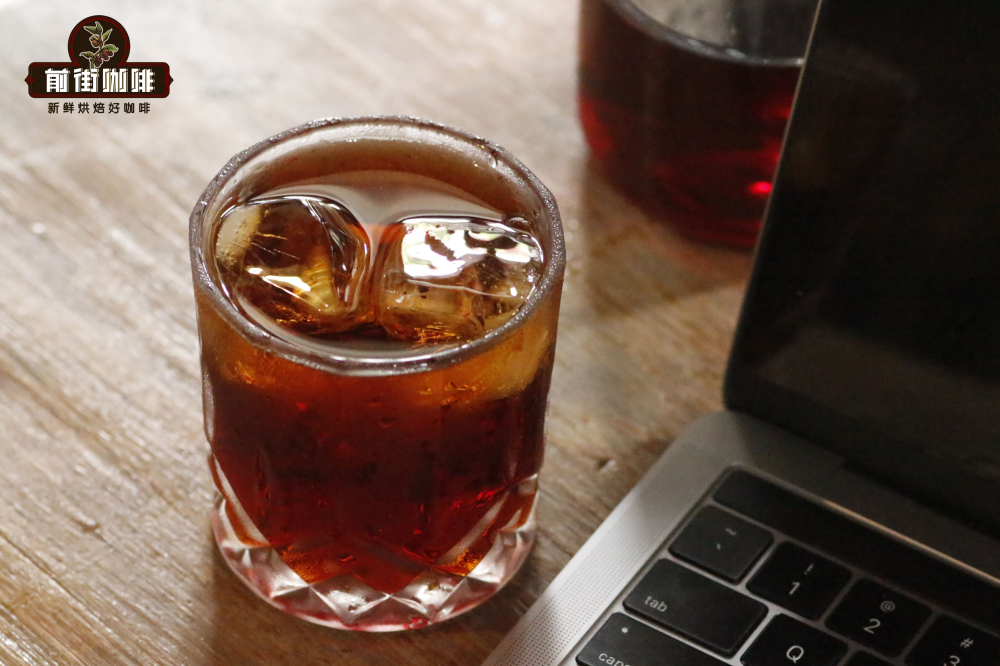
In summary, although cold brew coffee requires a longer wait time, its preparation process is relatively simple, and the final product often features a fresher, lower-acid, and more layered flavor profile, making it perfect for hot weather. However, because the caffeine release time is longer during cold brewing, the overall caffeine content may be relatively higher. It is advised to drink in moderation to avoid consuming too much at once, especially on an empty stomach or in the evening.
If you’re looking for suitable flavor directions for cold brew coffee beans, you can choose based on your personal taste preferences: if you prefer fruity aromas and bright acidity, opt for beans with berry, red floral, or fruit fermentation characteristics; if you enjoy rich sweetness and full-bodied texture, try coffee with caramel, cream, or syrup flavors; if you want to explore unique personalized flavors with special wine-like notes or creamy smoothness, you might also choose beans processed with special methods to deliver a distinct cold brew experience.
As long as you master the correct extraction parameters and details, cold brew coffee can become a convenient and delicious treat from your fridge, allowing you to effortlessly enjoy a summer coffee moment.
The above content is compiled by CoffeeHunters, a coffee news website.


