







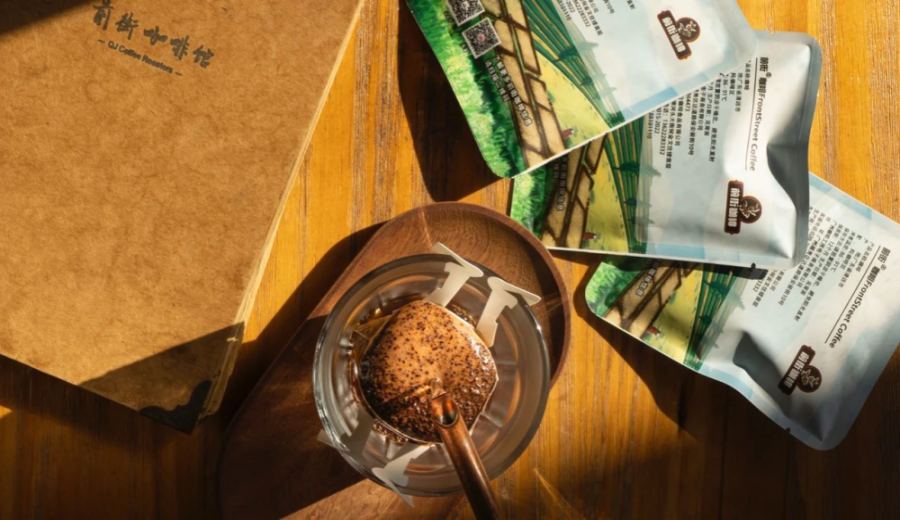
Introduction:For beginners who are just getting into coffee, choosing a suitable drip bag that matches your taste preferences is a great way to enjoy the flavor of pour over coffee without compromising on convenience. This article will guide you on how to select the right drip coffee based on roast level and flavor descriptions, starting with your flavor preferences. Taking sun-dried G1 Huagu as an example, it will detail every step of the process—from tearing open the pouch, blooming, pouring water, to making a latte—while also explaining why drip bags are generally recommended for only a single brew.
Many people who are new to coffee often wonder: Is it healthy to drink drip coffee every day? Or, as a coffee beginner, how do you choose your first black coffee drip bag? This article will take you from the basics to a deeper understanding, showing you how to pick the right drip coffee according to your own taste, analyzing the roast characteristics behind flavor descriptions, and explaining the brewing limitations and practical tips of drip coffee. Finally, using a highly praised sun-dried G1 Huagu drip bag as an example, it provides a step-by-step tutorial—from opening the package, blooming, pouring, to making a latte—even busy office workers can easily brew a delicious cup of coffee.
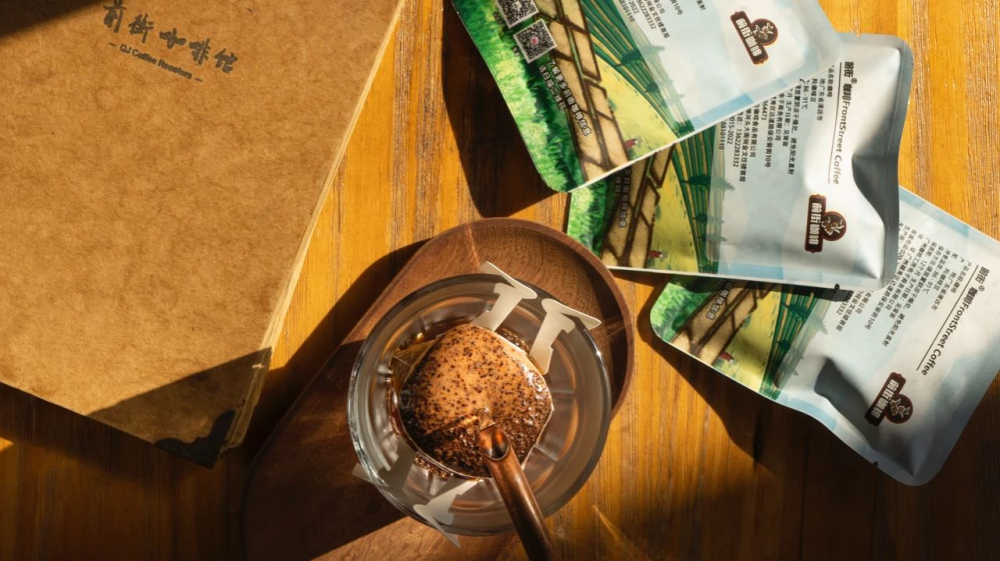
First, when it comes to "how beginners should choose a drip coffee bag," the key actually lies in individual taste preferences. If you can tolerate slight acidity, you might want to try options with pronounced floral, citrus, and berry notes—such as beans from Africa or Central America. These flavors often present as bright and fresh, with lively acidity and a clean, refreshing mouthfeel, making them ideal for morning pick-me-ups or for those who prefer a bright-tasting cup.
If you prefer a richer, fuller-bodied, and lower-acidity taste, it’s recommended to go for coffee with a slightly darker roast that offers nutty, chocolatey, or creamy notes. Such beans are commonly found in regions like Brazil, Indonesia, or Colombia. They’re smooth and mellow, suiting users who enjoy a more grounded flavor profile.
Additionally, if you’re looking to explore more distinctive and layered options, keep an eye out for beans with complex fruit aromas and unique flavor characteristics—such as those blending pineapple, raisin, orange, or honey notes. These options are great for those who dislike purely bitter or sharp acidic profiles and instead seek complexity and fun in their coffee.
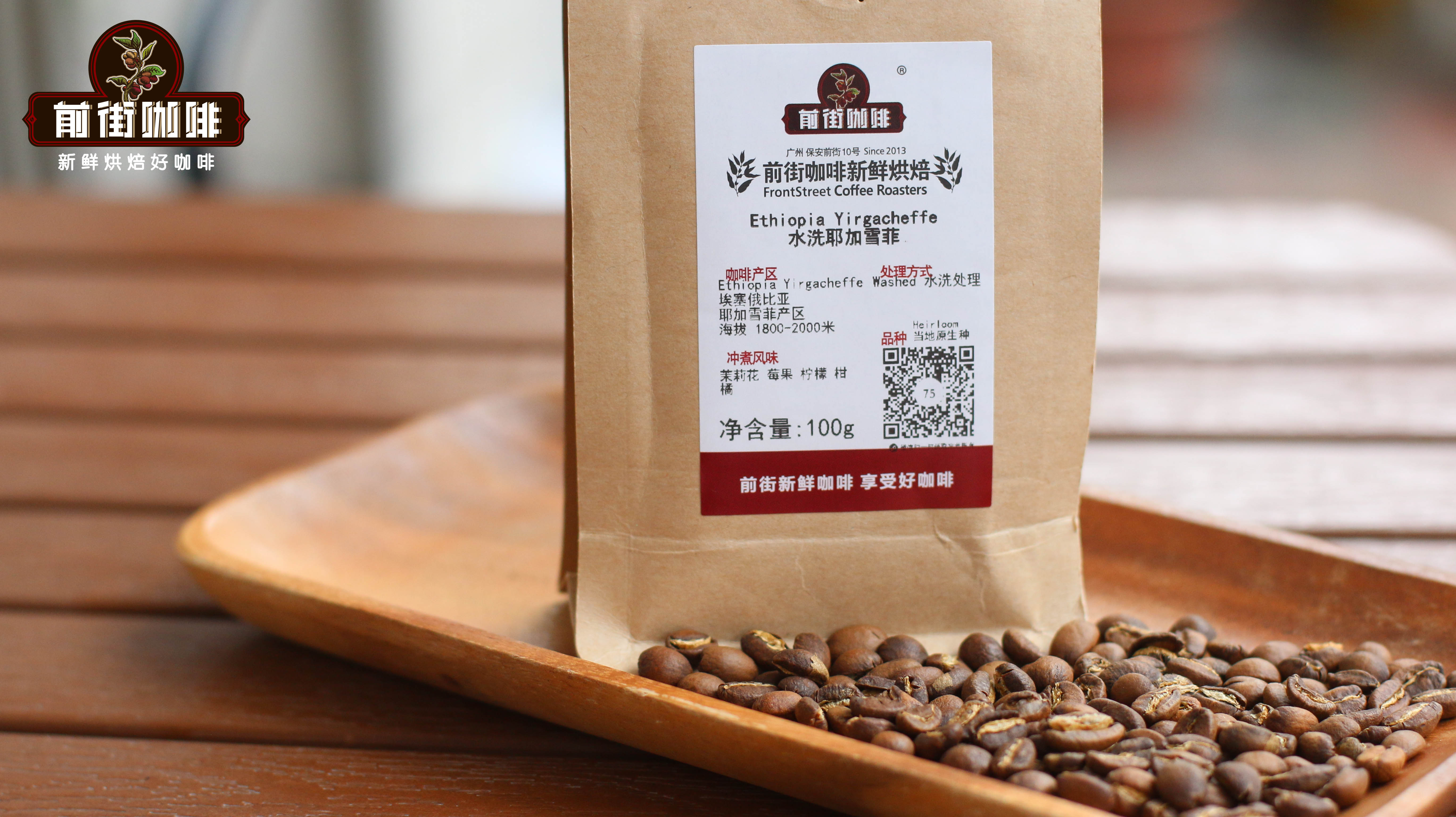
Judging roast level from flavor descriptions is also a useful tip. Generally speaking, if the flavor notes include prominent citrus, berries, or floral terms that suggest bright fruity acidity, the coffee is usually medium-light roasted—common among beans from Ethiopia, Kenya, or Panama Geisha. If the flavors lean toward nuts, caramel, or grains, it’s typically a medium roast, such as the stable-flavor beans from Colombia or Costa Rica. When the description includes cocoa, dark chocolate, low acidity, and a full body, it’s usually a medium-dark roast—like Brazilian, Sumatran, or Blue Mountain series—suitable for those who prefer a stronger flavor.
The advantage of drip coffee bags lies in their convenience—you don’t need to buy extra equipment, just hot water is enough to brew a cup. It’s a great choice for modern people with busy lives. Its design is like a simplified version of pour over: pre-ground coffee is placed in a filter-paper pouch with built-in holders. You simply tear open the pack, pour hot water, bloom, and control the water flow to enjoy a cup with pour over-like flavor. However, because it uses pre-ground coffee, compared to freshly ground beans, its freshness and flavor layers may inevitably be slightly reduced.
So, how many times can you brew a drip coffee bag? The answer is: it’s recommended to brew only once. The reason is that the flavor substances in coffee beans that can be extracted only account for about 30% of the total weight. Once these substances have been fully dissolved by water, adding more water won’t enhance the coffee flavor—in fact, it may make the taste overly weak. Therefore, whether it’s a drip bag or traditional pour over, single brewing is recommended to achieve optimal extraction efficiency and flavor expression.
Some users might think that repeated pouring can “extract more coffee,” but in reality, this only dilutes the already released flavors, resulting in a thin, watery mouthfeel and lack of layering in the later stages—much like how tea tastes weaker after being steeped too many times.
Taking the popular sun-dried G1 Huagu drip bag as an example, this product has been widely praised since its launch. Its original bean is sun-dried Ethiopian Huagu G1, boasting rich berry and citrus aromas, along with fermented wine notes and honey-like sweetness. The new-season version also adds tropical fruit tones like mango, offering even more complex layers of flavor. It’s perfect for users who love intense fruity aromas and sweet-tasting coffee.
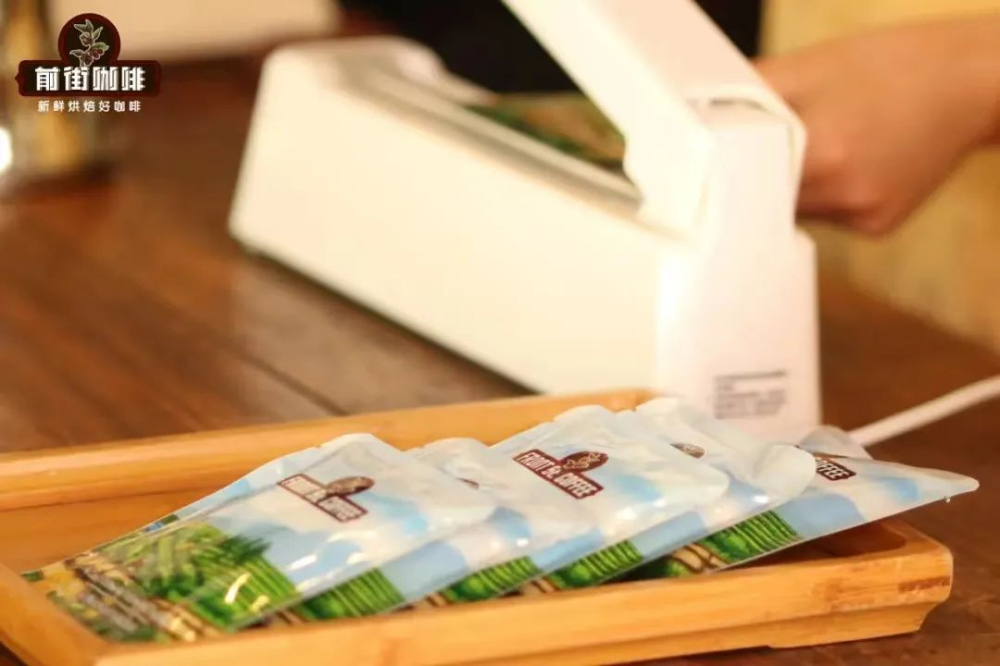
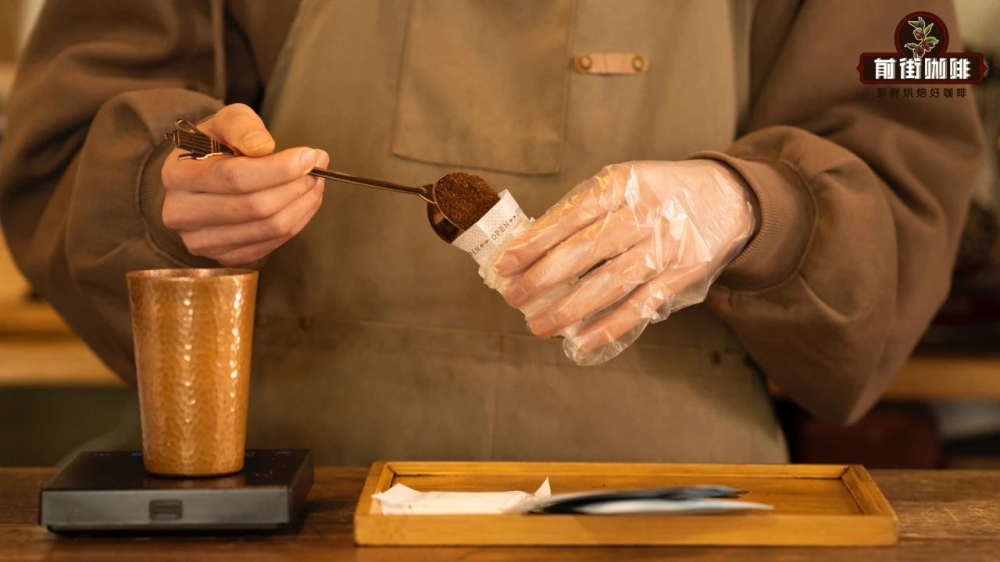
Each pack of the Huagu drip bag offered by a certain brand contains a measured 10 grams, and it’s recommended to use water at 90°C for brewing. First, tear open the pouch easily along the indicated label line. It’s recommended to use a cup with a medium-sized opening to ensure the drip holder stays stable.
Next, pour a small amount of hot water to bloom for about 20 to 45 seconds. This step helps to awaken the coffee grounds and release the aroma. After blooming, proceed to the main brewing phase. Following a 1:15 coffee-to-water ratio, it’s recommended to pour about 150 milliliters of hot water. Of course, you can adjust the ratio based on personal taste—reduce the water for a stronger shot or add more water if you prefer a lighter cup.
After completing the pour, wait for the dripping to finish, then remove and discard the drip bag. At this point, you can add sugar or milk according to preference. If you choose to add milk, it’s suggested to use a 1:8 coffee-to-milk ratio to make a latte. You can also use a milk frother to create foam for a more textured coffee drink.
Regarding the pouring method, many users ask whether they need to pour in stages. In fact, for drip coffee, convenience is the biggest advantage. It’s recommended to simply pour water with a fine stream in a circular motion until you reach 150 milliliters—that’s sufficient. There’s no need to overcomplicate it, and it still fully highlights the fruity and sweet characteristics of Huagu.
The above content is compiled by CoffeeHunters, a coffee news website.


