







Introduction:Choosing the right roast level is essential to fully showcase the potential of coffee beans. Light to medium roasts often preserve more floral and fruity aromas along with bright acidity, making them the top choice for many specialty coffee enthusiasts. This article delves into the relationship between roast levels and flavor profiles, explains how to discern the "first crack" timing and Agtron color values, and recommends five popular light to medium roast pour-over beans on the market. From citrus and berries to passion fruit and honey-tea notes, each comes with a flavor profile and recommended brewing tips to help you find your perfect match.
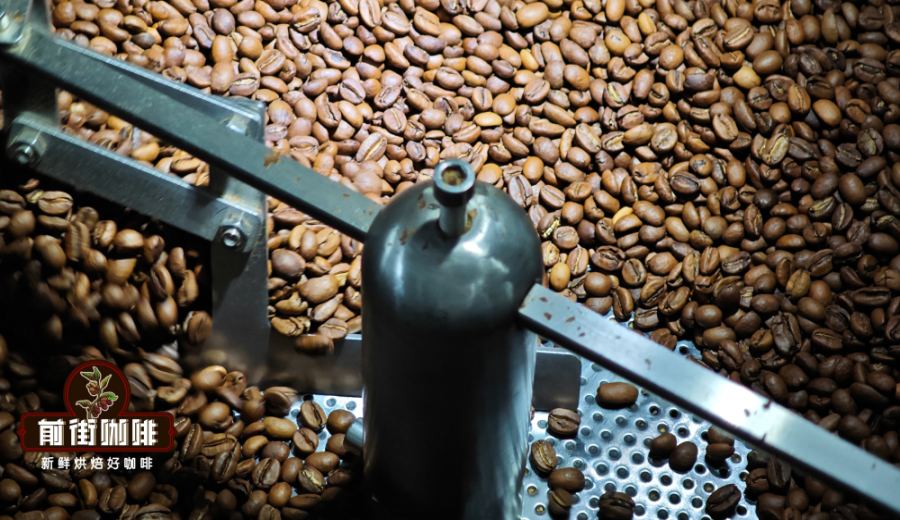
Many people have quite intuitive impressions of coffee roast levels: noticeable acidity means light roast, while bitterness and astringency indicate dark roast. However, in the professional field, determining roast level isn't based solely on subjective taste sensations but is objectively graded according to Agtron color values (a type of caramelization analysis metric). Additionally, the "first crack" stage — the popping sound caused by steam and pressure release as coffee beans are heated — is also considered a key milestone in judging whether the beans are properly matured. Generally speaking, the earlier the beans are removed from the roaster, the lighter the roast, and the more natural floral and fruity aromas and fruity acidity are preserved; conversely, extending the roast time shifts the flavors gradually toward caramel, chocolate, and nuttiness.
Therefore, if you have a particular fondness for the fresh floral and fruity notes in coffee,light or light-to-medium roasted beansare recommended. Coffee roasted to this level not only features bright acidity but also often carries layers of citrus, berries, or floral notes, making it ideal for savoring through pour-over brewing. Next, we’ll share several highly acclaimed light to medium roast pour-over coffee beans on the market. Each showcases unique flavors and is perfect for enthusiasts eager to explore the world of coffee.
Among the many coffee brands, several have earned praise for their freshly roasted beans and consistent quality. One such roastery, with years of operational history, not only offers single-origin beans from around the globe but also pays close attention to the roasting time and flavor expression of each batch. The beans from this brand are typically shipped within 5 days of roasting to ensure customers receive them at their peak flavor. Moreover, all products are freshly roasted and dispatched, offering not only high freshness but also relatively reasonable prices, making them ideal for coffee enthusiasts looking to try different origins and processing methods.
Below are several popular light to medium roast coffee beans, each with unique aroma characteristics and suitable brewing styles. Whether you’re a pour-over beginner or an experienced extraction enthusiast, you’re sure to find an option that suits your taste.
First up is a variety with bright citrus acidity and fresh white floral notes. These beans come from a regional cooperative made up of about 300 smallholder farmers. The area is renowned for producing high-quality washed Ethiopian beans and is hailed by many coffee lovers as the “last pure land” of a certain famous origin. The processing method follows traditional washed processing, which not only reduces impurity interference but also highlights the beans’ clean acidity and delicate floral notes. When brewed, it often exhibits aromas of lemon and jasmine, making it ideal for those who prefer a refreshing taste. Medium-to-light roast extraction is especially recommended to preserve its original flavors to the greatest extent.
If you prefer intense fruity acidity and dark berry tones, then a Kenyan bean is definitely worth trying. This bean uses the two classic varieties SL28 and SL34, both of which have undergone multiple rounds of selection and cultivation, exhibiting pronounced acidity and rich complexity. SL28 leans toward the Bourbon system, with bright and lively acidity, while SL34 is closer to Typica, with relatively softer and more stable acidity. In addition, this bean employs the region’s unique K72 washed process, which involves multiple soakings and washes to bring out clean yet solid berry and cherry tomato acidity. During cold brew or iced pour-over, its fruity acidity and aroma become even more concentrated, making it an ideal choice for summer or those seeking sweet-and-sour contrast.
Another bean that blends the characteristics of two well-known Central and South American origins combines honey and washed processing to deliver a sweet and fruity overall experience. This bean selects honey-processed coffee from Costa Rica paired with washed Geisha from Panama, presented with a medium roast to balance sweetness and acidity. When brewed, it often emits orange, honey, and soft caramel-like sweetness. It’s suitable for pour-over, cold brew, or even espresso preparation. It’s a bean with versatile flavors, ideal for various drinking occasions.
A particular bean from the Huila region of Colombia is known for its special anaerobic natural processing method. This technique allows the coffee cherries to ferment in an oxygen-free environment, further enhancing the release of fruity aromas. When brewed, it often carries rich flavors of grapes, oranges, and blueberries, with a three-dimensional and layered taste profile — especially appealing to those who enjoy coffee with a strong juice-like character. This bean has also been selected multiple times as the designated bean in international competitions, showcasing its outstanding flavor performance.
Finally, a classic blend of three varieties is popular for its balanced citrus acidity and tea-like flavor. This bean consists of Geisha, Caturra, and Catuai, with Geisha making up the majority — about 70% — so the overall flavor is dominated by fresh citrus and pomelo notes, complemented by subtle floral tones. Washed processing preserves the bean’s distinct tea-like body, making it suitable for medium to light-to-medium roast extraction. Both pour-over and French press can highlight its delicate characteristics.
The above content is compiled by CoffeeHunters, a coffee news website.


