







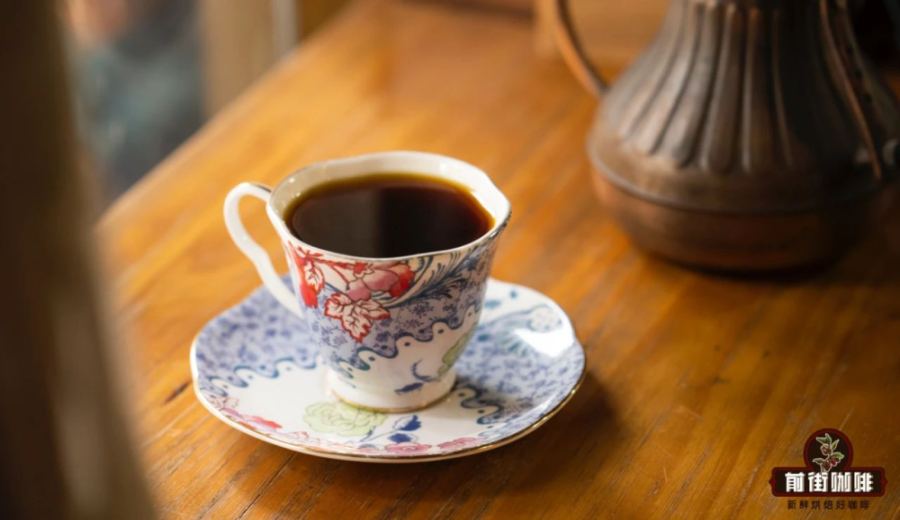
Introduction:Geisha coffee, with its distinctive floral aroma and bright acidity, has become a legendary variety in the specialty coffee world. From its origins in Ethiopia to its fame in Panama, how did its value skyrocket? This article delves into the history, cultivation challenges, and flavor profile of Geisha, and provides practical three-stage pour over parameters to guide you from beginner to appreciating top-tier Boquete-region Geisha.
In the world of specialty coffee, the name "Geisha" is almost synonymous with legend. With its delicate floral notes, vibrant fruit acidity, and long-lasting aftertaste, it has conquered the palates of countless coffee lovers. This coffee variety, originating from Ethiopia, traveled a long journey before achieving fame at Panama's Hacienda La Esmeralda, and in 2019, it set a record with an astronomical price of $1,029 per pound.
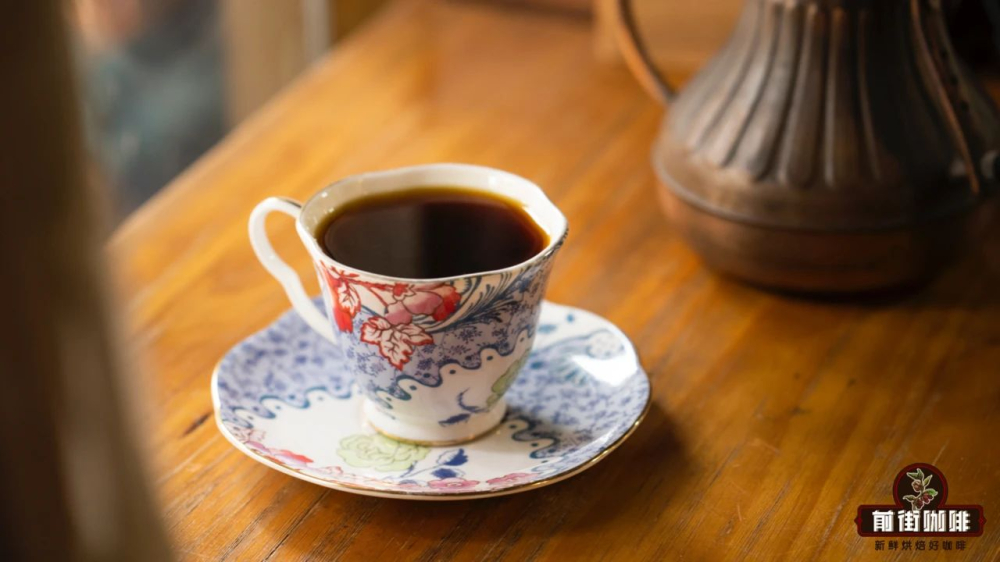
What exactly makes Geisha so expensive? The answer lies not only in its unique flavor but also in its scarce production and demanding cultivation conditions. Geisha coffee trees grow slowly, have low yields, and require extremely specific environmental conditions—they must be planted at altitudes above 1,500 meters, with ample shade and meticulous care. These factors collectively contribute to its high price and rarity.
Many people mistakenly believe that only Geisha from Panama is worth tasting, but in reality, flavor performance also depends on the specific estate and processing method. For example, Geisha from the Boquete region, while more affordable, still showcases captivating traits of citrus, floral notes, and honey, making it an excellent choice for beginners.
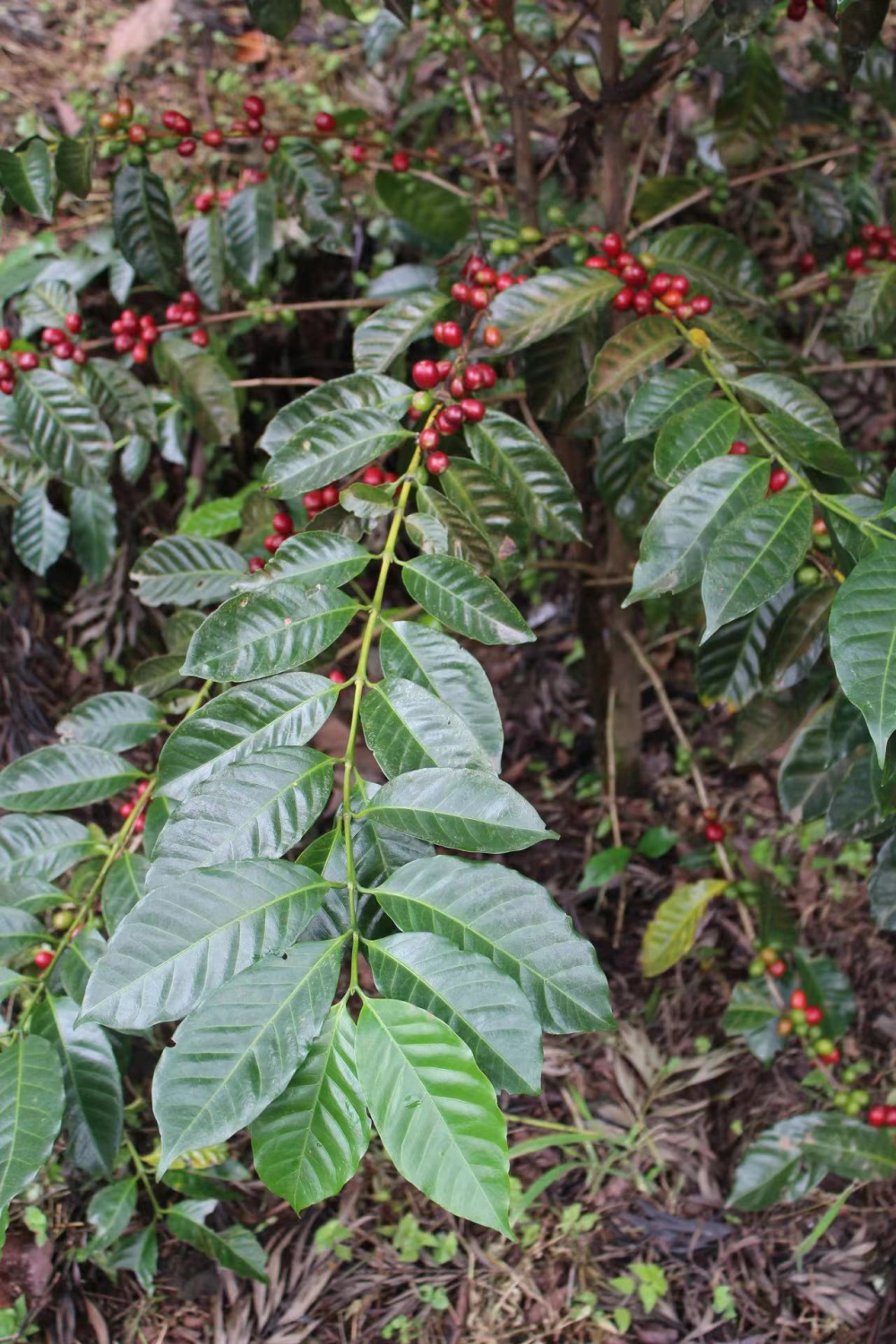
The origins of Geisha can be traced back to 1931, when botanists collected samples from Ethiopia's Kaffa Forest. These seeds were later sent to Kenya, Uganda, Tanzania, and other regions for selective breeding. In 1953, Costa Rica's Tropical Agricultural Research and Higher Education Center cataloged it as "T2722," and it wasn’t until the 1960s that it was introduced by Panama’s Hacienda La Esmeralda, initially serving only as an experimental variety resistant to leaf rust.
It wasn’t until 2004 that Hacienda La Esmeralda in Panama accidentally discovered during a cupping session that some coffee trees produced flavors distinct from the rest, characterized by a unique citrus note. These coffee trees were harvested and processed separately, and they won the Best of Panama (BOP) competition that year, rewriting the fate of Geisha.
Initially, the variety of these coffee beans was unclear. It wasn’t until genetic testing confirmed their genetic match with Ethiopia’s Geisha variety that they were officially named Geisha. Due to its pronunciation being similar to the Japanese word for "geisha" (performing artist), it is also often called "Geisha coffee," while the Chinese name "瑰夏" carries connotations of Eastern aesthetic imagery.
After gaining fame, Geisha’s auction prices have risen year after year—from $350.25 per pound in 2013, to $803 in 2018, and then to $1,029 in 2019, repeatedly setting new records. Even now, as more farmers begin cultivating it, its high price remains at the pinnacle of specialty coffee.
However, Geisha is not an easy variety to cultivate. Its roots are fragile, and the mortality rate is relatively high during the initial planting phase. It is also extremely sensitive to pruning and environmental changes. Additionally, Geisha requires abundant shade, high-altitude conditions, and fully manual processing—these conditions limit its yield and make high-quality Geisha even more precious.
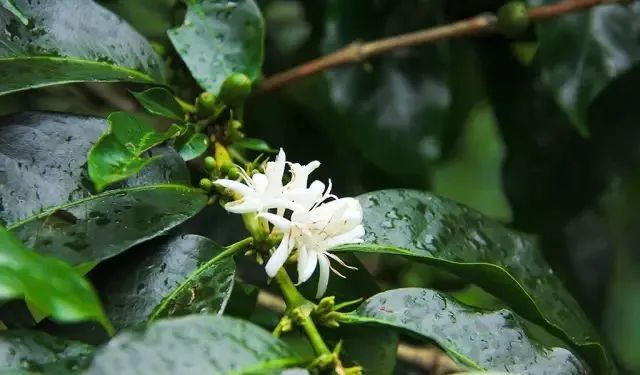
For coffee enthusiasts who want to taste Geisha but have a limited budget, Boquete-region Geisha is an excellent entry-level choice. This coffee bean also exhibits the distinctive citrus, white floral notes, and honey-like sweetness of Geisha, with a rich flavor profile, yet at a relatively more accessible price, making it perfect for daily drinking or first-time trials.
To fully unlock the flavor potential of Geisha, pour over parameters are crucial. It is recommended to use a medium grind with a 78% passing rate through a Chinese Standard No. 20 sieve (approximately the size of fine sugar), 15 grams of coffee, paired with a Hario V60 small-size filter, with a brew ratio set at 1:16 and water temperature controlled at 91°C. Use the three-stage pouring method: the first stage involves pouring 30 grams of water for a 30-second bloom, followed by the second stage of circular pouring up to 125 grams, then continuing to pour up to 225 grams after the water level drops. The total extraction time is about 2 minutes and 10 seconds to 2 minutes and 20 seconds, perfectly highlighting Geisha’s brightness and layered complexity.
In summary, the reason Geisha coffee has become one of the most expensive bean varieties in the world is not only due to its scarcity and high quality but also because of its unique flavor and cultivation challenges. Whether you’re a coffee lover pursuing top-tier flavors or a beginner just starting out, you can find your own coffee experience among Geisha from different regions of Panama.
The above content is compiled by CoffeeHunters, a coffee news website.


