







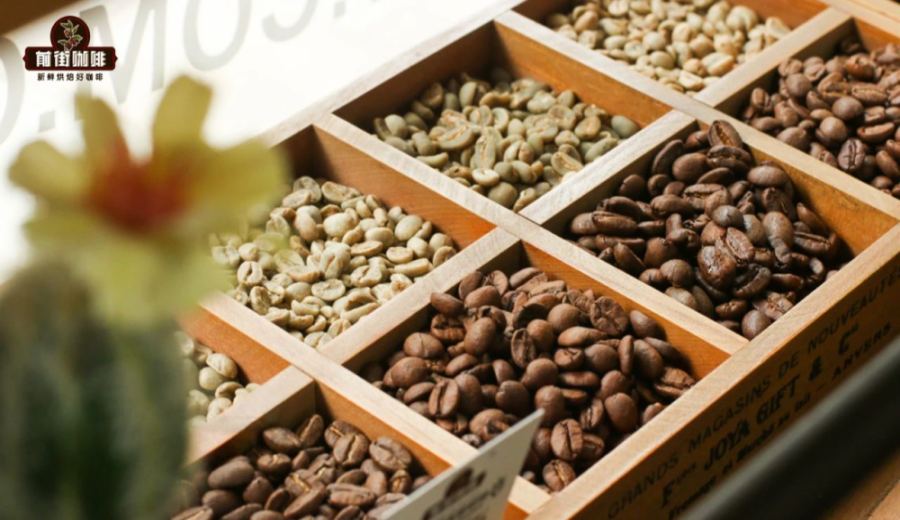
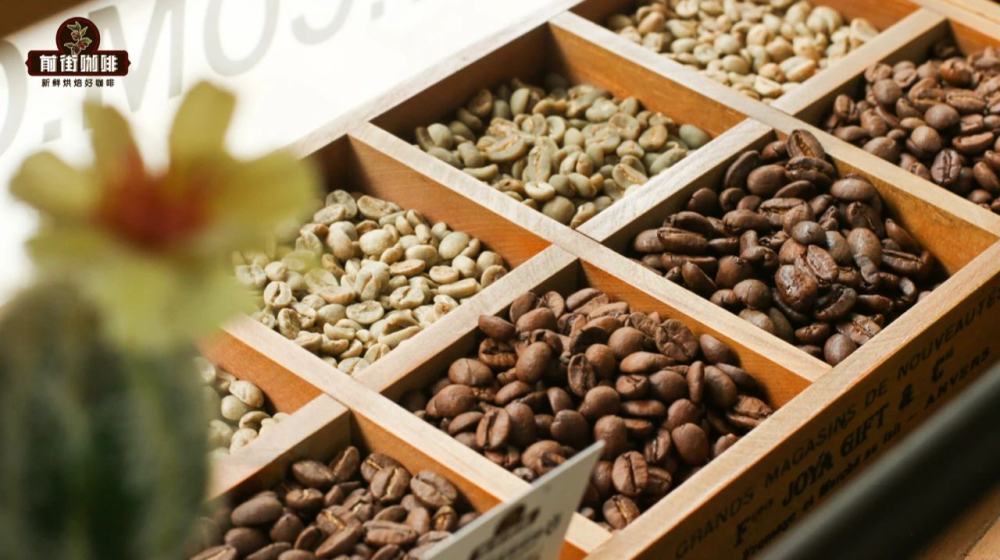
Introduction:Understanding coffee processing methods is key to deeply appreciating coffee. This article provides a detailed analysis of the three mainstream techniques—natural, washed, and honey process—as well as an extension covering special methods such as Kenya’s K72, Indonesia’s wet-hulled process, and anaerobic fermentation. It explains each step, parameter details, and flavor characteristics, helping you choose the right beans more wisely based on your brewing preferences and flavor desires.
The unique flavor of a cup of coffee comes not only from its origin and variety, but also from the crucial role played by the processing method behind the scenes. From post-harvest handling, fermentation, to drying, each step affects the final flavor expression, including the brightness of acidity, the richness of sweetness, and the body’s depth. The main global processing methods can be divided into three categories: natural, washed, and honey process, each with distinctive features and further evolving into advanced techniques such as Kenya’s K72, Indonesia’s wet-hulled process, and anaerobic fermentation. This article will take you from basic principles to actual flavor profiles, exploring the differences and characteristics of these methods in depth.
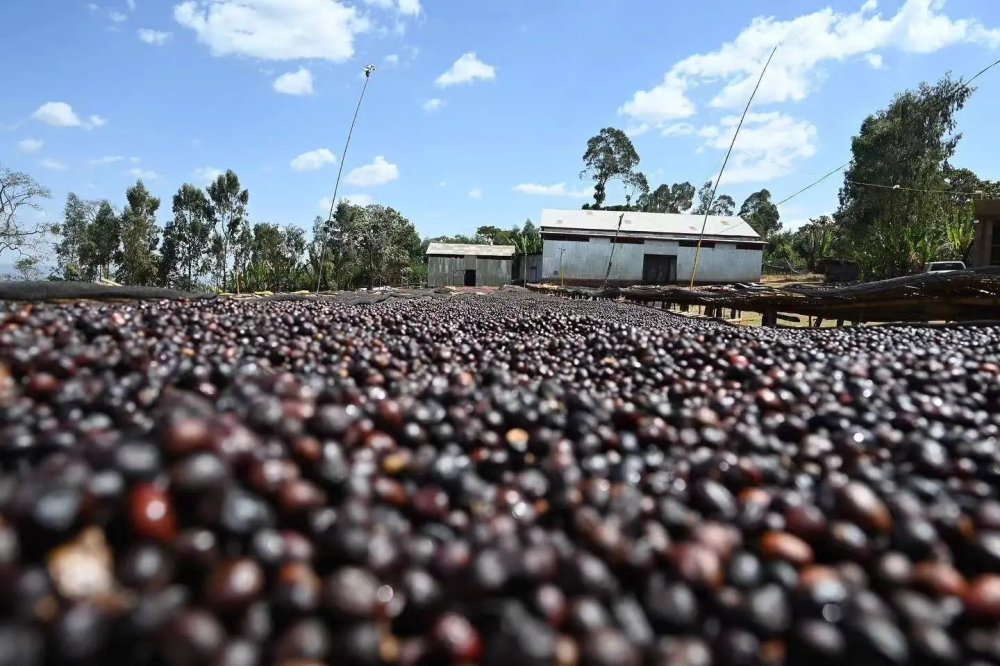
The natural (or sun-dried) method is the most traditional coffee bean processing technique, originating in Ethiopia, the birthplace of coffee, and is still widely used in regions with dry climates. This method starts with manual sorting to remove unripe or damaged coffee cherries, followed by placing whole cherries on raised drying beds, tarps, or even concrete floors to sun-dry. It’s important to note that drying on concrete can easily lead to dust and impurity absorption, negatively affecting final quality. The entire natural drying process usually takes 27 to 30 days until the cherry moisture content drops to 11–13%, after which the beans can be hulled. Due to the long drying time, the sugars and flavor compounds in the fruit pulp have ample time to penetrate the seeds, resulting in natural beans often exhibiting prominent wine-like aromas, sweetness, and intense fruitiness. However, this method is highly dependent on weather, requires frequent turning of beans to prevent mold, and involves additional hand-sorting after hulling to remove broken beans.
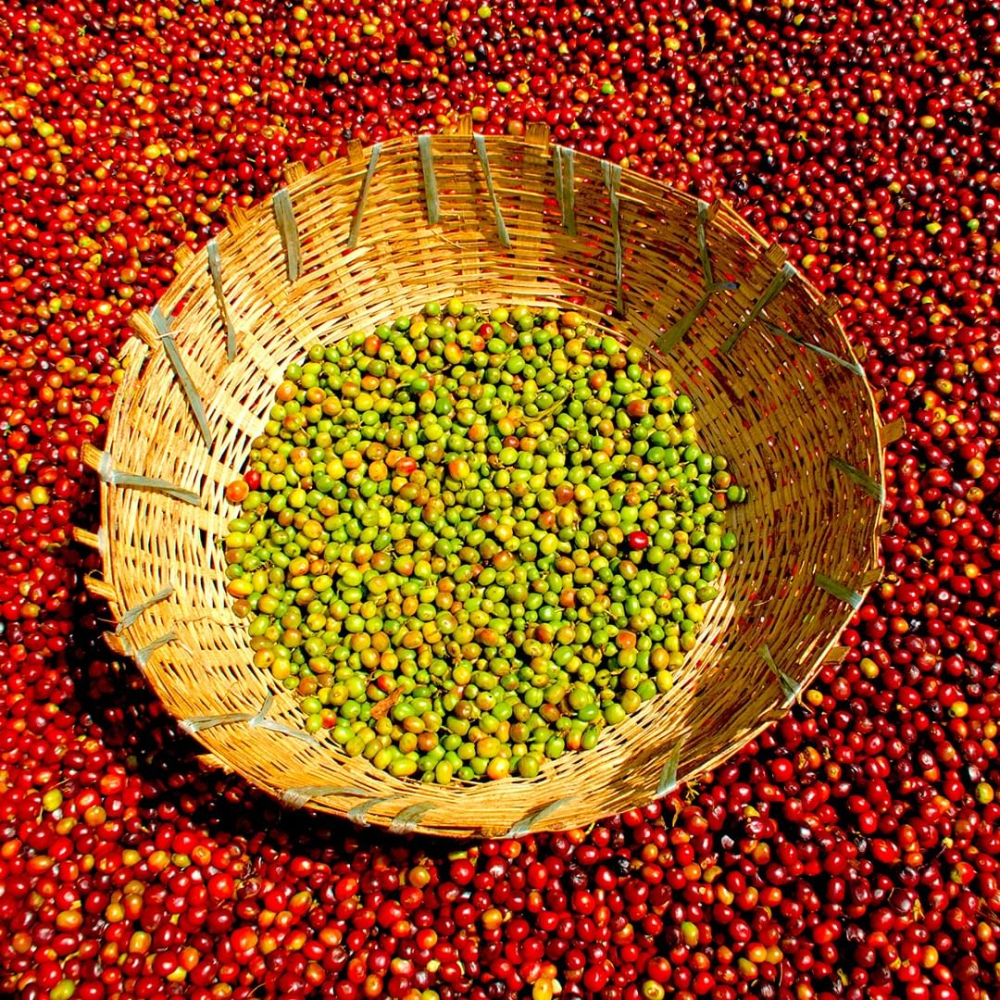
Compared to the natural method, the washed process places greater emphasis on hygiene and flavor clarity, making it the mainstream choice in many specialty coffee-growing regions. The steps include: first using floatation to remove unripe or overripe cherries, then employing a pulper to remove the outer skin and pulp, at which point the beans are still covered with a sticky layer of mucilage. Next comes the fermentation stage, where microbes break down the mucilage, typically taking about 18 hours. Since residual mucilage after fermentation can affect flavor, the beans are thoroughly rinsed with large amounts of clean water—statistically, processing 1 kg of coffee beans consumes around 40–50 kg of water, making this method difficult to adopt in water-scarce areas. Finally, the washed beans are dried to 11% moisture content, then hulled to remove the parchment and silver skin. Washed beans typically exhibit clean, bright acidity with a crisp flavor profile, fewer off-flavors, and often present citrus, berry, and other fruity notes, suiting those who prefer a refreshing taste.
Kenya’s K72-hour process is an advanced technique evolved from the traditional washed method. Its hallmark lies in the fermentation stage being divided into three cycles: each 24-hour fermentation is followed by a fresh water change, repeated three times for a total of 72 hours, before proceeding to washing and drying. This process allows for more thorough mucilage breakdown and triggers richer flavor reactions, giving Kenyan coffee its generally outstanding acidity—often described as having a refreshing sourness akin to dark plums or cherry tomatoes—along with relatively complex flavor layers. Although water-intensive, this method effectively enhances bean performance and is one of the key reasons Kenyan coffee stands out in the international market.
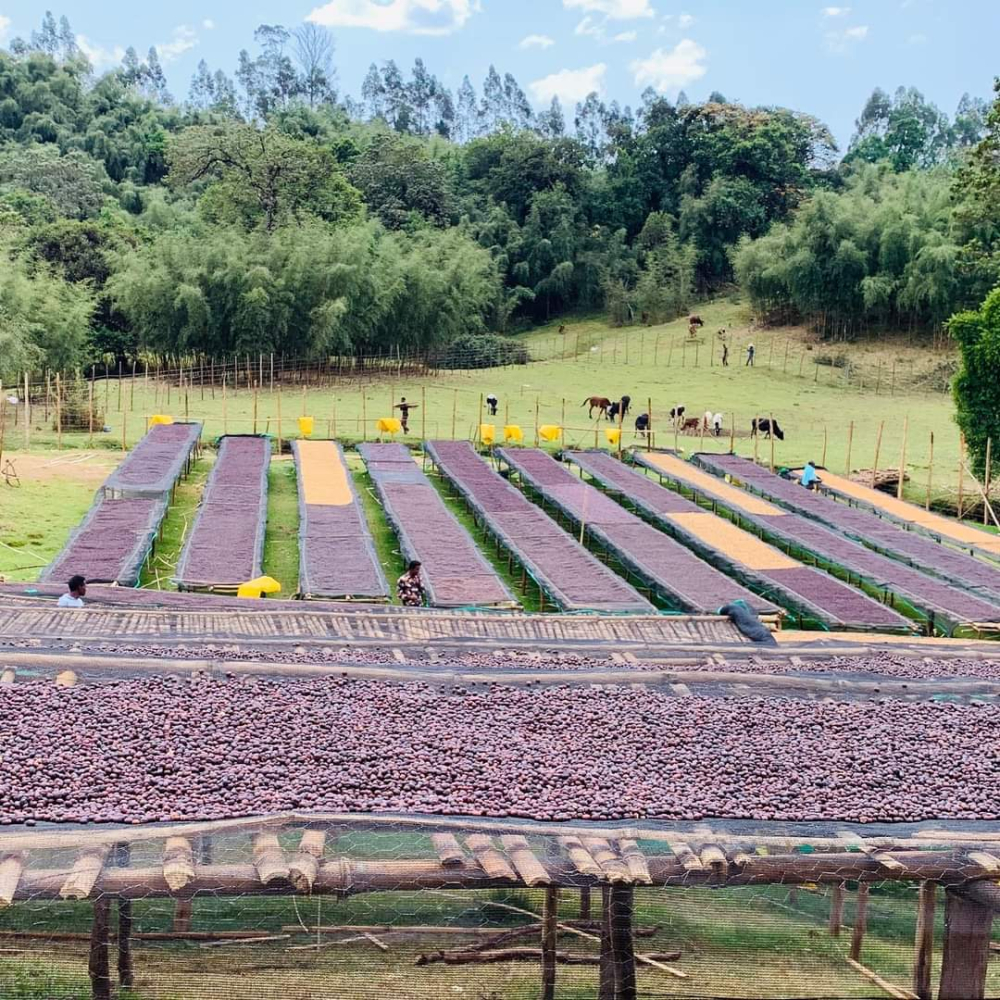
The honey process originated in Costa Rica and is a method that retains some or all of the fruit mucilage. Hence, the “honey” in the name does not refer to added honey, but describes the sweetness and gloss brought by the mucilage during drying. The basic honey process flow is: first floatation to remove defective beans, then removal of the pulp and skin while keeping the mucilage, followed by placing the beans on raised beds to sun-dry for one to two weeks. During this period, constant turning ensures even heating and allows the beans to fully absorb the natural sugars in the mucilage. If 100% of the mucilage is retained, it is called the “raisin honey” or “yellow honey” process (depending on drying color), commonly seen in Costa Rica’s Musician Series, such as Bach and Chopin. These beans often have very high sweetness and intense tropical fruit character. The honey process demands a favorable climate, especially unsuitable for humid and rainy environments, as it is prone to molding—thus, it’s more commonly applied in dry regions.
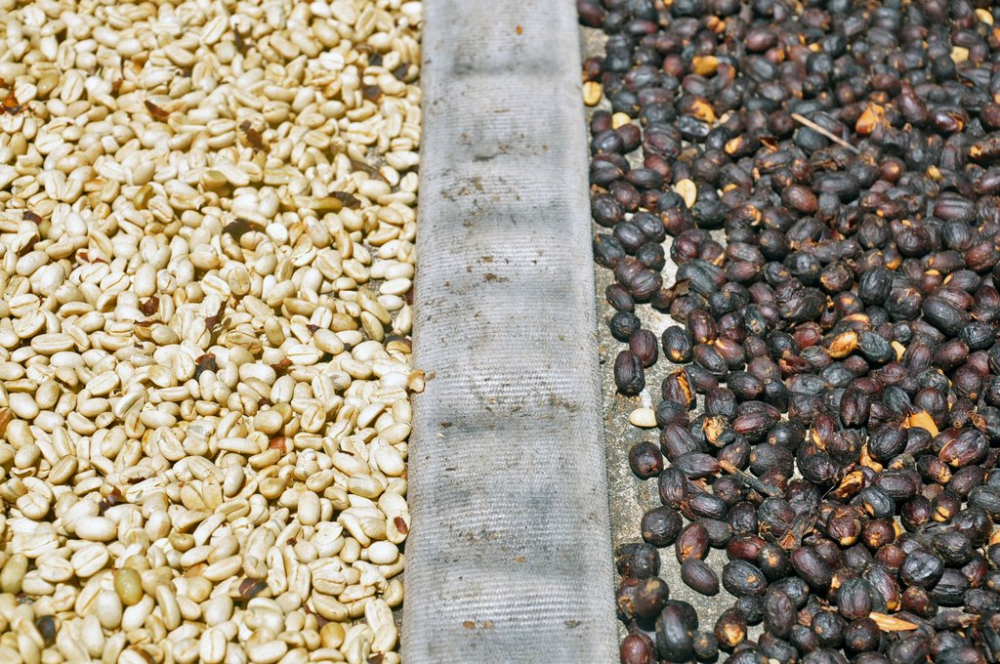
For high-humidity regions such as Indonesia, the unique wet-hulled process has been developed. This method first removes the skin and pulp but retains the parchment and some mucilage, then ferments the beans in water tanks to remove the mucilage. Afterward, the beans are sun-dried for 2–3 days while still in parchment, reducing the moisture content to about 20%. The parchment is then removed (hulled) and the beans continue drying to 11% moisture. Since the parchment is removed midway, the drying process is accelerated, but it also increases the difficulty of quality control, often leading to inconsistent flavor profiles. Nevertheless, the wet-hulled process gives Indonesian coffee its distinctive low acidity, rich herbal, and spicy notes, forming the key to classic profiles such as Sumatra Mandheling. Notably, aside from sun-dried Mandheling, most Indonesian export beans are processed using this method.
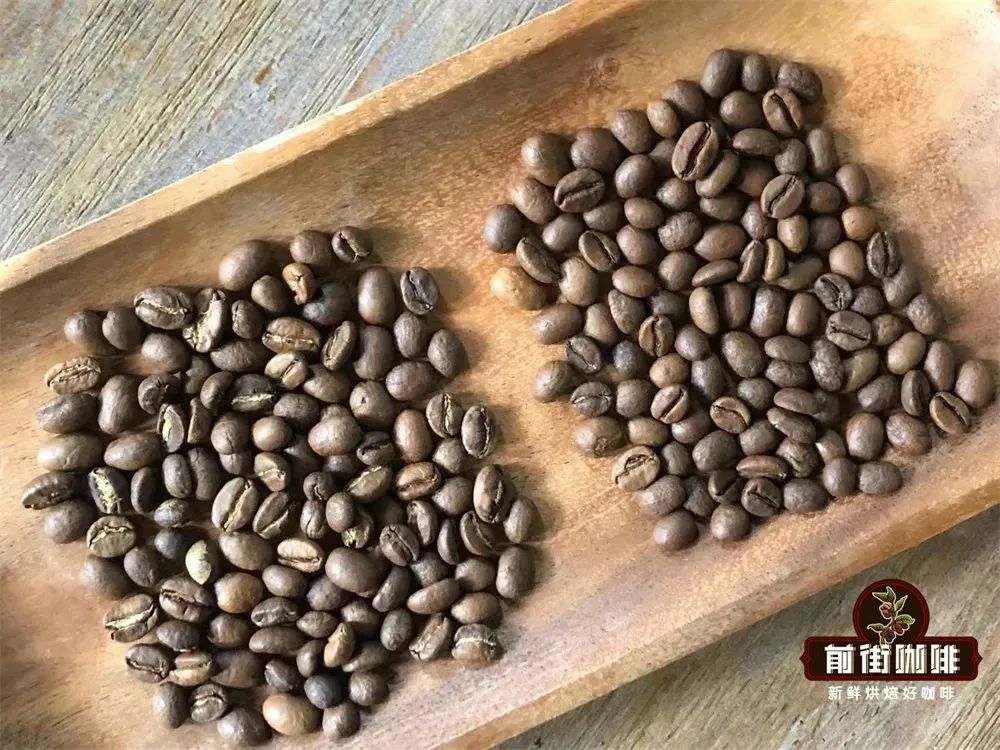
With the maturation of the specialty coffee market, innovative processing techniques continue to emerge, among which anaerobic fermentation has gradually gained attention. This method utilizes sealed stainless-steel tanks to control parameters such as oxygen, temperature, pH, and time, creating a low-oxygen or oxygen-free environment that allows different flavor compounds to develop during fermentation. For instance, Colombia’s Flor de Luna employs anaerobic natural processing, often showcasing intense strawberry flavors and silky creamy textures; Rose Valley uses double washed and anaerobic enzyme treatment, delivering a prominent peachy sweet-tart profile. These processing methods enhance the coffee’s sweetness and complexity, adding a wine-like layered sensation to the flavor, making them a popular choice for coffee enthusiasts seeking new experiences.
In summary, different processing methods impart distinctly unique flavor personalities to coffee beans—from the rich wine-like aromas and sweetness of the natural process, to the clean acidity and fruity notes of the washed process, to the intense sweetness of the honey process and the herbal tones of the wet-hulled method, and even the innovative expressions of anaerobic fermentation. Understanding these differences not only helps you select the right beans according to personal taste preferences but also allows you to anticipate and adjust for optimal extraction performance during brewing.
The above content is compiled by CoffeeHunters, a coffee news website.


