







Introduction:To brew a pour over coffee with clear and vibrant flavors at home, selecting the right coffee beans and mastering the correct parameters are crucial. This article will delve into the flavor profiles of three major roast levels of single-origin coffees, recommend classic bean varieties suitable for beginners, and take Queen Estate as an example to reveal shop-level pour over parameters and a three-stage pouring technique. This will help you precisely control water temperature, coffee-to-water ratio, and brewing time, allowing you to easily replicate a clean and balanced pour over coffee.
The charm of pour over coffee lies in its ability to clearly showcase the origin flavors of the beans. To brew a great cup, apart from technique, it's even more important to lay a solid foundation starting with bean selection. Coffees from different regions, due to variations in climate, soil, and processing methods, present distinctly unique personalities. Combined with the impact of roast levels, even the same bean can exhibit diverse flavor layers. For those just starting with pour over, working with single-origin coffees is the best way to develop taste sensitivity and establish a flavor profile.
Light Roastusually features bright acidity, with flavor profiles dominated by floral, citrus, or tropical fruit notes, making it ideal for those who prefer a refreshing taste. For example, Kenyan beans often exude a fresh fruity aroma reminiscent of cherry tomatoes and pears, while Red Cherry beans showcase rich berry and floral tones. Meanwhile, Huakui beans blend the tropical fruit notes of strawberry, guava, and mango, making them an excellent choice for light roast enthusiasts.
Medium Roastserves as a transitional zone where acidity and bitterness are balanced. The acidity gradually softens, a hint of bitterness emerges, and warm aromas such as nuts, caramel, and toasted bread become the main theme. Queen Estate coffee beans are a classic representation of medium roast, showcasing intense nutty and toasted bread flavors. Paradise Bird beans, on the other hand, offer gentle layers of cocoa and citrus, suiting drinkers who prefer a smoother taste.
As forDark Roast, the acidity nearly disappears, replaced by a strong bitterness and rich body, often accompanied by lingering notes of pine wood, spices, and caramel. Mandheling is a classic among dark roast beans, with its combination of spice, herbs, and caramel delivering a bold and full-bodied flavor, making it the top choice for those who prefer intense tastes.
Next, let’s takeQueen Estateas an example to analyze practical shop-level pour over parameters. It is recommended to use a Kono filter cone—the rib design of this cone effectively extends the water flow path, enhancing extraction uniformity. The water temperature should be controlled at 88°C—too high may lead to over-extraction and bitterness, while too low may result in under-extraction and a flat flavor. The recommended coffee dosage is 15 grams, with a 1:15 coffee-to-water ratio, which equates to a total water volume of 225 grams. This achieves a balanced intensity and layered flavor.
For grind size, a medium-fine grind is suggested, roughly achieving a 70-75%pass-through rate of 20 on the Chinese standard sieve. This particle size ensures a moderate extraction rate, avoiding both too fast or too slow extraction. Image 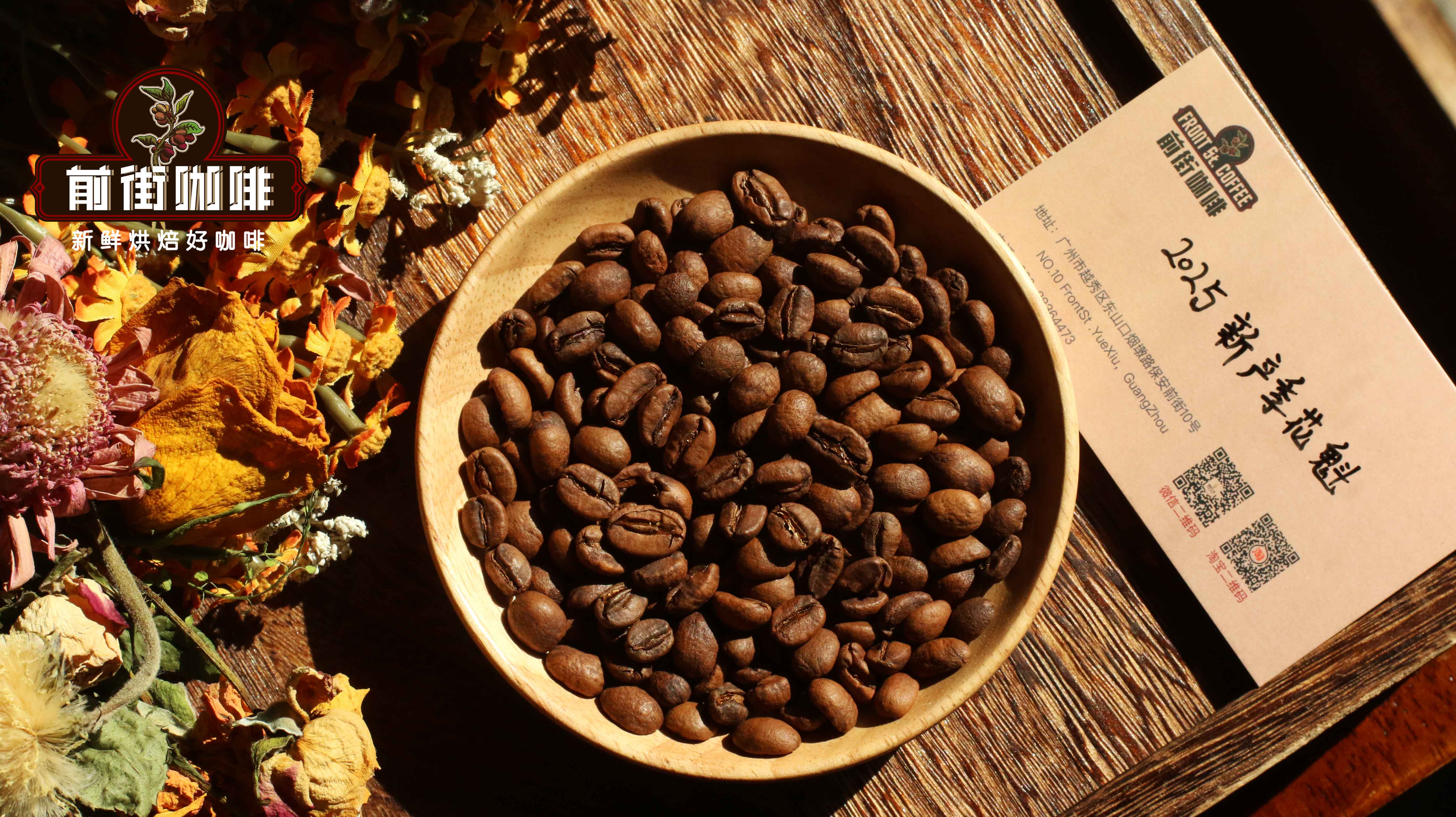 shows the relevant equipment and coffee-water state for your reference.
The specific extraction method uses the classic three-stage pouring technique:
The first stage involves pouring 30 grams of waterfor blooming, lasting about 30 seconds. This step awakens the coffee grounds and releases their aroma. The second stage involves slowly pouring up to 125 grams, then waiting for the coffee liquid level to drop to approximately half before proceeding to the final pour to reach 225 grams. The overall extraction time is kept around 2 minutes and 10 seconds, which fully extracts the essence of the coffee while avoiding the off-flavors caused by over-extraction.
Image 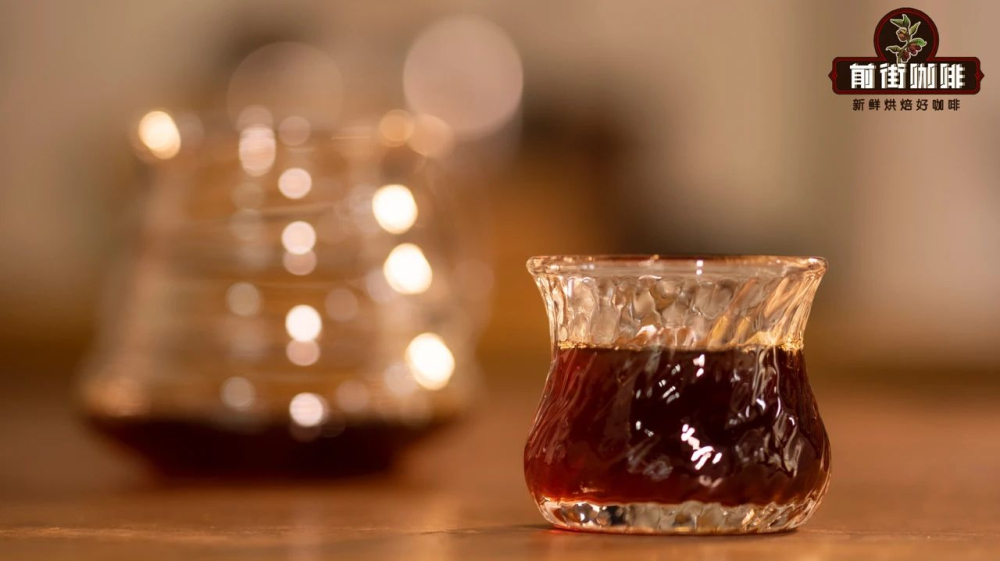 shows the setup and coffee-water state during the pour over process. For first-timers, it serves as an excellent visual guide. Remember to maintain steady water flow, pour at an appropriate height, and avoid directly hitting the center of the coffee bed to ensure uniform extraction.
By mastering these key parameters and steps, even novice coffee drinkers can easily replicate a professional-grade pour over coffee at home, enjoying the clean, bright, and layered flavors of single-origin beans.
The above content is compiled by CoffeeHunters, a coffee news website.


