







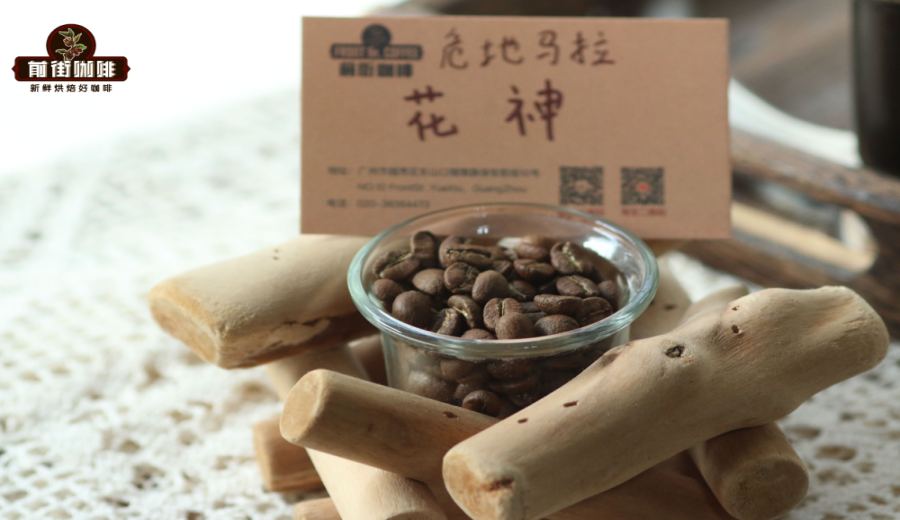
Introduction:Delve into the floral-washed Guatemala Antigua coffee beans, exploring everything from the unique flavors shaped by volcanic landscapes and washed processing, to variety characteristics and roast styles—comprehensively breaking down the flavor profile of this classic coffee. This article also provides practical pour over tips and a three-stage pouring technique to help you fully unlock the bean’s citrus acidity, floral notes, and honey-like sweetness.
Among Guatemala’s many coffee-growing regions, Antigua stands out with its exceptional geographical environment, making it a flavor sanctuary for many specialty coffee enthusiasts. This highland area, surrounded by three active volcanoes—Agua, Fuego, and Acatenango—not only boasts fertile, highly breathable volcanic soil but also, thanks to microclimates, produces coffee with diverse and layered flavors. Among them, the Floral washed beans from La Milagrosa Estate in this region are a classic that fully showcases the distinctive character of Antigua.
Antigua’s Volcanoes and Climate: The Cradle of Micro-Flavors
The unique geographical location of the Antigua region ensures it enjoys abundant sunshine year-round, though summer rainfall is relatively low, and occasional frost can occur in winter. However, thanks to the geothermal energy continuously supplied by the surrounding active volcanoes and the pumice soil accumulated after eruptions—this porous, stony structure not only retains moisture but also slowly releases nutrients. Coupled with the widespread planting of shade trees by local farmers, which effectively mitigates the impact of cold air on coffee trees, a stable and unique coffee-growing environment is created.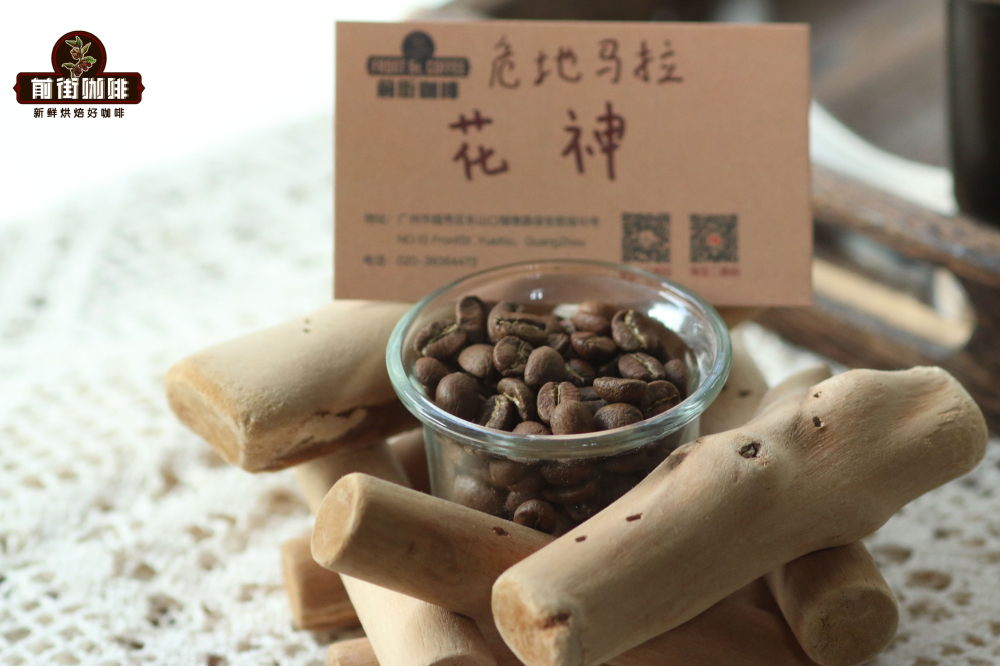
Flavor Profile and Processing of Floral Washed Beans
These Floral washed beans are meticulously cultivated by La Milagrosa Estate and professionally processed by the renowned local washed processing facility Las Pastores. During processing, the farm first uses floatation to remove unripe and defective beans, then employs a pulper to separate the outer fruit layer of the coffee cherry, followed by fermentation in tanks for 16 to 36 hours to facilitate mucilage removal. Finally, the beans are thoroughly washed and then sun-dried until their moisture content drops to 10%–14%, ensuring stable quality during storage and transport.
The flavor profile of these beans is quite distinct: the dry aroma carries delicate floral notes and a tea-like freshness; upon tasting, the first impression is a bright acidity reminiscent of freshly squeezed lime, followed by the fruity bouquet of berries. The mid-palate reveals a natural honey-like sweetness, while the finish carries subtle caramel and smoky undertones. The overall cup is clean and well-layered.
Variety Composition and Cultivation Management
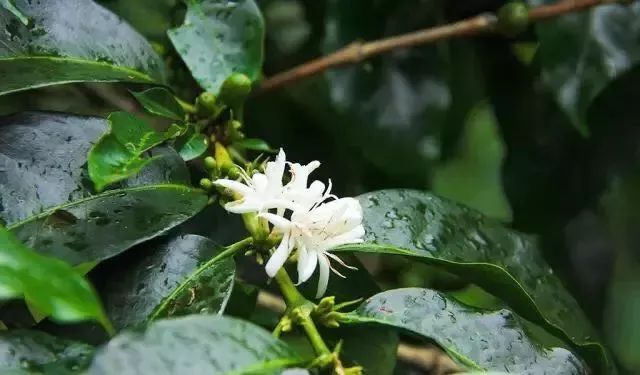
The Floral washed beans primarily use three classic Arabica varieties: Bourbon, Caturra, and Catuai. The Bourbon variety is known for its balanced acidity and sweetness as well as a full-bodied mouthfeel, serving as the foundation for many high-quality coffees. Caturra offers a refreshing citrus note; although its sweetness is not as pronounced as Bourbon, it can still deliver commendable flavors under suitable growing conditions. Catuai, a hybrid of Caturra and Timor, has stronger disease resistance but a longer growth cycle, requiring more meticulous care. La Milagrosa Estate conducts soil tests twice a year to precisely adjust fertilizer application and leverages the natural pest and disease suppression of high altitudes to significantly reduce pesticide use, ensuring the purity and natural flavors of the coffee.
Washed Processing and Roasting Strategy
In terms of processing method, the brand opts for traditional washed processing, which not only highlights bright acidity but also helps express delicate floral and fruity notes. For roasting, the shop employs a medium roast, a range that preserves the coffee’s inherent acidic and fruity characteristics while bringing out moderate sweetness and body, resulting in a more balanced overall flavor. Roasted beans are recommended to rest for 4 to 7 days to allow sufficient CO₂ degassing before entering their peak flavor window—this is when brewing can fully showcase their multi-dimensional taste profile.
Pour Over Parameters and Three-Stage Pouring Technique
To fully present the nuanced flavors of the Floral washed beans, it is recommended to use a V60 filter cone, with water at 91°C, a coffee dosage of 15 grams, and a brew ratio of 1:15. The grind size is suggested to be around 80% passing through a #20 sieve, i.e., medium-fine grind, which helps release flavor compounds adequately without over-extraction.
The specific pour over steps are as follows: begin with a 30-second bloom using 30 grams of water to awaken the coffee grounds; then pour 95 grams of water (total around 125 grams) within about 1 minute; when the water level drops to two-thirds of the coffee bed, pour the final 100 grams of water (total around 225 grams) within approximately 1 minute and 35 seconds. The total extraction time should be controlled to around 2 minutes and 10 seconds, and the coffee is ready to enjoy after filtration. This three-stage pouring method helps achieve even extraction, avoids over-concentration on any single flavor segment, and makes the acidity, sweetness, and overall flavor more harmonious.
In summary, the Floral washed beans from Guatemala’s Antigua region, with their unique geographical advantages, rigorous cultivation and processing procedures, as well as refined roasting and brewing strategies, showcase a gentle richness and clear layering from the highlands. Whether you’re a coffee novice or a seasoned enthusiast, you can experience the distinctive Central American flavor charm from this coffee.
The above content is compiled by CoffeeHunters, a coffee news website.


