








Introduction:Delve into the Geisha blend and washed Geisha from Costa Rica’s Tarrazú region. From terroir, variety composition, processing methods, to roast profiles and V60 three-stage brewing parameters, this comprehensive guide explores the unique flavor profiles of these two coffees and their ideal brewing approaches, helping coffee enthusiasts find their perfect cup.
The Tarrazú region of Costa Rica is renowned for its fertile volcanic soil and notable day-night temperature variation, making it an ideal environment for cultivating high-quality Geisha coffee. In recent years, several well-known estates in the area have dedicated themselves to growing the Geisha variety and experimenting with processing methods, producing specialty coffees that balance sweetness with floral and fruity notes. Among them, the raisin honey-processed Geisha blend from Mirazu Estate and the washed Geisha from Candela Estate are two highly representative offerings. This article will provide a detailed comparison of the flavor profiles and brewing essentials of these two coffees, covering everything from regional background, variety composition, green bean processing techniques, roast curves, to practical V60 pour-over brewing schemes.
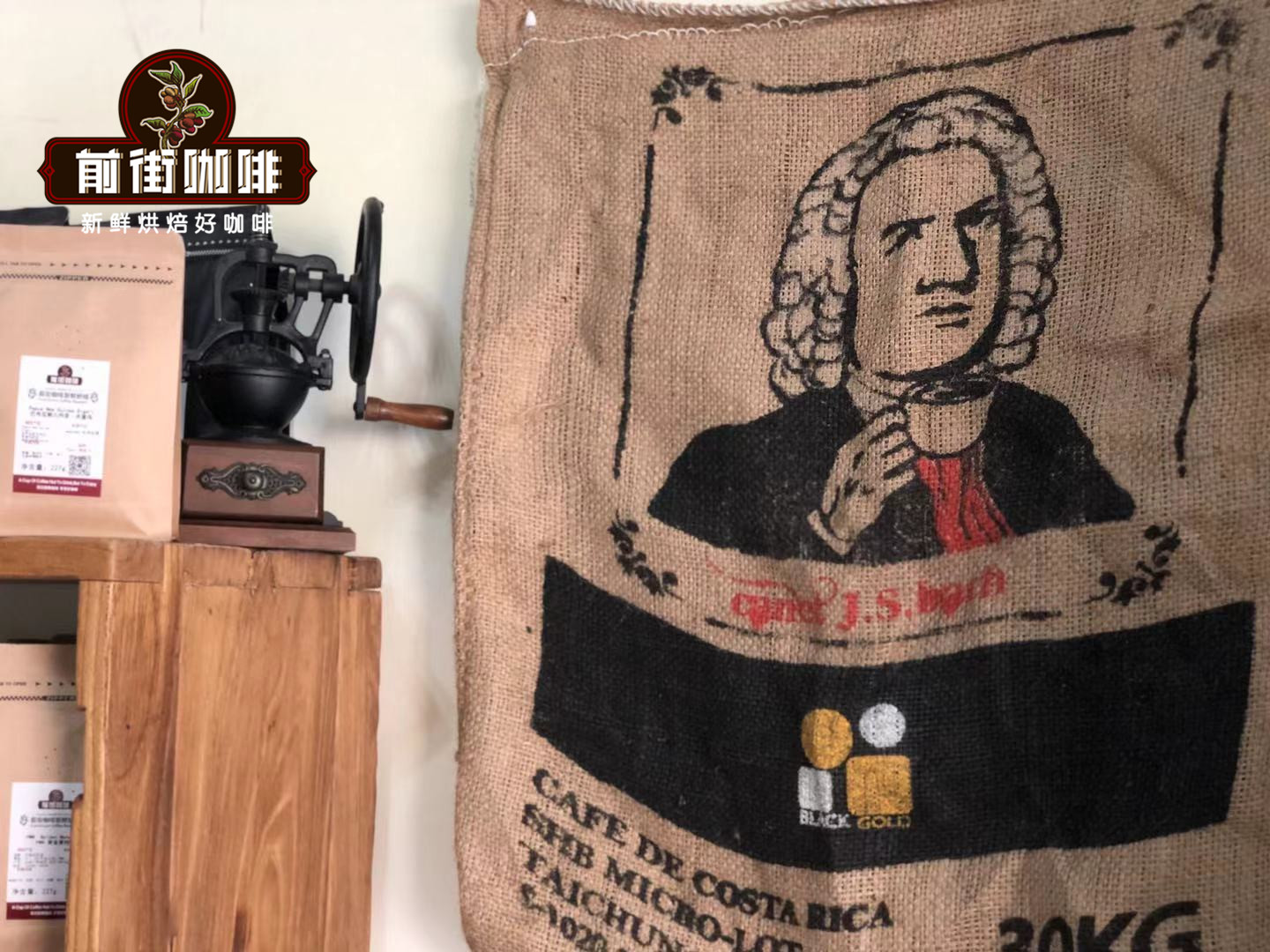
Located in central Costa Rica, Tarrazú is a typical high-altitude, volcanically active zone with mild average temperatures, abundant rainfall, and extensive primary forests providing natural shade—creating near-perfect conditions for coffee cultivation. Though the region is home to many renowned estates, each coffee exhibits a unique flavor profile due to differences in microclimate, soil specifics, and planted varieties. For this reason, many coffee enthusiasts and professional roasters often conduct side-by-side comparisons of multiple coffees from the same region to uncover their subtle nuances.
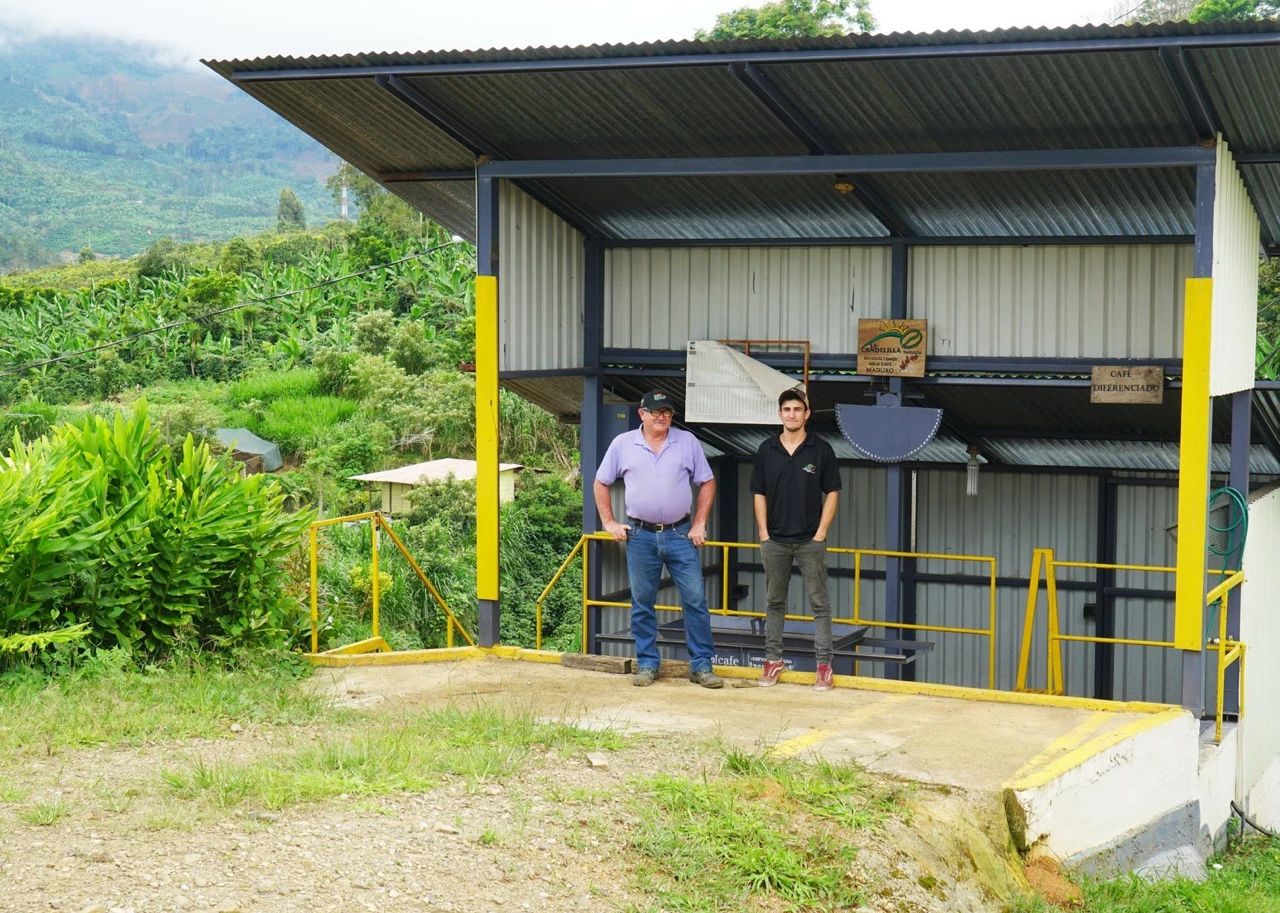
Mirazu Estate (Mirazu), whose name means “Overlooking Tarrazú,” sits at an altitude of about 1,700 meters. Estate owner Esteban Sanches is himself a coffee variety enthusiast who has been involved in establishing the nearby Candela Estate. Here, he focuses on introducing and experimenting with various Ethiopian heirloom varieties, such as ET47, and trying different processing methods. Notably, the estate’s small wet-processing facility was designed and assembled by him personally. Mirazu’s Geisha blend combines varieties including Geisha, ET47, SL28, and Maico, among which ET47 stands out for its complex fruitiness, clean mouthfeel, and elegant acidity.
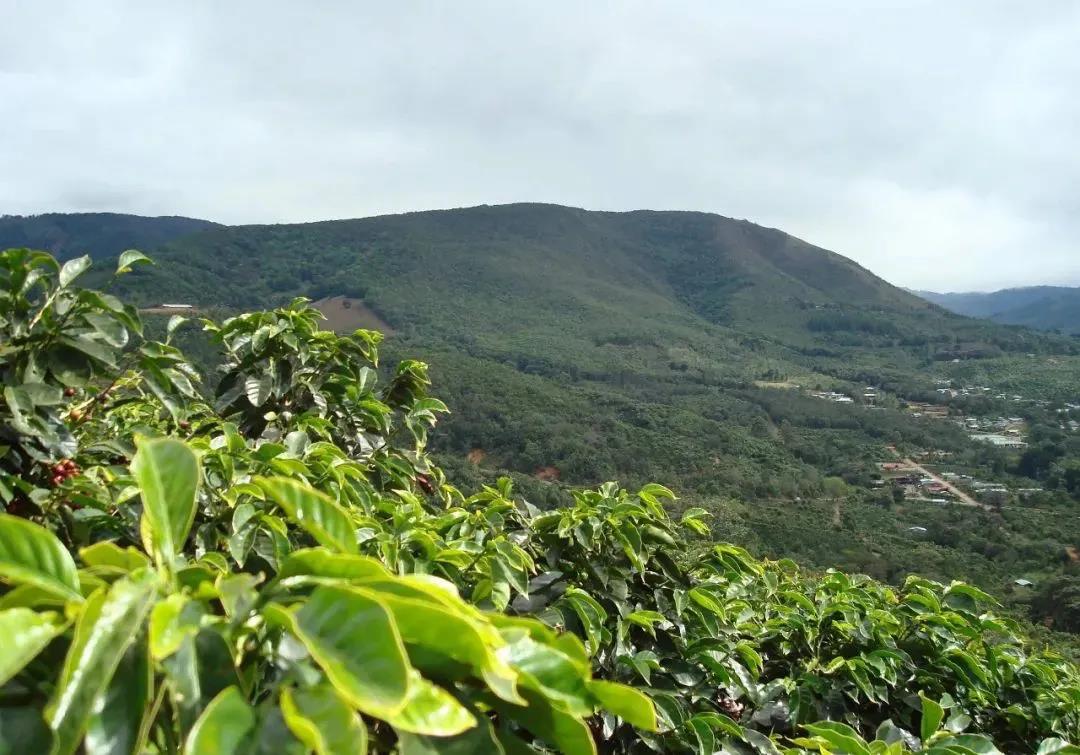
Candela Estate (Candela), whose name is derived from the swarms of fireflies in the area, is located at an altitude of 1,750 meters, not far from Mirazu. The region enjoys abundant water sources, moderate air humidity, and Tarrazú’s unique volcanic soil paired with a mild climate, resulting in significant day-night temperature variations. These conditions help coffee cherries accumulate richer flavor compounds, giving the resulting Geisha coffee more pronounced layers and aromatic depth—especially at high altitudes, where it showcases clear floral notes and delicate acidity that are hard to replicate at lower elevations.
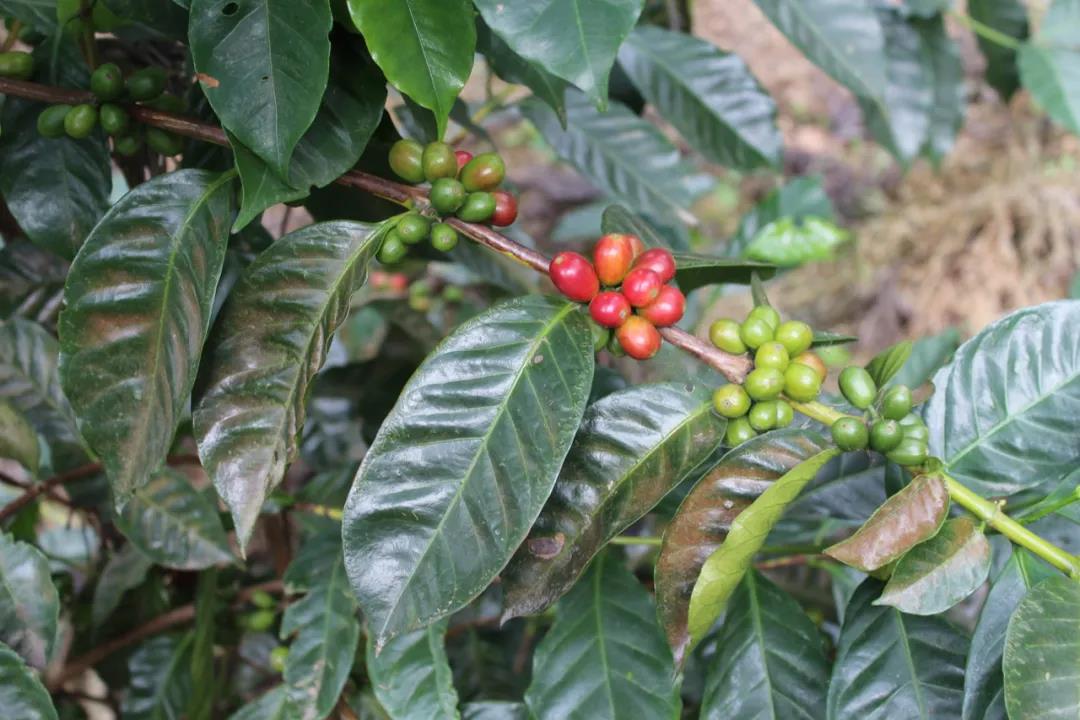
In terms of green bean processing, Candela Estate employs traditional washed processing. Through precise fermentation and washing procedures, it enhances the beans’ bright acidity and floral characteristics. The specific process includes: first removing the skin and part of the pulp, then allowing the mucilage-covered beans to ferment for about 24 hours, followed by rinsing off residual mucilage and impurities with clean water, and finally sun-drying or mechanically drying to reduce moisture content to around 12%, after which the outer parchment layer is removed. This method highlights the Geisha variety’s innate freshness and refined tone.
Mirazu Estate, on the other hand, opts for the raisin honey process—a sun-drying method that retains a high proportion of mucilage. First, harvested coffee cherries are sorted, then placed on raised beds to dry for at least three days before the skins are removed and the intact mucilage is retained for subsequent sun-drying. This process requires strict control of turning frequency and drying speed to ensure even fermentation without overdoing it. Practical cupping results show that this method significantly boosts sweetness and brings intense fermented aromas reminiscent of dried fruits, delivering a coffee with rich sweet layers and complex flavors.
In roasting, the Mirazu Geisha blend is processed using a Yangjia 800N roaster. The charge temperature is 175°C, with carefully adjusted heat and air settings, entering the first crack at 10’25” and dropping at 193.5°C. This enhances sweetness and body. The Candela Geisha is dropped at 190°C after the first crack begins at 8’30” with a charge temperature of 180°C, highlighting a brighter, cleaner acidity and aromatic profile. These two roast curves directly influence the flavor release during final extraction.
For actual pour-over brewing, use a V60 dripper with 15 grams of coffee, a 1:15 coffee-to-water ratio, 90°C water temperature, and a medium-fine grind size. It is recommended to use a three-stage pouring technique: start with a 30-gram bloom for 30 seconds; then pour 95 grams of water from the center outward in circles at a height of 3–5 cm, reaching a total of 125 grams; finally, pour another 100 grams to complete the full 225-gram brew, with a total extraction time of about 1 minute and 55 seconds. These parameters fully showcase the unique characteristics of both coffees, particularly highlighting the sweet fruity tones of the Mirazu blend and the bright floral notes of the Candela Estate.
In terms of overall flavor profile, the Mirazu Geisha blend presents pronounced raisin sweetness, a strawberry soft-candy-like sugary tone, and a creamy nutty finish; whereas the Candela Estate showcases gentle jasmine floral notes, a refreshing lemony acidity, and a honey-green-tea-like delicate aftertaste. Those who prefer rich sweetness and layered complexity should opt for the Mirazu blend; if you favor a cleaner, brighter acidity with a more subtle and elegant taste, the Candela washed Geisha is the more suitable choice.
The above content is compiled by CoffeeHunters, a coffee news website.


