







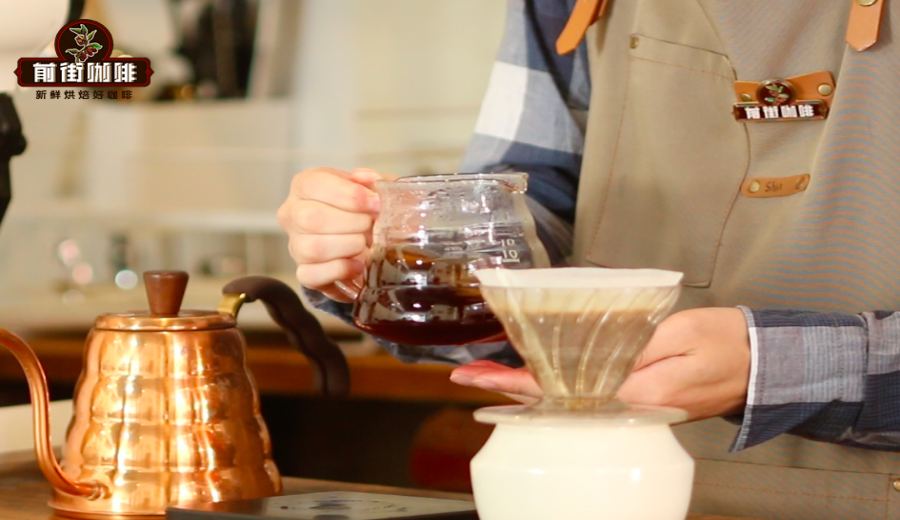
Introduction:Want to brew Colombian coffee at home with a pour over method to bring out its signature hazelnut and chocolate aromas? This article delves into the characteristics of beans from Colombia’s four renowned regions — Huila, Santander, Tolima, and Cauca — covering roasting recommendations, water flow control, and step extraction techniques. With practical brewing parameters and flavor guidance, it helps you consistently present classic flavor layers.
Colombian coffee has long held a place in the specialty coffee market thanks to its consistent quality and diverse regional flavors. The country’s mountainous terrain and microclimates allow its coffee to showcase a rich range of aromatic profiles from north to south, especially noted for its balance of nuts, caramel, and dark chocolate. If you want to precisely capture the classic flavors of Colombian coffee through pour over brewing, understanding the characteristics of different regions and precise extraction strategies is key.
Located in the central Andes, Colombia features diverse topography along with high altitudes and fertile volcanic soil, providing ideal growing conditions for coffee trees. Up to 590 towns across the country grow coffee, with around 80% being small-scale family farms, often with plots smaller than one hectare. This family-run model not only preserves traditional methods but also brings a more nuanced and human touch to coffee cultivation and harvesting.
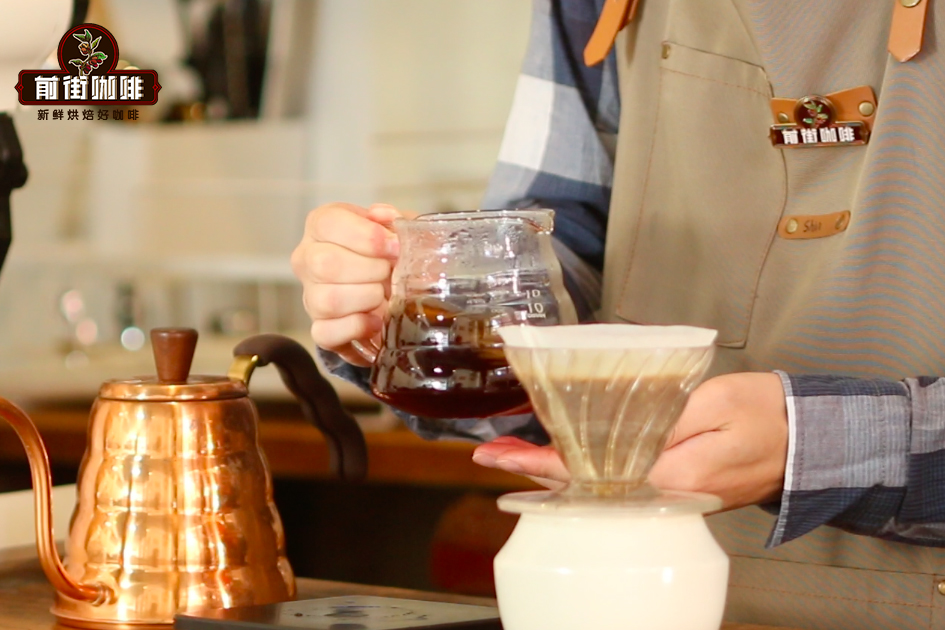
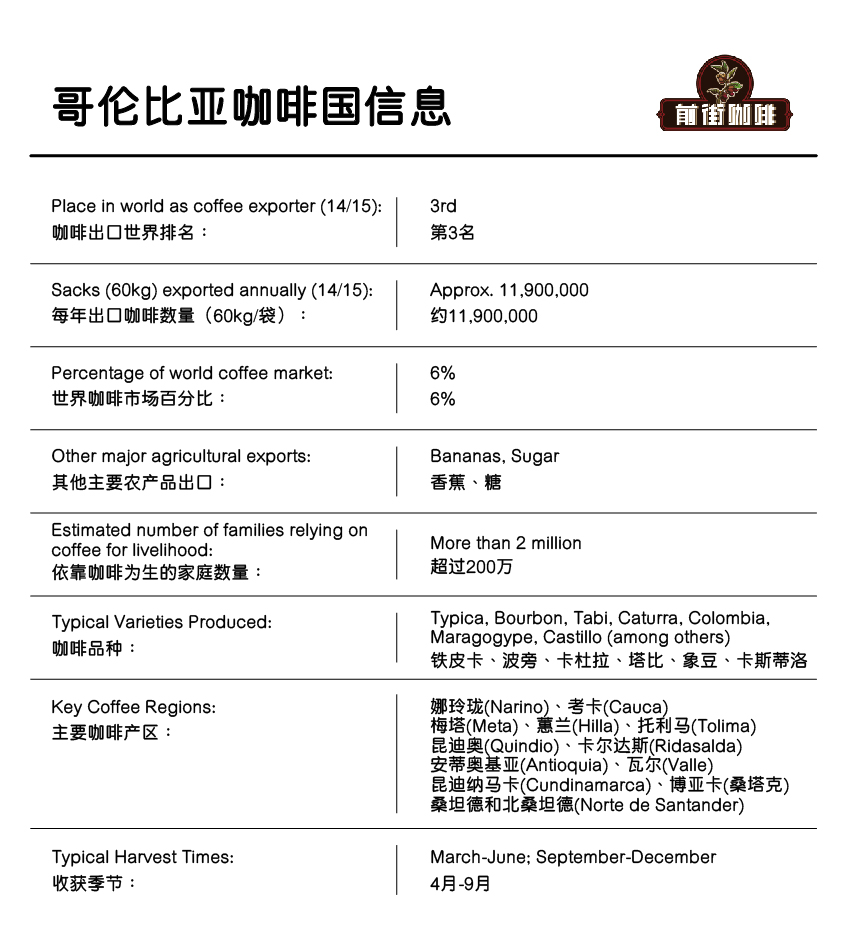
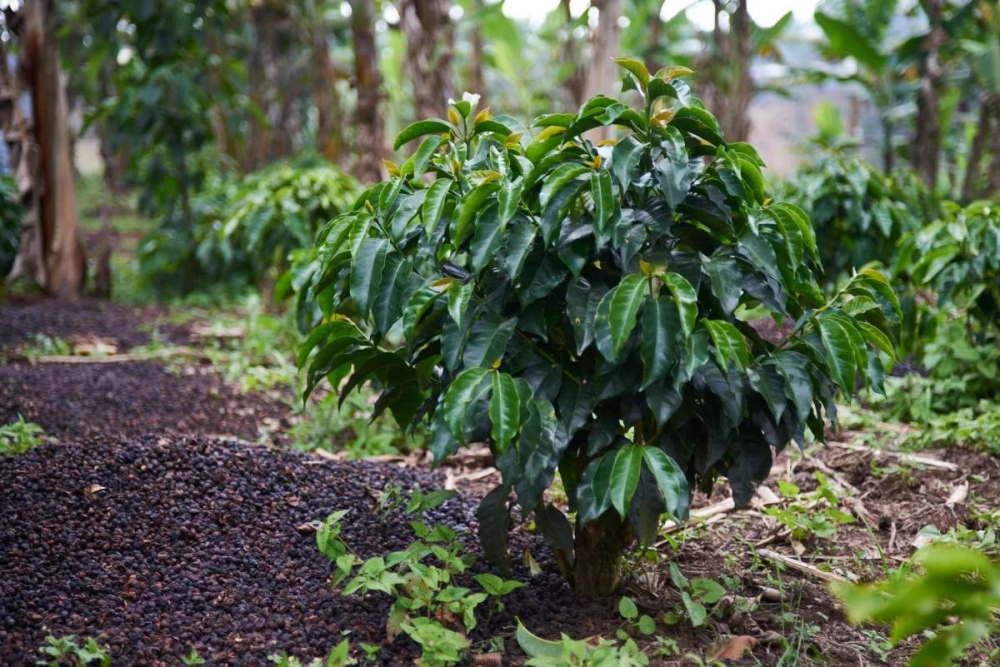
In terms of variety, Colombia grows mostly classic Arabica varieties such as Caturra, Bourbon, and Typica, as well as disease-resistant ones like Castillo and Tabi. Most coffee is processed using the washed method, which, through refined fermentation and washing, gives the beans a clean and bright foundational flavor. Since most farmers rely on hand-picking, only ripe red cherries are harvested, further enhancing the richness and consistency of the final flavors.
Next, we’ll use coffee beans from four representative regions as examples to explain their respective suitable roast profiles, pour over parameters, and how to highlight their most iconic hazelnut, dark chocolate, and caramel flavors through step extraction.
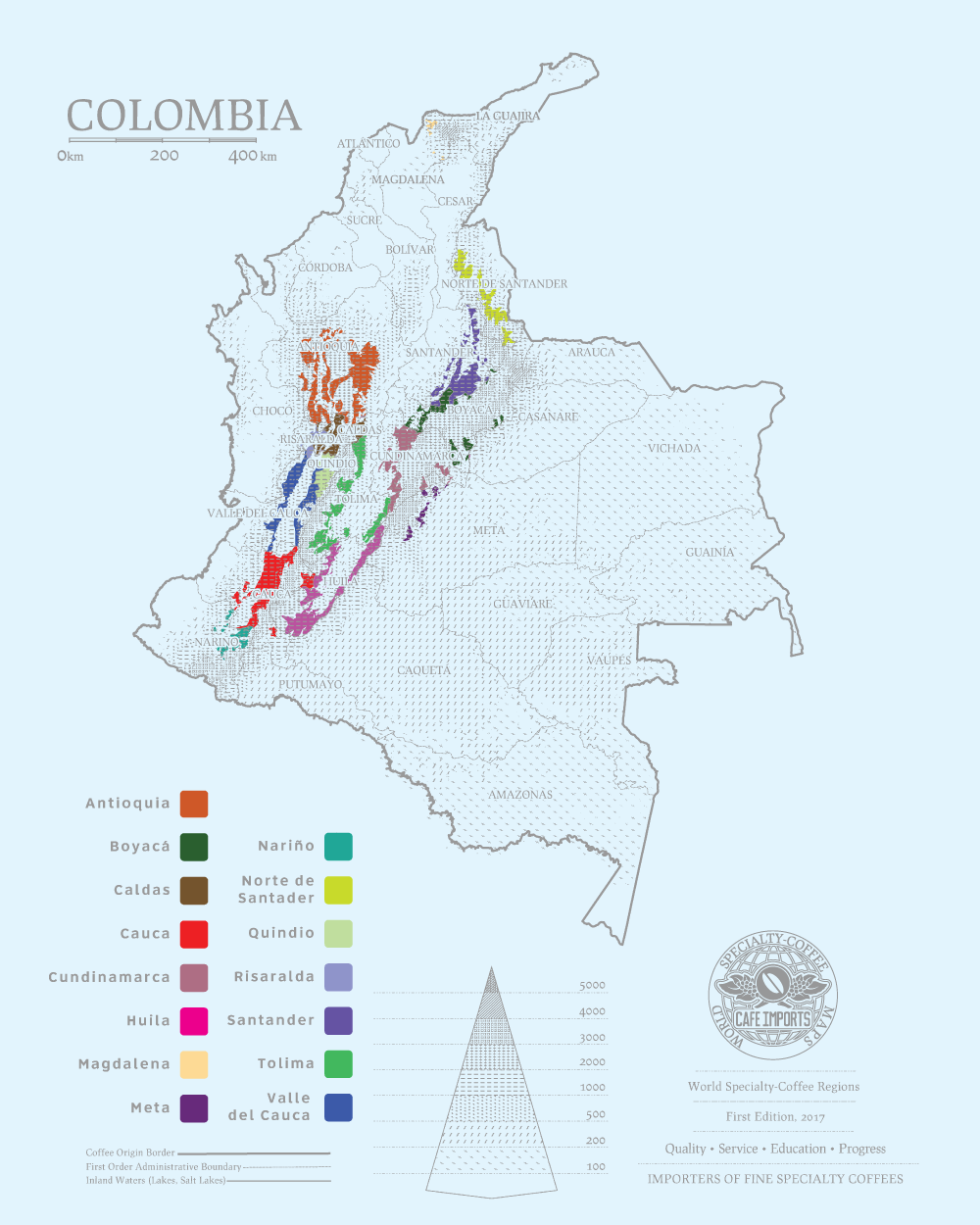
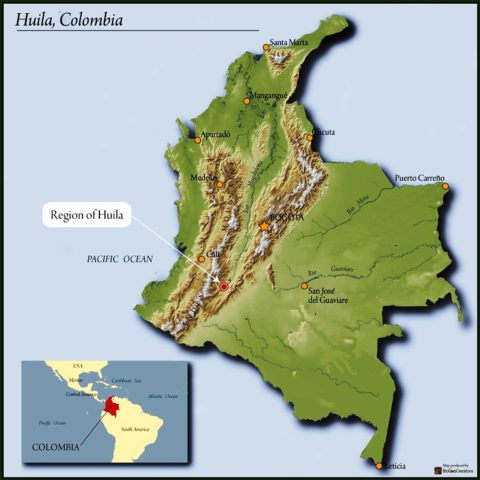
First up,the Huila region. Its coffee is mostly grown at elevations between 1500 and 1800 meters, predominantly the Caturra variety, and processed using the washed method. These beans typically offer a good balance of acidity and sweetness, and medium to dark roasting can further accentuate the aromas of nuts and dark chocolate. It’s recommended to slightly extend the roasting time after the first crack, with the drop temperature controlled at around 202°C, to bring out a richer caramel finish.
For pour over, it’s suggested to use a KONO filter, with water temperature around 86–87°C, a 1:15 coffee-to-water ratio, and grind size at about 75% through a #20 sieve. Use a step extraction method: start with a 30g bloom for 30 seconds, then pour to 125g, wait for the water level to drop, then pour to 225g, keeping total extraction time around 2 minutes. This way, you’ll clearly taste the dominant notes of dark chocolate, nuts, and caramel, with a soft fruity acidity emerging as the temperature slightly drops.
Next isthe Santander region, located in northern Colombia at elevations of about 1400–1600 meters. The coffee here is mainly of the Typica variety, with some certified by Rainforest Alliance, and features low acidity, bold body, and herbal notes. A medium-light to medium roast is recommended to highlight the bean’s distinct personality, with attention to balancing the turn-around point and first crack development during roasting.
For pour over, you can choose a Hario V60 filter, increase the water temperature to 90–92°C, adjust the grind to 80% through a #20 sieve, while maintaining the 1:15 coffee-to-water ratio. Use a three-stage pouring method as well: a 30g bloom, then pour to 125g and 225g, with total time kept at around 2 minutes. This combination tends to bring out floral notes, bright acidity, and a fresh berry-like taste, with layered fruit flavors reminiscent of grapes, strawberries, and green plums upon tasting.
The Tolima regionis known for its high altitude and cooperative farming model, with growing elevations similar to Huila and processing methods also mostly washed. The Geisha variety produced here, when lightly roasted, can perfectly showcase citrus tones and a tea-like clean finish. Roasting should use medium heat, with the focus on preserving the bean’s inherent flavors.
For pour over, it’s recommended to use a V60 or a cone-shaped (cake) filter, maintaining a water temperature of 90–92°C, a 1:15 ratio, and a grind size similar to before. Follow the same pouring strategy, starting with a 30g bloom, then pouring to 125g and 225g. This brewing method allows you to enjoy distinct citrus acidity and a refreshing green tea-like feel, transitioning into sweet notes of honey and oolong tea as it cools — a coffee with clear layers and a long-lasting aftertaste.
Finally,the Cauca region, which has an even higher average elevation of about 1758 meters, making it one of the highest coffee-growing areas in Colombia. The large diurnal temperature variation greatly benefits sugar accumulation and acidity development. The area mainly grows the Pink Bourbon variety, and washed processing often results in bright fruity acidity and delicate sweetness. This type of coffee is suitable for medium-light roasting to highlight the balance of acidity and sweetness, while better preserving the subtle berry and floral notes.
For pour over, it’s suggested to use a Hario V60, reduce the water temperature to 90°C, keep the 1:15 ratio, and use a grind size of 80% through a #20 sieve. Use the same 30g bloom and 125g & 225g step pours, with total time controlled at around 2 minutes. This approach lets you experience rich fruit aromas like peach, plum, and grapefruit, paired with creamy, roasted almond, and cocoa notes, and a tea- and flower-toned aftertaste, all in a very balanced and delicate overall profile.
Additionally, most Colombian coffee is processed via the washed method, which involves using specialized depulping machines to remove the fruit pulp, followed by fermentation and washing of the parchment coffee. This effectively reduces impurities and preserves the pure coffee flavor. This process is also one of the reasons why Colombian coffee generally has a clean, bright base tone.
In summary, to brew Colombian coffee at home with hazelnut and chocolate flavors, besides selecting the right region and roast level, accurately controlling water temperature, grind size, and pouring rhythm is key. Whether you prefer the rich caramel notes of Huila, the fresh fruity tones of Santander, or the delicate acidity and sweetness of Cauca, mastering these tips will help you extract the classic flavor layers of Colombian coffee step by step through your pour over technique.

The above content is compiled by CoffeeHunters, a coffee news website.


