







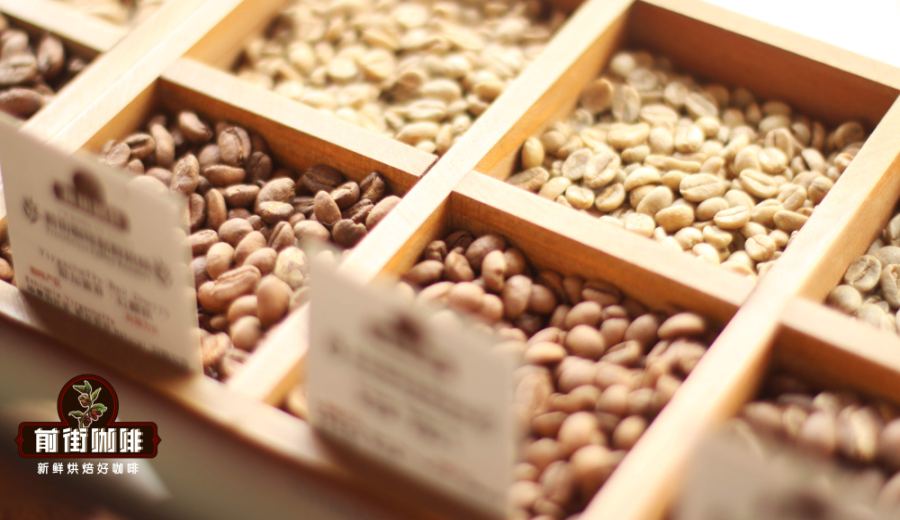
Introduction:From TOH cupping competition champion to the legend that defeated Geisha, Ethiopian Hua Kui coffee beans have captured the hearts of coffee lovers worldwide with their unique floral and fruity flavor profiles. This article delves into the origin, processing method, and variety characteristics of the Hua Kui 8.0 Natural beans, and provides professional pour over recommendations—including V60 filter parameters, water temperature control, and a three-stage extraction process—to help you fully master the brewing techniques and richly layered flavors of this star coffee bean.
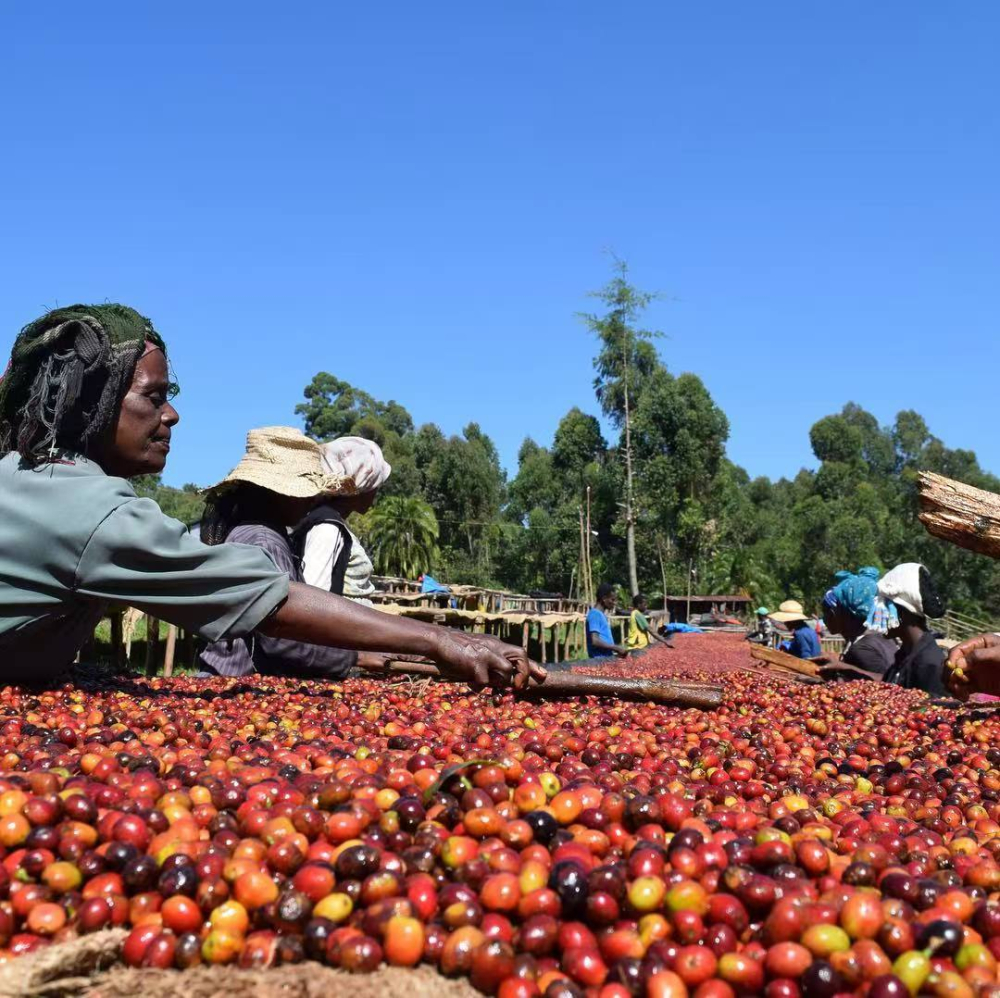
The story of Hua Kui coffee beans begins with a small microlot from Ethiopia’s Guji region. Located near Yirgacheffe, this area features fertile black soil with a depth of up to two meters, providing a solid foundation for coffee plant growth. With an average altitude exceeding 1,800 meters, significant day-night temperature variations, coupled with naturally organic reddish-brown soil and abundant rainfall, the region produces coffee cherries with vibrant acidity and refined flavors. Notably, local farmers insist on handpicking only fully ripe red cherries, ensuring that only those with a sugar content of 21 or above enter the natural drying process.
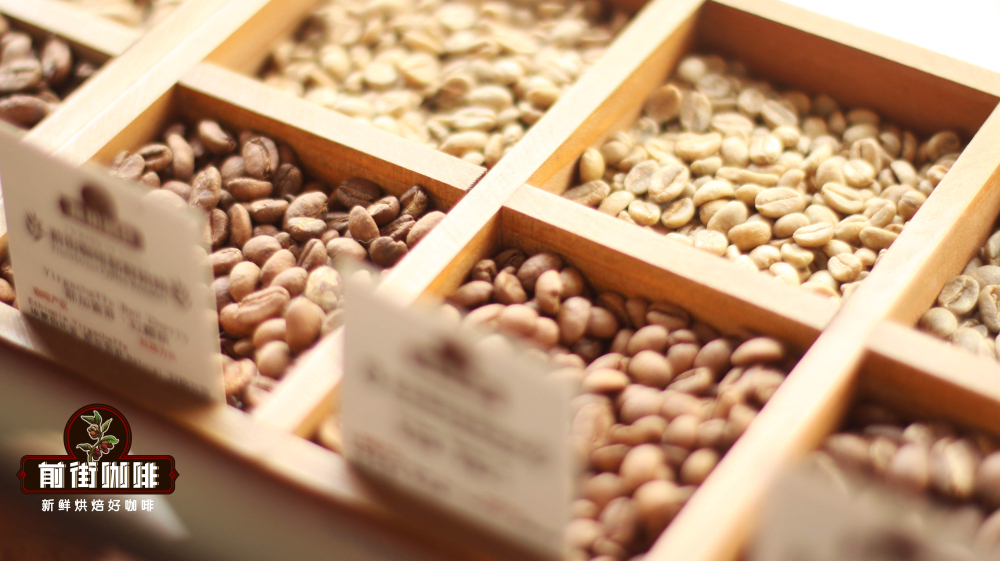
This highly anticipated coffee bean first rose to fame in 2017 at the TOH (the Taste Of Harvest) East African green coffee cupping competition. That year, the natural lot from the Buku washing station won the championship with its intense berry notes, smooth mouthfeel, and high sweetness. It was subsequently introduced to China by a Chinese green coffee importer and named "Hua Kui," symbolizing its extraordinary flavor charm. What truly catapulted Hua Kui to stardom was when Li Jianfei, the 2017 runner-up in China's Siphon Coffee Championship, used this lot to defeat numerous Geisha entries, proving that natural Ethiopian beans could also shine on the international stage.
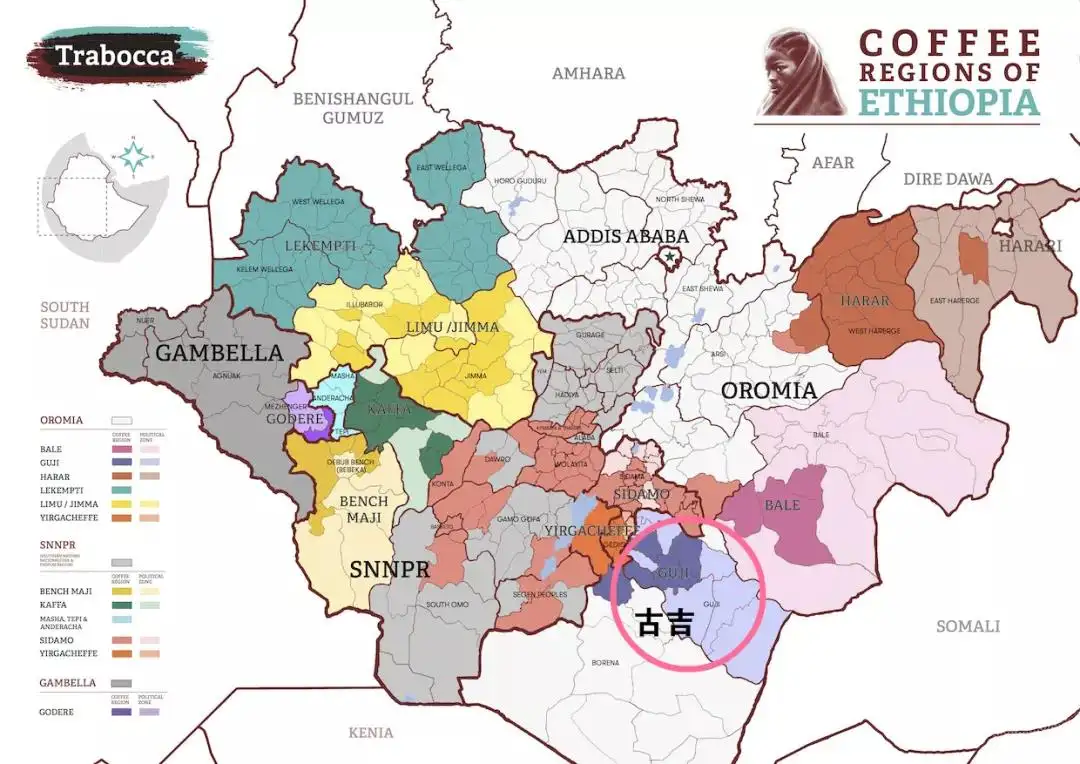
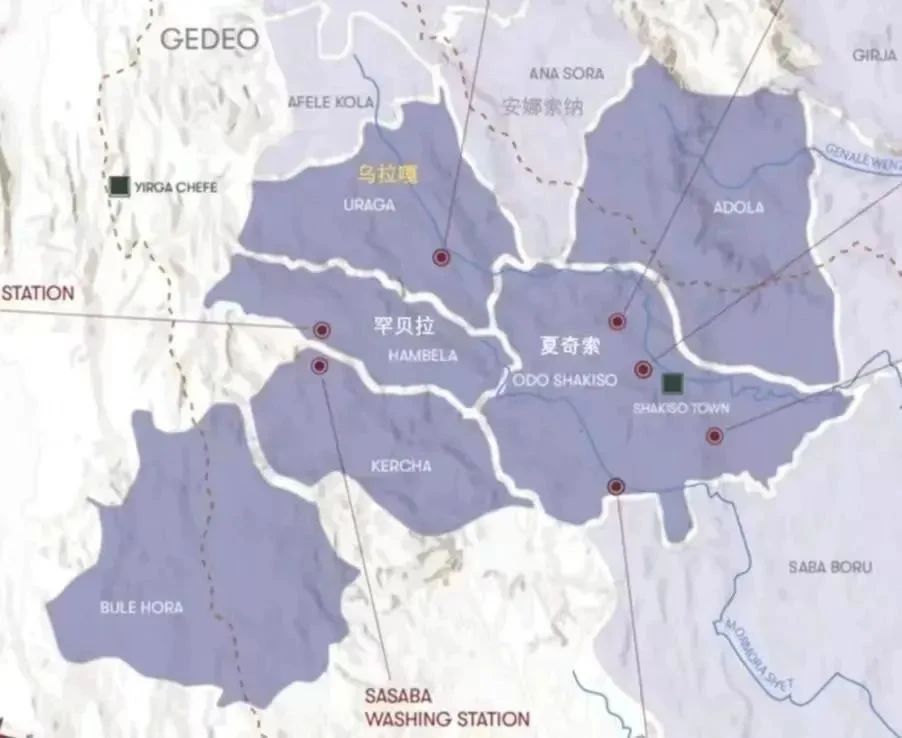
Regarding the authentic identity of "Hua Kui," it’s important to clarify: only natural beans processed at the Buku Abel washing station in Dimtu, the core area of Hambella, qualify for this name. The currently circulating X.0 series is a numbering system established by DW Company to distinguish yearly flavor variations, evolving from Hua Kui 2.0 in 2018 to Hua Kui 8.0 in 2024. It’s worth noting that although Hua Kui belongs to the Ethiopian Heirloom variety—a broad term encompassing thousands of unverified wild genotypes—its beans are typically smaller and irregular in appearance, yet often boast captivating floral and fruity notes.
When you receive Hua Kui 8.0 green beans, you can observe their unique fermentation aroma, distinctly different from the typical grassy scent. The beans have a moisture content of around 11%, moderate hardness but high density. Before brewing, it is recommended to extend the initial drying phase and carefully control the temperature before the first crack to preserve the delicate volatile aromatic compounds. Here are professional-grade pour over parameters: use a V60 #01 filter, set the water temperature between 90-91°C, use 15 grams of coffee, a 1:15 coffee-to-water ratio, and medium-fine grind (80% passing through a 20-mesh sieve per Chinese standards). The specific method follows a three-stage extraction—start with a 30-second bloom using 30 grams of water, then pour in a small circular motion until reaching 125 grams for the first stage break, and continue pouring until 225 grams just as the coffee bed begins to show, for a total extraction time of about 2 minutes.
The flavor profile of Hua Kui 8.0 Natural beans is vividly expressive: when hot, it bursts with bright floral and berry acidity, gradually revealing a sweet-acid balance of citrus and plum as it cools, with a lingering finish of juicy mango-like fruitiness and honey sweetness, finally settling into a smooth black tea-like aftertaste. This bean is not only ideal for single-origin enthusiasts seeking layered complexity but also serves as an excellent representation of the terroir characteristics of Ethiopia’s Guji region.
The above content is compiled by CoffeeHunters, a coffee news website.


