







Introduction:Yirgacheffe is Ethiopia's most iconic specialty coffee region, renowned for its delicate floral notes and bright acidity. This article delves into the origins of its flavor profile, compares the differences between washed and natural processing methods, and provides professional pour-over and drip bag brewing parameters to help readers master the brewing techniques for this classic bean. Whether you're a beginner or an advanced enthusiast, you'll find a brewing style that suits your taste.
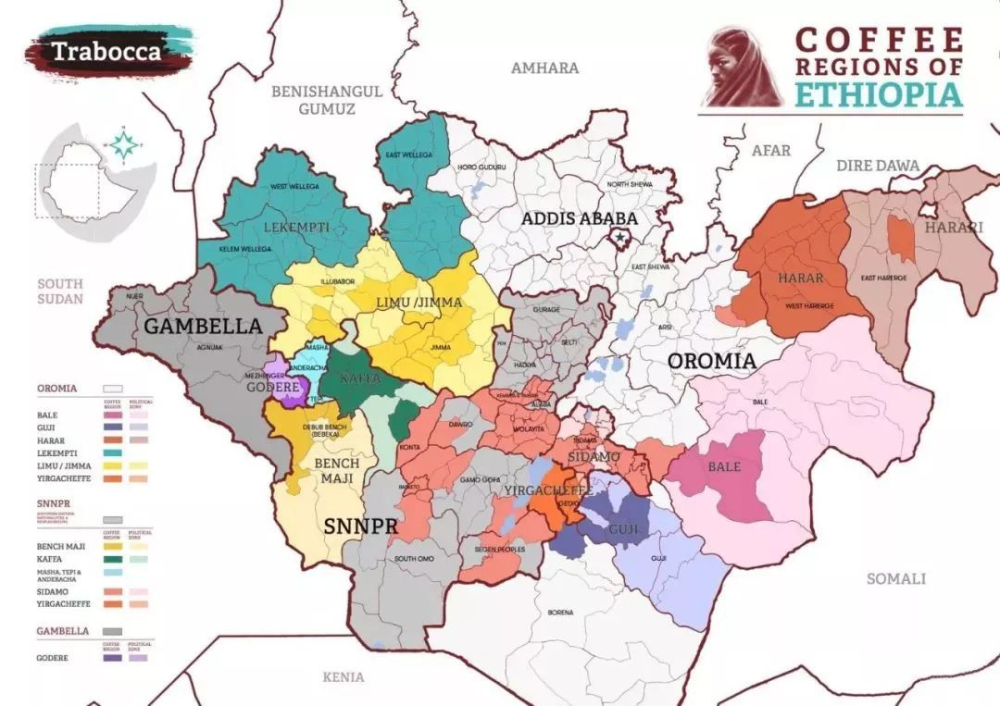
The Yirgacheffe coffee region is located in southern Ethiopia and is a dream destination for specialty coffee lovers worldwide. The beans produced here are celebrated for their unique white floral notes, citrus tones, and delicate mouthfeel, making them a top choice for many newcomers to specialty coffee. What exactly creates Yirgacheffe's distinctive flavor profile? Let’s explore the charm of this classic coffee through its regional history, processing differences, and practical brewing tips.

Many people new to pour-over coffee are often surprised by the acidity of the brew—black coffee doesn’t have to be bitter. Yirgacheffe is a prime example that breaks this stereotype, with its fresh, bright floral and fruity aromas that often win drinkers over after just one try. Interestingly, many coffee shop menus don’t list “Yirgacheffe” as a standalone option because it’s actually a sub-region under Ethiopia’s Sidamo region. It later gained independent status due to its uniquely distinctive flavor. This history also explains why you often see coffee beans labeled as “Sidamo · Yirgacheffe” on the market.
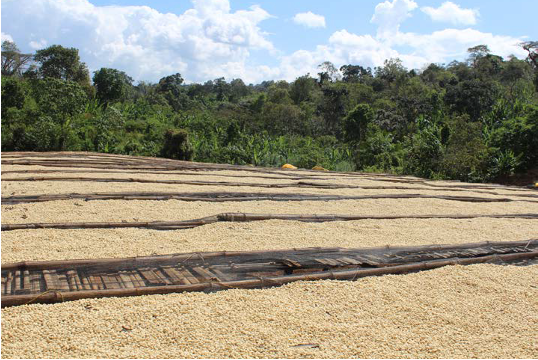
The reason Yirgacheffe can exhibit such unique floral notes is closely tied to its local processing techniques. Among these,Washed Processingis the most common method. This technique involves first removing the outer skin and pulp of the coffee cherry, leaving the mucilage-covered parchment bean. The beans then undergo fermentation in water tanks to remove the mucilage layer. After fermentation, the parchment beans are dried on raised beds to avoid ground contamination. This process preserves the purest essence of the coffee, highlighting bright acidity and delicate floral notes, often described as having a “bouquet” of layered aromas.

In contrast,Natural Processingtakes a completely different flavor approach. This traditional method involves drying the whole coffee cherry directly in the sun, allowing the sugars in the fruit and mucilage to fully participate in fermentation. Naturally processed Yirgacheffe typically features a richer sweetness, a fuller body, and pronounced berry and fermentation aromas. Common examples include “Red Cherry” and “Konga,” which showcase a vibrant tropical fruit character.
For readers who want to brew Yirgacheffe at home, it’s recommended to use a Hario V60 filter cone, with a water temperature of 90°C and a coffee-to-water ratio of 1:15. Specific parameters can be set to 15 grams of coffee grounds and 225 grams of hot water, with a total extraction time of about 2 minutes. The first step is a 30-second bloom (pouring 30 grams of water) to help release CO₂ from the coffee grounds. Then, pour water in a slow circular motion until reaching 125 grams, and continue pouring to the target weight once the water level drops. This method fully extracts the floral and citrus notes while avoiding over-extraction, which can lead to bitterness.
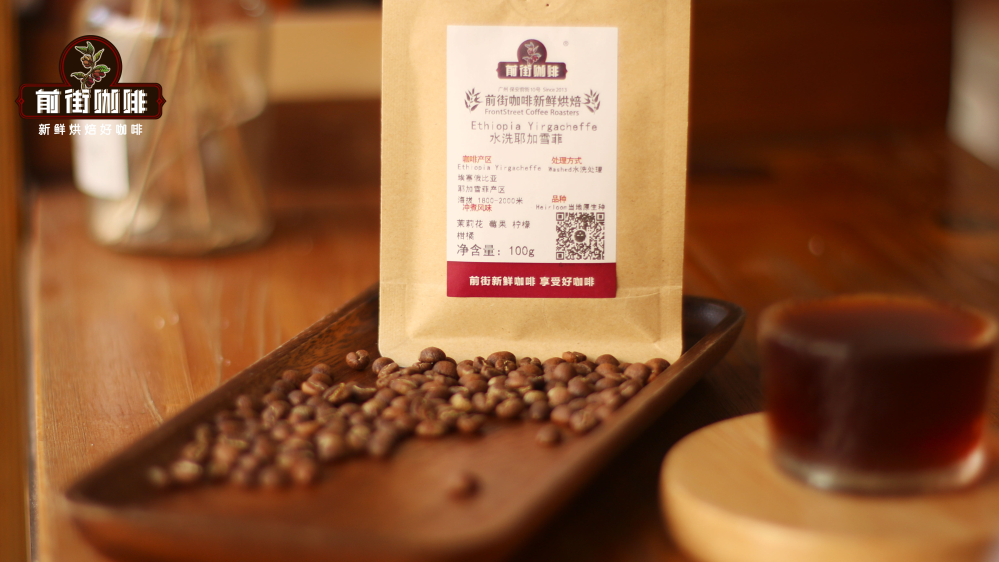
If you choose drip bags, it’s recommended to pour 150–180 milliliters of hot water for each 10-gram serving, divided into three pours: first wetting the coffee layer (about half the water), pausing for 20 seconds, and then adding the remaining water in two more steps until nearly full. Since most Yirgacheffe beans are medium to light roasts, the coffee filtered through drip bags has less oil but retains a clear balance of acidity and sweetness. For example, the “Guodingding” drip bag offers a green tea-like mouthfeel and delicate floral notes, while the “Red Cherry” presents the sweet fermentation aroma of ripe fruit, with a honey-like sweetness in the aftertaste.
Whether you prefer the refreshing profile of washed processing or the bold richness of natural processing, Yirgacheffe showcases the unique charm of Ethiopian coffee. Once you master the right brewing parameters, this classic bean will take you on a full-flavored journey from floral notes to fruity acidity. It’s an excellent choice for everyday enjoyment or for diving deeper into the world of specialty coffee.
The above content is compiled by CoffeeHunters, a coffee news website.


