







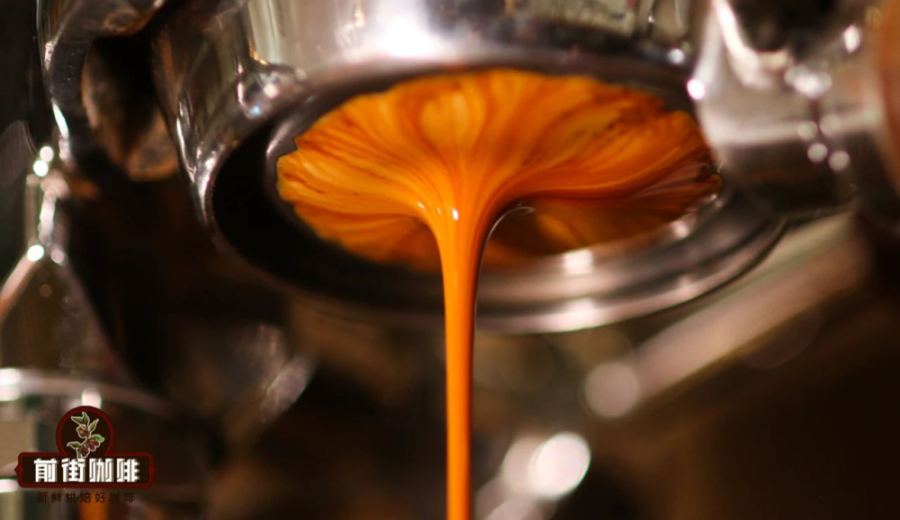
Introduction:Many coffee enthusiasts feel puzzled when selecting coffee beans for their home espresso machines, especially when it comes to whether light roasts are suitable for making espresso. This article delves into how beans of different roast levels perform under espresso extraction, and carefully selects five representative blends and single-origin beans, covering commercial, specialty, and SOE tiers. It provides a detailed analysis of their flavor profiles, suitable brewing methods, and practical bean selection advice to help you achieve a stable and layered home espresso experience.
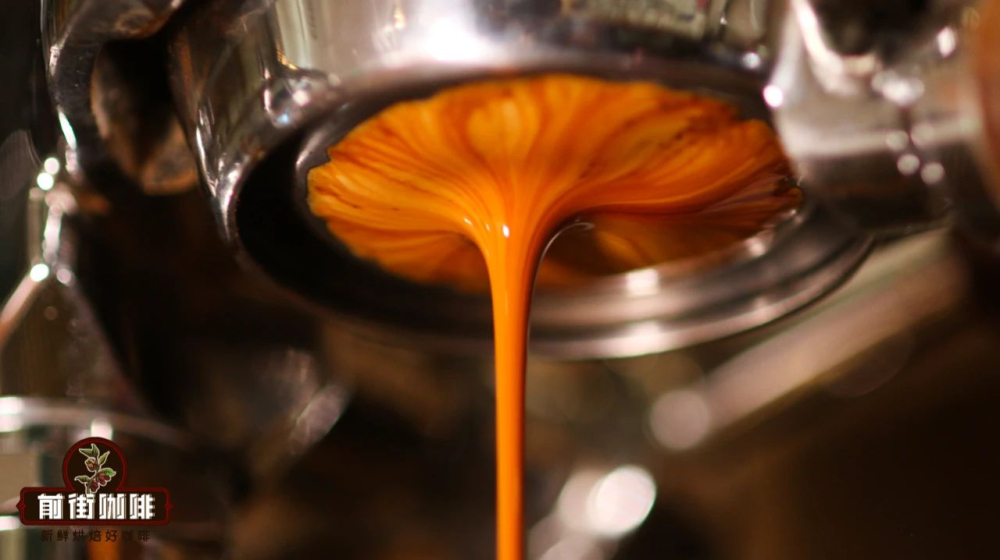
The world of coffee offers a variety of brewing methods, from pour over and French press to AeroPress, each with its unique extraction logic and bean requirements. Among them, the espresso machine combines high temperature, high pressure, and extremely fine grinding to concentrate the essence of coffee into a small cup. This intense extraction method also amplifies the characteristics of the beans, making both their strengths and weaknesses unmistakably clear.
Generally speaking, light-roasted beans, due to their shorter development time, often exhibit bright acidity and fruity notes. However, under the high-pressure environment of espresso extraction, these traits can easily turn into sharp acidity, affecting the overall balance of flavors. Conversely, overly dark roasts, while capable of delivering intense bitterness, sweetness, and roasted aromas, may also introduce smoky or charred burnt notes. Therefore, most professional baristas recommend that if you want to achieve stable and well-balanced espresso at home using an espresso machine, you should prioritize medium to medium-dark roasted beans.
Next, we will introduce several types of coffee beans suitable for home espresso machines, including classic blends, floral- and fruity-toned blends, specialty blends, commercial-grade blends, and single-origin SOEs. Each has a distinct flavor profile and applicable scenarios to help you tailor the coffee experience to your personal preferences.
For readers who prefer a rich and bold taste, consider a classic espresso blend combining beans from Brazil, Indonesia, and Vietnam. This formula is usually medium-dark to dark roasted, effectively bringing out the caramel, chocolate, and nutty base notes of the beans, along with a thick crema and smooth mouthfeel. Whether enjoyed straight or with milk in a latte or cappuccino, it delivers a full-bodied and layered flavor.
If you’re more drawn to espresso with floral and fruity notes, you can opt for a blend primarily medium roasted. Such beans often combine coffees from Central America and Africa—for example, honey-processed Costa Rica Tarrazú and Ethiopian natural beans—supplemented with an appropriate amount of South American beans to balance the overall flavor. When extracted through an espresso machine, these beans not only showcase gentle crema and a delicate texture but also bring out a mild acidity and sweet aroma reminiscent of strawberry taffy, making them ideal for coffee lovers who enjoy refreshing acidity and fruity layers.
Another noteworthy combination is pairing beans from two renowned regions: Brazil and Colombia. Brazilian beans are known for their stable nutty tones and balanced acidity-sweetness ratio, while Colombian beans often carry chocolate and caramel aromas. When combined and medium roasted, they present a composite flavor of buttery cookies, cocoa, and roasted nuts under espresso extraction, suitable for everyday drinking with a focus on balance and depth.
For readers on a budget but still hoping to replicate café-quality Americanos and lattes at home, a medium-dark roasted commercial blend is a cost-effective and practical choice. Such beans are typically a mix of Brazilian, Colombian, and Vietnamese origins, roasted at high temperatures to bring out intense caramelized and roasted flavors. Whether brewed as an Americano or paired with milk, they offer a smooth and full-bodied taste, making them an ideal option for daily home consumption.
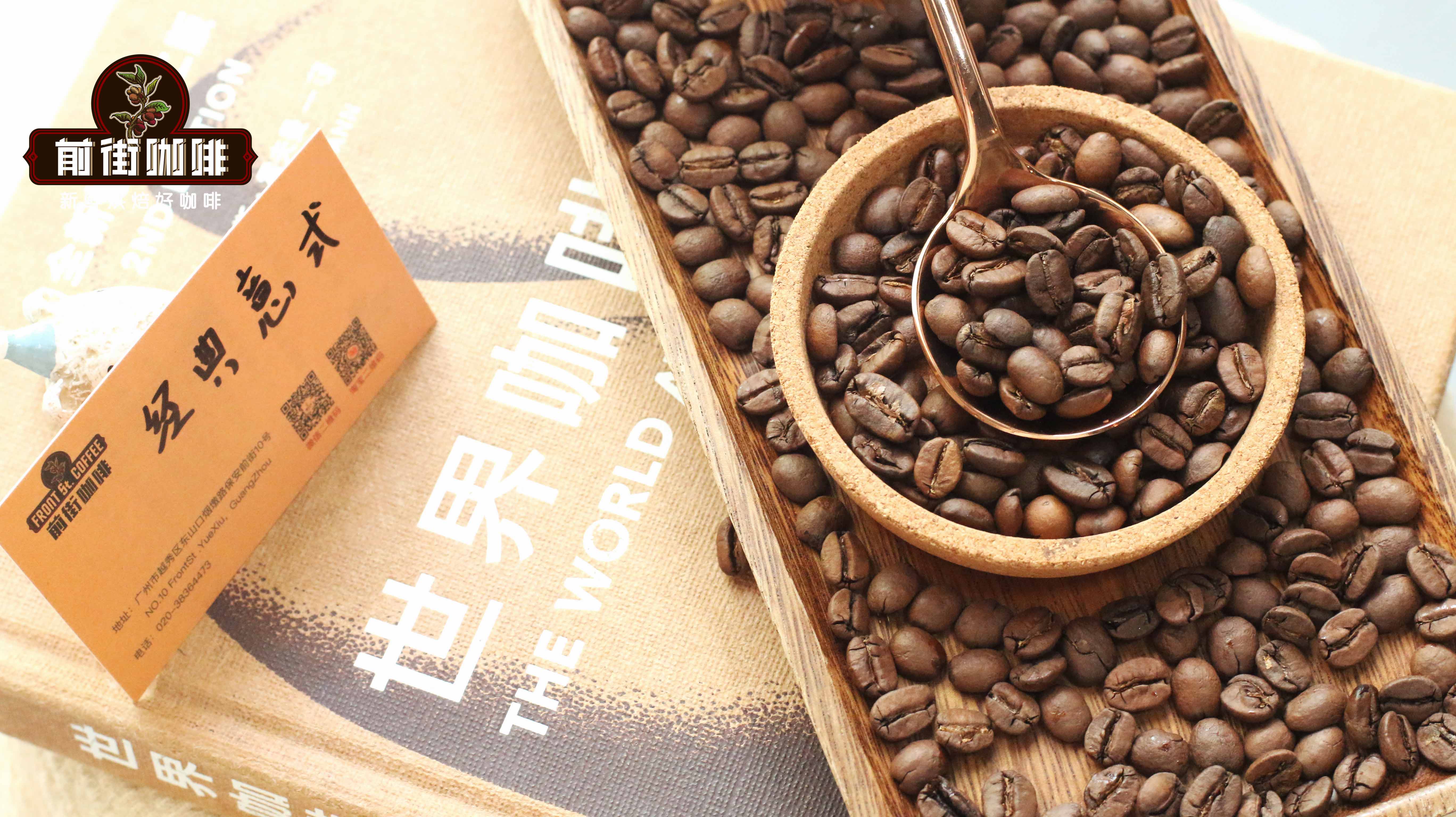
Finally, if you’re already familiar with espresso extraction and want to challenge yourself with higher-tier single-origin coffee, you can try an SOE (Single Origin Espresso). Take, for example, the Ethiopian Guji region’s Hambela natural beans—these often feature distinct berry, citrus, and black tea flavors. A medium roast is recommended to balance their bright acidity and rich aromatics. As an SOE Americano, it showcases refreshing berry notes and subtle floral hints; when milk is added to make a latte, it further highlights soft layers of cranberry cookie, cocoa, and milk candy—suitable for advanced enthusiasts exploring flavor potential.
The above content is compiled by CoffeeHunters, a coffee news website.


