







Introduction:Want to brew a bright and clear Yirgacheffe at home? This article focuses on light-roast Yirgacheffe coffee beans, detailing the characteristics of the producing region, the differences between washed and natural processing methods, and providing practical grind-to-water ratio suggestions. With specific pouring schemes from 15g to 20g of coffee grounds, along with a three-stage V60 pour over method, it helps you master the optimal extraction parameters and consistently highlight the bright citrus notes and delicate floral aromas.
As a representative specialty coffee region in Ethiopia, Yirgacheffe is widely loved by coffee enthusiasts for its unique floral and citrus profiles. These high-altitude-grown coffee beans not only possess bright acidity but also offer a silky mouthfeel and rich layers of aroma. For home brewers who enjoy pour over, mastering the right grind-to-water ratio and extraction parameters for Yirgacheffe is key to achieving the ideal flavor.
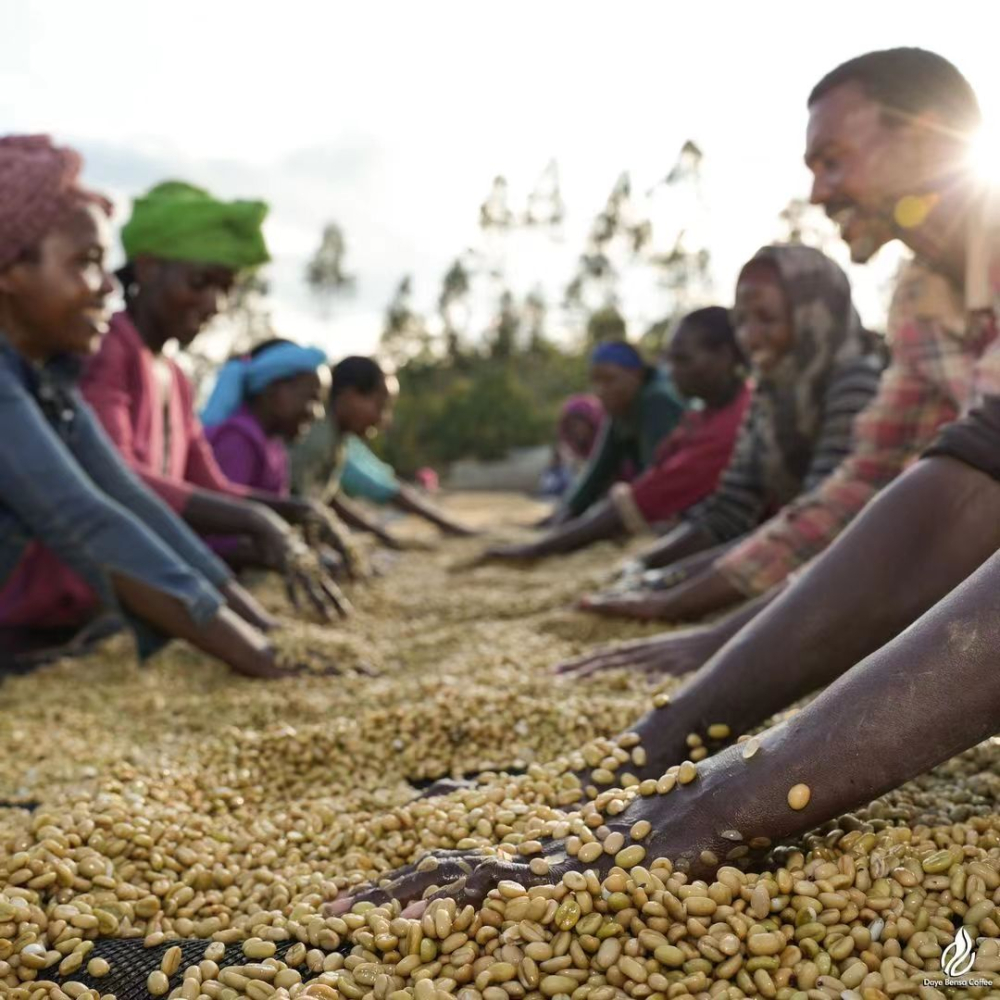
Located on the eastern side of the East African Rift Valley, Yirgacheffe features rugged terrain and an elevation of about 1,800 to 2,000 meters, making it one of the highest-altitude coffee-growing regions in Ethiopia. The area has abundant water sources, especially near Lake Abaya, which provides an excellent foundation for washed processing. With its refreshing climate and moderate rainfall throughout the year, Yirgacheffe produces coffee beans with distinctive natural flavor characteristics. Though Yirgacheffe is a small town within the Sidamo region, its outstanding flavor profile often leads it to be regarded as a major producing region on its own. Additionally, nearby micro-regions such as Wenago, Kochere, and Gelena Abaya are also grouped under the broader Yirgacheffe area due to their similar flavor expressions.
Interestingly, the name "Yirgacheffe" means "let us settle in this wetland" in the local language, where "yirga" means to settle and "cheffe" refers to a wetland—reflecting the area's moist and coffee-friendly natural environment.
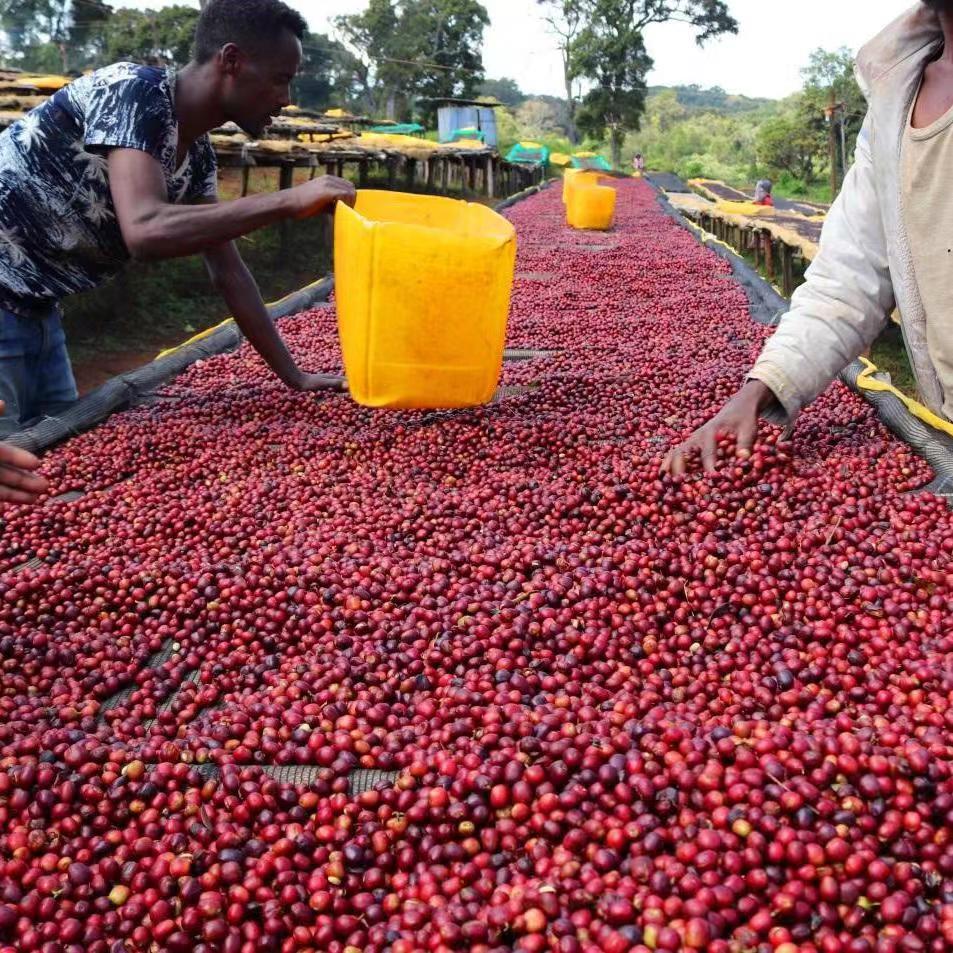
In terms of processing methods, Yirgacheffe coffee beans can be divided into two main categories: natural (sun-dried) and washed, each delivering distinctly different flavor profiles. Washed Yirgacheffe typically exhibits clean citrus notes, elegant white floral aromas, and bright acidity, resulting in a refreshing and layered cup; whereas natural-processed Yirgacheffe tends to have more intense tropical fruit and berry aromas, along with a fuller sweetness and fermentation-driven complexity, leading to a richer and more robust mouthfeel.
For example, washed Yirgacheffe often features flavors such as citrus, lemon, berries, cane sugar, and green tea, with bright acidity and a clean mouthfeel; while natural Yirgacheffe may present notes of berries, lemon, strawberry, and fermentative wine-like aromas, offering a stronger sweetness and more complex profile. Both processing methods have their fans, so it’s recommended to choose based on personal taste preferences.
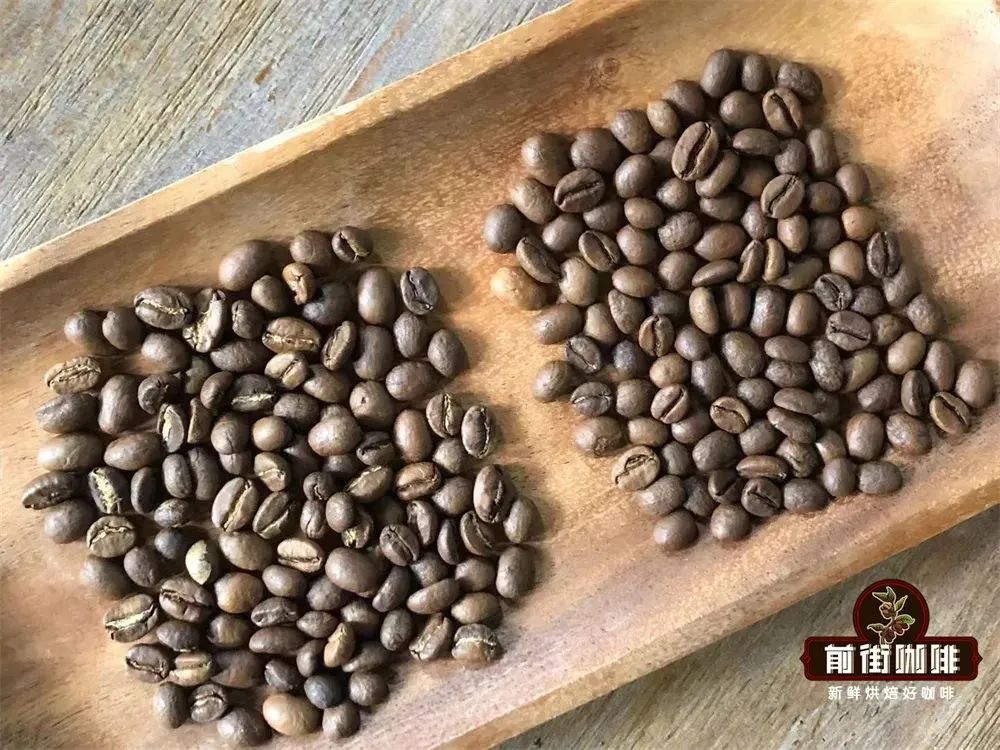
When it comes to pour over brewing, the choice of grind-to-water ratio has a direct impact on flavor expression. Generally speaking,a 1:15 to 1:16 grind-to-water ratiois recommended for light-roast Yirgacheffe. If you prefer a stronger body, you can go with 1:15; if you want the flavors to be clearer, with more pronounced floral and sweet notes, then a 1:16 ratio is advised, allowing the coffee flavors to unfold more gracefully.
For a practical example, when brewing a single serving, it’s common to use15g of coffee grounds with 225g of water, which is a 1:15 ratio; for 2–3 servings, it’s recommended to use20g of coffee grounds with 300g of water, maintaining the 1:15 ratio to achieve a balanced strength. This grind-to-water combination allows the coffee’s acidity and sweetness to be well-balanced while showcasing the fine and layered characteristics unique to Yirgacheffe.
In terms of equipment and parameters, it’s recommended to use a V60 dripper,with water temperature controlled between 92–93°C—this higher temperature helps fully extract the aromas and fruity acidity of light-roast beans. The grind size is recommended to be medium-fine, similar to the size of fine sugar, or with a 20-mesh sieve passing rate of around 78% as a reference. This grind level ensures effective extraction of flavor compounds in hot water without being too fine, which could lead to over-extraction and bitterness.
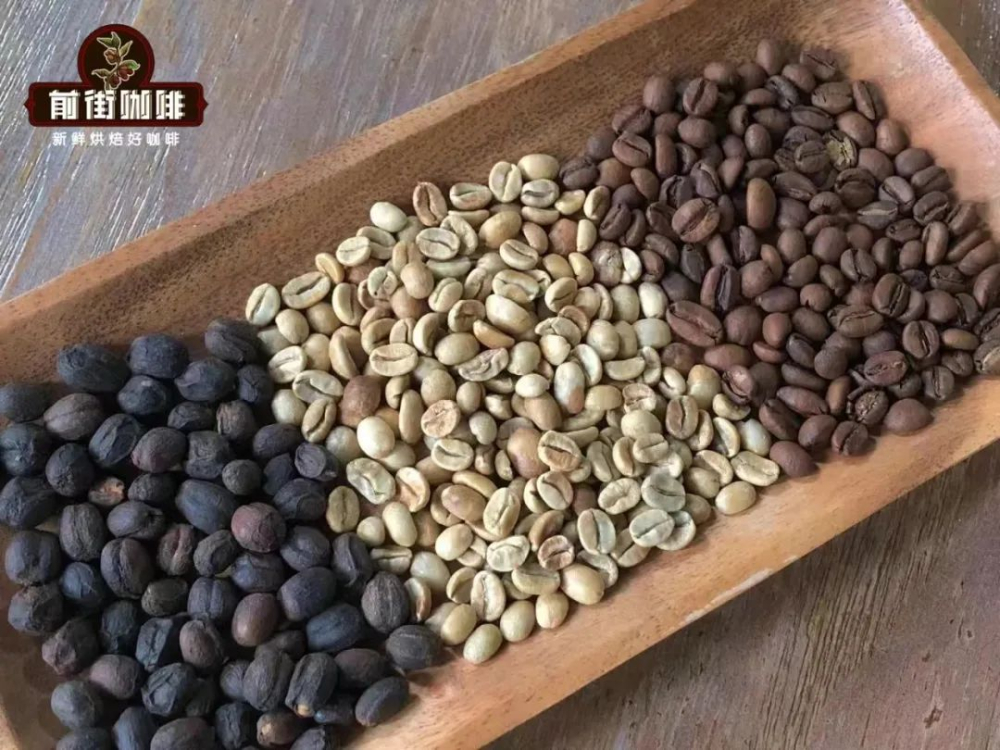
The following is a three-stage pour over procedure, suitable for a 20g coffee dose with 300g of water:
Step 1: Wet the filter paper and place it in the V60 dripper, add 20g of medium-fine ground coffee, gently shake to level the coffee bed, and tare the scale.
Step 2: Begin the bloom. Start pouring with a small stream of water30gfrom the center outwards, and start the timer simultaneously. The bloom time is about 30 seconds, aiming to awaken the coffee grounds. Make sure the entire coffee bed is evenly saturated during this step.
Step 3: After about 30 seconds, start pouring the second stage water, steadily adding95gwith a slightly larger stream, bringing the total water volume to 125g. The water stream should be vertical and even to help lift the coffee bed. This stage should take approximately 55 seconds to complete.
Step 4: When the liquid level drops to about half, begin the final stage pour, slowly circling with a small stream to add100g, for a total of 300g of water. Carefully control the water flow during this phase to avoid excessive agitation of the coffee bed. The overall brew time should be around 2 minutes. After dripping is complete, gently swirl the coffee in the server to ensure even extraction before enjoying.
Please note that the above parameters and steps are for reference only. Every coffee enthusiast can make fine adjustments according to personal taste preferences, grinder characteristics, and pouring control skills. For example, if you prefer brighter acidity, you might slightly lower the water temperature or shorten the brew time; if you prefer a fuller body, you could increase the coffee dose or extend the final pour time.

In summary, the charm of hand brewing Yirgacheffe lies in its diverse flavor expressions and relatively approachable brewing difficulty. By mastering the appropriate grind-to-water ratio, water temperature, grind size, and brewing technique, you can easily recreate a high-quality pour over coffee at home with floral-fruity aromas and delicate textures. Whether you’re a first-timer or an experienced coffee enthusiast, you can find your own brewing joy in the beans from this classic origin.
The above content is compiled by CoffeeHunters, a coffee news website.


