








Introduction:Ethiopia is the sacred birthplace of specialty coffee, renowned for its beans’ captivating fruity aromas, bright acidity, and unique floral notes. This article delves into the cultural origins and traditional processing methods of this coffee kingdom, focusing on the two famous regions—Yirgacheffe and Sidamo—to explore their flavor profiles and differences. It also offers practical pour over parameters, making it an essential guide for coffee enthusiasts eager to explore single-origin beans and flavor complexity.
Ethiopia has long been hailed as the cradle of specialty coffee. This highland region in East Africa not only nurtures numerous native coffee varieties but is also celebrated worldwide for its rich and diverse flavor profiles. The coffee beans produced here typically boast clear floral and fruity aromas, light acidity, and delicate mouthfeel, making them the dream choice for coffee lovers around the globe.
When it comes to the origin of coffee, the most famous legend is that of a shepherd named Kaldi. While herding his flock on the Ethiopian plateau, he noticed his goats becoming unusually energetic after eating red berries from a certain bush. Upon trying them himself, he felt invigorated, thus unveiling the mystery of coffee. Though this is just an oral tradition, the Ethiopian people’s love for coffee is unquestionably real. From the ceremonial slow-brewing of coffee in a Jebena clay pot in the early morning to the daily habit of pairing it with spices and bread, coffee is deeply rooted in the local culture.

Coffee cultivation in Ethiopia is mainly concentrated in the western and southern regions. Over half of the coffee comes from small-scale family farms, often intercropped with banana or plantain trees, creating a distinctive “garden coffee” landscape. Due to the limited output of individual households, post-harvest processing and sales are generally handled collectively through local cooperatives or processing stations. This has given rise to many distinctive lots named after specific producing areas or villages, such as the renowned Guji Dingding Cooperative.
When discussing Ethiopia’s specialty coffee regions, Yirgacheffe and Sidamo are undoubtedly the two most prominent stars. Originally part of the Sidamo administrative region, Yirgacheffe gradually distinguished itself after the introduction of washed processing techniques in the 1970s. The first washing station built there enabled the beans to showcase cleaner, brighter citrus and floral notes, making them a favorite among global pour over enthusiasts. Today, Yirgacheffe not only has its own trademark protection but also encompasses nearby flavor-similar regions such as Wenago, Gedeb, and Kochere.
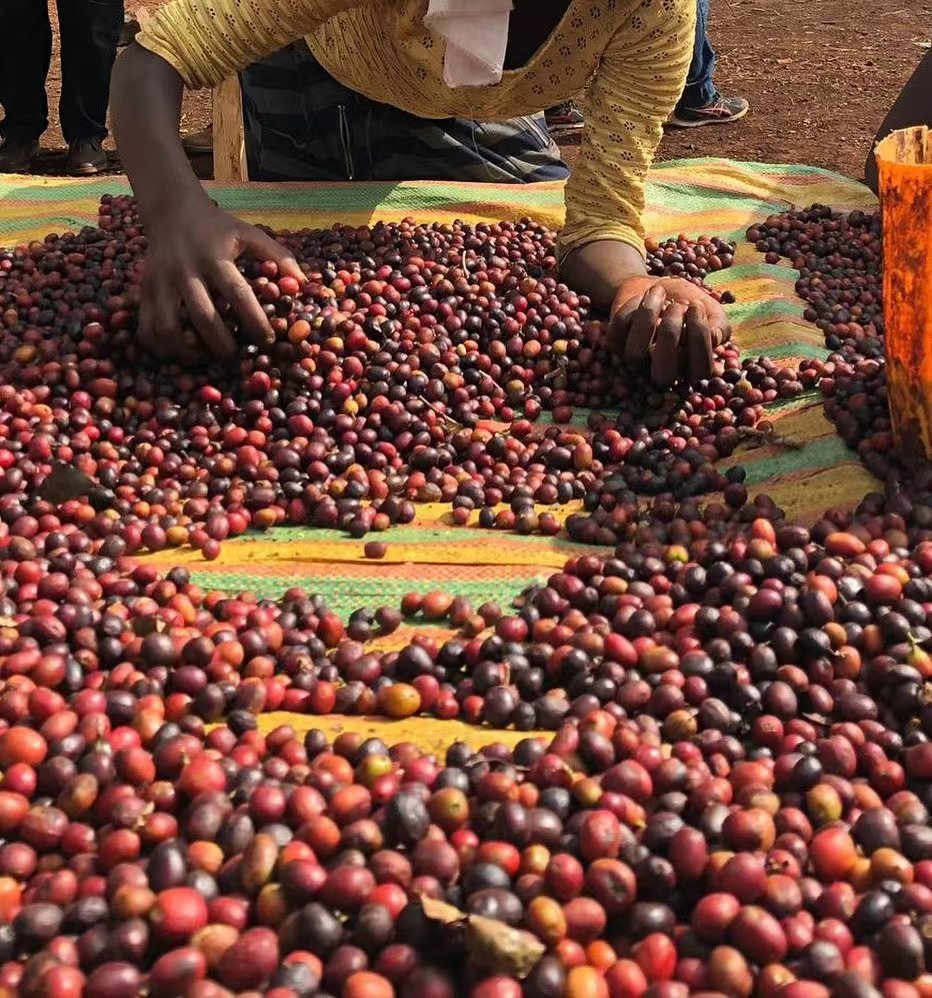
Sidamo, on the other hand, is known for its diverse processing methods and full-bodied mouthfeel. Although both “Sidamo” and “Sidama” spellings are commonly seen, they actually refer to the same area—the latter being the indigenous, orthodox name. This region commonly employs sun-dried processing, which imparts richer fruitiness and sweetness to the coffee. Especially in high-altitude micro-regions like Santavy, techniques such as anaerobic fermentation can be used to craft specialty coffees with layered complexity and long-lasting aftertaste.
For readers looking to brew Ethiopian coffee at home, here are suggested V60 pour over parameters for the Sidamo region (e.g., Santavy): Use 15 grams of coffee grounds, with a 1:15 coffee-to-water ratio, and water temperature controlled at 92–93°C. Grind size should be roughly that of fine sugar or EK43s setting 10 (about 78% passing through a #20 sieve). Start with a 30-second bloom using 30 grams of water, then pour 95 grams for a total of about 125 grams. When the water level drops to two-thirds of the coffee bed, add another 100 grams for a total of 225 grams. The overall extraction time should be around 1 minute and 35 seconds. These parameters are ideal for highlighting the region’s fruity notes and rich, lingering finish—perfect for coffee enthusiasts who enjoy complex flavor layers.
In summary, what makes Ethiopian coffee so enchanting is not only its exceptional geographical and climatic conditions but also the centuries-old planting wisdom and processing craftsmanship passed down through generations. Whether you’re a beginner exploring pour over for the first time or a seasoned coffee connoisseur chasing ultimate flavors, getting to know the Yirgacheffe and Sidamo regions will open a brand-new door in your coffee journey.
The above content is compiled by CoffeeHunters, a coffee news website.


