







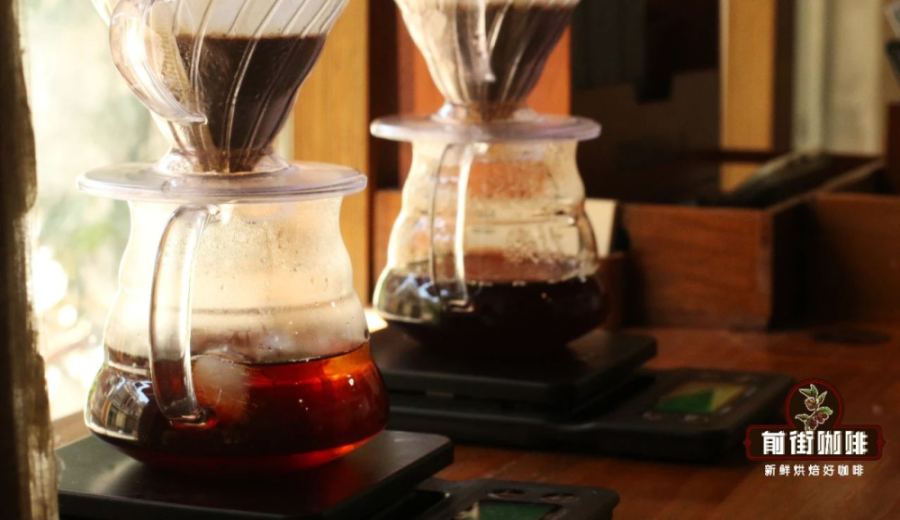
Introduction:The charm of pour over coffee lies in its ability to reveal diverse flavors from the same coffee beans through subtle parameter adjustments. This article delves into the scientific rationale behind grind ratio, water temperature, grind size, and brew time during pour over, and demonstrates segmented pouring techniques—such as single-pour (一刀流), three-stage pouring, and stirring method—for both light and dark roasted beans with practical examples. It guides you to master the optimal extraction rhythm for different roast levels and elevate your home brewing quality.
The playability of pour over coffee stems from the combination and fine-tuning of numerous variables. From pouring methods and water flow strength to grind ratio and temperature control, each factor influences the final flavor profile. For beginners, these variables may seem daunting, but mastering key parameters allows for consistently balanced and layered extractions. Below, based on practical experience, we will break down the five core elements of pour over coffee step by step and, through a comparison of light and dark roasted beans, show you how to adjust brewing strategies according to roast level.
Grind Ratio: The Balance Between Strength and Flavor
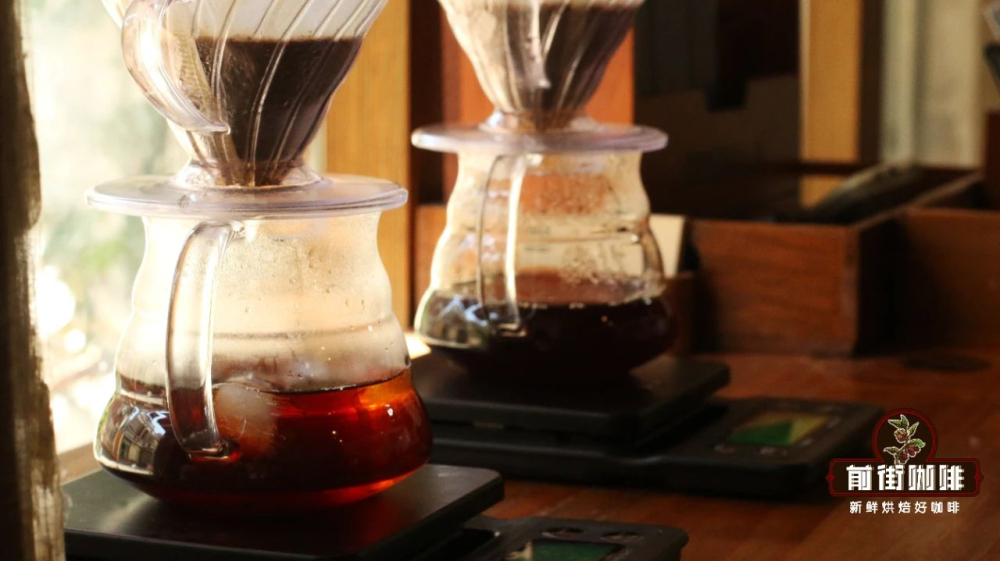
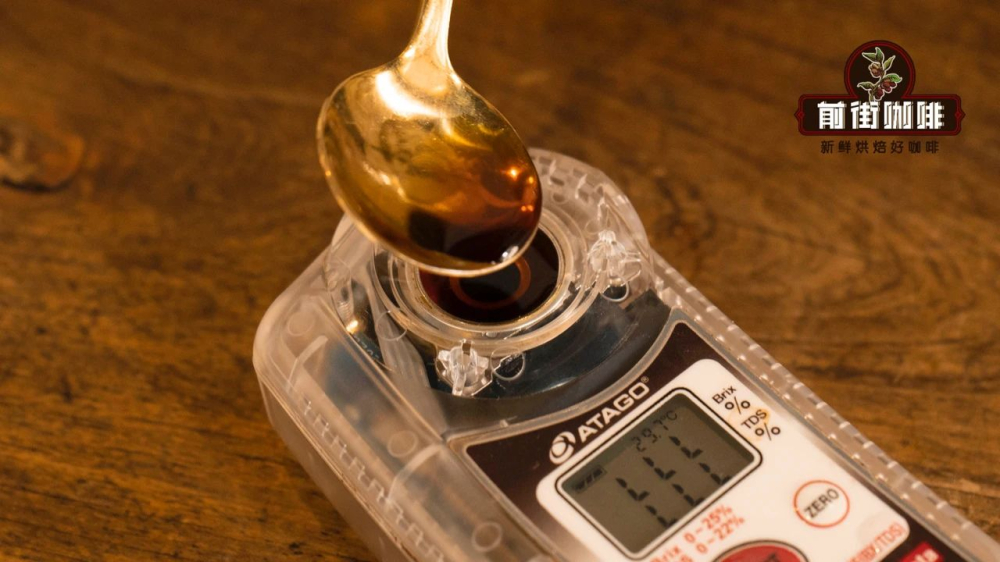
About 30% of coffee beans consist of water-soluble substances, but extracting all of them is not ideal. According to the Specialty Coffee Association of America (SCAA)’s Golden Cup standard, an extraction yield between 18% and 22% is ideal, with total dissolved solids (TDS) concentration for drip coffee recommended at 1.2% to 1.45%. In other words, what we drink is mainly water, and only a moderate proportion of extracted compounds can bring out the essence of coffee.
Through multiple tests and customer feedback, it is recommended that for general pour over scenarios,the grind ratio be maintained between 1:12 and 1:15, with 1:15 being the most beginner-friendly and suitable for most palates. Using an extremely high ratio such as 1:10 can easily lead to over-extraction, with TDS values potentially exceeding the ideal by double, resulting in sharp and unpleasant flavors.
Coffee Amount and Pour Stability
The amount of coffee chosen not only affects strength but also relates closely to pour evenness. For a single serving,15 grams is a common and easily controllable benchmark. If the amount is too small (e.g., 10 grams), the coffee bed is too thin, causing water to pass through too quickly and leading to uneven extraction; if too much (e.g., 20 grams), it may prolong brew time and increase over-extraction risk. Choosing a coffee amount suitable for the filter size helps maintain stable extraction rhythm.
Grind Size: Coarseness Affects Extraction Efficiency
Grind coarseness is key to water flow speed and extraction rate. Too coarse leads to fast water passage and insufficient aroma extraction; too fine restricts flow and extracts excessive bitter compounds. Per SCAA guidelines, 20-mesh sieve passing rate is used as reference:light roasts suit around 80% (finer), dark roasts 70% (coarser). Dark roasts have looser structure and higher solubility, so avoid over-extraction; light roasts benefit from finer grind to enhance flavor expression.
Water Temperature: Controlling the Rhythm of Flavor Release
Water temperature directly impacts extraction speed and flavor. Generally,light roasts suit 90–91°C to fully highlight acidity and fruity-floral notes; dark roasts suit 85–88°C to avoid excessive bitterness. Practical tests showed that brewing dark roast at 90°C can produce a body almost akin to espresso. Controlling temperature is one key to adjusting flavor intensity.
Brew Time: The Timeline of Flavor Layers
During pour over, the early phase typically features bright aromas and acidity, which gradually stabilize or shift toward sweetness and body as time progresses. Under normal conditions, using 15 grams of coffee and a 1:15 ratio,total brew time should be controlled between 2 and 2 minutes 30 secondsto avoid over-extraction while fully unlocking coffee potential. Pour volume and flow rate also significantly impact total time and need adjustment accordingly.
Pour Over Methods Compared: Single-Pour, Three-Stage, and Stirring
There’s no absolute right way to pour over, but different methods yield distinctly different flavor profiles. Below, we explore the operational focus and flavor characteristics of three common techniques.
Single-Pour (一刀流): Simple Yet Demanding Precision
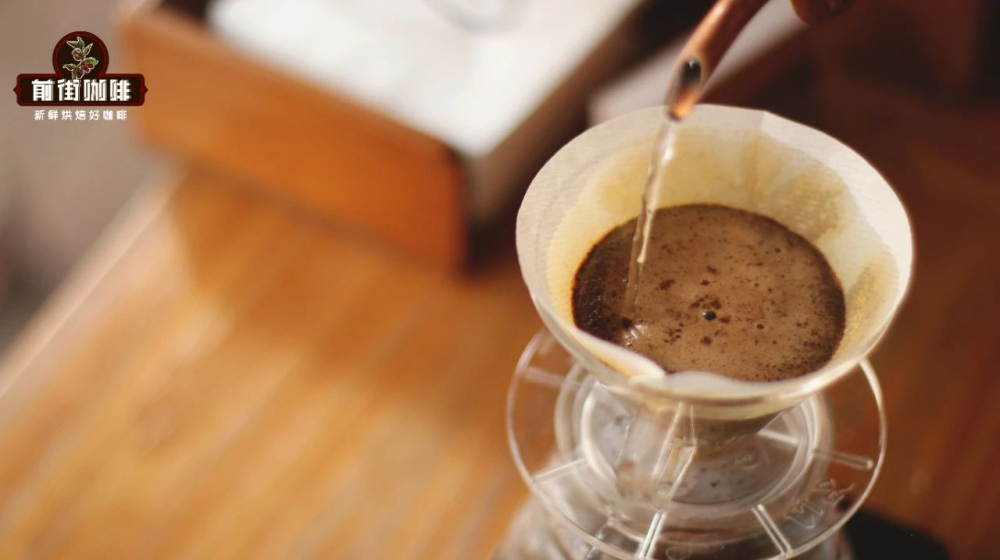
Single-pour involves a continuous, uninterrupted pour. The focus is on controlling pour speed and total volume. After blooming, pour the target volume (e.g., 225g) directly, slowing the flow as the water level rises. This method is easy to perform but requires precise speed control to avoid under-extraction from going too fast or over-extraction from going too slow.
Parameter Suggestions: V60 filter, 15g coffee, 1:15 ratio, 90°C water, 20-mesh 80% passing rate.
Operation Process: Bloom with 30g water for 30s, then pour to 225g total, approximately 1 minute 50s.
Flavor Profile: Bright acidity but relatively one-dimensional, tea-like mouthfeel, shorter aftertaste.
Three-Stage Pour: An Advanced Option for Layered Flavor
Dividing the pour into three stages, this method effectively controls extraction pace, suiting those who enjoy distinct flavor layers. Staged pouring makes transitions between early, mid, and late flavors more noticeable.
Parameter Suggestions: Same base as above—V60, 15g, 1:15, 90°C, 20-mesh 80%.
Operation Process: Bloom 30g for 30s, second pour to 125g, final pour to 225g, about 2 minutes total.
Flavor Profile: Clear layers of citrus, black tea, floral, and caramel notes; soft acidity, long and balanced aftertaste.
Stirring Method: Enhancing Flavor Release
The stirring method often incorporates cross or spiral stirring during the bloom to promote even coffee absorption and release more aromatic compounds. Originating from competition circles, it demands high bean quality and fine grind, making it suitable for light roasts.
Parameter Suggestions: V60, 15g, 1:15, 90°C, 20-mesh 80%.
Operation Process: Bloom with 45g and gently stir with a spoon, then spiral pour to 125g, final pour to 225g, about 2 minutes.
Flavor Profile: Rich aroma, full body, prominent citrus and nutty tones, sweet and lingering aftertaste. Beware of stirring intensity and water amount to avoid over-extraction or off-flavors.
Brewing Strategies for Light vs. Dark Roast Beans
Brew parameters must be adjusted based on roast level. For a light roast like Yirgacheffe Kochere, higher temperature and finer grind help bring out vibrant acidity and aroma—but pair with a fast-flow filter (like V60) to prevent over-extraction. For dark roasts like Golden Mandheling, use lower temperature and slightly coarser grind, with a slower-flow filter (like Kono) to highlight body and nutty character.
Dark Roast Practical Parameters: Kono filter, 15g, 1:15 ratio, 88°C, 20-mesh 70–75% passing rate. Segmented pour: 30g bloom for 30s, second pour to 125g, third to 225g, about 2 minutes. This approach highlights chocolate, nut, and spice layers of dark roast, with long and balanced finish.
The above content is compiled by CoffeeHunters, a coffee news website.


