







Introduction:Cold brew coffee, known for its smooth and low-acid profile, has become a highly popular coffee choice in the summer. This article delves into the core parameters that influence the flavor of cold brew coffee, including grind size, coffee-to-water ratio, steeping time, and temperature control, while also offering practical adjustment suggestions. Through scientific principles and hands-on experience, it helps you brew rich, well-layered cold brew coffee at home, and understand how to store it properly to extend its flavor life.
On a hot summer day, a cool and refreshing cup of cold brew coffee is often the go-to choice for many coffee enthusiasts. Compared to the pour over method, which requires precise pouring techniques, making cold brew is significantly easier—just mix ground coffee with cold water, let it steep in the fridge for an extended period, and the next day you can enjoy a flavorful iced coffee. However, if you want to brew the ideal cold brew,grind size, coffee-to-water ratio, extraction time, and temperature—these four key parameters must be carefully controlled.
So-called cold brew coffee, as the name suggests, is a brewing method where coffee grounds are steeped in cold water for an extended period under low temperatures. Many people often confuse it with iced coffee, but actually, iced coffee is usually brewed quickly with hot water and then cooled down with ice; whereas cold brew is extracted entirely at low temperatures. This difference directly affects the final flavor profile. The principle behind cold brew is that by extending the steeping time and lowering the extraction temperature, it minimizes the release of bitter substances in coffee, while preserving more sweetness and body.
The brewing process for cold brew is actually quite simple: mix coffee grounds with cold water, then let it steep for at least 12 hours—the longer the time, the stronger the flavor tends to be, though care should be taken to avoid over-extraction leading to off-flavors. If you desire a fuller mouthfeel, you can even extend the steeping time to 24 to 48 hours. This low-temperature, long-duration extraction method effectively reduces the release of tannic acids, making the acidity and astringency of cold brew noticeably lower than traditional hot brew coffee. For those who don’t enjoy overly sharp acidity, it’s a very friendly option.
Among the various parameters for making cold brew,the coffee-to-water ratiois one of the key factors determining the final concentration and intensity of flavor. It’s generally recommended to start with a 1:12 ratio as a baseline—for example, using 50 grams of coffee grounds mixed with 600 milliliters of water and ice (with around 400 milliliters of actual water and 200 grams of ice). This ratio yields a cold brew with moderate concentration that can be consumed directly without dilution. If you plan to use your cold brew for making mixed drinks, such as adding milk or soda water, you might consider adjusting the ratio to 1:10 to get a stronger coffee base.
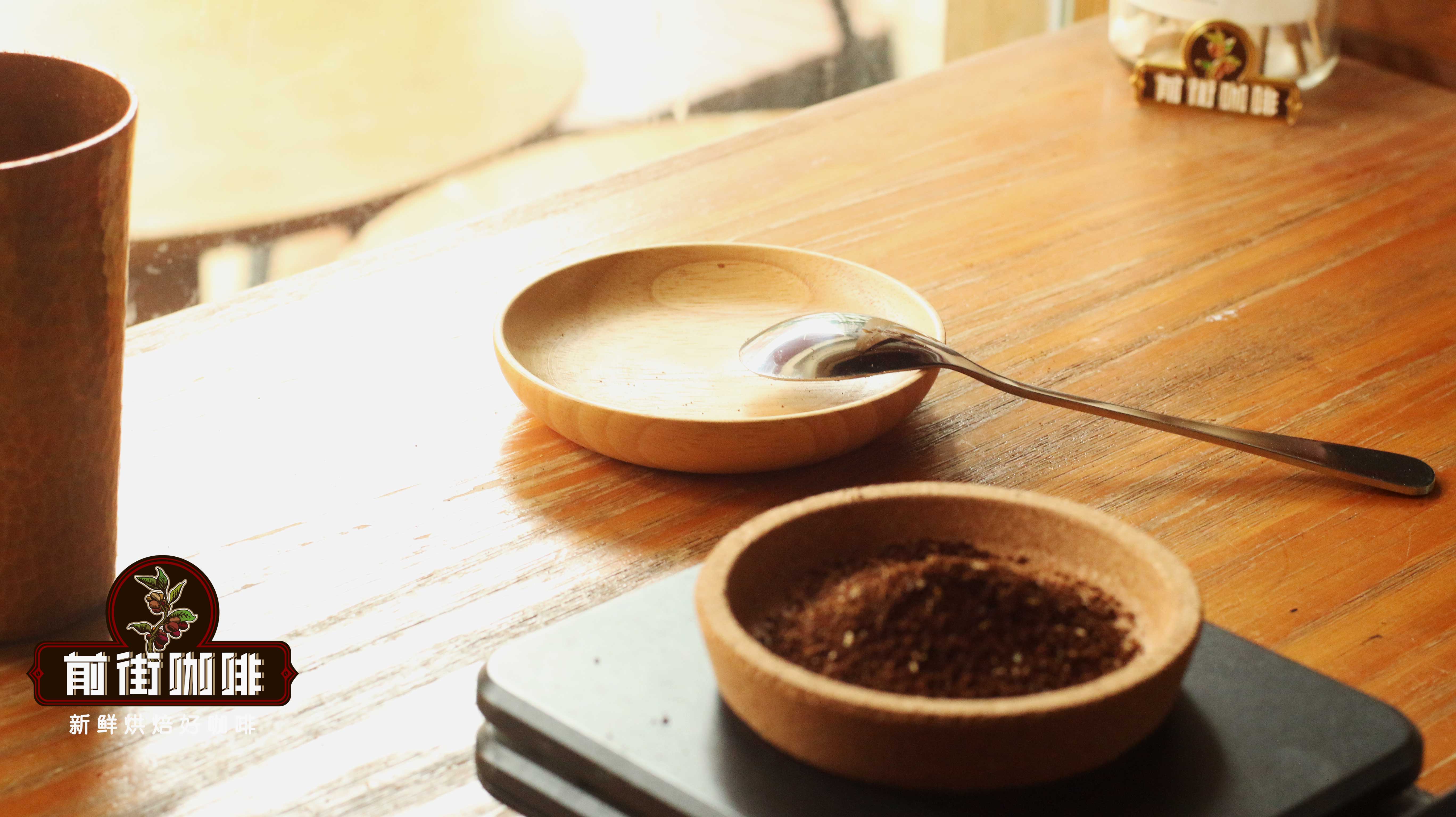
As forgrind size,since cold brew uses cold water for extraction, its efficiency is much lower than that of hot water brewing, so the grind can be slightly finer than what you’d use for pour over—but not too fine. A reference value would be 85% passing through a standard No. 20 sieve, with moderate control over the amount of fine particles, helping to balance extraction efficiency and flavor clarity. It's important to note that although low temperatures help reduce the release of bitter substances, an overly fine grind may still lead to over-extraction of sweet and acidic compounds, subsequently releasing too many body-enhancing substances, resulting in unwanted woody or earthy off-flavors and affecting the overall cleanliness of the coffee.
In terms of temperature control, the entire cold brew extraction process is carried out in a low-temperature environment. It’s generally recommended to refrigerate the mixture and let it steep for 12 to 24 hours. If conditions limit you to room-temperature brewing, then it’s advised to shorten the time to 8 to 12 hours to avoid over-extraction. Some readers might wonder whether hot water can be used for cold brew—the answer is no. The very definition of cold brew is that it’s extracted entirely at low temperatures, which is also the biggest difference between it and hot brew coffee (which typically uses water at 88–91°C and extracts in just a few minutes).
After the cold brew extraction is complete, it’s recommended to filter the coffee grounds thoroughly using filter paper or a fine mesh strainer to avoid residual particles affecting the taste. The filtered cold brew liquid can then be poured into a clean, sealed container and stored in the refrigerator. Regarding shelf life, although theoretically the longer cold brew sits, the more its flavors may evolve, over-fermentation can lead to off-flavors. It’s generally recommended to consume it within 2 to 3 days after filtering, with a maximum storage period not exceeding 7 days, to ensure the best flavor experience.
From a flavor perspective, due to the characteristics of low-temperature extraction, cold brew significantly reduces the release of tannic acids and high-temperature decomposition products. Research shows its acidic content is about 67% lower than that of hot brew coffee, which greatly diminishes its astringency and makes it more widely acceptable. Moreover, the combination of a low-temperature environment and prolonged steeping only extracts small-molecule flavor compounds, such as the bright notes of floral and fruity aromas, while larger-molecule smoky or roasted notes are harder to release. This explains why, although cold brew may have a more subdued aroma, it delivers a smooth, rich, and well-layered taste upon drinking, along with noticeable sweetness and very low oiliness.
In summary, the charm of cold brew lies in its simple brewing process and rich flavor potential. By mastering key parameters such as grind size, coffee-to-water ratio, steeping time, and temperature control, you can easily replicate a professional-grade cold brew at home. Whether as a daily pick-me-up or a base for specialty coffee drinks, cold brew—with its unique smooth texture and low acidity—can become a highlight on your summer coffee table. Remember to adjust parameters according to personal taste preferences, and store it properly to maintain optimal flavor.
The above content is compiled by CoffeeHunters, a coffee news website.


