







Introduction:Costa Rican coffee is world-renowned for its distinctly sweet profile, a quality supported not only by its exceptional geographical and climatic conditions but also by its refined honey processing methods. This article delves into how the country’s high-altitude volcanic soils nurture sweet and mellow flavors, while exploring the classifications and flavor characteristics of honey processing, along with actual taste differences. We also recommend several classic honey-processed beans to help you fully appreciate the charm of Costa Rican coffee.
Costa Rican coffee has long earned international acclaim for its prominent sweetness, which stems not only from its superior natural environment but also from the country’s strict management of specialty coffee. Among these, the honey process (Honey Process), as a key technique for enhancing the sweet and mellow texture of coffee, preserves the mucilage layer of the coffee fruit—delivering a diverse range of flavors from caramel sweetness to rich berry notes. This article will guide you from origin environment, climate conditions, and processing techniques to understand where Costa Rican coffee’s sweetness comes from, analyze the different types of honey processing and their representative flavors, and further recommend several common and iconic honey-processed coffee beans for your reference.
When it comes to coffees with outstanding sweet profiles, Costa Rica is often the top choice for many coffee enthusiasts. The beans produced in this country not only boast fresh aromas and clean tastes, but also possess a distinct and natural sweetness. What exactly contributes to such alluring sweetness in Costa Rican coffee? Based on origin conditions and processing techniques, this is directly linked to the country’s unique geography, high-altitude volcanic soils, and the widespread use of honey processing. In particular, the mucilage retained during the honey process can ferment and accumulate sugars during drying, thereby enhancing the sweetness of the final flavor.
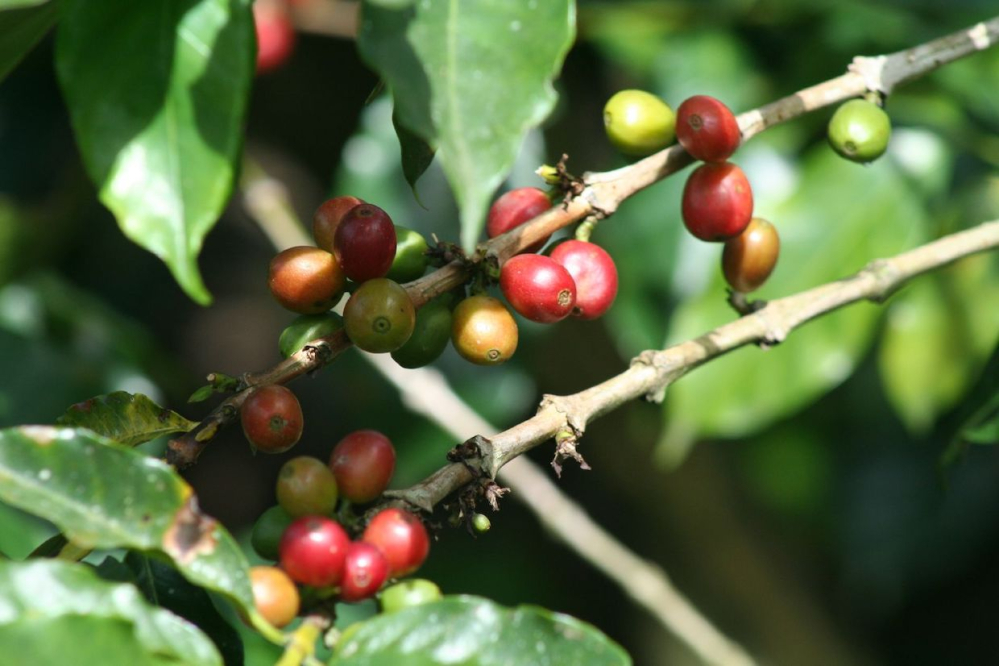
Located in the Central American isthmus, Costa Rica is influenced by the dual ocean currents and monsoons of the Pacific and Atlantic Oceans, resulting in a varied yet favorable microclimate. The country’s Cordillera mountain range spans the entire territory, featuring numerous volcanoes and intermountain basins, with over 80% of its coffee planted in volcanic soils at altitudes between 800 and 1700 meters. This type of soil is rich in organic matter and minerals, and the significant diurnal temperature variation helps coffee cherries ripen slowly, allowing sugars and flavor compounds to accumulate more fully. Generally speaking, the higher the altitude, the greater the density and hardness of the coffee beans—this is why most of Costa Rica’s exported coffee falls under the SHB (Strictly Hard Bean, grown above 1200 meters) grade, with regions like Tarrazú reaching elevations of 1500 to 2100 meters.
In addition, the Costa Rican government has long placed great emphasis on the coffee industry. As early as the beginning of the 20th century, it enacted legislation banning the cultivation of any coffee varieties other than Arabica to ensure the country’s competitiveness and quality image in the global specialty coffee market. This commitment to quality has, in turn, led to Costa Rican coffee generally exhibiting clear, clean, and sweet-toned profiles.

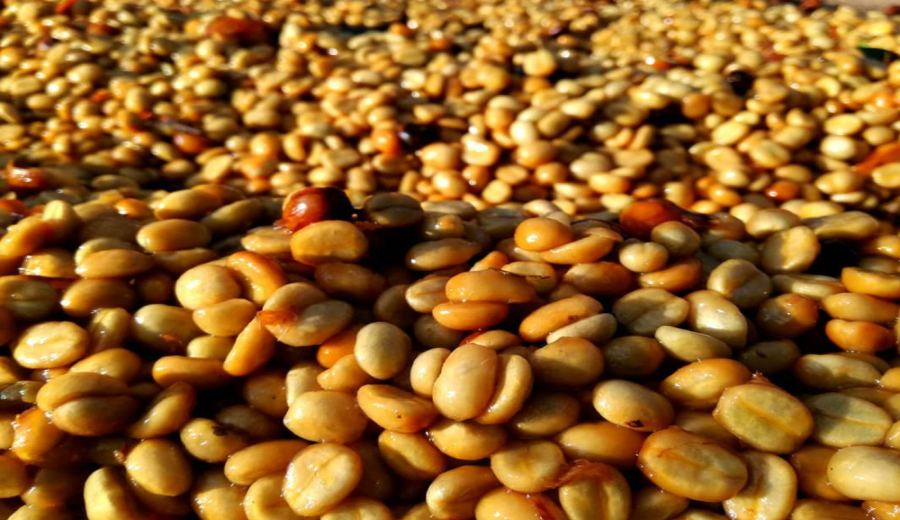
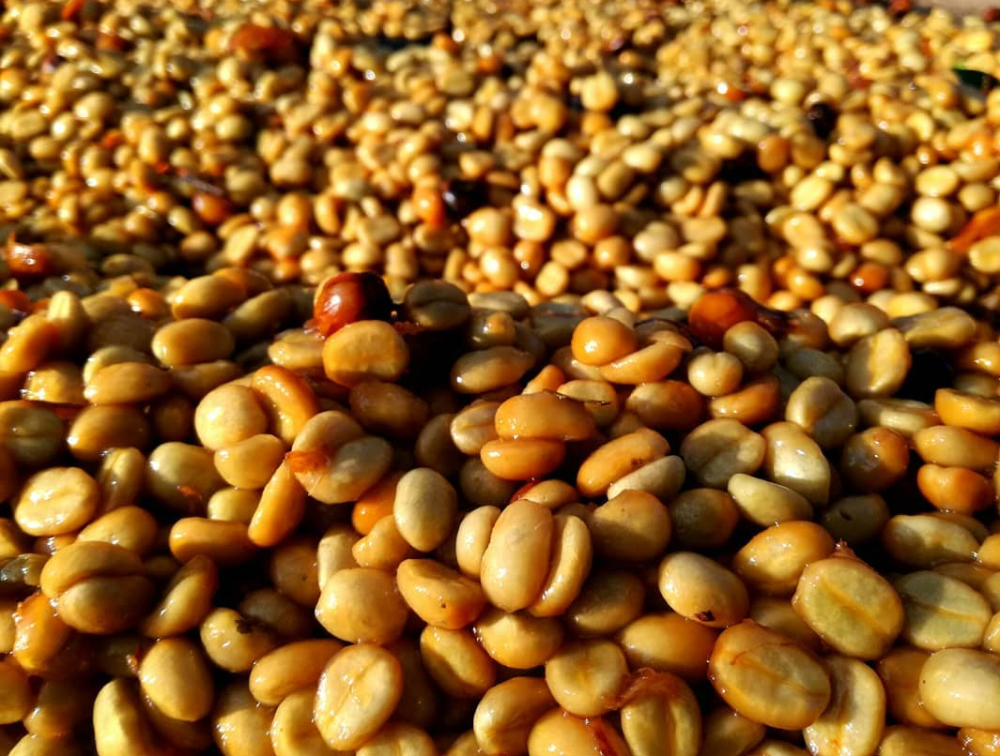
It is worth noting that the term “honey” in honey processing is not directly related to the sweetness of actual honey. The term Honey Process (or Miel Process) originates from Costa Rica, where, after removing the coffee fruit’s pulp, the sticky, viscous mucilage layer remaining on the bean’s surface resembles the texture of honey—thus giving the process its name. This method can be seen as an extension of Brazil’s pulped natural process. Its hallmark is the retention of part or all of the mucilage, followed by sun drying, allowing the sugars to gradually transform under sunlight, thereby influencing the final flavor’s sweetness and aroma.
The basic steps of honey processing include: first removing defective beans through flotation, then stripping away the skin and pulp while retaining the mucilage layer, followed by placing the mucilage-covered beans on sun-drying beds until the target moisture content is reached, and finally hulling them. During the drying process, the sugars in the mucilage gradually change color due to oxidation—from initially yellow-white to golden, orange-yellow, and even red-brown or near-black. The overall drying time ranges from about 2 to 4 weeks, depending on the amount of mucilage retained and weather conditions.
Depending on the amount of mucilage retained, honey processing is commonly divided into four types: white honey, yellow honey, red honey, and black honey. White honey retains the least mucilage and dries faster, resulting in a relatively mild sweetness; yellow and red honeys progressively increase mucilage levels, offering richer sweetness and flavor complexity; black honey retains the most mucilage, undergoes the deepest fermentation, and exhibits the most pronounced sweetness, closely resembling the profile of natural processed coffee—but it requires the longest drying time and carries relatively higher risks. For instance, a certain origin’s Blackberry variety is a high-altitude single-origin bean processed using black honey; under light-to-medium roasting, it showcases a complex flavor profile of floral notes, grapes, sweet orange, and dark chocolate.
However, definitions of honey processing grades vary among different farms or processing mills, and the industry has yet to establish unified standards. As a result, it’s common for beans of the same color to be categorized under different honey levels by different brands. Additionally, there are some special variations, such as “raisin honey processing (Grape Mucilage Honey or Raisin Honey),” where the coffee cherries are pre-dried for 2–3 days before the outer skin is removed—after slight shrinkage of the fruit—to retain the mucilage. This results in more intense berry, raisin, and complex sweet notes. A certain brand’s Strawberry Candy and Mozart are processed using this method, presenting distinct berry, strawberry, and raisin sweetness—perfect for consumers who enjoy bold fruitiness and high sweetness.
In summary, the standout sweetness of Costa Rican coffee is inseparable not only from its exceptional geographical and climatic advantages but also from its honey processing techniques. From variations in mucilage retention to the control of drying times, every step influences the final flavor expression. Whether you’re a beginner pour over enthusiast or a coffee aficionado seeking new flavor experiences, understanding these honey processing types and their representative beans is a great way to explore the endless charm of Costa Rican coffee.
The above content is compiled by CoffeeHunters, a coffee news website.


