







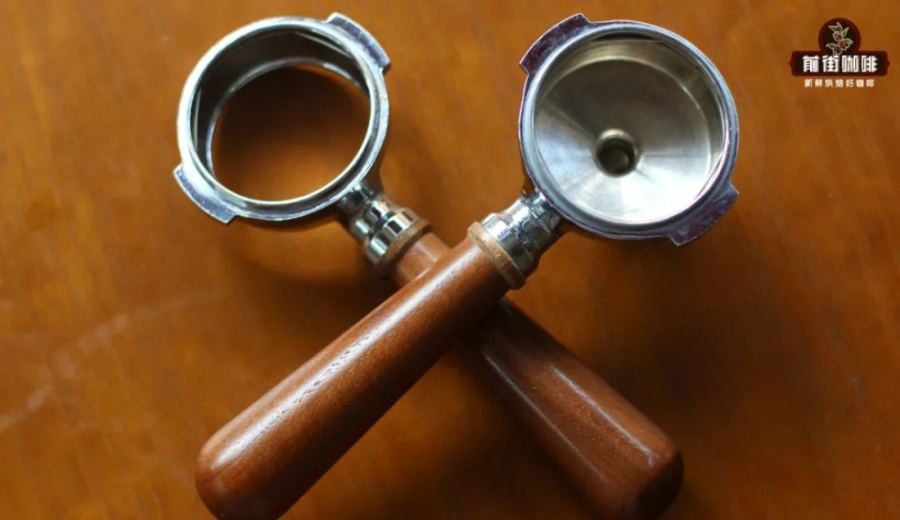
Introduction:When using a semi-automatic espresso machine, the choice of portafilter has a direct impact on extraction quality. The two most common types are bottomless and spouted portafilters, each with its own advantages and disadvantages in terms of structure, visual observation, ease of cleaning, and extraction control. This article will delve into the design differences between the two, covering operational experience, channeling effects, ease of cleaning, and the actual extraction process to help you make the right choice based on your needs and master the key points for stable extraction.
In the use of a semi-automatic espresso machine, the portafilter is a core component that connects the coffee grounds with the machine’s pressure. Differences in its design directly affect extraction results and operational convenience. Currently, the most common portafilters on the market fall into two main categories: one is the spouted portafilter with a closed bottom and a shower screen, and the other is the bottomless portafilter with an open bottom that allows direct viewing of the coffee basket. These two types differ significantly in extraction control, visual observation, and cleaning maintenance.
The design of a spouted portafilter involves adding a metal base plate at the bottom of the coffee basket, equipped with one or more small holes, usually used with a shower screen to evenly distribute a single shot of espresso into two cups. This type of portafilter can effectively prevent liquid splashing during extraction, making it more user-friendly for scenarios requiring stable output. However, its metal base absorbs heat, and if not sufficiently preheated, it may affect the brewing water temperature, thereby altering the flavor of the coffee. In addition, the structure of the spouted portafilter makes the bottom difficult to clean, and coffee grounds can easily accumulate over long-term use. Without regular disassembly and washing, it may lead to subsequent changes in extraction flavor.
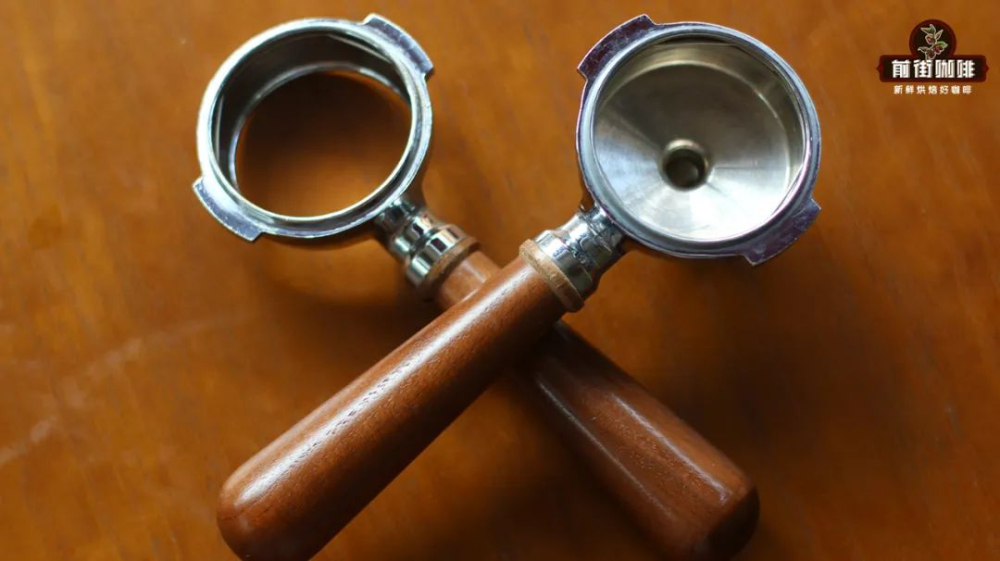
In contrast, the bottomless portafilter removes the bottom base plate, allowing users to directly observe the condition at the bottom of the coffee basket. The biggest advantage of this open design is the ability to instantly observe the flow of coffee liquid, especially when channeling occurs—the phenomenon of coffee spraying from the bottom becomes clearly visible, helping to quickly diagnose and adjust grind size or tamping pressure. Additionally, for users who enjoy visually striking coffee drinks like Dirty, the bottomless portafilter, due to its thinner structure, saves space for cup placement, making it particularly suitable for machines with limited distance between the group head and the drip tray.
However, the bottomless portafilter also has its drawbacks, the most obvious being that coffee liquid is prone to splashing during extraction, so attention must be paid to the placement angle and cup position. In addition, since there is no shower screen design, if you want to make two espressos at once, additional operations or equipment changes are required.
Interestingly, if you already own a spouted portafilter but want to try the bottomless effect, you can actually modify it by sawing off the bottom metal base plate to create a structure similar to a bottomless portafilter. The operation remains the same as the original, but care should be taken with edge handling to avoid sharp cuts affecting safety.
So, why do many professional shops prefer using bottomless portafilters? The key lies in the more intuitive feedback they provide during extraction. By observing the speed and form of coffee liquid flowing from the bottom of the basket—especially the thickness and evenness of the crema—you can immediately determine whether the extraction is going smoothly. If uneven spraying or abnormal flow rate is noticed, you can quickly adjust grind coarseness, tamping pressure, or water temperature parameters to ensure the consistent quality of each shot.
Below is an actual demonstration process and reference parameters for espresso extraction using a bottomless portafilter, using a classic blend with rich crema as an example:
Equipment and Parameters:
Grinder: Galileo Q18
Grind Size: 2.1 (medium-fine)
Espresso Machine: Feima E98
Extraction Pressure: 9±2 bar
Water Temperature: 90~96°C
Coffee Dose: 19.5 grams
Yield: 35 grams
Steps:
1. Turn on the espresso machine and wait for the body and group head to fully heat up to a stable temperature.
2. Grind freshly roasted coffee beans into fine powder, preferably using a professional grinder to ensure uniform particle size.
3. Pour the coffee grounds into the basket of the bottomless portafilter, filling it with approximately 19.5 grams according to the basket’s capacity.
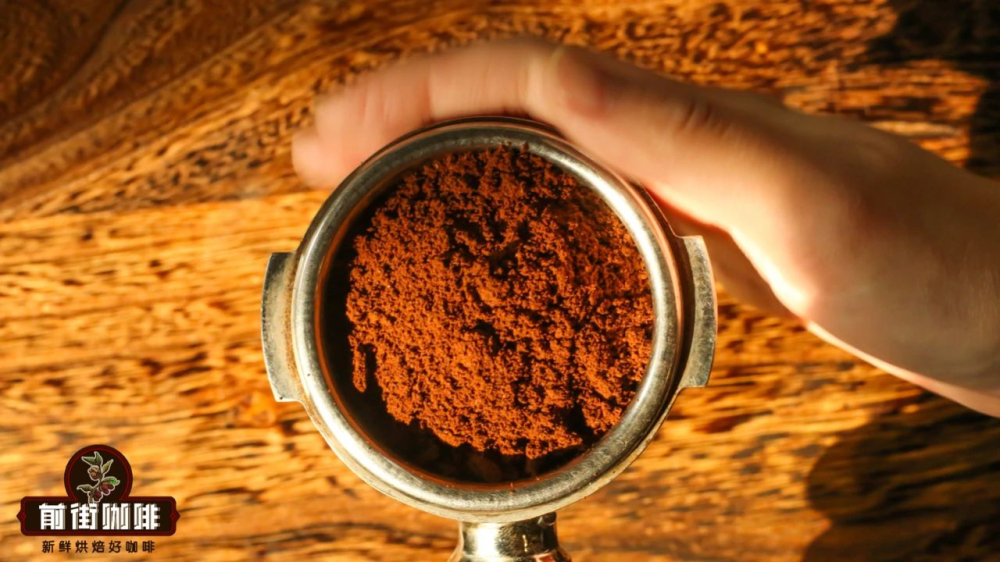
4. Use your fingers to evenly distribute the coffee grounds inside the basket, avoiding localized clumping or voids.
5. Use a tamper to evenly compress the coffee layer with consistent downward force, ensuring uniform density.
6. Securely attach the tamped portafilter to the machine’s group head, ensuring it is firmly in place without any looseness.
7. Start the extraction, observing the coffee liquid flowing from the bottom of the basket, paying attention to the flow rate and crema performance, until the target yield of 35 grams is reached.
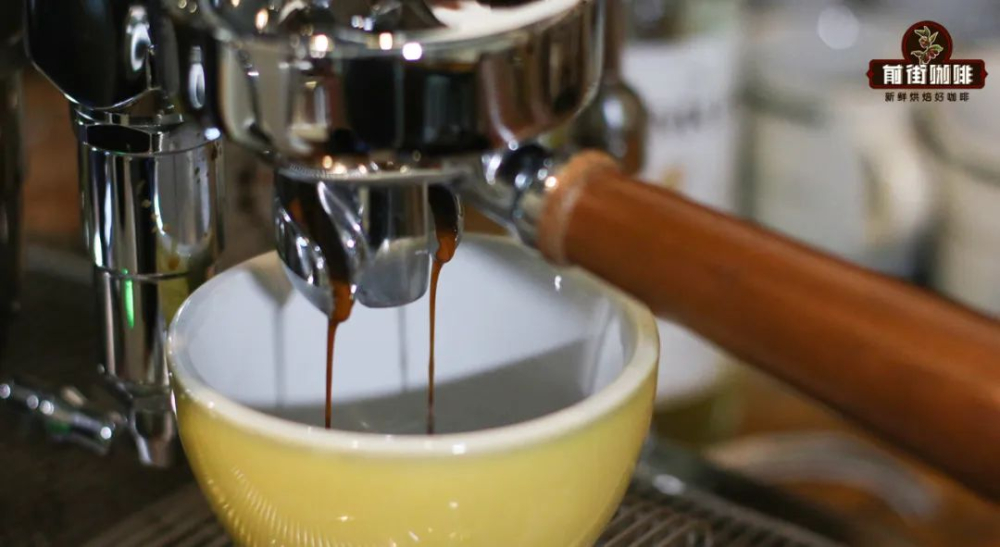
Through the bottomless portafilter, you can clearly see the espresso emerging with a thick and velvety crema, exuding rich nutty and cookie aromas. This visual and olfactory feedback is extremely valuable for adjusting extraction parameters. The final shot is perfect for adding fresh milk to make a latte—not only smooth and mellow in texture, but also allowing the inherent nuttiness of the coffee to shine through, with a rich and layered flavor profile.
In summary, both spouted and bottomless portafilters have their suitable scenarios. If you prioritize extraction stability, want to prevent splashing, and find it convenient for serving multiple cups, the spouted portafilter is a practical choice; if you seek visual observation, hope to adjust extraction status in real time, or frequently prepare visually engaging drinks like Dirty, the bottomless portafilter offers a more intuitive operating experience. Once you’re familiar with the differences between the two, you can better select the most suitable portafilter based on your needs and machine characteristics, enhancing the quality and enjoyment of every extraction.
The above content is compiled by CoffeeHunters, a coffee news website.


