







Introduction:Ethiopia 74110 is a numbered variety bred to resist coffee berry disease, and it is one of the 13 disease-resistant varieties selected by JARC in the 1970s. This article delves into the breeding background, cultivation environment, and variety characteristics of 74110, while also comparing it with 74112, to help you understand whether this high-altitude-suited, flavor-clear Arabica variety is also the right choice for your pour over coffee.
As the cradle of Arabica coffee, Ethiopia is home to over ten thousand native coffee varieties. These commercially unclassified varieties are commonly referred to as “Heirloom.” However, in recent years, a group of numerically named coffee varieties—such as 74110—have gradually drawn attention from the industry and coffee enthusiasts. These numbers are more than just codes; they carry a breeding history of combating diseases and sustaining regional sustainability.
Among them, 74110 is one of the disease-resistant varieties selected by JARC (Jimma Agricultural Research Center) in the 1970s in response to the then-rampant coffee berry disease (CBD). To understand 74110, we must start with the crisis of that time.
In the early 1970s, coffee berry disease spread rapidly across major coffee-growing regions in Ethiopia. Infected coffee cherries would gradually turn from green to grayish-black, eventually withering and dying on the branches. In severe cases, affected coffee trees could suffer up to an 80% loss in yield. To tackle this disaster, farmers initially tried using chemical fungicides to suppress the disease, but this was only a short-term solution. In the long run, finding varieties with innate resistance was key.
In 1973, JARC launched a large-scale variety collection initiative, setting up 19 collection sites in the southwestern region. By 1975, the team had gathered seed samples from 639 potential varieties. Through laboratory identification and field trials, 13 varieties were eventually selected—each possessing CBD resistance, drought tolerance, high yield, and good flavor. These varieties were later cataloged as the “74 Series” and “75 Series,” where “74” indicates cataloging in 1974, and the last three digits are the experimental strain numbers. 74110 is one of them.
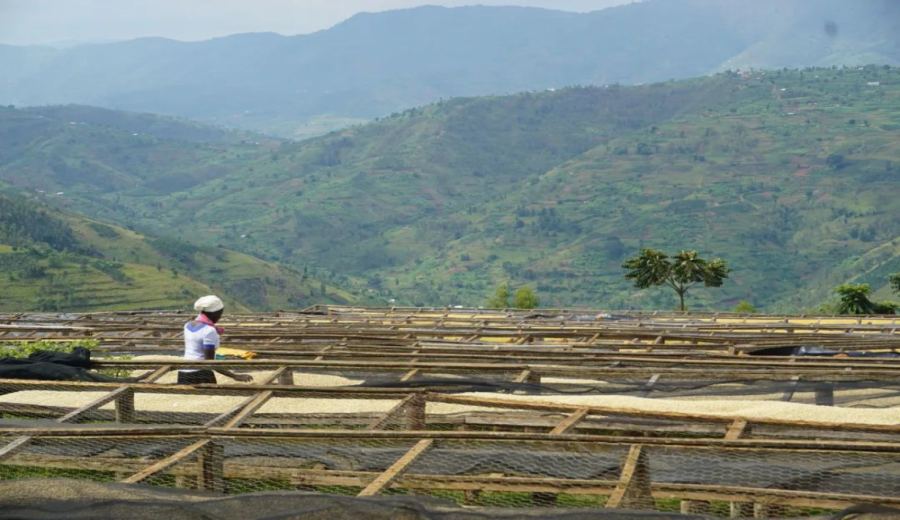
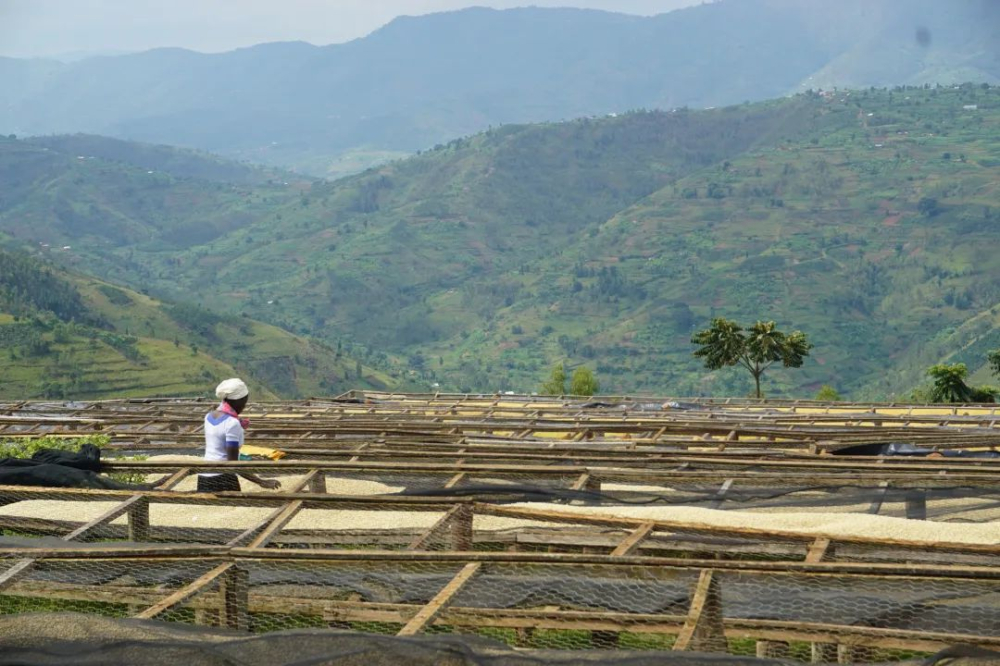
Currently, 74110 is mainly grown in Ethiopia’s Sidamo and Guji regions. These areas feature typical highland terrain and tropical rainforest climates, with abundant annual rainfall, significant day-night temperature variations, and altitudes generally exceeding two thousand meters—providing ideal growing conditions for coffee trees.
Coffee production in Ethiopia is largely dominated by smallholders, with about 90% of coffee farms being small family plots averaging over four hectares in size. Cultivation models can be divided into forest coffee, semi-forest coffee, garden coffee, and large plantations, with garden coffee being the most common form. Smallholder farmers deliver their harvested coffee cherries to nearby processing facilities based around water infrastructure for unified post-harvest processing, which is then sold under the name of the processing facility.
Regarding the plant characteristics of 74110, it is a dwarf coffee variety. Like 74112, it features compact plant structure and relatively small beans, but the leaf morphology differs: 74110 has broad leaves, while 74112 has small leaves. As a result, there are slight differences in planting density and light management. It is suitable for high-altitude regions with good drainage, shows high resistance to coffee berry disease, and can adapt to arid environments, making it a relatively stable and high-yield variety option.
In terms of flavor profile, 74110 processed with light to medium roasts often exhibits clear citrus notes accompanied by soft floral aromas. The acidity is bright yet not harsh, and the overall mouthfeel is clean and refreshing—making it very suitable for pour over lovers who enjoy fruity acidity. 74112 shares a similar flavor profile, though some evaluations note it has slightly stronger sweetness and a more restrained fruit acidity. Both are among the more commonly seen commercial 74 series varieties on the market.
In summary, 74110 is not only an important achievement of Ethiopia’s disease-resistant breeding efforts, but also represents the country’s commitment to preserving coffee genetic diversity and responding to climate change. For coffee professionals or enthusiasts, understanding the background of these numbered varieties not only aids in making smarter purchasing decisions but also allows for a deeper appreciation of the story and science behind each cup of coffee.
The above content is compiled by CoffeeHunters, a coffee news website.


