







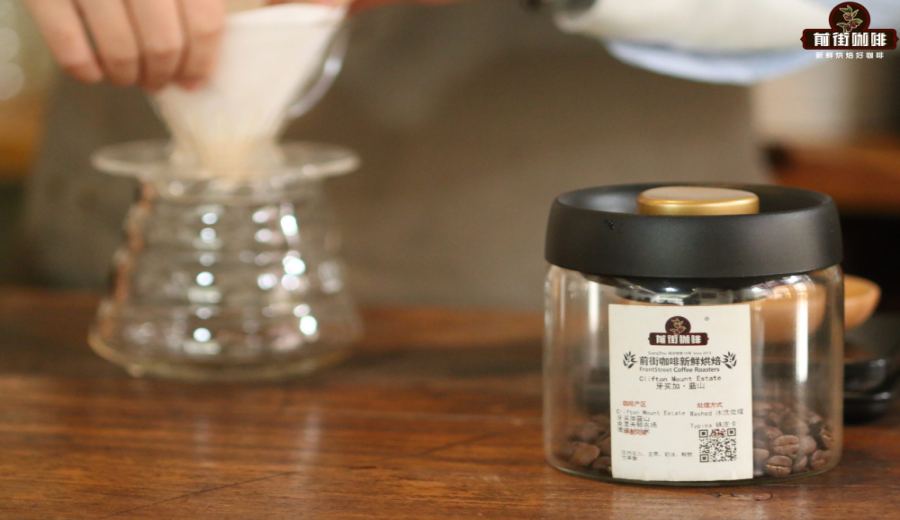
Introduction:Jamaican Blue Mountain coffee is hailed as the finest in the coffee world — but what exactly makes it so special? This article takes an in-depth look at the Blue Mountain coffee grading system, the background of the JABLUM brand, as well as the flavor profile and pour over brewing recommendations for Blue Mountain No. 1. It also explores the reasons behind its premium pricing and offers tips for identifying authentic beans, making it a must-read guide for fans of high-quality black coffee and advanced pour over enthusiasts.
Jamaican Blue Mountain coffee has long been a legend in the specialty coffee world. Its delicate, balanced flavors and rarity make it the dream bean for many coffee lovers. Among the many Blue Mountain coffee brands, JABLUM — a Jamaican local producer with over a century of history — not only accounts for about 40% of the country’s total production, but is also one of the most representative Blue Mountain brands on the international market. This article will take you deep into the grading system of Blue Mountain coffee, the product features of JABLUM, the pour over parameters and flavor performance of Blue Mountain No. 1, while debunking common purchasing myths and sharing identification tips.
With a history of 150 years, JABLUM is one of the key producers of Jamaican Blue Mountain coffee, accounting for nearly 40% of the nation’s annual output, making it the largest producer locally. The brand primarily supplies pre-roasted coffee beans that can be ground and brewed right after opening. Its flavor is characterized by a rich aroma with subtle fruity notes, a smooth mouthfeel, and a full body — making it a reliable choice for experiencing the classic taste of Blue Mountain. For those seeking a more elevated drinking experience, Jamaican Blue Mountain No. 1 coffee beans are not to be missed. These high-grade Blue Mountain beans are typically medium to dark roasted, releasing a strong chocolate aroma when ground, and producing a brew that is rich, balanced, with very low acidity, a delicate texture, and a long-lasting sweet aftertaste. They are highly praised by coffee lovers around the world.
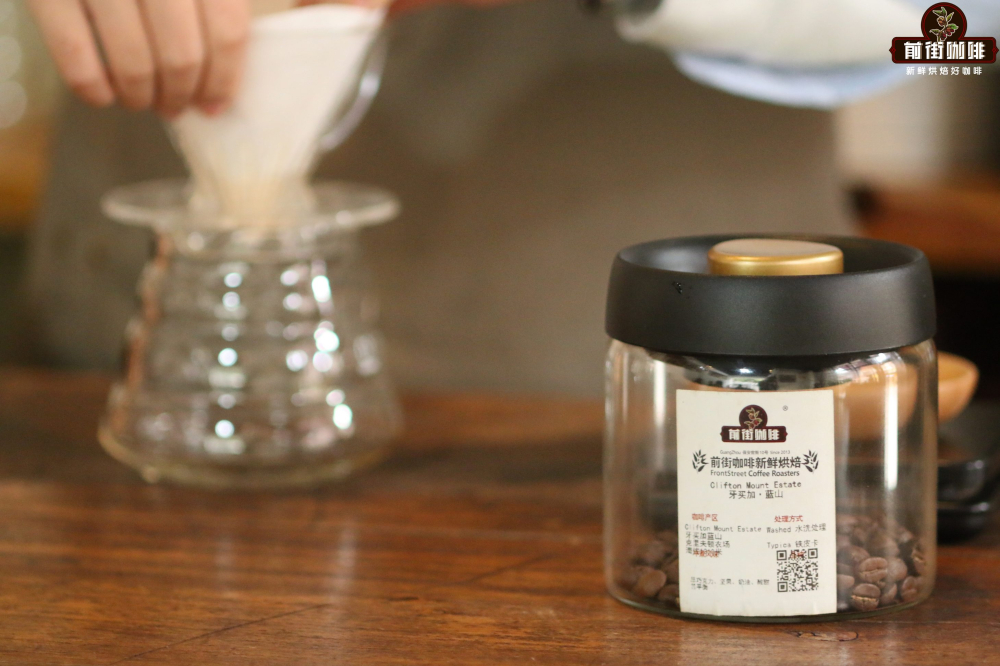
The reason why Blue Mountain coffee is both expensive and renowned goes beyond its unparalleled flavor — it is also closely tied to its growing conditions. The Blue Mountains are located in northeastern Jamaica, surrounded by the Caribbean Sea. On sunny days, the blue light from the sea reflects off the mountains, hence the name “Blue Mountain.” However, not the entire mountain range is suitable for coffee cultivation. The government has designated areas above 1,700 meters in elevation as nature reserves, where farming is prohibited. In addition, the high-altitude regions tend to have lower temperatures and are prone to frost risks, which are unfavorable for coffee tree growth.
The suitable areas for coffee cultivation are mainly concentrated in four of Jamaica’s administrative regions: Portland, Saint Mary, Saint Thomas, and Saint Andrew. According to the official Jamaican classification, the country’s coffee is divided into three grades: Jamaican Blue Mountain coffee, Jamaican High Mountain coffee, and Jamaican Prime coffee. Among these, only coffee beans grown at elevations between 1,000 and 1,700 meters qualify as “Jamaican Blue Mountain coffee.” This altitude range accounts for less than 40% of the entire mountain area, highlighting just how rare it is.
Moreover, the Jamaica Coffee Industry Board enforces extremely strict quality control over Blue Mountain coffee. Based on bean size and defect rate, Blue Mountain coffee is further divided into four grades: No. 1, No. 2, No. 3, and Peaberry. Among them, Blue Mountain No. 1 is the highest grade, requiring not only an elevation between 1,000 and 1,700 meters, but also a bean size of 17/18 mesh, and a defect rate of no more than 2%. Such stringent selection criteria make beans that meet the Blue Mountain No. 1 standards extremely scarce, and naturally, their price is accordingly high.
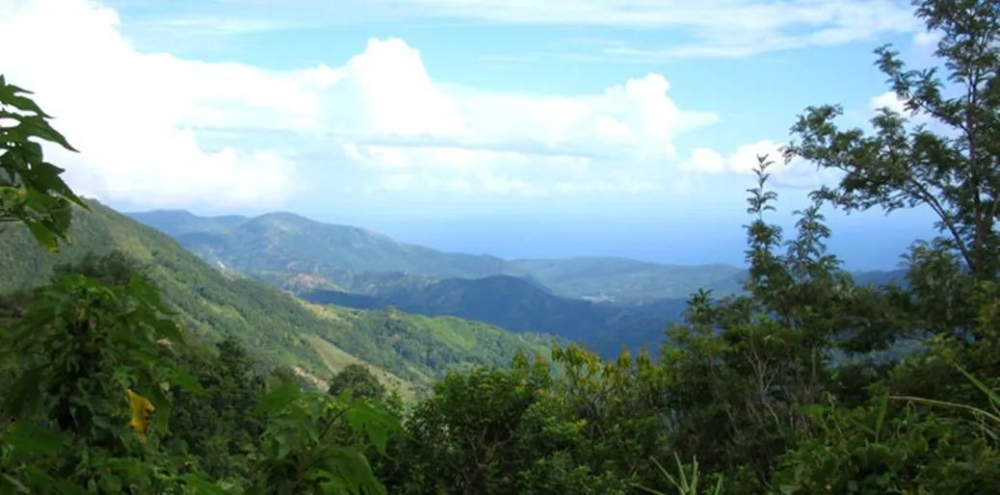
As for the origin of Blue Mountain coffee, it mainly comes from renowned estates such as the Clifton Mount Estate. This farm has been operated by the Sharp family for over two hundred years and is one of the oldest coffee plantations in the Blue Mountain region. It is situated in the Catherine’s Peak area at an altitude of up to 1,310 meters, making it one of the highest-altitude coffee-growing areas in the Blue Mountains. It has also been awarded Rainforest Alliance certification, demonstrating its commitment to environmental sustainability. The Typica variety grown here is processed using the washed method: ripe cherries are depulped, the mucilage is removed, and then the beans are sun-dried. This results in a clean, clear-flavored black coffee with distinct terroir characteristics, featuring a balanced acidity, sweetness, and bitterness — ideal for those who appreciate the original flavors of coffee.
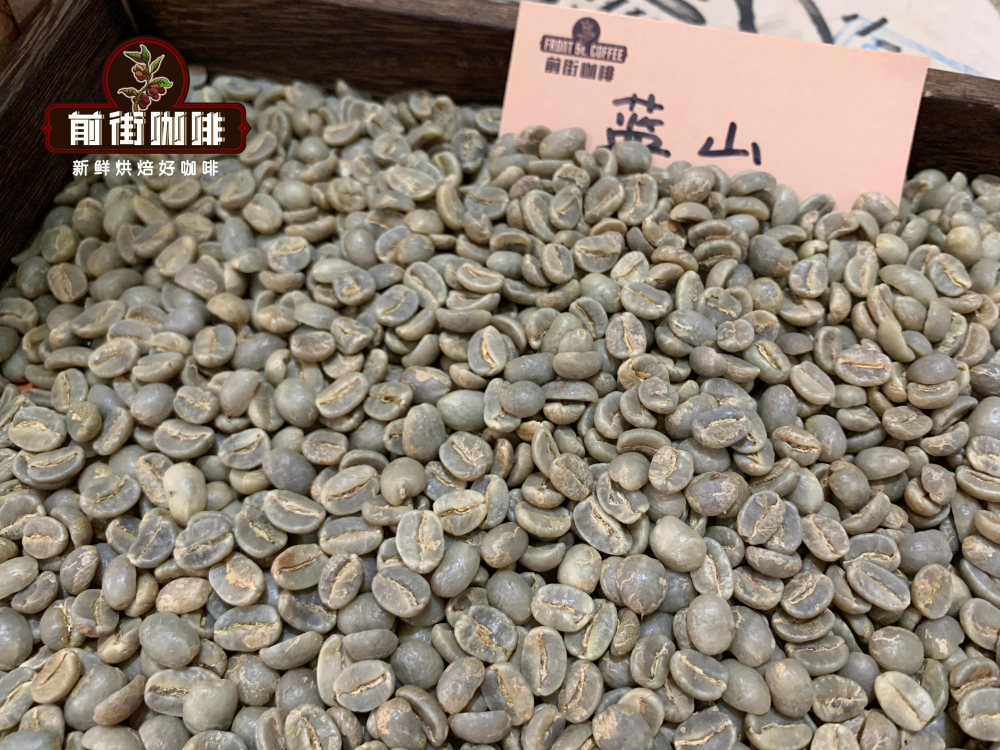
When exported, Blue Mountain coffee is still packaged in traditional wooden barrels — a unique practice in Jamaica and found nowhere else in the world. The Blue Mountain green beans displayed in stores along with the origin certificates are proof that every batch of Blue Mountain No. 1 truly comes from Jamaica. These green beans arrive with a bluish-green hue, plump and even in shape, and a subtle, elegant fragrance. After being medium to dark roasted, they further highlight the distinctive nutty and chocolatey notes of Blue Mountain, offering a rich mouthfeel that is perfect for savoring through careful pour over brewing.
When brewing this Blue Mountain No. 1, it is recommended to use a coarser grind size and slightly lower water temperature to avoid over-extraction, which can lead to burnt or bitter flavors. The suggested parameters are as follows: use a KONO filter cone, control the water temperature at around 88°C, use 15 grams of coffee, a 1:15 coffee-to-water ratio, and a grind size based on 80% passing through a 20-mesh sieve according to the Chinese standard. The KONO filter cone has smooth walls and 12 short ribs at the bottom. When wet, the filter paper adheres tightly to the walls, reducing airflow and extending the contact time between water and coffee grounds. Even with a coarser grind, this setup ensures good extraction efficiency and delivers a rich, full-bodied taste.
In terms of specific steps, start by pouring 30 grams of hot water for a 30-second bloom. Then slowly pour water in a circular motion from the center outward until you reach 125 grams, and continue pouring until you reach 225 grams after the water level drops. Keep the total brewing time around 2 minutes. The blooming stage helps stabilize the flavor extraction later on, especially for freshly roasted beans (within about 5 days of roasting and after 4–7 days of resting), where the effect is even better.
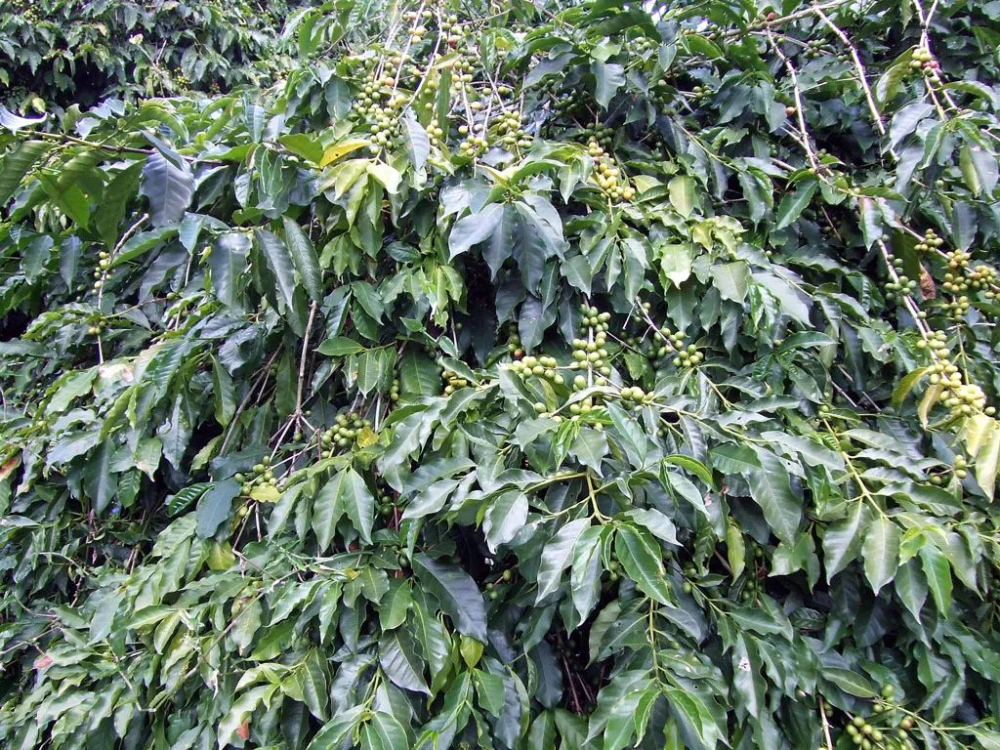
If you don’t have a grinder at home, some shops offer grinding services. However, please note that once coffee is ground, its aroma and flavor compounds will begin to evaporate more quickly. Therefore, if possible, it is recommended to buy whole beans and grind them fresh before brewing to fully enjoy the most complete and captivating true flavors of Blue Mountain coffee.
The above content is compiled by CoffeeHunters, a coffee news website.


