







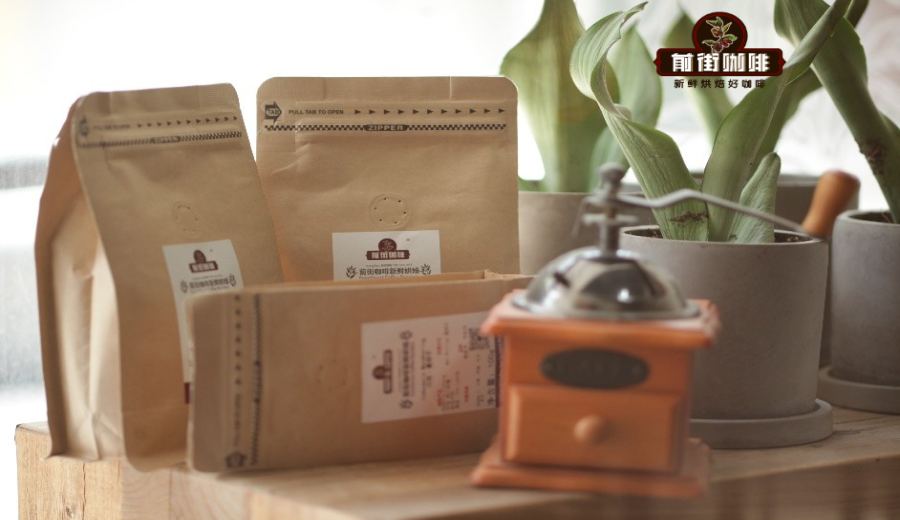
Introduction:This "Floral Moonlight" coffee bean from Colombia’s Huila region, processed with anaerobic natural method, delivers unique flavors of strawberry jam, liqueur chocolate, and fermented wine aroma — a perfect choice for pour over enthusiasts seeking a flavor experiment. This article delves into the bean’s origin, farm background, processing technique, as well as roasting and brewing parameters to explore the source of its flavors, and provides practical pour over tips to help you fully experience the layered charm of this mid-to-high altitude Caturra bean.
The newly released Colombian Huila "Floral Moonlight" coffee bean is a specialty coffee that combines anaerobic natural processing technology with high-altitude Caturra variety. Grown at an altitude of about 1800 meters at the Hacienda El Diviso, this bean is renowned for its pronounced flavors of strawberry jam, liqueur chocolate, and fermented wine aroma, making it ideal for coffee lovers who enjoy a balance of fruity notes and sweetness. This article will detail its regional characteristics, processing method, roast profile, and how to bring out its optimal flavor through pour over techniques.

As a globally renowned producer of high-quality coffee, Colombia boasts a coffee cultivation history of over three hundred years, with its unique geographical environment being the key factor. The country features diverse terrain, low latitude but high altitude, and numerous microclimate zones, making it particularly suitable for coffee tree growth. Statistics show that Colombia has five major coffee-producing regions and 19 sub-regions, covering a total cultivated area of 914,000 hectares, surrounding the Sierra Nevada, Sierra de Santa Marta, and the Andes Mountains, all abundant in water resources and blessed with diverse climates.
Huila Province is the heartland of the southern central mountain range of Colombia and one of the country’s most representative specialty coffee regions. Surrounded by mountains and rolling hills, this area generally has planting altitudes above 1500 meters and is also a convergence point for important rivers in Colombia, offering rich water resources and moisture. According to data from the Colombian Coffee Growers Federation (FNC), in 2016, Huila Province produced as much as 2.6 million bags (each bag weighing 60 kilograms) of coffee, accounting for 18% of the national total output, which speaks volumes about its acknowledged capacity and quality.
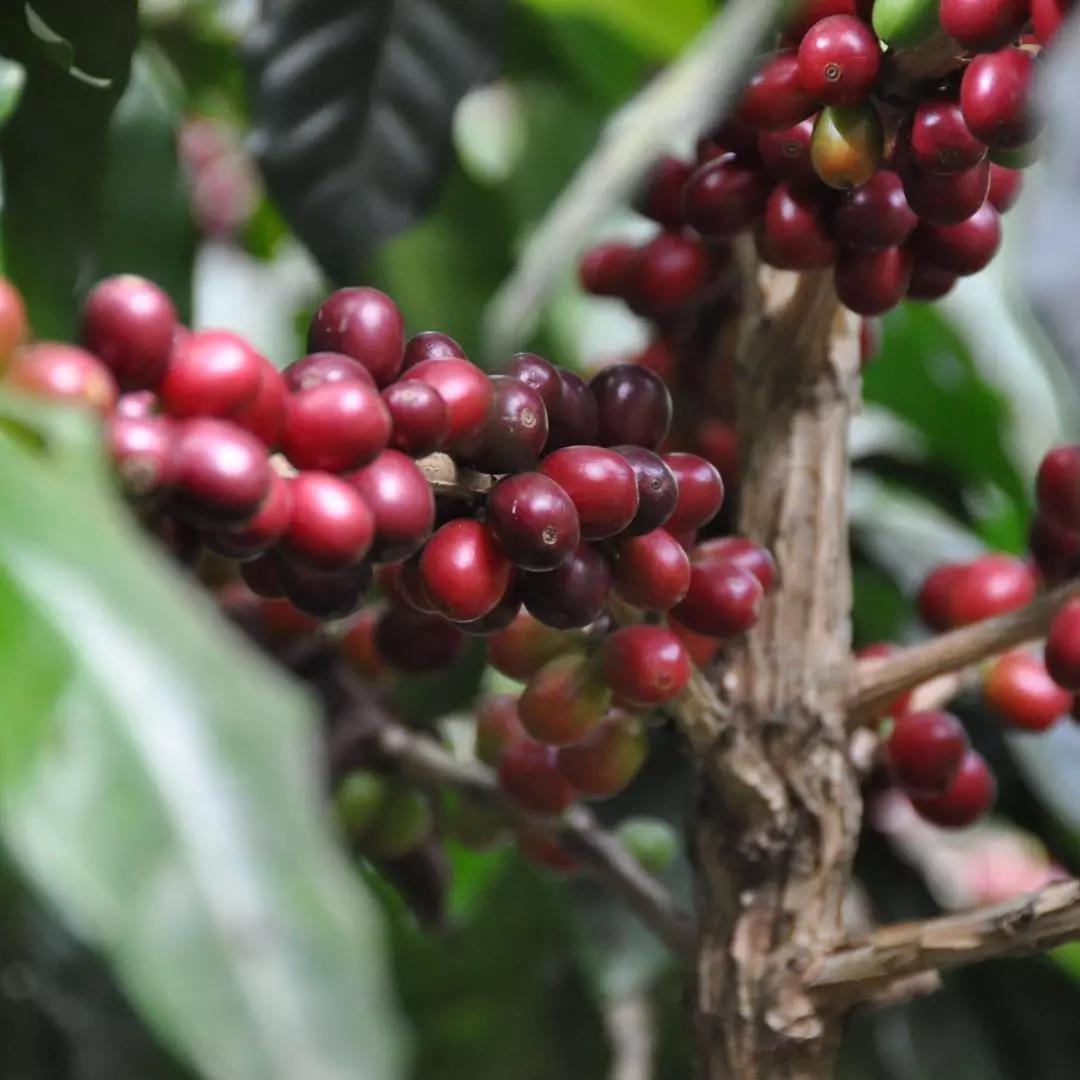
The reason why the Huila region can produce flavors distinctly different from other Colombian coffees is directly related to its unique geography and microclimate. The area is surrounded by the central and eastern ranges of the Andes Mountains, with many farms located in the Magdalena Valley region, experiencing significant day-night temperature variations — according to FNC data, local farm temperatures typically range between 17°C and 23°C. Coupled with planting altitudes generally falling between 1200 and 1800 meters, and volcanic soils rich in nitrogen, these factors create the unique aromatic and sweet foundation characteristic of Huila coffee.
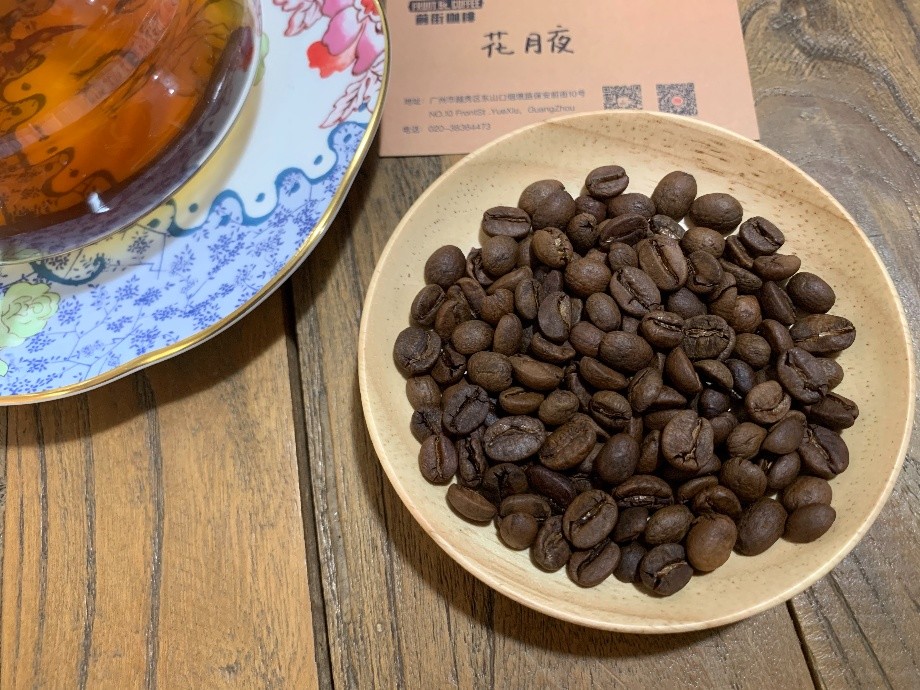
The Floral Moonlight coffee beans come from Hacienda El Diviso in Neiva, Huila Province, and are managed by Ramirez, who comes from a family with a long history in coffee cultivation. He entered the coffee industry at the age of 18, previously worked at local specialized institutions, later purchased the estate, and chose to plant the Caturra variety. This particular Floral Moonlight lot uses a special anaerobic natural processing method, originating from an experimental project initiated by the previous estate owner three years ago and further refined in the fermentation process by Ramirez.
Compared to traditional methods, Ramirez places the coffee cherries in sealed fermentation tanks and extends the fermentation time to 15–20 days under low-temperature conditions, allowing more ample transformation space for the flavors. Subsequently, he employs slow sun drying, which not only helps the coffee cherries achieve ideal water activity but also contributes to flavor stability and long-term storage. This technique imparts intense fruitiness and layered fermentation notes to Floral Moonlight, but also places higher demands on subsequent roasting and extraction.
The origin of Floral Moonlight, Huila, is not only high-yielding but also known for its delicate flavors and bold aromas. Such coffees typically exhibit moderate fermentation notes and pronounced sweetness, suiting drinkers who seek a balance between fruity notes and body. Upon receiving this batch of green beans, we immediately adjusted the roast curve based on their characteristics and clarified the optimal flavor window through multiple cuppings. The dry fragrance upon opening the bag carries notes of violet and rich strawberry jam, while the wet aroma emits distinct fermented wine notes. During tasting, one can clearly perceive the interplay of strawberry jam and liqueur chocolate layers.
To fully showcase the fruity notes and sweetness of Floral Moonlight while maintaining a rich and rounded mouthfeel, we opted for a medium roast. In view of the anaerobic natural characteristics, we specifically controlled the drying phase between 9 to 9.5 minutes to ensure thorough bean development and avoid underdevelopment. Additionally, due to the bean’s noticeable water absorption and expansion, a medium-coarse grind size is recommended, along with slow pouring using a fine stream to facilitate full extraction.
The final flavor profile of Floral Moonlight is rich yet balanced, with the early stage dominated by pronounced floral notes and strawberry jam, the mid-stage gradually revealing the mellow texture of liqueur chocolate, and the finish carrying subtle notes of dark cocoa and creamy fermented richness. The overall performance is layered with a long-lasting aftertaste, making it an excellent choice for exploring the flavors of anaerobic processing and high-altitude Caturra.
The above content is compiled by CoffeeHunters, a coffee news website.


