







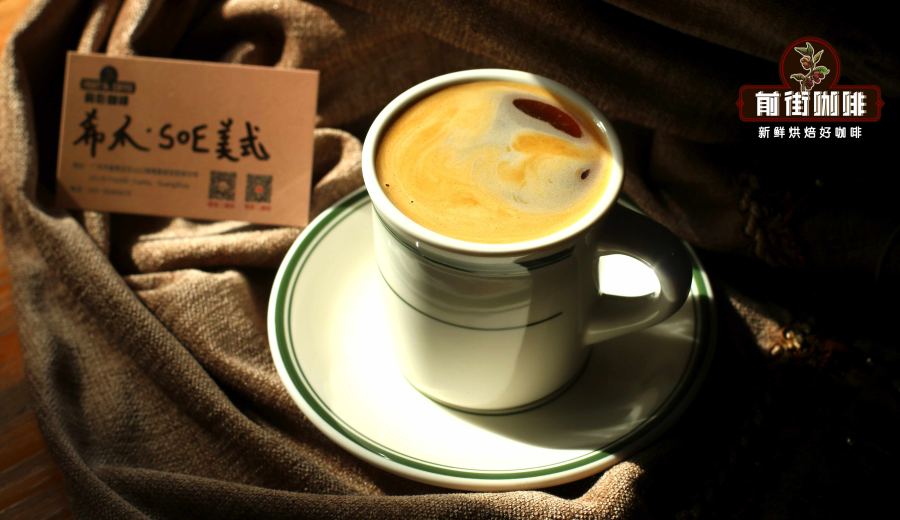
Introduction:SOE (Single Origin Espresso), or espresso made from single-origin coffee beans, has gradually gained attention in the specialty coffee scene in recent years. Compared to traditional espresso blends, SOE emphasizes regional characteristics and flavor complexity, but not every bean is suitable for making Americano. This article delves into the core concept of SOE, its differences from regular blends, and provides practical extraction ratios and flavor profiles of various beans to help you find your own single-origin espresso experience.
Walk into a specialty coffee shop, and the barista might smile and ask, “Would you like to try our SOE Americano?” If you’re hearing this term for the first time, you might be a bit confused. SOE stands for “Single Origin Espresso,” which refers to espresso extracted using beans from a single origin. As early as the 2007 World Barista Championship (WBC), a champion used single-origin beans to brew espresso that defeated various blends, instantly putting SOE on the map. Since then, this form of espresso that highlights regional character has been popular overseas for over a decade, while it has only become more common in Taiwan and Hong Kong in recent years.
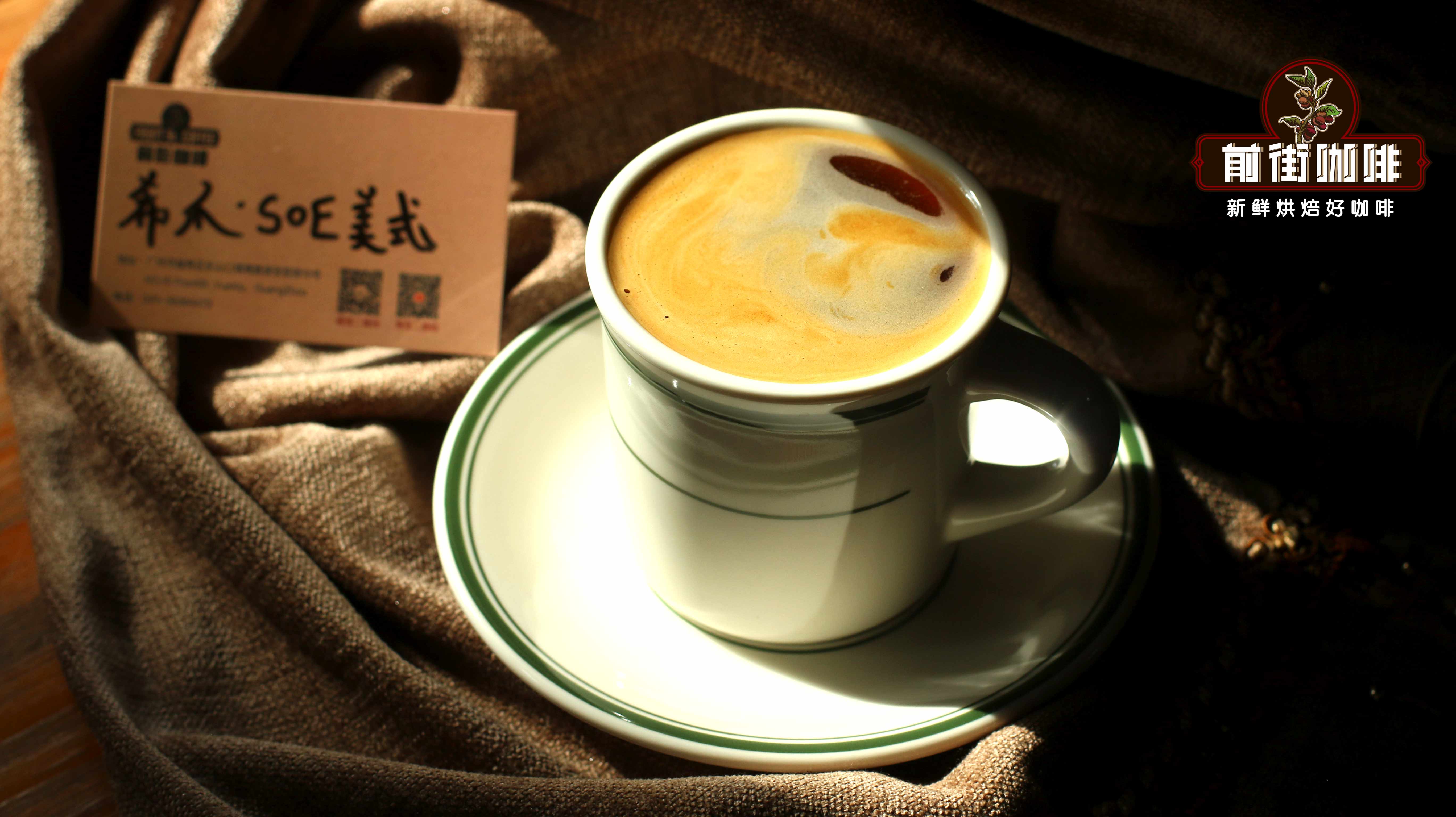
Many coffee enthusiasts wonder, is SOE really better-tasting than traditional espresso blends? The answer isn’t so straightforward. Traditional espresso usually uses blended beans, combining beans from different regions and varieties, roasted medium to dark to deliver rich crema and a stable flavor profile, making it highly suitable for everyday drinks like lattes or Americanos. In contrast, SOE emphasizes the unique flavor traits of a single origin—such as fruity, floral notes, or even distinctive sweetness—to offer a more layered drinking experience.
But not every single-origin bean is suitable for making SOE. Because the characteristics of single-origin beans are quite pronounced, improper roasting or extraction can easily lead to excessive acidity, thinness, or even unpleasant flavors. Especially light-roasted single-origin beans, under high-pressure extraction, tend to release sharp acidic notes that can throw off the balance of the entire cup. Therefore, choosing the right bean variety and mastering the correct roasting and extraction parameters are key to making a delicious SOE.
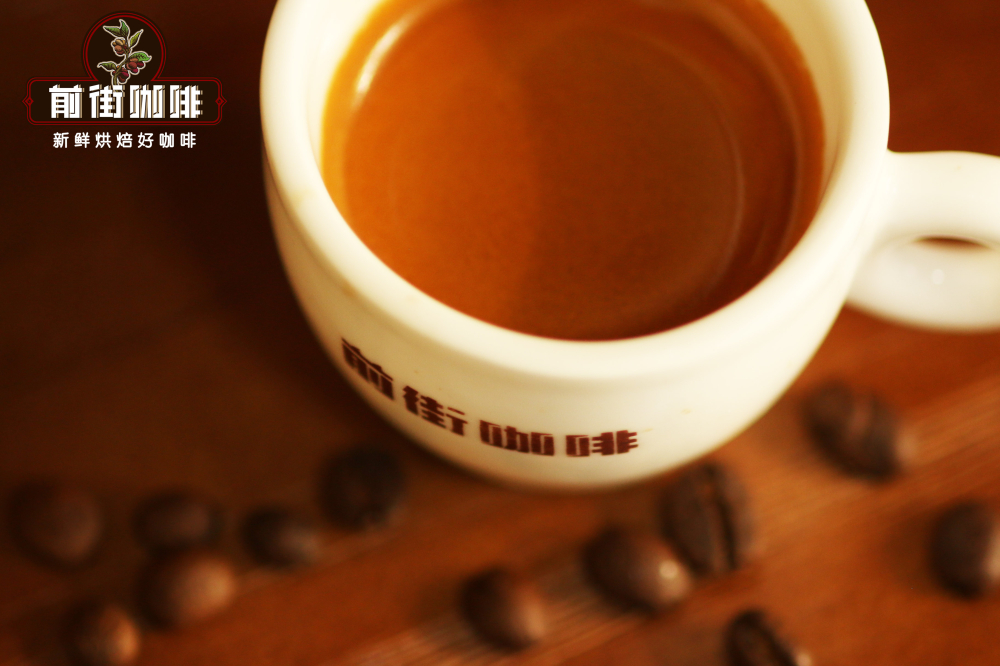
When selecting SOE coffee beans, it’s recommended to prioritize varieties with distinct and stable flavor profiles. Generally speaking, single-origin beans roasted medium to dark can better showcase richness and balance, while also reducing the risk of overly sour or astringent tastes. For example, a medium-roasted SOE from Costa Rica, when properly roasted, can release sweet fruit notes like dried fruit, pineapple, and raisins, along with red floral tones and soft berry acidity—perfect for those who enjoy lightly sweet flavors.
Another common choice is a medium to dark roasted Brazilian SOE. These beans often carry aromas of nuts and roasted peanuts, paired with the richness of dark chocolate and a caramel finish. They have a smooth mouthfeel and distinct layers, making them easily approachable even for consumers trying single-origin espresso for the first time. Meanwhile, African SOEs processed with natural sun-drying methods—such as Ethiopia’s Hua Kui variety—showcase bright citrus, berry, and orange blossom notes, ideal for making small servings of SOE Americano or flat white, delivering a refreshing and energizing taste experience.
So, how is an SOE Americano made in coffee shops? Compared to traditional Americano, the most distinctive feature of an SOE Americano is its brighter acidity and clearer flavors, sometimes even with noticeable floral and fruity notes, resulting in a more refreshing and less heavy overall mouthfeel. To replicate this flavor at home or in a café, it’s recommended to choose beans with distinct flavor characteristics—for instance, the Xi Zha SOE with its grape, passionfruit, and apricot notes is one of the highly popular choices.
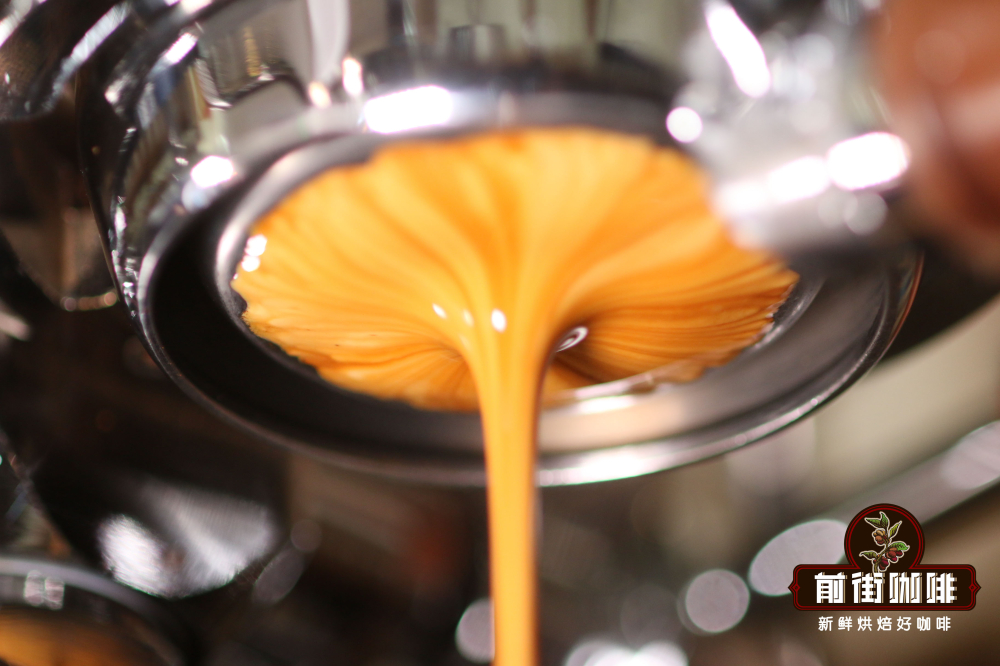
In practice, it’s suggested to use a 1:1.5 coffee-to-water ratio for extraction—that is, 20 grams of coffee grounds to yield 30 grams of espresso, with an extraction time controlled between 30 to 35 seconds to ensure sufficient extraction without over-extraction. Then, based on personal taste, add about 105 milliliters of hot or cold water at a 1:3.5 ratio to make a well-balanced and flavorful SOE Americano. Such extraction parameters not only bring out the fruity acidity and sweetness but also retain a moderate body, making the coffee taste as refreshing as juice while still preserving the essence of coffee.
In summary, SOE is a form of espresso that showcases the original flavors and regional characteristics of coffee beans. Although it may not be as stable or adaptable as blends, by choosing the right beans and mastering roasting and extraction techniques, you can enjoy a unique coffee experience. Whether you’re a beginner or an advanced coffee enthusiast seeking layered flavors, you can discover your own coffee preferences through SOE.
The above content is compiled by CoffeeHunters, a coffee news website.


