








Introduction:Kenyan coffee is renowned for its bright acidity and clean flavor profile, and the key lies in its unique washed processing method. This article delves into three common techniques in Kenya—double washed, K72 fermentation, and dry fermentation—tracing back to the origins of traditional washed processing and comparing the fermentation time, number of washes, and flavor impacts of each process. It helps you understand how different processing techniques shape the layered complexity of coffee and master the key points in selecting washed Kenyan beans.
The globally acclaimed vibrant acidity and clarity of Kenyan coffee are not only attributed to high-altitude cultivation and superior varieties but also closely tied to its exquisite washed processing methods. The widely used double washed method in the region, along with its extended variations such as K72 and dry fermentation, impart unique flavor profiles to the beans through differing fermentation and washing procedures. This article will start from the basics of traditional washed processing and gradually break down the operational details and flavor differences of these special methods.
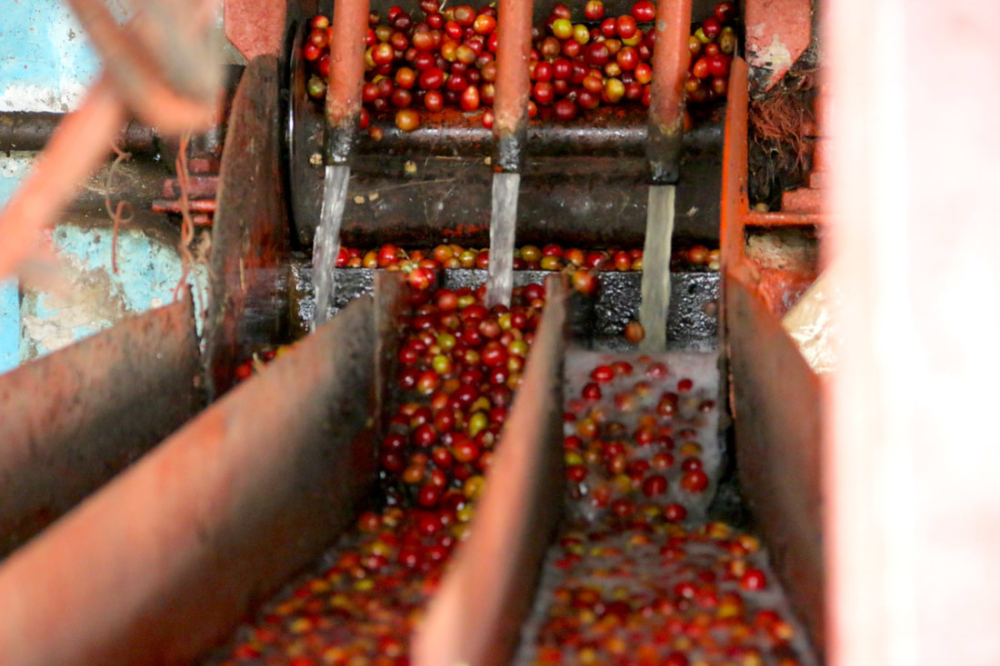
The washed process, also known as the wet process, involves removing the outer skin and pulp of the coffee cherry, then using fermentation and washing to eliminate the mucilage layer before drying. This method originated in the 19th century on the island of Jamaica in the West Indies, developed in response to the humid and rainy environment to solve the issue of natural sun drying being difficult to achieve. In 1845, James Meacock of Kingston, Jamaica, obtained the first patent for a coffee pulper, accelerating the popularization of washed processing technology. The traditional washed process includes steps such as flotation, pulping, fermentation, washing, drying, hulling, and packaging. While it produces beans with pure flavors, it requires a stable water supply and equipment support.

The commonly used “double washed” method for Kenyan coffee originates from practical adjustments within the local cooperative model. Standard washed processing typically involves only one wash after fermentation before moving on to the drying stage. However, during Kenya’s harvest season, the volume of freshly picked cherries is large, and drying patios are often insufficient. To prevent the fermented beans from spoiling due to the inability to dry them promptly, farmers re-soak the wet beans in clean water for temporary storage before washing them again and then proceeding to dehydration. This “double soaking” approach was later found to enhance the flavor complexity, bringing out richer acidity and finer textures—for instance, some batches may exhibit unique aromas akin to cherry tomatoes and preserved plums. This method is also referred to locally as Fully Washed or Double Fermentation, and has even given rise to the term “Kenyan processing method.”
The K72 washed method represents the ultimate control over fermentation time. Its name derives from the total72-hourfermentation process: it begins with 24 hours of washed fermentation to remove the initially loosened mucilage; then the beans are washed and transferred to fresh water for another 24-hour fermentation; finally, a third 24-hour fermentation stage ensures complete breakdown of the mucilage. This segmented fermentation approach allows for more uniform conversion of sugars and acids, creating the hallmark bright and clean flavors of Kenyan coffee—such as the acidity profile reminiscent of cherry tomatoes and dark plums. In practice, factors like temperature and water quality management during each fermentation phase also influence the final flavor outcome.
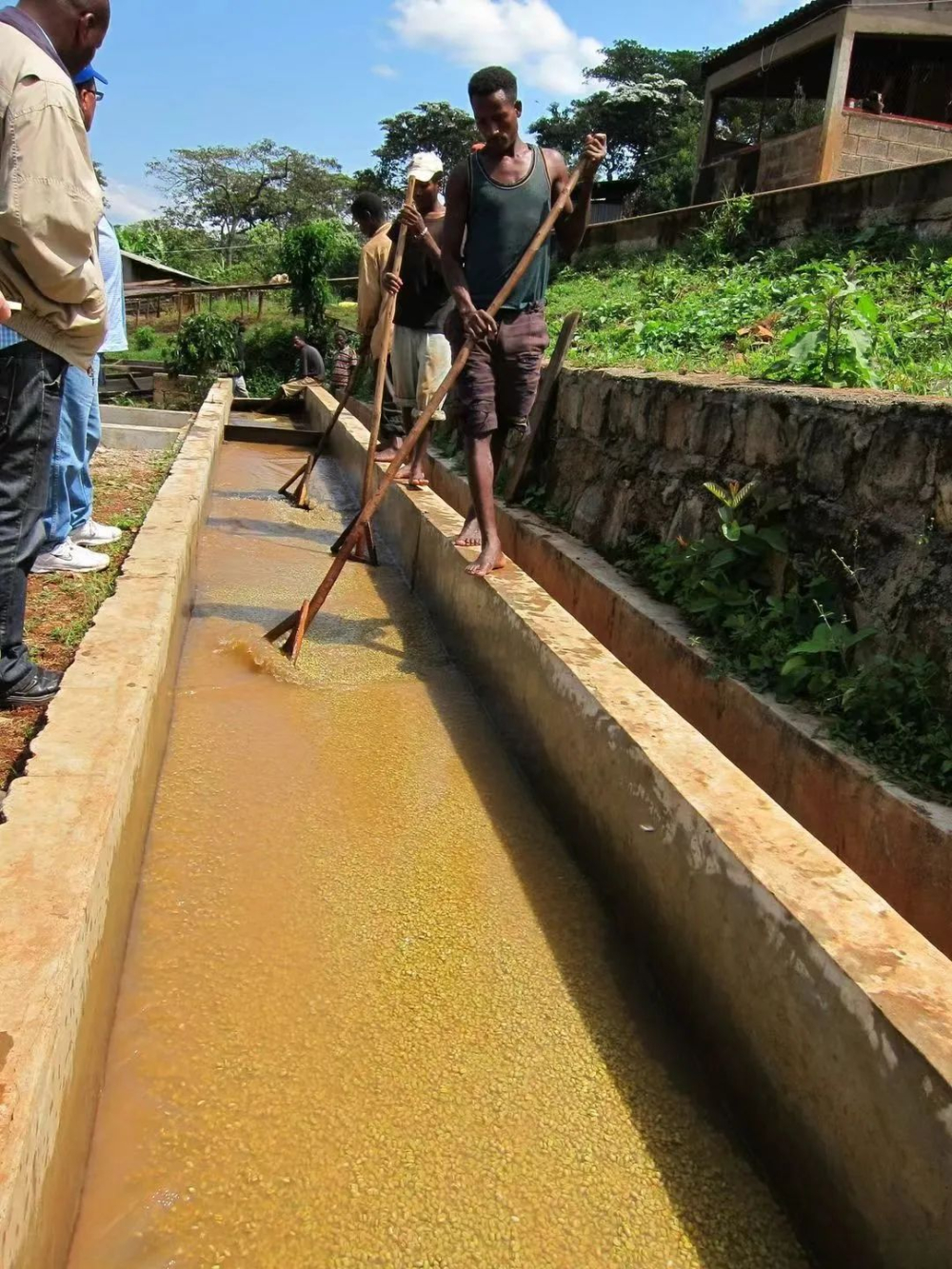
Dry fermentation (washed) is an alternative method designed to reduce water consumption and environmental impact. This process skips the extensive rinsing steps, instead placing the depulped parchment beans directly into a fermentation tank for6 to 8 hoursof resting, allowing microorganisms to naturally break down the mucilage in a low-water environment. Since the fermentation process is somewhat closer to honey processing, the beans require a final rinse with clean water to remove residual mucilage. Compared to traditional washed processing, dry-fermented coffee usually exhibits a rounder sweetness with relatively softer acidity, yet still maintains the clarity and layering typical of washed beans. This method is especially suitable for regions with limited water resources while also reducing the ecological impact of acidic wastewater.
Overall, fermentation remains the core element of washed processing. Whether it’s the double washing of the double washed method, the precise time control of K72, or the water-saving design of dry fermentation, the differences mainly lie in soaking duration, frequency, temperature management, and whether auxiliary materials are added. For consumers, understanding these processing details helps in discerning the flavor characteristics of coffee—for example, those seeking bright acidity might prioritize K72 or double washed, while those preferring softer sweetness can try the dry fermentation version. By comparing different processing methods, you’ll be able to select Kenyan coffee that better suits your personal taste preferences.
The above content is compiled by CoffeeHunters, a coffee news website.


