








Introduction:Cold brew coffee is a classic among summer iced beverages, beloved by coffee enthusiasts for its refreshing taste and easy-drinking profile. This article will take you in-depth into the brewing principles of cold brew, analyzing how low-temperature extraction affects flavor balance, and offering practical home-brewing advice — including the flavor characteristics of three recommended coffee beans and suitable brewing methods. We’ll also detail the step-by-step process and preservation tips to help you easily whip up a well-balanced cold brew at home.
As a classic representative of chilled drinks, cold brew coffee has won the favor of many coffee lovers with its refreshing and smooth mouthfeel. The history of this beverage can be traced back to the early days of seafaring, when limited conditions on board made it impossible to brew with hot water. Someone experimented with steeping coffee grounds in cold water for an extended period and unexpectedly discovered that the filtered coffee still retained a rich flavor, eventually evolving into today’s cold brew technique.
A common question is: “Should cold brew be made with hot water or cold water?” The answer is clear — cold brew must use room temperature or ice water, and the entire extraction process should maintain a low-temperature environment, typically between 4 to 10°C. Due to the reduced extraction efficiency at low temperatures, large molecular compounds that tend to produce bitterness and astringency are less likely to be released. Instead, it helps slowly extract components such as sugars and organic acids, resulting in a more balanced sweet and sour taste and a smoother body.

If you want your homemade cold brew to highlight a refreshing sweet and sour profile, it’s recommended to prioritize medium to light roasted coffee beans. These beans, due to their shorter roasting time, usually exhibit pronounced floral and fruity aromas, with bright yet non-aggressive acidity. The resulting iced coffee has a refreshing taste, is less prone to over-extraction or off-flavors, and is a safer choice for beginners.
If you prefer a cold brew with subtle floral notes and a fresh taste, consider selecting high-quality washed-process coffee beans. This is a G1-grade coffee bean from the Yirgacheffe region of Ethiopia, processed via the washed method. In terms of flavor, it showcases a green tea-like fresh base, complemented by bright citrus and lemon acidity, along with a honey-like finish. The overall profile is as pleasant as a fruit tea.Image location: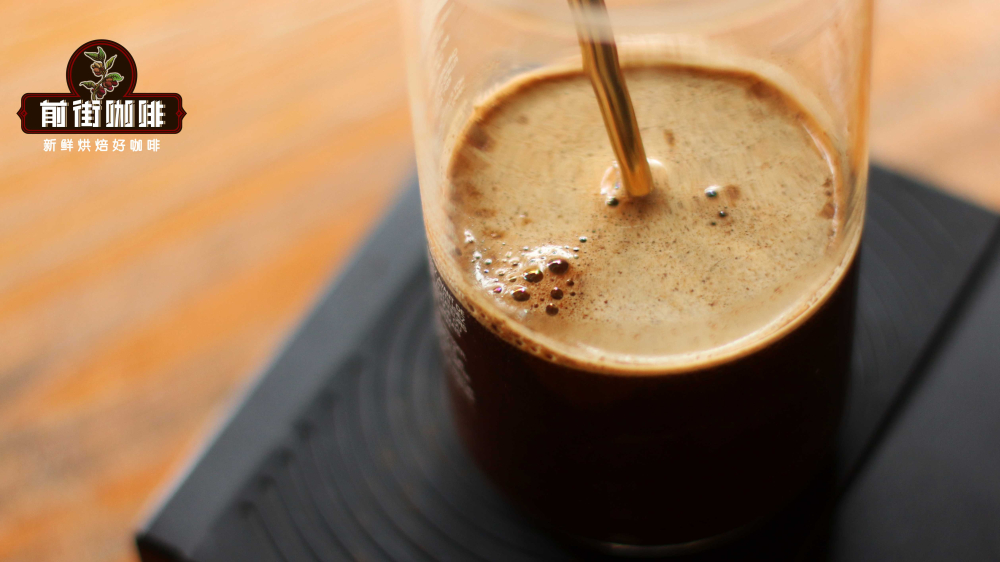
For those who enjoy intense fruity acidity and rich layers, a high-altitude bean variety from the Buku processing plant in the Guji region of Ethiopia’s Hambela area, processed using the natural (sun-dried) method, would be a great choice. This coffee bean boasts highly distinctive berry-like acidity, paired with a honey-like sweetness and a black tea-like gentle aftertaste. When brewed as cold brew, it delivers a rich and layered tropical fruit flavor.
If you prefer cold brew with noticeable sweetness and unique fermented flavors, beans from Costa Rica that employ the raisin honey processing method are an ideal option. These beans offer intense raisin aroma and a natural fermented wine-like character, along with a subtle osmanthus fragrance, making them very suitable for crafting uniquely flavored sweet cold brew coffee.Image location:
Making cold brew at home is actually very simple. First, prepare a clean 200 ml sealable glass bottle, ensuring the container is free of oil and odors. Then weigh about 20 grams of coffee beans — it’s recommended to choose a fruit-forward option — and grind them to a medium-coarse consistency, roughly the size of white sugar granules (about 75% passing through a Chinese No. 20 standard sieve).
Pour the ground coffee into the glass bottle, add room temperature or ice water at a 1:10 ratio, and it’s recommended to use filtered cold water to minimize impurity impact. Stir well to ensure all coffee grounds are fully saturated. Then seal the bottle cap and place it in the refrigerator’s chilling compartment to steep for 8 to 12 hours. There’s no need to shake it deliberately during this process; let the coffee grounds naturally release their flavors in the low-temperature environment.Image location: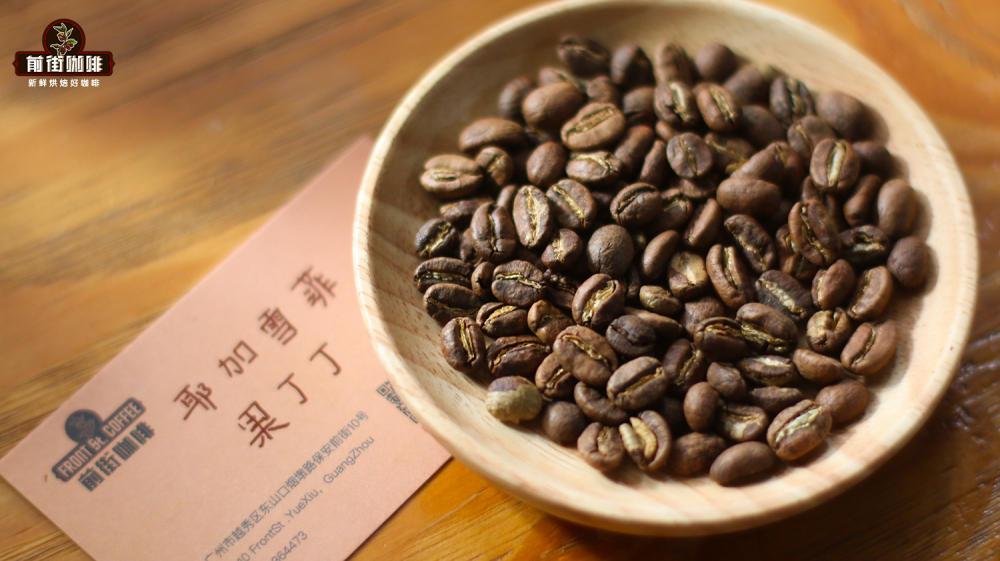
After steeping, use filter paper or a dedicated filtering tool to remove the coffee grounds, and you can enjoy a refreshing cup of cold brew coffee. If you desire a smoother mouthfeel, you can also filter the finished brew and then refrigerate it for another 1 to 2 hours to allow the flavors to meld further.
Regarding storage, although some say cold brew can be kept for 2 to 3 weeks, it’s actually recommended to consume it as soon as possible after filtration is complete. Under well-sealed conditions, the optimal flavor window is within 72 hours. Since home refrigerators often store various foods, even if sealed, there’s still a risk of bacterial contamination. Therefore, it’s best to finish the cold brew within 3 days of brewing to ensure both flavor and hygiene.Image location: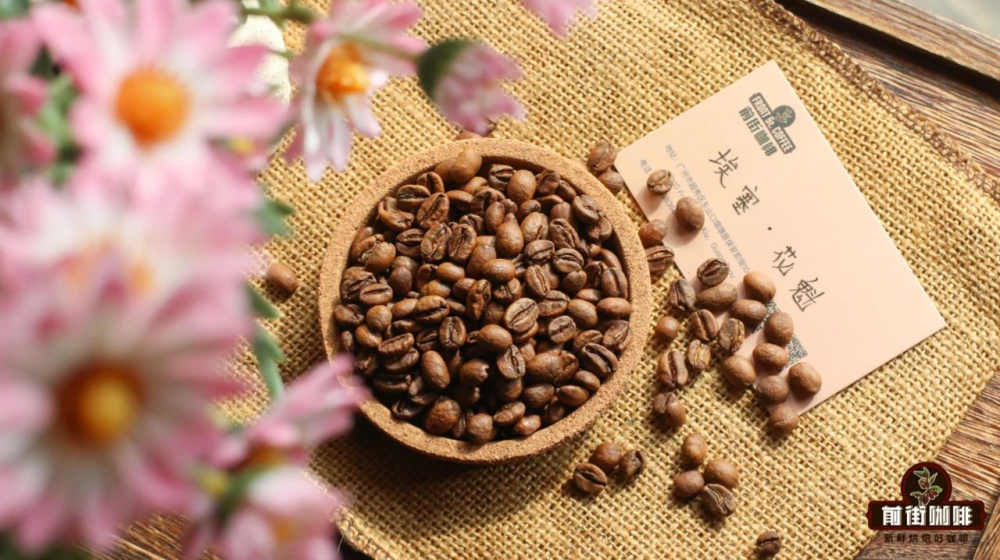
The above content is compiled by CoffeeHunters, a coffee news website.


