







Introduction:Cold drip coffee, with its low-temperature slow extraction, showcases unique layers of flavor, making it an excellent choice for a refreshing summer beverage. This article delves into the differences between cold drip and cold brew, guiding you through the key aspects of using a cold drip tower — including grind size, drip rate control, and coffee-to-water ratio. It also recommends two coffee beans well-suited for cold drip. From chilled fermentation duration to optimal drinking window, we provide a complete home brewing guide to help you easily recreate professional-grade flavors.
Cold drip coffee, filtered slowly through melting ice water combined with natural fermentation in a low-temperature environment, delivers a richly sweet, crisp, and smooth taste that has made it a beloved summer coffee option. This brewing method not only reduces bitterness but also highlights the fruitiness and floral notes inherent in the coffee, resulting in a nuanced experience with every sip.
Before exploring cold drip coffee, it's essential to understand how it differs from the more common cold brew. Cold brew involves steeping coffee grounds in cold or room-temperature water for an extended period, a relatively simple process. In contrast, cold drip involves melted ice water dripping steadily through a bed of coffee grounds, typically taking six to eight hours. After brewing, the coffee must be refrigerated overnight for fermentation to reach its peak flavor.
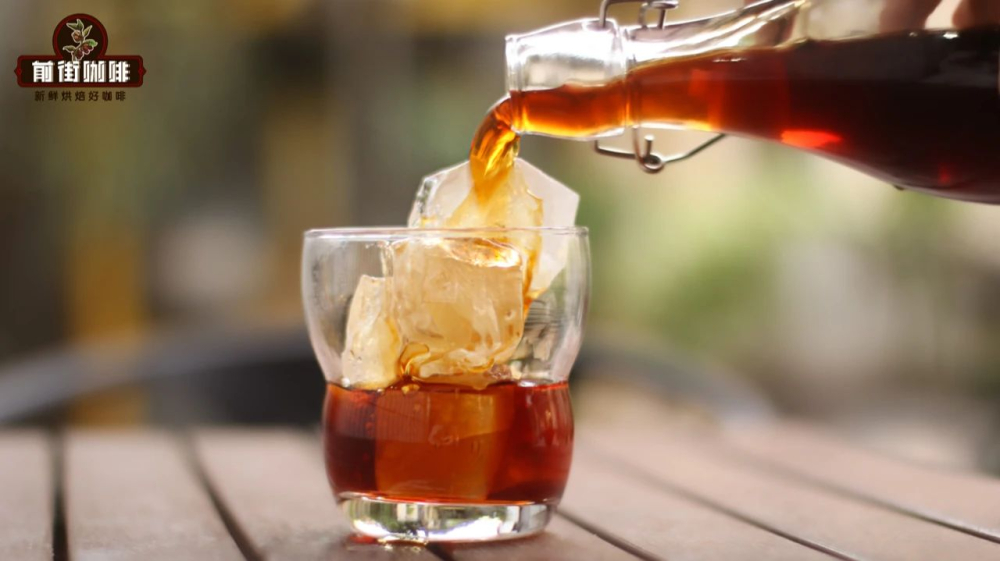
The high molecular compounds produced during coffee roasting are often bitter, and these substances dissolve more readily at higher temperatures. In comparison, low-temperature extraction reduces the release of bitter components, allowing sweetness to become more pronounced. Cold drip coffee leverages this characteristic by slowly extracting the essence of the coffee’s flavors in a cool environment.
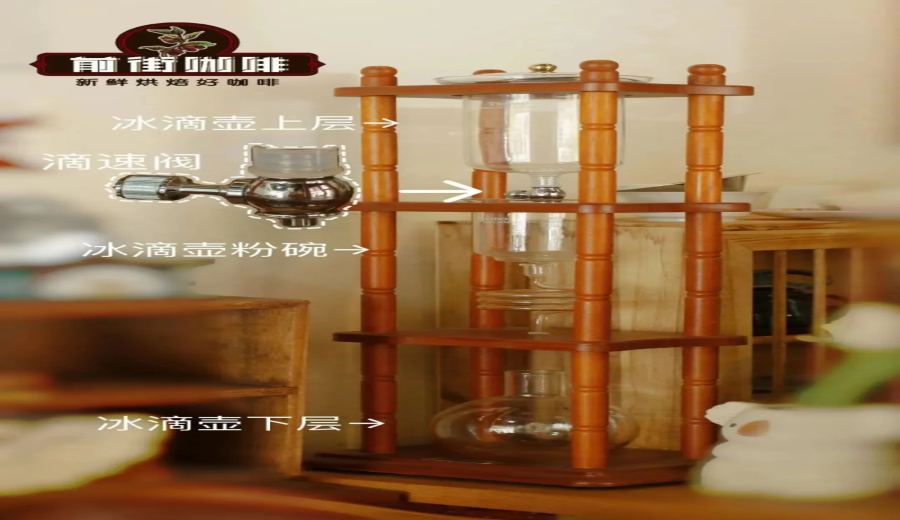
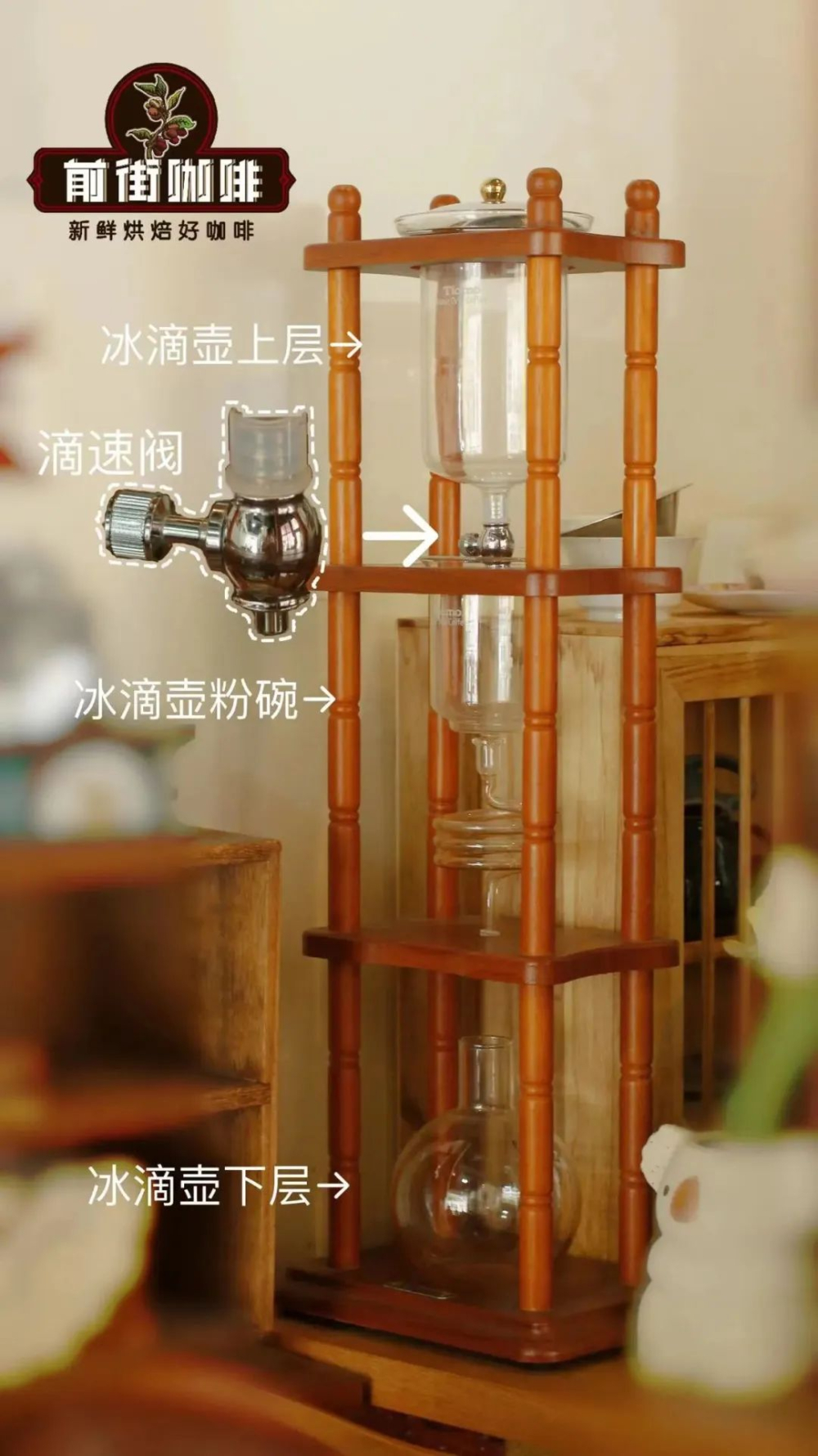
A typical home cold drip setup consists of three core components: an upper chamber holding the ice-water mixture, usually equipped with an adjustable valve to control drip speed; a middle filter basket where the coffee grounds are placed; and a lower container that collects the extracted liquid. Common models on the market, such as the Tiamo HG2713, also include a circular glass drainage tube. You can choose a model based on your budget and needs.
Grind size is a critical factor influencing the flavor of cold drip coffee. It is recommended to grind the coffee to a fineness where 80% to 85% passes through a Chinese No. 20 standard sieve, roughly equivalent to a setting of 10 on the EK43s grinder. Too coarse a grind may lead to under-extraction and weak flavor, while too fine can cause clogging and over-extraction, resulting in bitterness. For example, with the Kenyan Assaria beans used here, a slightly finer grind than typical pour over is advised due to the slower extraction rate at low temperatures, aiming for around 85% passing through the standard sieve.
The drip rate for cold drip is generally measured by the number of drops per ten seconds, with a recommended rate of 7 drops per 10 seconds. This pace balances extraction efficiency and flavor integrity. For a stronger profile, the rate can be slightly adjusted, but care should be taken to avoid over-extraction. As for the coffee-to-water ratio, a 1:10 ratio is recommended. If planning to dilute with ice later, the ratio can be increased to 1:12 to ensure sufficient strength.
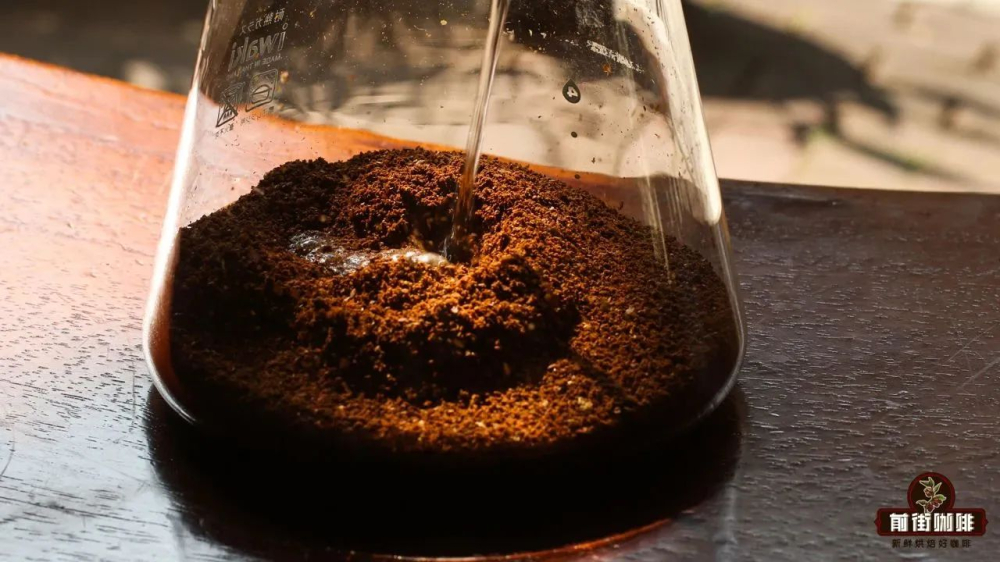
In practice, start by grinding 60 grams of coffee beans into powder and place them in the filter basket. Line with two layers of round filter paper and lightly mist the coffee grounds to accelerate the initial extraction. For the upper chamber, use a 1:1 mixture of ice and water, which will ultimately yield about 600 grams of extracted coffee liquid. After the dripping process is complete, transfer the coffee liquid into a sealed container and refrigerate for at least 12 hours to aid in flavor development and allow impurities to settle.
Regarding coffee bean selection, it is advisable to choose beans with a shelf life of within two months, and select processing methods and roast levels according to personal preference. For those who enjoy a bright, fruity profile, consider washed-process Panamanian Elida Estate Catuai beans, which offer a distinct peach juice-like sweetness and citrus acidity, translating into rich fruit layers when brewed as cold drip. For a bold fruit-tea flavor, opt for sun-dried Hua Kui beans, where high-sugar fruit pulp undergoes sun fermentation, resulting in lively berry acidity and black tea undertones.
Once prepared, cold drip coffee is best stored in a refrigerated environment and consumed within five days. Although the initial fermentation enhances flavor purity and sweetness, keeping it beyond five days may lead to undesirable oxidation effects. After opening, it should be consumed promptly to avoid spoilage caused by bacterial contamination. Professional shops typically recommend a shelf life of three days to ensure optimal flavor.
The above content is compiled by CoffeeHunters, a coffee news website.


