







Introduction:Want to brew a professional-grade latte at home? Mastering the operation of a semi-automatic espresso machine is key. This article details the types of home coffee machines, the extraction principles of semi-automatic machines, and recommends suitable coffee bean choices. From grinding, tamping to extracting espresso, then pairing with milk to create a cocoa cream-flavored iced latte, we’ll guide you step-by-step to easily get started and craft your own espresso experience.
Home coffee machines are mainly divided into two types: fully automatic and semi-automatic. Fully automatic machines can grind beans and extract coffee automatically, making them ideal for users who prioritize convenience, and they are commonly found in both homes and offices. However, if you want more control over the coffee extraction process, a semi-automatic coffee machine is a better choice.
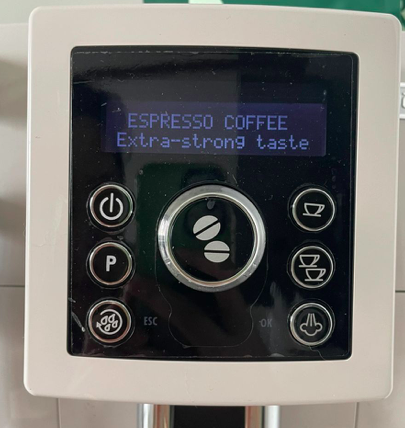
The biggest difference between fully automatic and semi-automatic coffee machines lies in the level of user involvement. Fully automatic models only require pressing a button to complete the entire process from grinding beans to extraction, which is why they are favored by many beginners. That said, including the popular coffee all-in-one machines and capsule machines in recent years, although they are even more simplified to use, they are essentially also fully automatic systems—just add coffee beans or a capsule to brew.
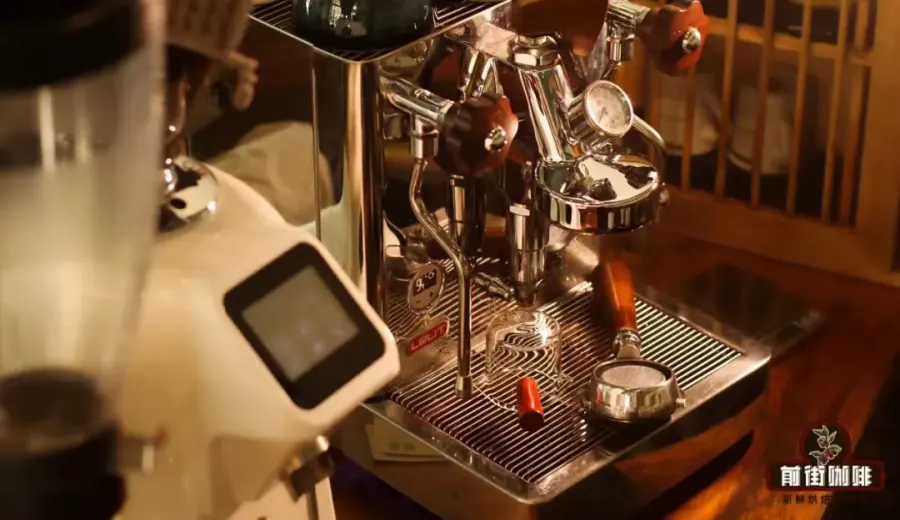
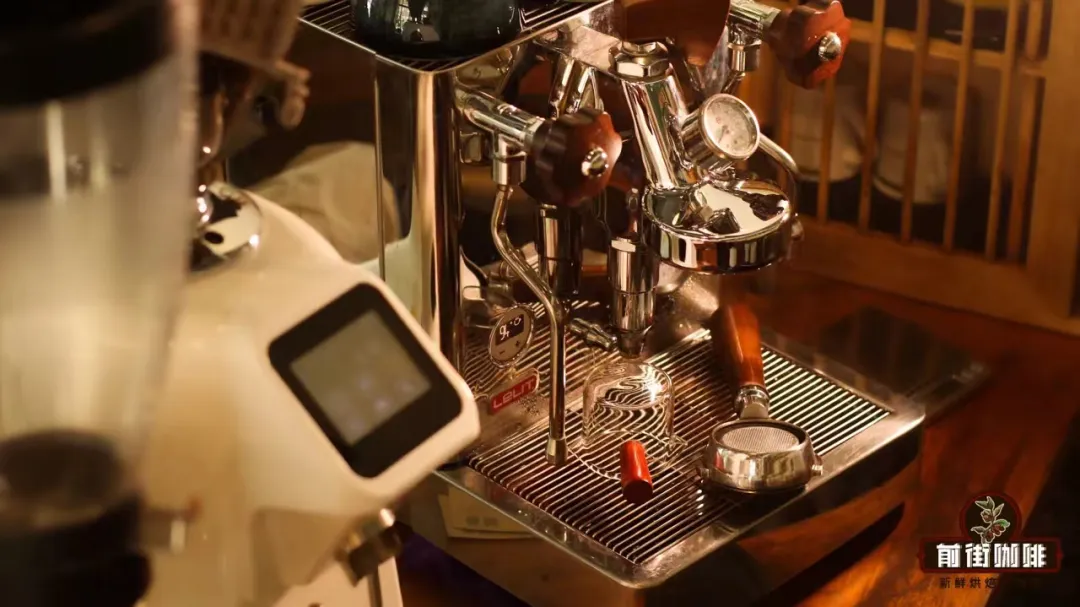
In contrast, semi-automatic coffee machines require the user to be involved in every step. From grinding the beans, filling the coffee grounds into the portafilter basket, to manually attaching the handle and starting the extraction, each step must be done by hand. The machine only provides hot water and pressure—the real technique and flavor control entirely depend on the user’s experience and feel.
If you want to challenge yourself with milk-based coffee, such as a latte, you’ll also need to froth the milk yourself, controlling the foam thickness and milk temperature. These details will directly affect the final flavor. In short, a semi-automatic coffee machine offers greater autonomy but also requires more learning and practice.
When using a semi-automatic coffee machine, the choice of coffee beans is crucial. Since the extraction process relies on manual adjustments, it is recommended to choose medium to dark roast blends specifically designed for espresso. Light roast beans, due to their dense structure, do not allow hot water to quickly extract flavors, often resulting in a sour or astringent taste, making them unsuitable for beginners.
For example, a certain classic Italian espresso blend is a stable choice, offering layers of caramel, roasted hazelnut, butter, and dark chocolate, with a rich crema and high extraction success rate. If you prefer cost-effectiveness and stable performance, a certain black cocoa espresso blend is also a good option, blended from Yunnan small-seed variety and Brazilian Red Bourbon, featuring aromas of nuts, cream, and plum, suitable for various styles of espresso beverages.
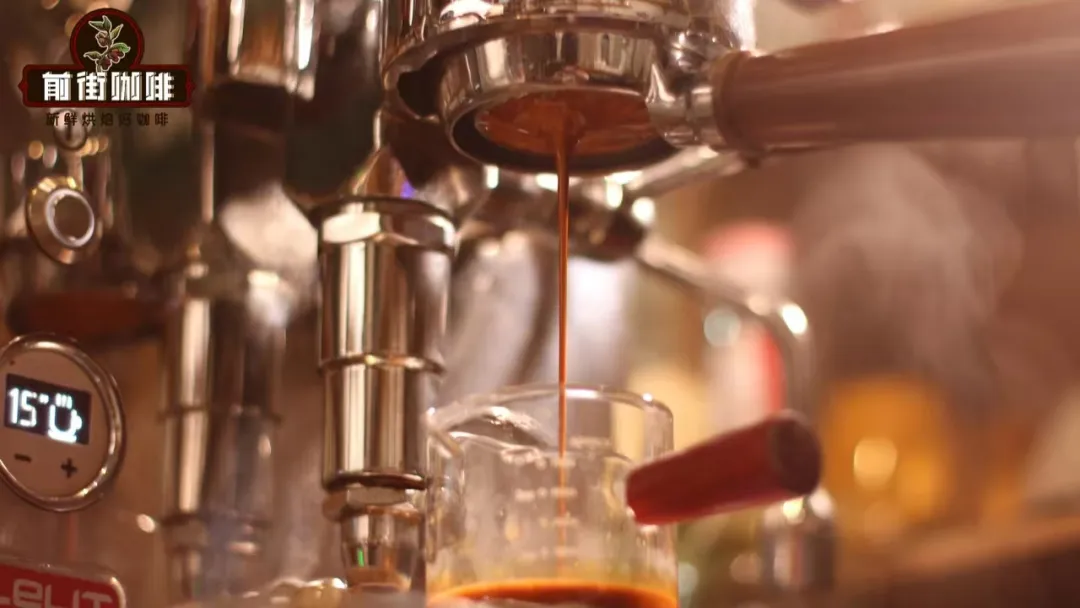
Next, let’s go through a practical session and use a semi-automatic coffee machine to make an iced latte with a cocoa cream flavor. Preparation includes: a double spouted portafilter (capacity about 18–20 grams), a ceramic coffee cup, a milk pitcher, and fresh milk. It is recommended to use 20 grams of coffee grounds, extracting at a 1:2 coffee-to-water ratio, aiming for 40 grams of espresso liquid, with an extraction time controlled between 20–35 seconds.
First, dry the portafilter basket and align it with the grinder’s spout. Start the grinder and place the ground coffee onto the electronic scale, precisely adjusting it to 20 grams. Then, use a distribution tool to evenly spread the coffee grounds, followed by tamping vertically with a tamper to ensure the puck is compact and level—this improves extraction stability and consistency.
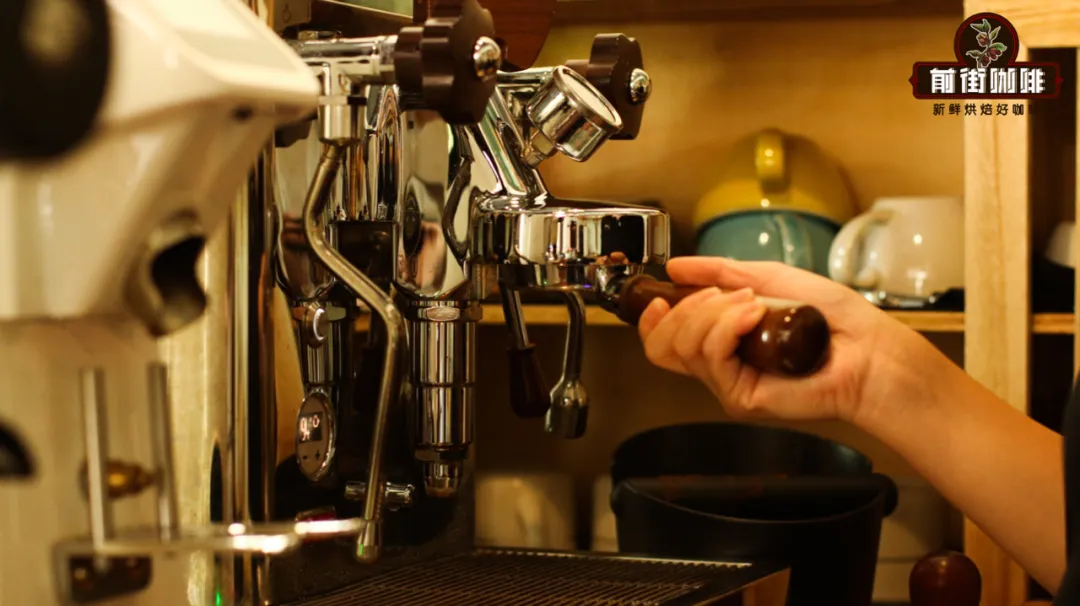
Before officially extracting, open the extraction switch to let water flow for 1–2 seconds. This action is called “pre-infusion,” which wets the group head and removes any residual coffee grounds. Reset the electronic scale to zero and place it under the cup that will catch the coffee liquid, then steadily place the portafilter on the group head and start the extraction. Observe the flow rate and color of the extraction—when the coffee liquid reaches 40 grams and the time is around 30 seconds, turn off the switch to obtain an ideal double shot of espresso.
Finally, add 100 grams of ice cubes and 180 grams of milk into the cup, then slowly pour in the freshly extracted espresso. Gently stir to mix evenly, and your refreshing cocoa cream-flavored iced latte is complete. Remember to enjoy it while it’s cool to savor the perfect balance between coffee and milk.
The above content is compiled by CoffeeHunters, a coffee news website.


