








Introduction:Want to know how to brew Papua New Guinea’s Paradise Bird coffee — often dubbed the “little Blue Mountain” — for the best flavor? This article takes an in-depth look at this Typica bean from the Sigri Estate, covering everything from regional background and processing methods to expert-level pour over recommendations. We’ll discuss optimal water temperature, grind size, brew ratio, and pulse pouring techniques, as well as detailing its flavor profile featuring nutty, cocoa-forward notes with a berry finish. Get the full guide on brewing this high-value specialty bean to perfection.
Among many renowned coffee origins, Papua New Guinea may not be as famous as Blue Mountain or Ethiopia, but it has one classic bean that has left a deep impression on many pour over enthusiasts — the “Paradise Bird.” This Typica variety, introduced from Jamaica’s Blue Mountain, not only shares a similar growing environment but is also often affectionately called the “little Blue Mountain” by enthusiasts due to its appearance and flavor characteristics.
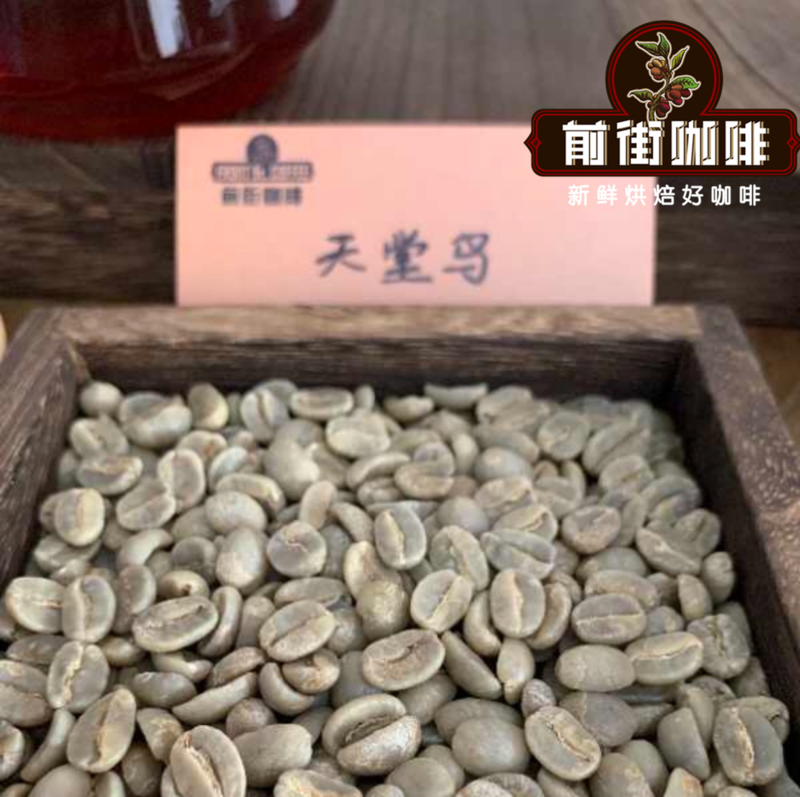
The recent selection of Paradise Bird from the Sigri Estate features beans with plump, round shapes and a vivid emerald green color — typical traits of washed Typica.
Papua New Guinea is located in the southwest Pacific, primarily consisting of the eastern part of New Guinea Island, separated from Indonesia’s western territory by a straight national border. Due to the lengthiness of its official name, it is commonly abbreviated as “Papua” or referred to by the English acronym PNG. The country’s coffee-growing regions are mainly situated around 6 degrees south of the equator — closer to the equator than Blue Mountain’s 18 degrees north — giving rise to a unique microclimate and distinctive flavor expression.
Many consumers refer to Papua coffee as the “little Blue Mountain,” mainly because the Typica variety planted here was originally introduced from Jamaica’s Blue Mountain. Coupled with similar altitudes, precipitation, and cultivation environments, its flavor profile shares a certain degree of similarity with Blue Mountain. However, due to slight geographical differences, Papua coffee often exhibits more pronounced acidic sweetness of dark fruits, which is one of the most recognizable distinctions from Blue Mountain.
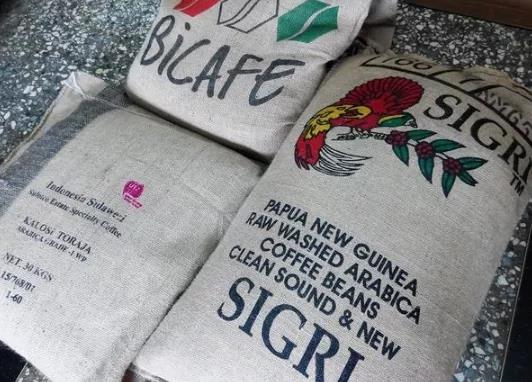
When it comes to commercially available Papua coffee, the most common sources are the Sigri Estate and the Porgera Estate. The coffee sacks from both estates feature the image of the Paradise Bird — Papua’s national bird. Initially, because the Sigri Estate’s batches arrived first, the name “Paradise Bird” came to be used for this bean. Even after the Porgera Estate began releasing beans with the same emblematic packaging, the market gradually distinguished them by estate name. However, thanks to its consistent quality and strong reputation, the Sigri Estate has long been synonymous with “Paradise Bird” in the minds of consumers.
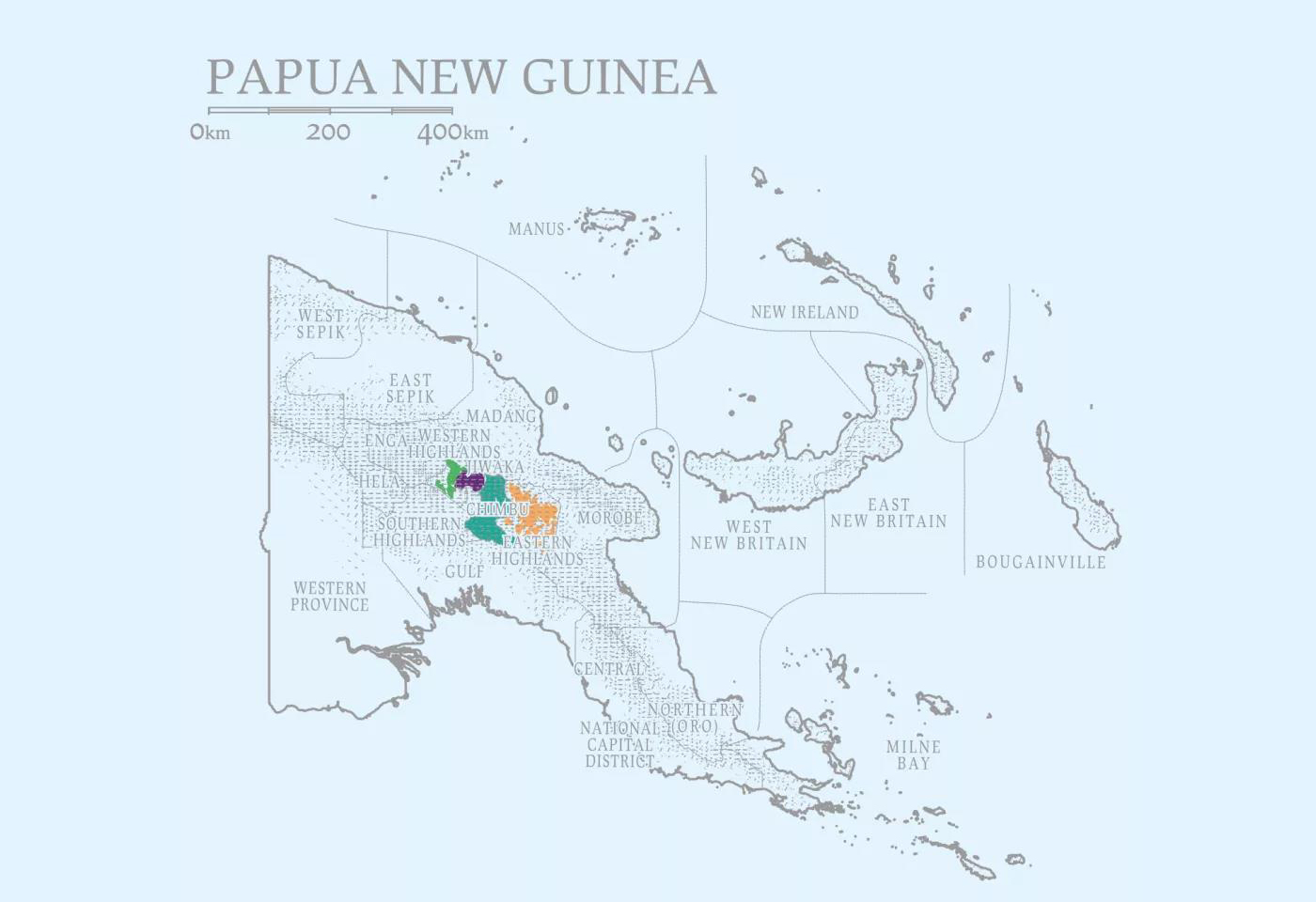
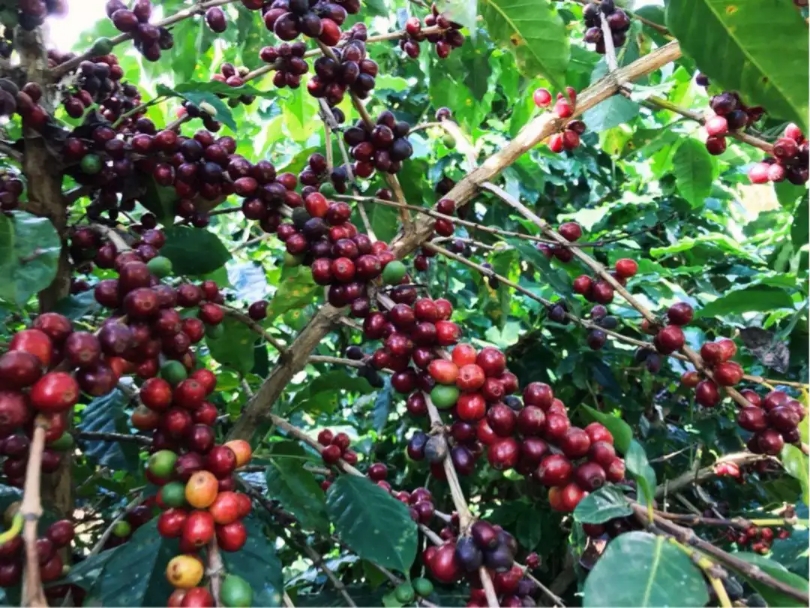
Established in 1950, the Sigri Estate is one of the important pioneers in Papua New Guinea’s coffee industry. It is located in the Waghi Valley of the Western Highlands Province, at an altitude of about 1,500 meters, with some premium sections reaching up to 1,800 meters. The region boasts mineral-rich volcanic soil, a cool climate, and abundant rainfall — providing an ideal environment for the Typica variety. The estate has long adhered to a policy of not using pesticides or insecticides, focusing on ecological conservation, which has attracted various bird species, including the Paradise Bird, earning it the nickname “Paradise Bird Estate.”
During the harvest season from April to September each year, the estate only picks fully ripe red cherries and ensures consistent ripeness through manual sorting. The implementation of daily cupping protocols further guarantees the stable quality of every batch of beans released. This commitment has made the Sigri Estate a highly respected name in the specialty coffee market.
This carefully selected Paradise Bird from the Sigri Estate also boasts top-tier visual characteristics: the green beans are dense and plump, with a jade-like emerald green hue, making them nearly indistinguishable at first glance from washed Blue Mountain beans.
To help readers better distinguish between the two, we’ve placed the Paradise Bird alongside a washed Blue Mountain bean for comparison. Can you tell which is the Paradise Bird and which is the Blue Mountain?
The answer is revealed: the one on top is the Paradise Bird, and the one on the bottom is the washed Blue Mountain. Although their appearances are similar, the two still have distinct flavor profiles due to differences in altitude, microclimate, and subtle processing variations.
This particular batch of Paradise Bird beans underwent a medium roast strategy, aiming to highlight the inherent bright acidity and fruity notes of the Typica variety. Since Typica has a relatively low bean density, special attention must be paid to adjusting heat during roasting, especially during the post-first-crack phase. It is recommended to begin with an inlet temperature of 170°C, a fan setting of 3, and initial heat at 140. The turning point occurs at 1 minute and 36 seconds. When the temperature reaches 140°C, adjust the fan to 4; by 6 minutes and 25 seconds, when the temperature rises to 151°C and the beans turn yellow, the grassy aroma has completely dissipated, indicating the dehydration phase is complete. Then adjust the temperature to 176°C and lower the heat to 110, keeping the fan at 4.
When the temperature hits 180°C, reduce the heat further to 90. At this stage, the bean surface begins to show wrinkles and black speckles, and the aroma shifts from toasted bread to a distinct coffee fragrance — marking a critical moment just before the first crack. Subsequently, increase the heat to 183.5°C; around 10 minutes and 8 seconds, the first crack begins. At this point, fully open the fan and, when the temperature reaches 188°C, lower the heat to 60 while maintaining the fan fully open. The first crack development phase is recommended to last about 3 minutes, with the final drop occurring at 198.5°C. The heating rate should be controlled to within 6°C per minute to ensure balanced flavor.
For brewing, it is recommended to use 15 grams of coffee grounds with a 1:15 brew ratio, employing a medium-coarse grind (approximately 65% through a #20 sieve), with water set at 88°C. Using a KONO filter allows for a smooth and layered extraction.
Use a pulsed pouring technique: begin by slowly pouring 30 grams of water in small circles at the center of the coffee bed for a 30-second bloom. The coffee bed will gradually absorb water and expand, forming a fluffy, burger-like arc. Next, pour 120 grams of water from the center outward, keeping the water stream close to the coffee bed and moving gently to avoid excessive agitation. Finally, add 75 grams of water, bringing the total to 225 grams. Allow all the coffee to drip through, with the overall brew time ideally kept around 2 minutes.
This Paradise Bird coffee presents a rich profile of nuts and cocoa as the leading notes, with a soft berry sweetness lingering in the finish. It offers a balanced and mellow flavor on the palate, with gentle yet vibrant acidity and a sweet aftertaste that lingers. It’s an excellent choice for everyday drinking and pour over practice among specialty-grade beans.
The above content is compiled by CoffeeHunters, a coffee news website.


