







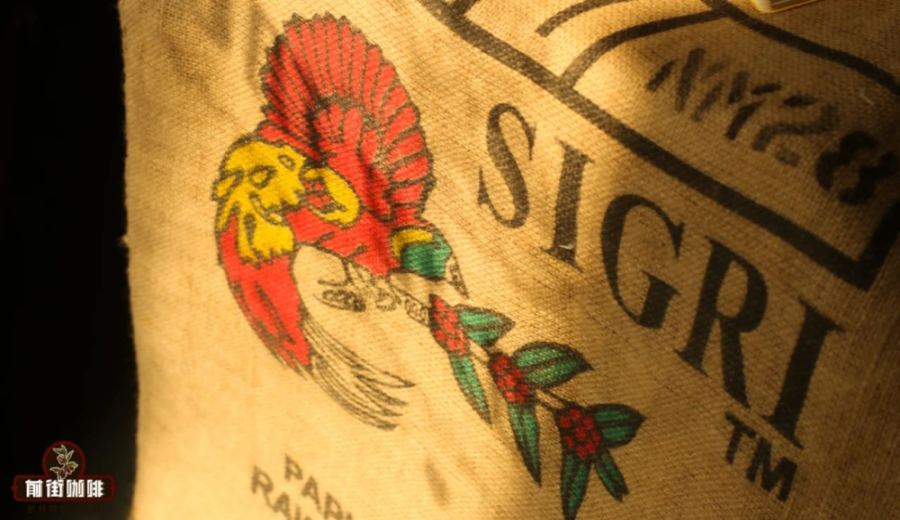
Introduction:Papua New Guinea’s Bird of Paradise coffee is often hailed as the “Little Blue Mountain,” renowned for its vibrant acidity, floral aromas, and rich, layered body — characteristics highly cherished by coffee enthusiasts. This article delves deep into its historical roots, terroir, grading system, and the cultivation and processing techniques of the Bird of Paradise Estate, while also providing expert pour-over brewing tips and flavor profiles to help you fully appreciate this exceptional specialty coffee from the South Pacific.
In the vast expanse of the South Pacific lies Papua New Guinea, the world’s largest island nation, which gives birth to a specialty coffee bean often dubbed the “Little Blue Mountain”: Bird of Paradise. This coffee earned the title because it was introduced from Jamaica in 1931 with the Typica variety, sharing a similar lineage with Blue Mountain. However, grown in the volcanic soils of the Wahgi Valley and meticulously processed through triple-washed fermentation, Bird of Paradise coffee exhibits livelier fruit acidity, a rich bouquet of floral and fruity notes, and a full-bodied yet balanced taste. This article will take you on an in-depth journey from the regional environment and historical background to the grading system, as well as the cultivation and processing details of the Bird of Paradise Estate, offering you a comprehensive understanding of this uniquely flavored “Little Blue Mountain.”
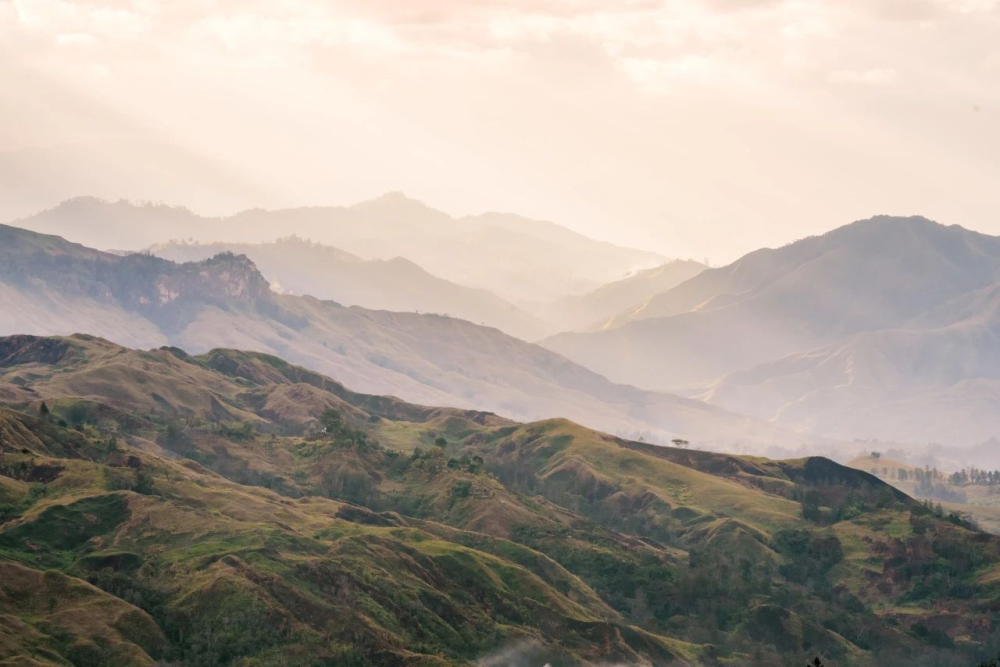
Papua New Guinea, abbreviated as PNG, is the largest island country in the South Pacific, consisting of the eastern half of New Guinea Island and surrounding islands. The terrain is diverse, encompassing high mountains, tropical rainforests, and coastal plains. Its central mountain range generally exceeds 1,000 meters in altitude, creating a mountainous climate ideal for high-altitude coffee cultivation. The region experiences a dry season from May to October and a rainy season from November to April of the following year. Coastal temperatures range between 21.1 and 32.2°C, while high-altitude mountainous areas are much cooler, averaging around 16.1 to 22.2°C. With annual rainfall averaging up to 2,500 millimeters and over 86% of the country covered by pristine tropical forests, the area boasts extremely high biodiversity and a unique agricultural environment.
Interestingly, despite Papua New Guinea’s abundant mineral resources — with gold and copper reserves ranking among the highest globally — compared to mining, the economic returns of the coffee industry are relatively modest, leading some farmers to gravitate toward mining. However, the product quality of a well-known estate in the region has remained relatively stable in recent years. After multiple cuppings, a certain coffee brand still chose to list its AA-grade washed beans and provided professional pour-over recommendations using medium-dark roasting and the Kono dripper, allowing coffee lovers to better savor this premium coffee from the depths of the tropical rainforest.
Looking back at history, Papua New Guinea was discovered by the Portuguese in 1511. Due to the resemblance of the local inhabitants to those of Equatorial Guinea in Africa, it was named New Guinea. Subsequently, the region underwent colonial rule by the Dutch, Germans, and British until it officially declared independence in 1975. In 1931, Typica coffee was introduced to Papua New Guinea from Jamaica, marking the origin of the “Little Blue Mountain” title for Bird of Paradise coffee. At that time, due to historical ties between Britain and Australia, this variety was able to take root locally. Though geographically distant from Jamaica, the intersection in planting history has created a subtle connection between this coffee and Blue Mountain.
Later, the Bourbon variety was introduced from Kenya in 1950, followed by New World and Caturra from Brazil in 1962. These additions significantly enhanced the overall quality of coffee in Papua New Guinea. Nevertheless, due to the country’s prolonged period of colonization and political transition, the development of its coffee industry has not been as stable as in other regions. Even so, coffee grown in high-altitude mountainous areas and processed via washed methods still reveals unique flavor potential — especially the Bird of Paradise Estate in the Wahgi Valley of the Highlands, which has become one of the representatives of specialty coffee.
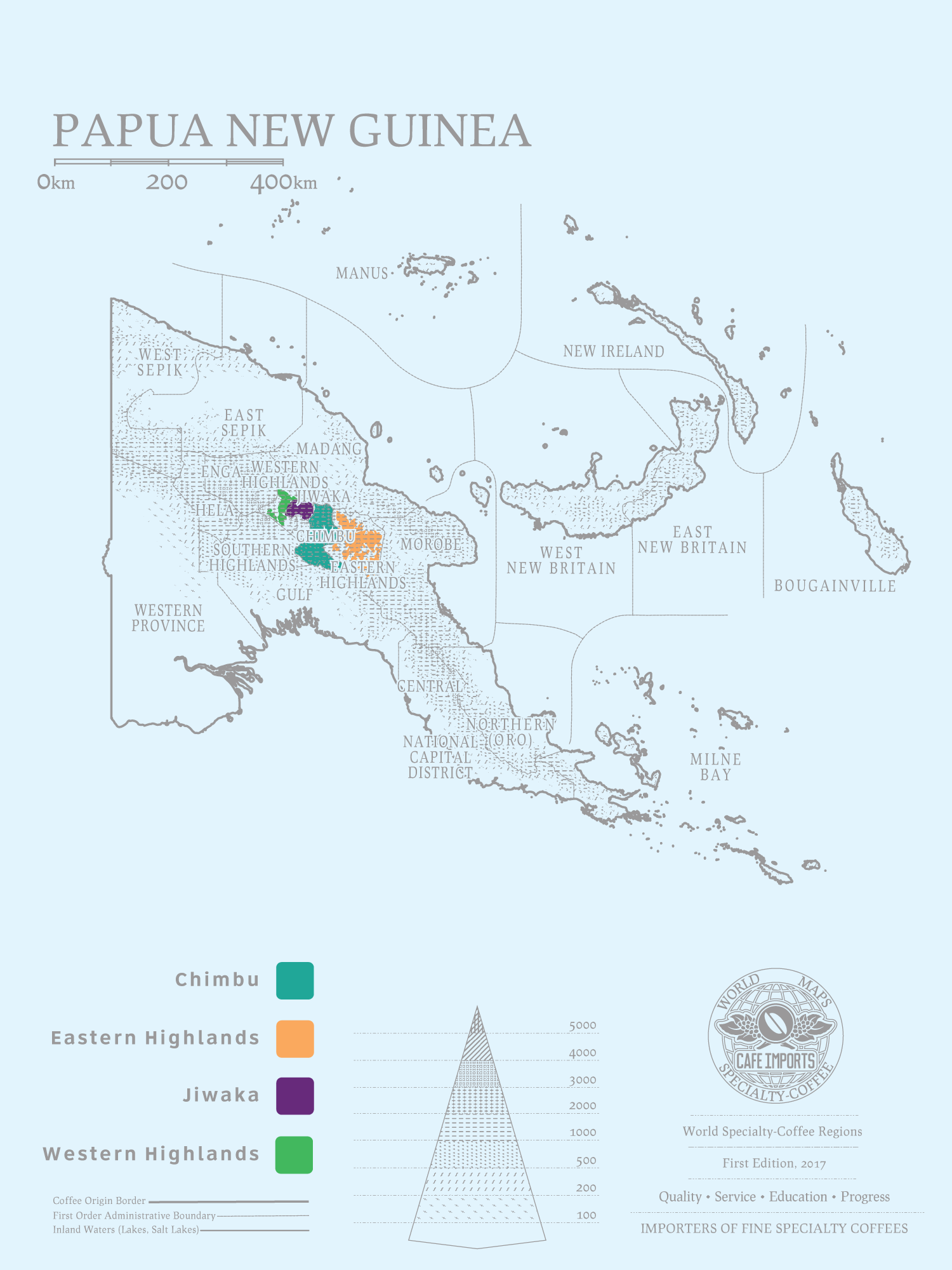
Coffee cultivation in Papua New Guinea is primarily concentrated in the highland regions of Eastern and Western Provinces, with Goroka, Kainantu, and the Wahgi Valley around Mount Hagen being the most renowned. Notable producing units include the Aroma and Prossa Estates in Eastern Province and the Kimel Estate in Western Province. However, outside these two provinces, Robusta varieties dominate, and the overall quality is generally difficult to compare with that of Arabica.
Notably, over 85% of Papua New Guinea’s coffee is produced by smallholder farmers, who typically join local cooperatives to share processing equipment and technical resources. Due to the generally high elevation of plantations and the predominant use of washed processing methods, the resulting coffee flavors differ greatly from the heavy, earthy profiles of Sumatran coffee in Indonesia. Instead, they exhibit brighter acidity, distinct floral and fruity notes, and a smoother body — more akin to the flavor profiles of premium South American coffees.
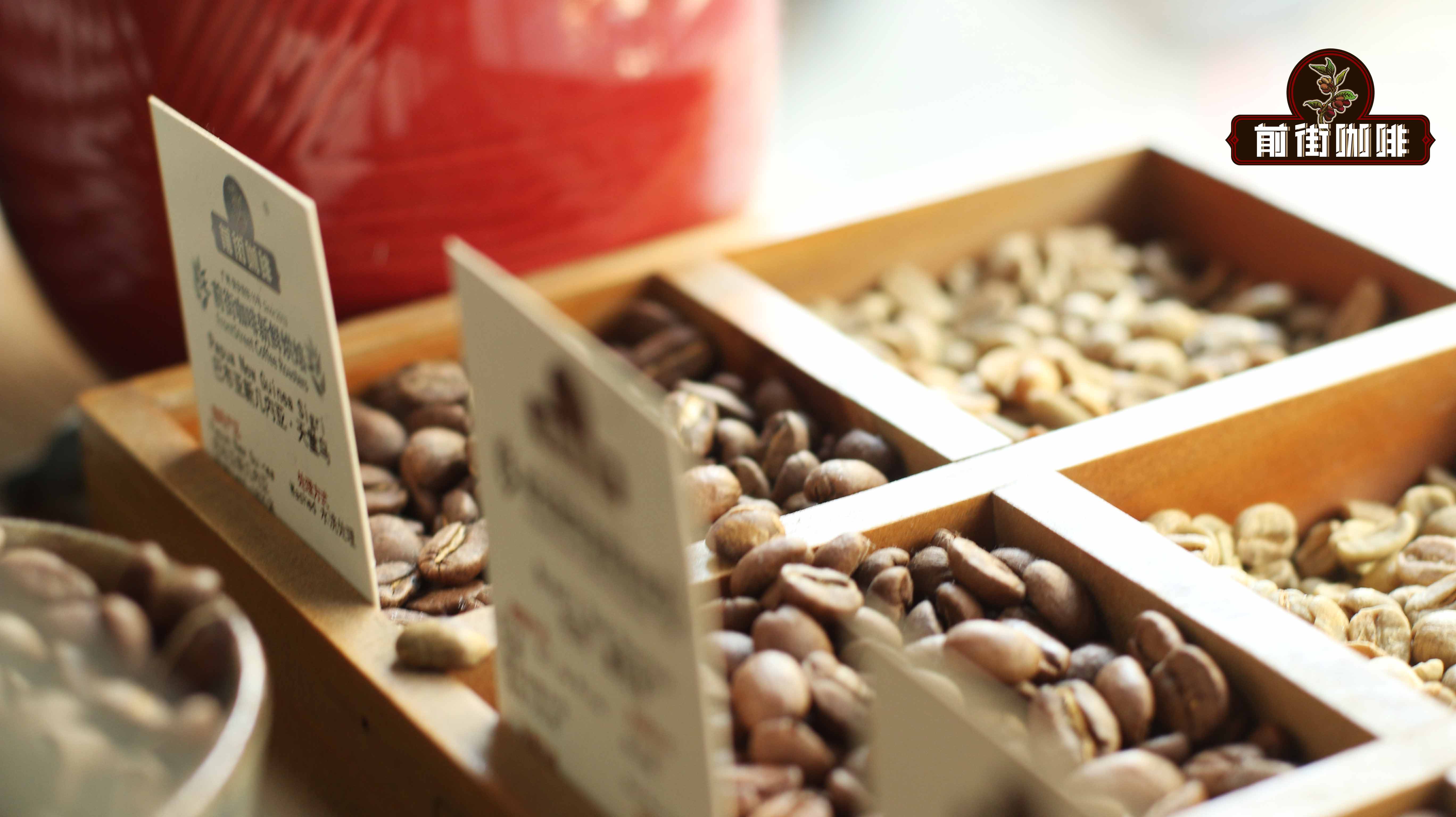
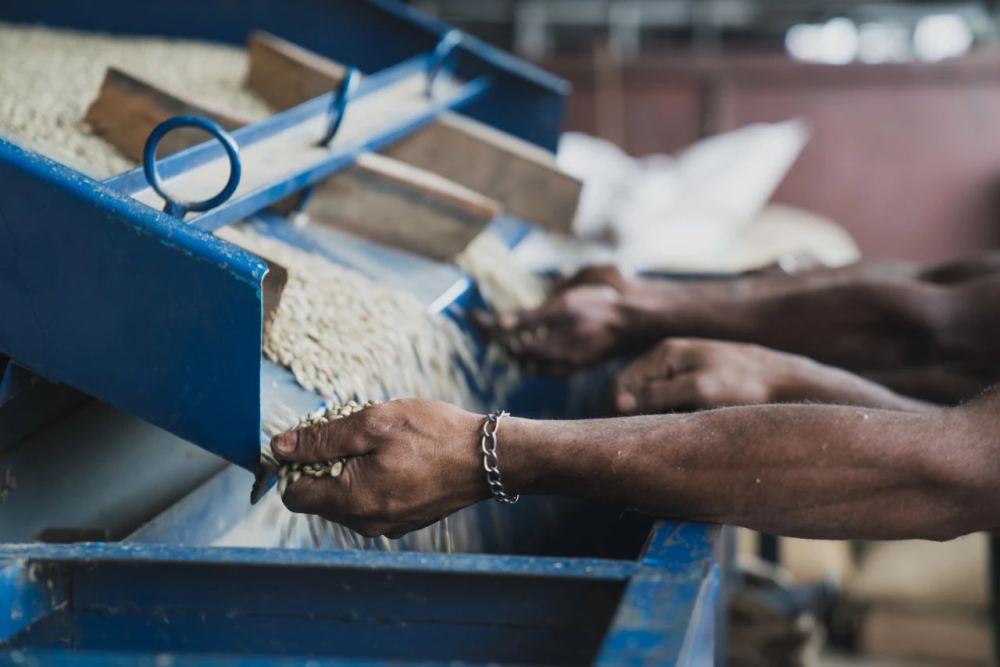
In terms of processing, coffee farmers in Papua New Guinea harvest only fully ripe red cherries and send them to estate-owned washed processing facilities. A key highlight of the local process is the triple-washed fermentation technique: each fermentation cycle lasts approximately 24 hours, during which clean water is changed to effectively control the fermentation process and shape the flavor. Once processed, the beans are stripped of their mucilage and outer husks, then graded by size and defect rate into categories such as AA, A, AB, and Peaberry (PB). This rigorous process results in Bird of Paradise coffee’s bright fruit acidity, delicate sweetness, and clean finish.
The grading system in Papua New Guinea is mainly based on bean size, defect count, and cupping quality. Naming conventions typically follow the format of “Country + Farming Type + Grade,” where the farming type can be classified as plantation, large estate, or small-to-medium farm. Premium-grade AA and A coffees mainly come from well-managed large estates. For AA-grade beans, the size must exceed 18 mesh, with no more than 10 defects per kilogram, and cupping performance must meet the “Fine Cup” standard; A-grade beans require a size above 17 mesh, with a cupping rating of at least “Good to Fine,” indicating a good to high-quality level.
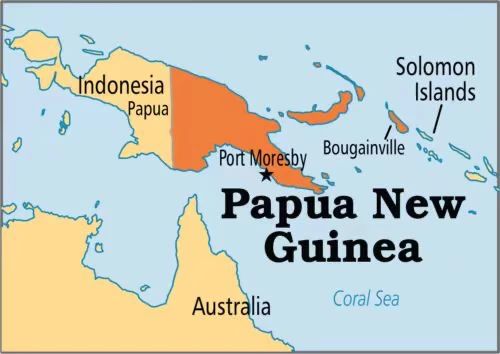
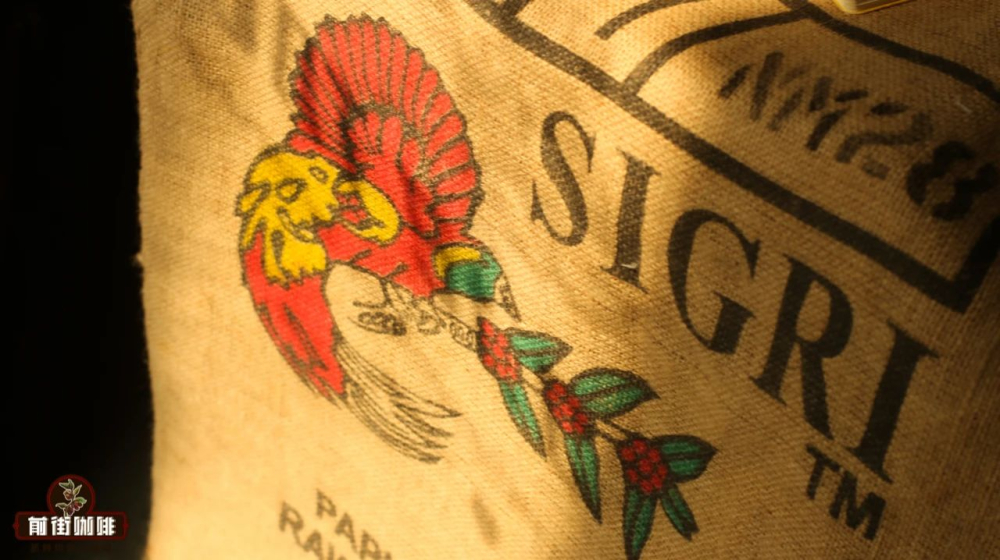
When talking about Bird of Paradise coffee, one cannot overlook its namesake estate — the Sigri Estate. Established in 1950 and located in the Waghi Valley of the Western Highlands Province at an altitude of approximately 1,500 to 1,800 meters, the estate enjoys fertile volcanic soil and a cool climate, making it an ideal environment for the Typica variety. The surrounding area is rich in biodiversity, with records indicating the presence of up to 90 bird species, including the national bird of Papua New Guinea — the Bird of Paradise — hence the name. This place is not only a paradise for coffee, but also a haven for bird enthusiasts.
This renowned estate adheres to high standards in both cultivation and processing, harvesting only fully ripe red cherries and conducting daily cuppings to ensure consistent quality. In terms of processing, it employs a triple-washed fermentation method, with strict control over water quality and fermentation duration to bring out the purest flavor characteristics of the coffee. This meticulous production chain is also one of the main reasons why a certain coffee brand selected it as the representative of the “Little Blue Mountain.”
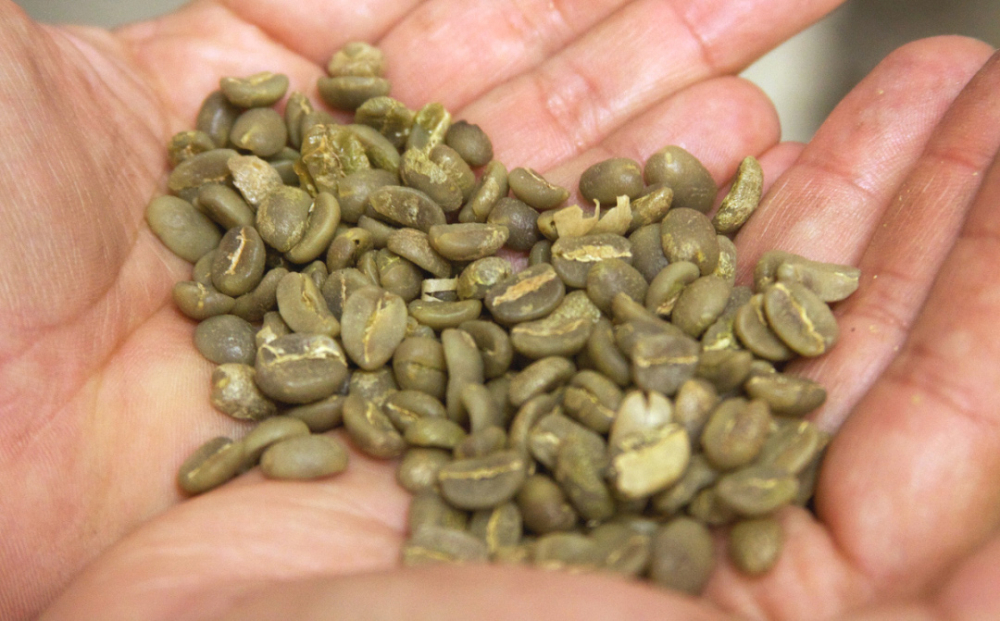
Recommended by a certain coffee brand: Papua New Guinea · Bird of Paradise Coffee Beans
Estate:Bird of Paradise Estate
Variety:Typica
Grade:AA
Altitude:1600-1800 meters
Processing Method:Washed
Roasting Recommendation:Medium-dark roasting can highlight its refreshing acidity and rich fruity notes, while preserving a full-bodied finish.
Pour-Over Recommendation:It is recommended to use the Kono dripper, whose unique rib design and low airflow structure can effectively extend the contact time between water and coffee grounds, improving extraction efficiency. Suggested water temperature is 88°C, with 15 grams of coffee, a 1:15 coffee-to-water ratio, and a grind size based on 80% passing through a Chinese standard No. 20 sieve. Use a staged extraction method: start with a 30-second bloom using 30 grams of water, then pour in small streams up to 125 grams for the first stage. After the water level drops, continue pouring up to 225 grams to finish. Total extraction time is approximately 2 minutes.
Flavor Profile:The cup opens with sweet notes of toasted bread and nuts, layered fruit acidity adds a refreshing touch, and the finish delivers a unique spicy sweetness. The overall taste is rich and balanced, making it a nuanced and complex specialty coffee.
The above content is compiled by CoffeeHunters, a coffee news website.


