







Introduction:As China’s primary coffee-growing region, Yunnan’s small-bean variety has garnered attention for its unique flavors and steadily improving quality. This article delves into the geographical conditions and cultivated varieties of representative regions such as Baoshan and Lincang, analyzing the flavor differences between Typica and Catimor. It also provides practical pour over parameters to help coffee enthusiasts better understand the potential of Yunnan beans and brewing essentials.
As the core area of coffee production in China, Yunnan accounts for approximately 90% of the country’s total coffee output. Its cultivation environment and variety characteristics have long been focal points for both industry insiders and consumers. From high-altitude climates to soil conditions, Yunnan offers an ideal environment for growing Arabica, especially in areas with elevations between 1500 and 2200 meters, which contribute to the unique flavor profile of its small-bean coffee.
This article will comprehensively analyze the overall development status of Yunnan’s small-bean coffee from multiple perspectives, including regional distribution, climate features, and historical background. It focuses on representative high-quality regions such as Baoshan and Lincang, exploring their flavor characteristics and variety compositions. Additionally, through the comparison of actual coffee offerings, it illustrates how different varieties and processing methods influence final flavor profiles and pour over experiences.
Among China’s many coffee-producing regions, Yunnan is undoubtedly the most prominent. Not only does it boast the largest coffee planting area and total production in the country—accounting for over 95% of the domestic market—but it also shows a gradual trend toward becoming more specialty-oriented. The region’s exceptional natural conditions, including mild climate, significant diurnal temperature variation, and altitudes mostly ranging from 1500 to 2200 meters, with some areas even reaching 3000 to 4000 meters, provide stable and suitable growing conditions for coffee trees.
As consumer demand for higher coffee quality grows, Yunnan’s producing regions have also begun emphasizing refined cultivation and post-harvest processing, striving to enhance the flavor complexity and consistency of the beans. This has allowed Yunnan coffee to evolve beyond being synonymous with commercial-grade beans and to emerge as a source of specialty coffee that showcases regional characteristics.
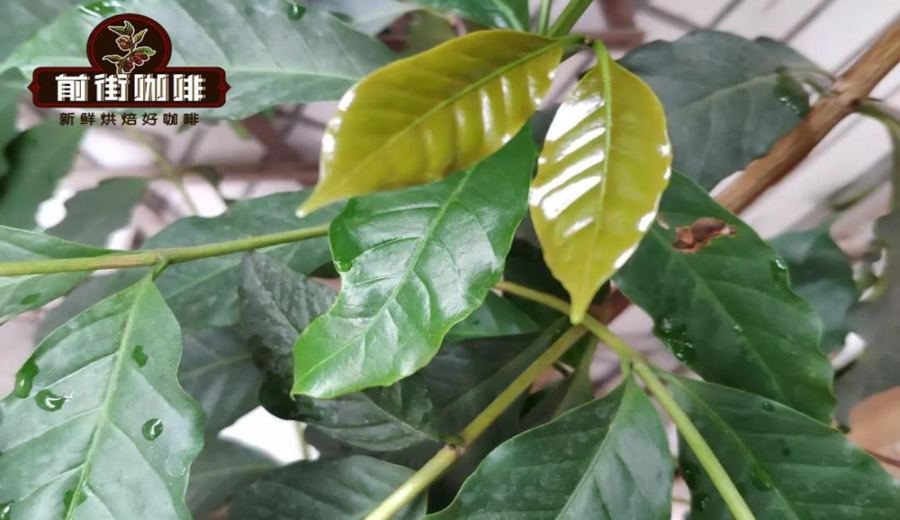
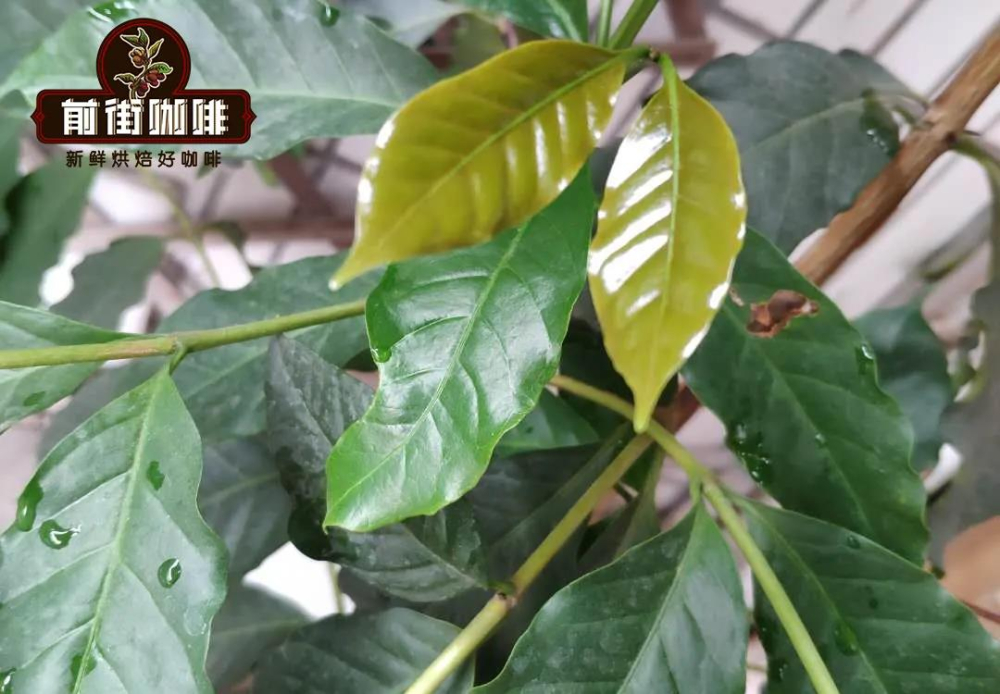
Yunnan’s coffee planting history dates back to 1988, when Nestlé began investing in the region, spurring large-scale industry development. It’s worth noting that Nestlé did not choose traditional varieties like Typica or Bourbon but instead introduced the disease-resistant and high-yield Catimor variety. This hybrid of Arabica and Robusta combines yield advantages with disease resistance, gradually becoming the dominant cultivar in Yunnan.
Since the 1990s, Nestlé has introduced various rust-resistant and high-yield Catimor strains from Portugal, Costa Rica, and Thailand. To date, this has led to the formation of five major Catimor-producing regions in Yunnan: Baoshan, Dehong, Lincang, Pu’er, and Xishuangbanna. As a result, Yunnan coffee beans generally exhibit nutty tones, brown sugar sweetness, and full-bodied textures, delivering an overall balanced performance suitable for various brewing methods.
Among the many producing regions, Baoshan is regarded as the top representative of Yunnan coffee, particularly known for its Typica variety. This variety offers elegant and layered flavors with a refreshing yet delicate taste. In contrast, although Catimor’s complex flavor profile is somewhat less nuanced due to its hybrid background, its stable yield and disease resistance make it the backbone of Yunnan’s coffee industry, widely cultivated across most regions.
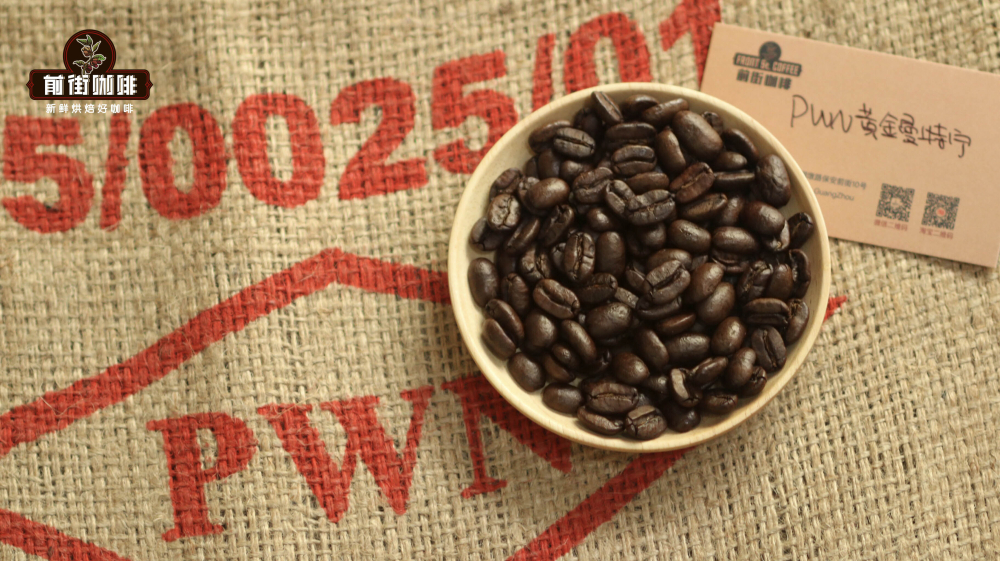
To more intuitively understand the varietal differences of Yunnan coffee, we selected two representative offerings for a pour over flavor comparison. Both use natural (sun-dried) processing, but their varieties and regional backgrounds differ, influencing their final flavor expressions.
Yunnan Typica
Region: China Yunnan Lincang · Yunnan Coffee Estate
Elevation: 1300 meters
Processing Method: Natural (Sun-Dried)
Variety: Typica
Flavor Profile: Dried Apricot, Plum, Brown Sugar, Chocolate
Recommended Pour Over Parameters:
Filter: V60#01
Water Temperature: 88–89°C
Coffee Grounds: 15g
Coffee-to-Water Ratio: 1:15
Grind Size: Medium-fine (80% through a Chinese standard #20 sieve)
Brewing Method: Three-stage extraction. Start with a 30g bloom for 30 seconds, then pour in a small circular motion up to 125g for the first pour. When the water level drops near the bed, pour up to 225g before stopping. Once the water level nears the bed again, remove the filter. Total brew time is about 2 minutes.
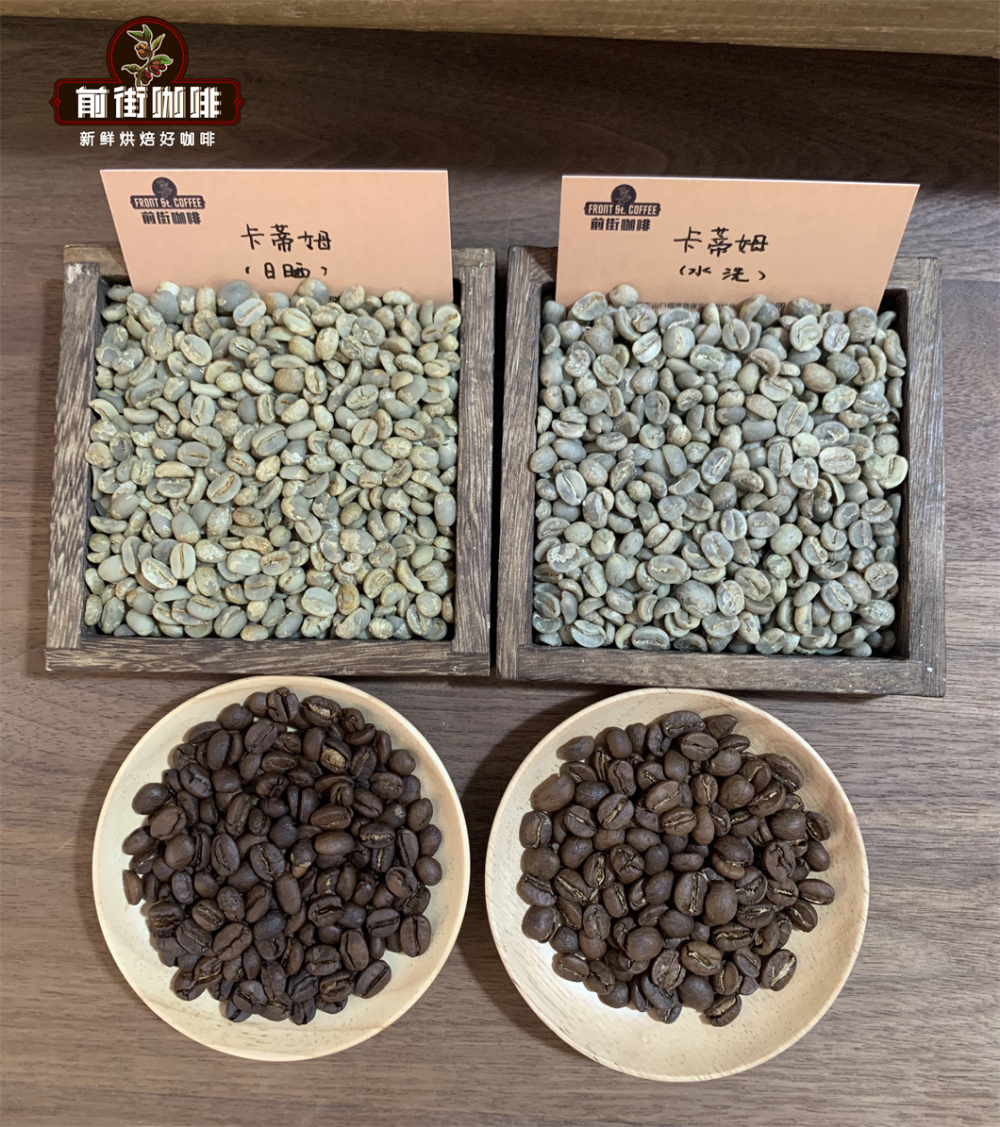
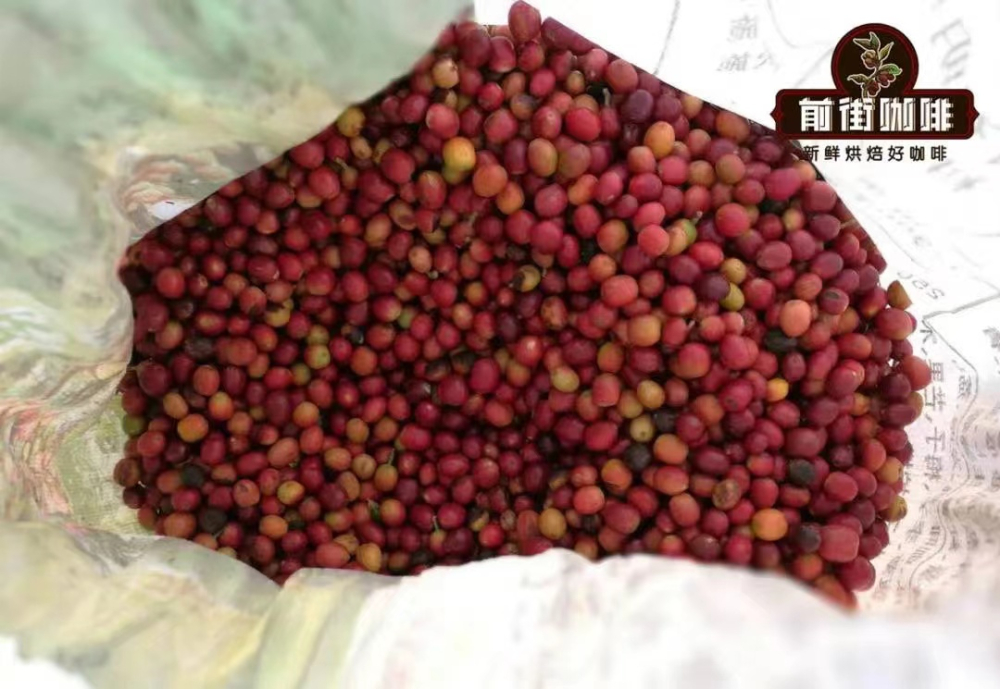
Yunnan Small-Bean Red Cherry
Region: China Yunnan · Baoshan Luxi Dam Producing Region
Elevation: 1450–1550 meters
Processing Method: Red Cherry Natural (Sun-Dried)
Variety: Catimor
Flavor Profile: Nuts, Chocolate, Spices, Caramel, Red Berries
Recommended Pour Over Parameters:
Filter: V60#01
Water Temperature: 88–89°C
Coffee Grounds: 15g
Coffee-to-Water Ratio: 1:15
Grind Size: Medium-fine (80% through a Chinese standard #20 sieve)
Brewing Method: Multi-pour extraction. Begin with a 30g bloom for about 30 seconds, then pour 95g of water in a small circular motion centered around the coffee bed (approximately at 125g for a partial pour). Once the water level drops, continue pouring up to 225g. Remove the filter when the water level nears the coffee bed. Total brew time is about 2 minutes.

Overall, the quality and flavor of Yunnan coffee depend not only on variety selection but are also closely related to the region’s elevation, climate, and processing techniques. By understanding the characteristics of different regions and offerings, coffee enthusiasts can adjust brewing parameters based on personal taste preferences to further explore the diverse charm of Yunnan’s small-bean coffee.
The above content is compiled by CoffeeHunters, a coffee news website.


