







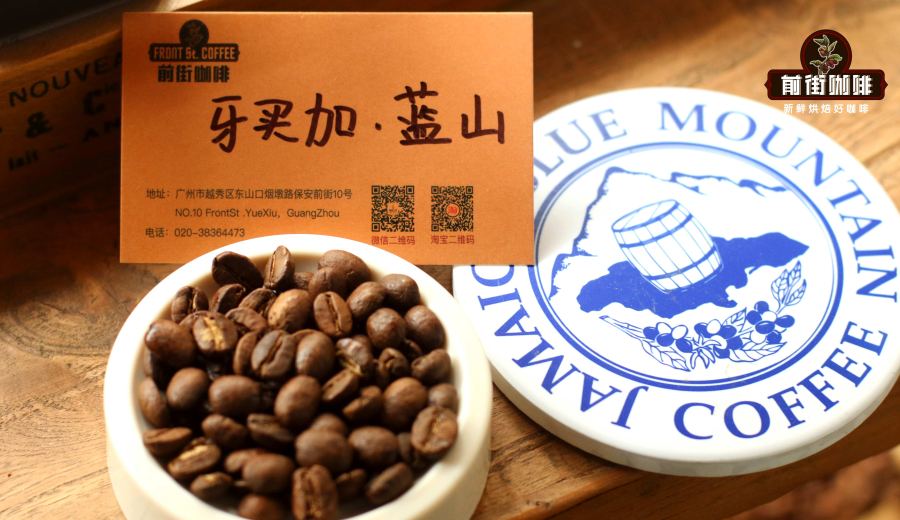
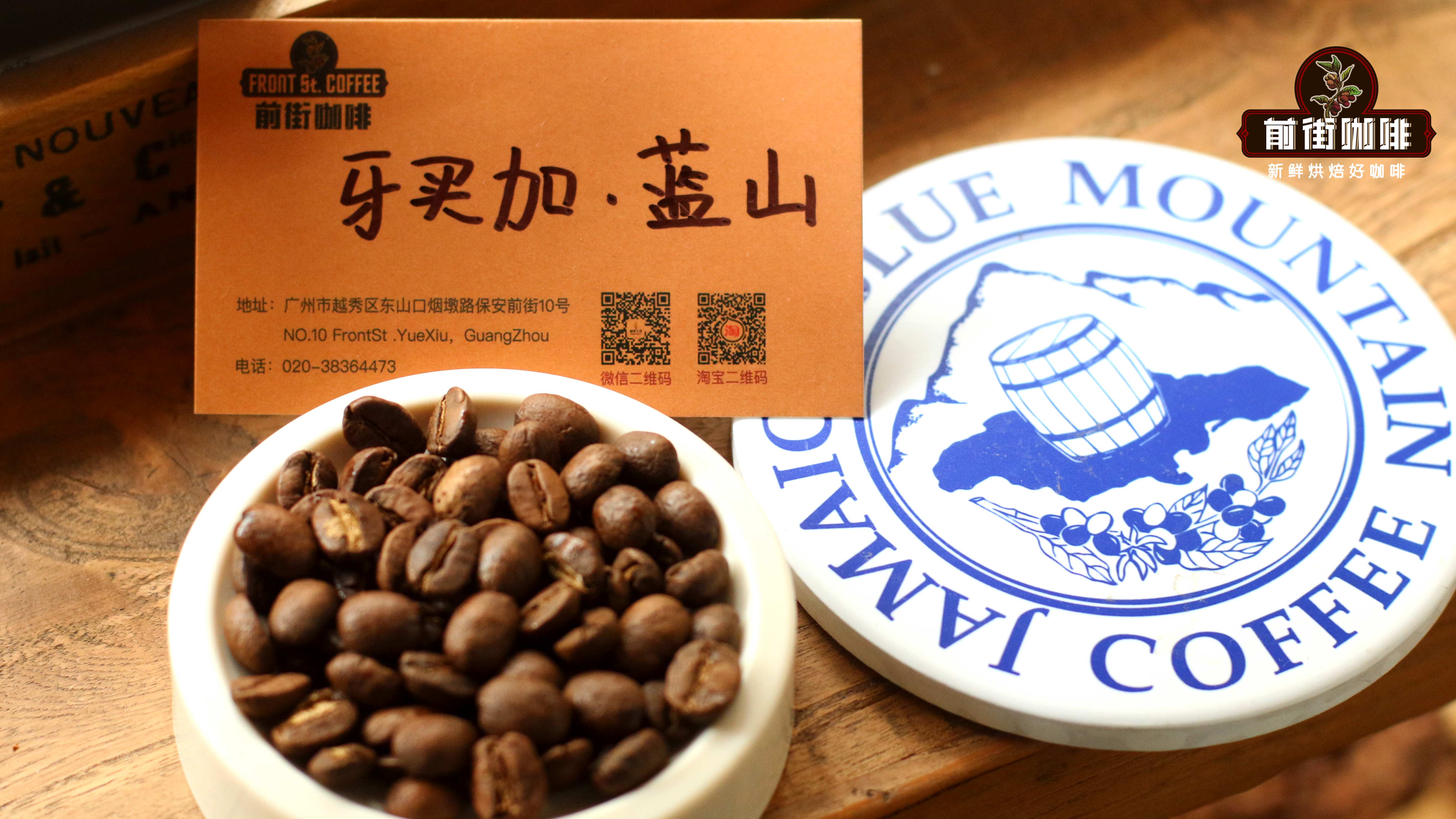
Introduction:Jamaican Blue Mountain No. 1 coffee is hailed as the "King of Coffees," renowned for its exceptional flavor profile characterized by distinct layers, richness, and a sweet finish. However, many coffee enthusiasts often find themselves puzzled about how to properly brew it using pour over or drip bags after purchasing this premium bean, in order to fully bring out its unique chocolate, nutty, and caramel aromas. This article will guide you through key details for brewing Blue Mountain No. 1 — from equipment selection, grind size, water temperature, and coffee-to-water ratio to three-stage and four-stage pouring techniques — helping you master the art of brewing this coffee, whether at home or in the office, to achieve a professional-grade cup with ease.
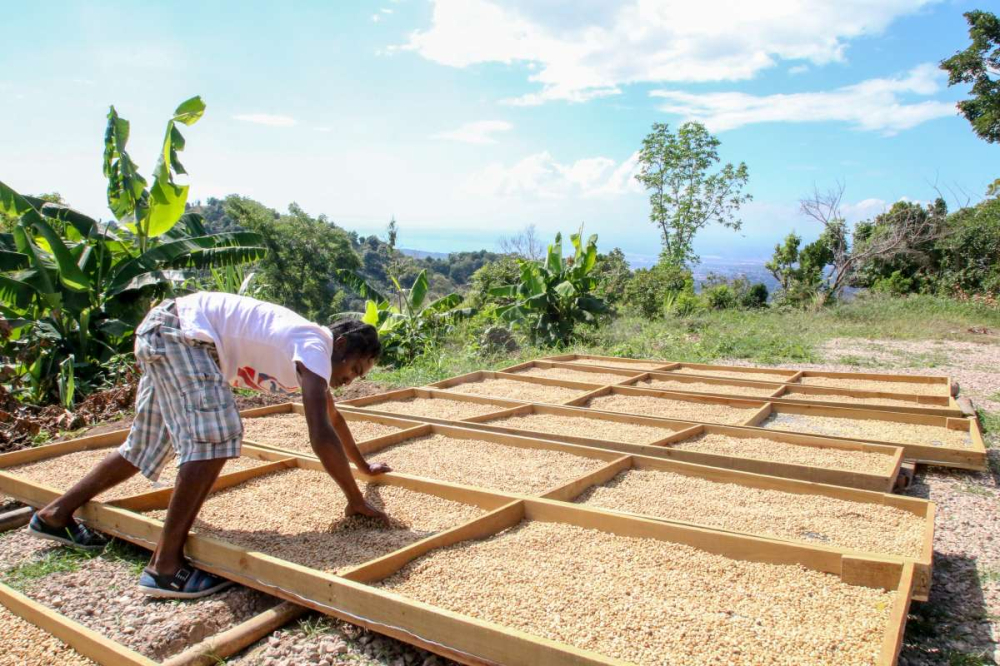
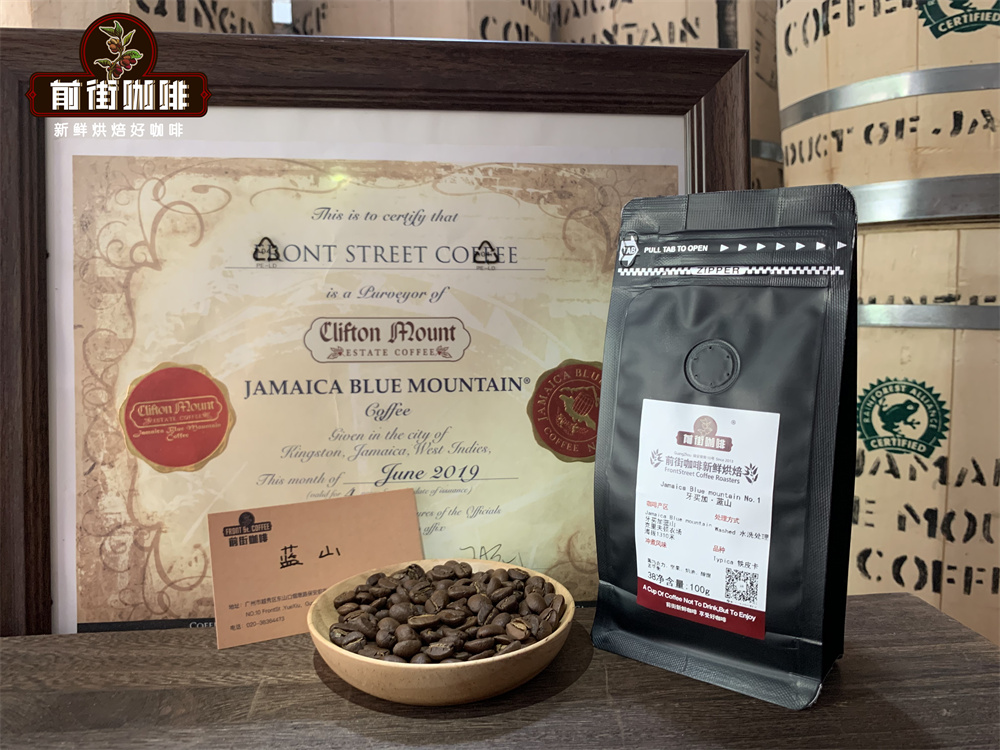
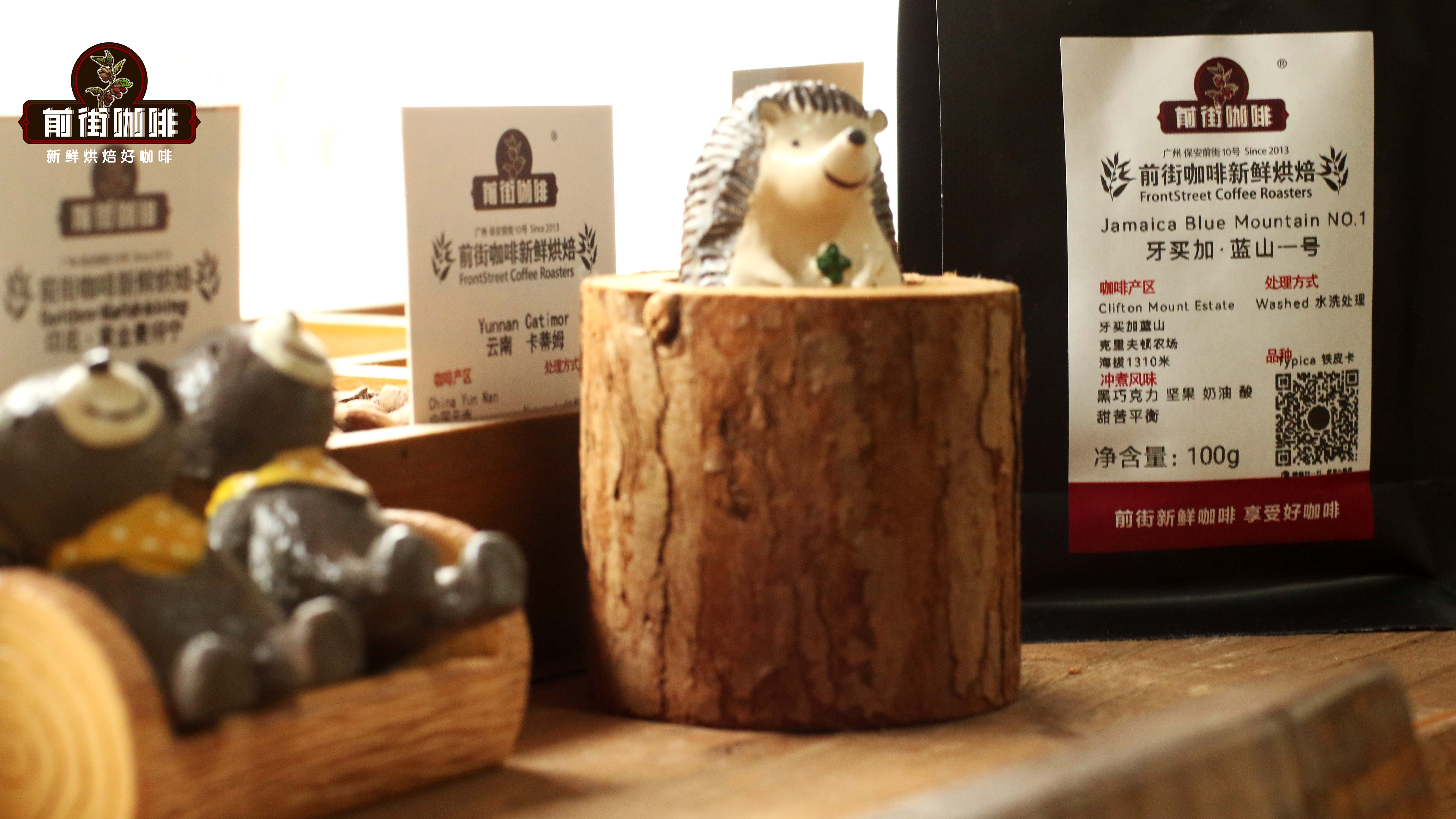
Jamaican Blue Mountain No. 1 coffee comes from the core growing region of Jamaica's Blue Mountains and is globally recognized as one of the finest coffees. Produced by the Clifton Estate, these first-grade beans not only have a planting history of over two hundred years but are also the only farm in the region to have received Rainforest Alliance Organic Certification. With its balanced acidity, sweetness, and bitterness, rich mouthfeel, and captivating caramel and nutty notes, Blue Mountain No. 1 has earned the title of the "King of Coffees."
However, even with such high-quality beans, failing to master the correct brewing method can make it difficult to fully showcase their potential. This article will delve into how to brew Blue Mountain No. 1 to achieve the best flavor profile via pour over and drip bag methods — from choosing the right filter, adjusting grind size, controlling water temperature and coffee-to-water ratio, to practical tips on three-stage and four-stage pouring techniques — giving you a complete understanding of the essentials for brewing great Blue Mountain No. 1.
First, for pour over brewing of Blue Mountain No. 1, it is recommended to use a Kono filter. This type of filter helps slow down the water flow rate, allowing the coffee grounds to fully bloom, thereby enhancing the overall body and layering of the cup, making it especially suitable for this dark roasted coffee bean.
In terms of coffee dosage, for a single serving, it is recommended to use 15 grams of coffee grounds, and it is best to use them within the 4th to 7th day after roasting, when the beans are at their optimal flavor window, capable of fully showcasing the delicate aromas and complex flavor structure of Blue Mountain No. 1.
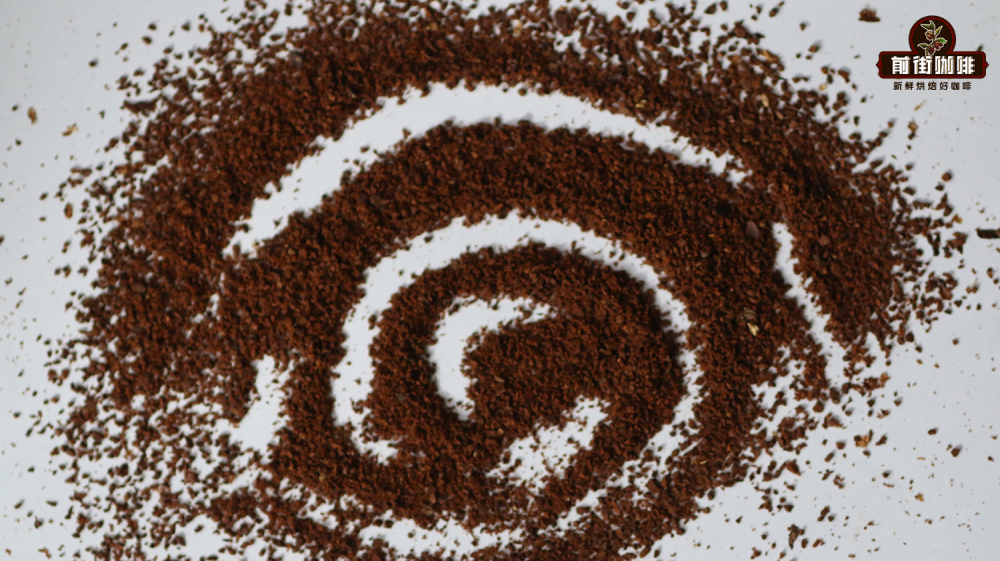
As for grind size, since Blue Mountain No. 1 is a dark roast, its bean structure is relatively loose, so it is not suitable to be ground too finely. It is advised to aim for a grind size where the 20-mesh sieve passes about 75% of the grinds, slightly coarser than typical light roast beans. Grinding too finely can lead to over-extraction and produce burnt, bitter notes; grinding too coarsely may result in under-extraction, making the coffee taste weak and flat.
Regarding water temperature, it is suggested to use water at 87 to 88°C for extraction. Water that is too hot can release excessive bitter and astringent compounds, while water that is too cool can lead to incomplete extraction and a dull flavor. Maintaining this temperature range is key to avoiding both over-extraction and under-extraction.
The recommended coffee-to-water ratio is 1:15, which equates to 15 grams of coffee grounds to 225 milliliters of water. Some enthusiasts prefer a stronger 1:13 ratio, which can yield a fuller body, but may also accentuate off-flavors in the tail end, affecting overall balance. A 1:15 ratio, on the other hand, preserves the full flavor profile of Blue Mountain No. 1 while highlighting its sweetness and layered aromatic complexity.
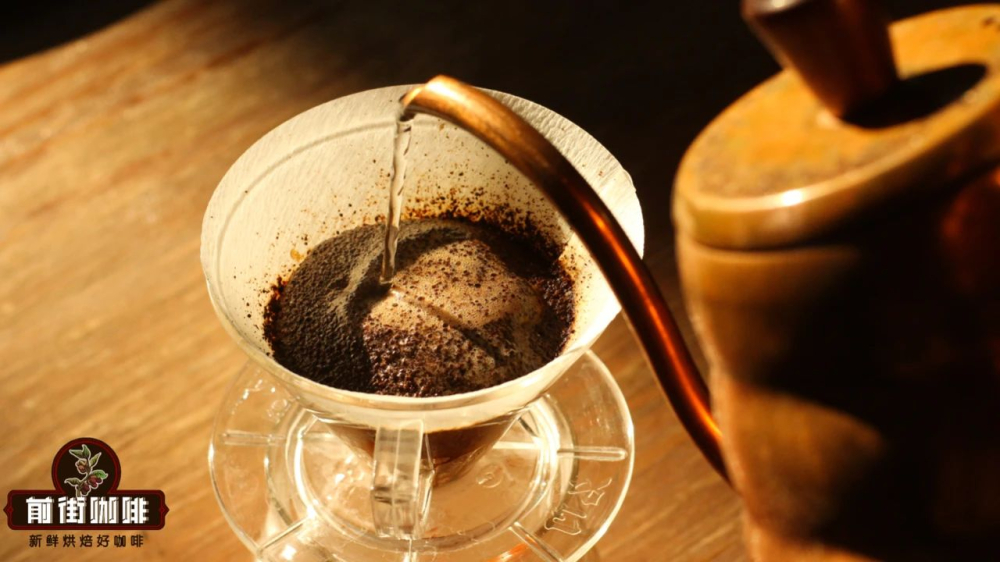
For brewing technique, the classic three-stage pouring method is recommended: the first stage involves pouring 30 milliliters of hot water to bloom the coffee grounds, allowing them to expand and degas; the second stage adds 100 milliliters, primarily to bring out the golden crema and initial flavor notes; the final stage uses 95 milliliters of water poured gently in the center to enhance sweetness and body, rounding out the cup and bringing out the chocolate and nutty finish.
If you’re usually busy but still want to enjoy the classic flavors of Blue Mountain No. 1, consider trying the drip bag version offered by a certain brand. These drip bags contain freshly roasted Blue Mountain No. 1 beans that are ground and sealed, preserving most of their original aroma. However, since drip bags use pre-ground coffee, the aroma can dissipate over time, so it is recommended to consume them within one month of opening for the best flavor experience.
The equipment needed for brewing drip bag coffee is very simple: just one pack of Blue Mountain No. 1 drip bag, a tall cup, and a thermos filled with hot water. The reason for using a tall cup is to avoid having the coffee grounds steep in water for too long, which could lead to over-extraction and unwanted bitterness.
Here’s the step-by-step process: First, tear open the drip bag and hang it over the rim of the cup. Then, pour an appropriate amount of hot water from the thermos,pouring about half the volume of the filter bag, and let it sit for about 15 seconds to allow the coffee grounds to fully bloom. Next,pour hot water until the filter bag is about 90% full, roughly up to the small card at the top of the bag, and wait for the coffee to drip. Then,pour again until the bag is 90% full, letting all the coffee liquid drip into the cup. Finally,pour once more until it reaches 90% full, and remove the drip bag once dripping is complete. The total water volume is around 150 milliliters, which is enough to fully express the layers and aromas of Blue Mountain No. 1.
The above content is compiled by CoffeeHunters, a coffee news website.


