







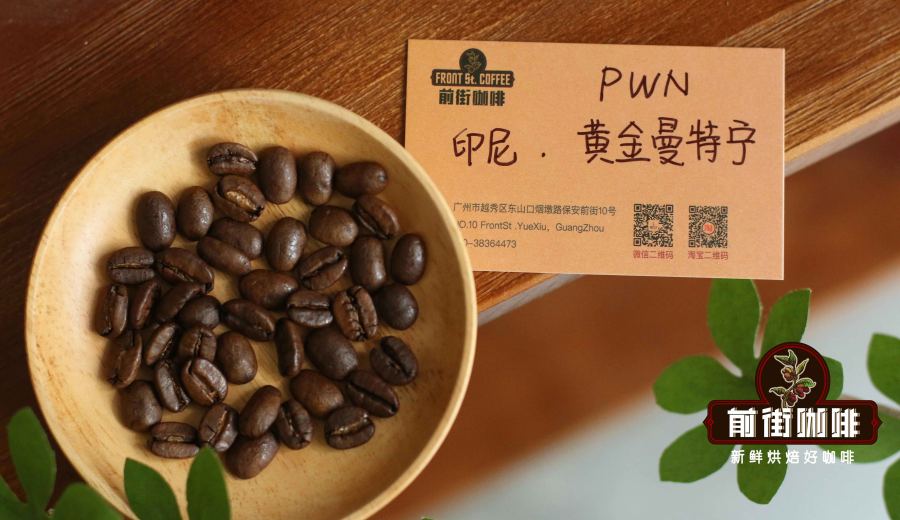
Introduction:Produced by PWN, Indonesian Golden Mandheling is celebrated for its rich yet clean flavor profile and consistent quality, making it a classic choice among many coffee enthusiasts for medium to dark roasts. However, many find that they can't replicate the same layered complexity when brewing it at home. This article will guide you through key pour over parameters and techniques — from grind size, water temperature, filter choice, coffee-to-water ratio, to the three-step pouring method — helping you master the essentials for this classic Mandheling. We’ll also break down its unique flavor wheel, enabling you to easily brew a cup of Golden Mandheling with distinct layers and long-lasting aroma.
Indonesia is one of the world’s renowned regions for high-quality coffee, with Sumatra’s Mandheling being a classic representative. Among the various Mandhelings, the Golden Mandheling launched by PWN stands out at the top of the market thanks to its rigorous selection process and consistently high quality. However, many consumers report that even though they’re buying the same beans, they often can’t achieve the same richness and layering they experience in cafes. This often comes down to several critical pour over parameters.
This article will take an in-depth look at how to correctly extract the full potential of PWN Golden Mandheling using the pour over method. We’ll explore seven key pour over factors: bean freshness, grind size, water temperature, water quality, filter type, coffee-to-water ratio, and brew time. Step-by-step, we’ll also guide you through the practical application of the three-step pouring technique, so you can reliably reproduce cafe-quality flavor profiles at home.
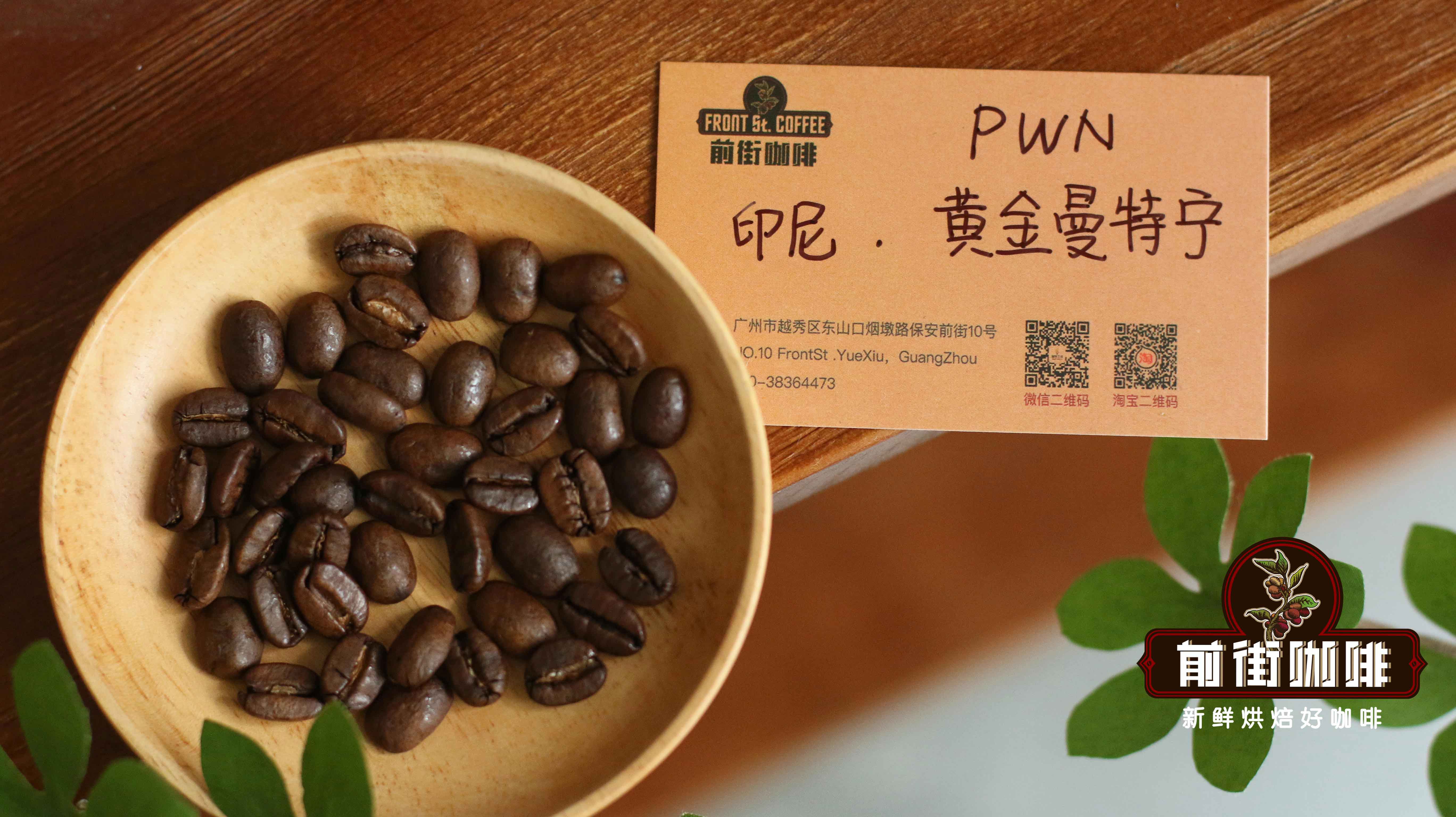
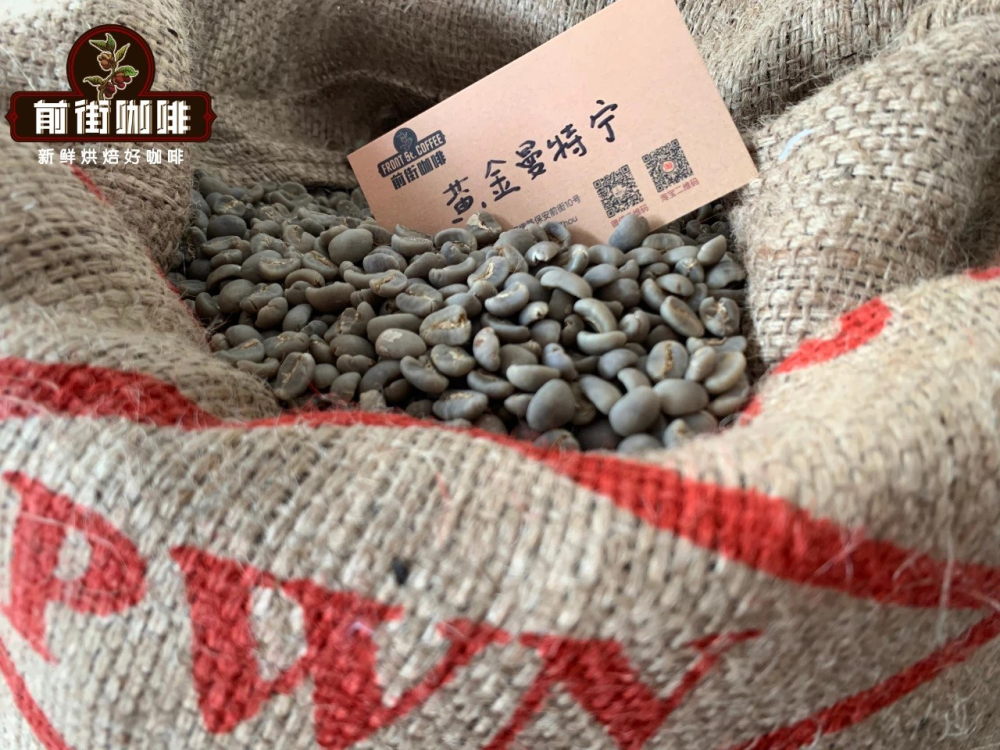
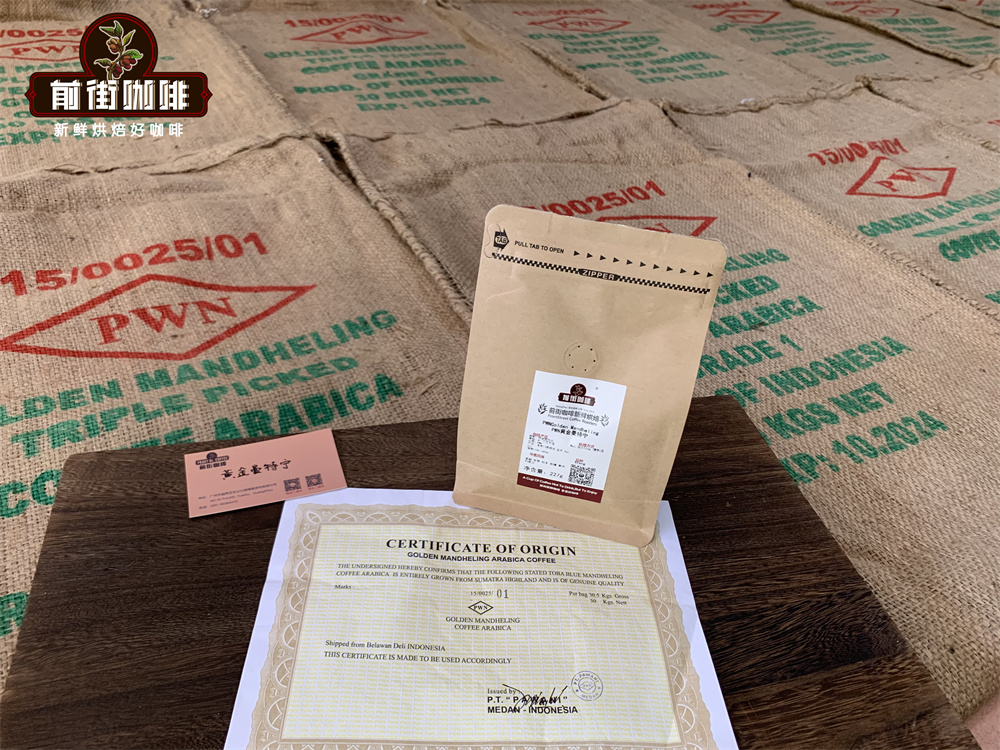
PWN Golden Mandheling comes from Gayo Mountain in Aceh, Sumatra, Indonesia, grown at altitudes between 1100 and 1600 meters. The beans are of the locally common Ateng variety and processed using the traditional wet-hulled method. While this processing method helps retain intense flavors, it also tends to result in beans with high moisture content and soft texture, which during hulling can lead to the signature "elephant ear" shape, commonly known as "elephant beans." PWN strictly sorts out these beans, keeping only those with intact appearance and minimal defects. The final product is graded G1, with fewer than 3 defects per 300g, a darker green color, and a uniform shape.
The wet-hulled process is a classic method in Indonesian coffee production. However, because the beans are hulled before they are fully dried, they are prone to deformation under pressure, which contributes to Mandheling’s distinctive herbal and earthy tones. PWN, through high-standard selection — including three rounds of manual sorting and mechanical screening for color and density — successfully retains the rich flavors while significantly reducing off-flavors and earthy notes. As a result, this Golden Mandheling showcases a clean, bright, and layered profile, with tasting notes of toasted bread, nuts, pine, caramel, and subtle herbal aromas.
Now that we’ve covered the background of the beans, let’s move on to the core of pour over brewing — the seven key elements. These factors are closely interconnected and determine the final extraction results and flavor expression.
1. Coffee Bean Freshness
Freshness is paramount when it comes to pour over coffee. Generally, the optimal flavor window for roasted coffee beans is within 30 days post-roast. During this period, carbon dioxide is gradually released from the beans, and flavor compounds are at their peak, allowing for the richest extraction of aroma and complexity. If left too long, the aroma dissipates and the coffee can become flat and dull.
2. Adjusting Grind Size
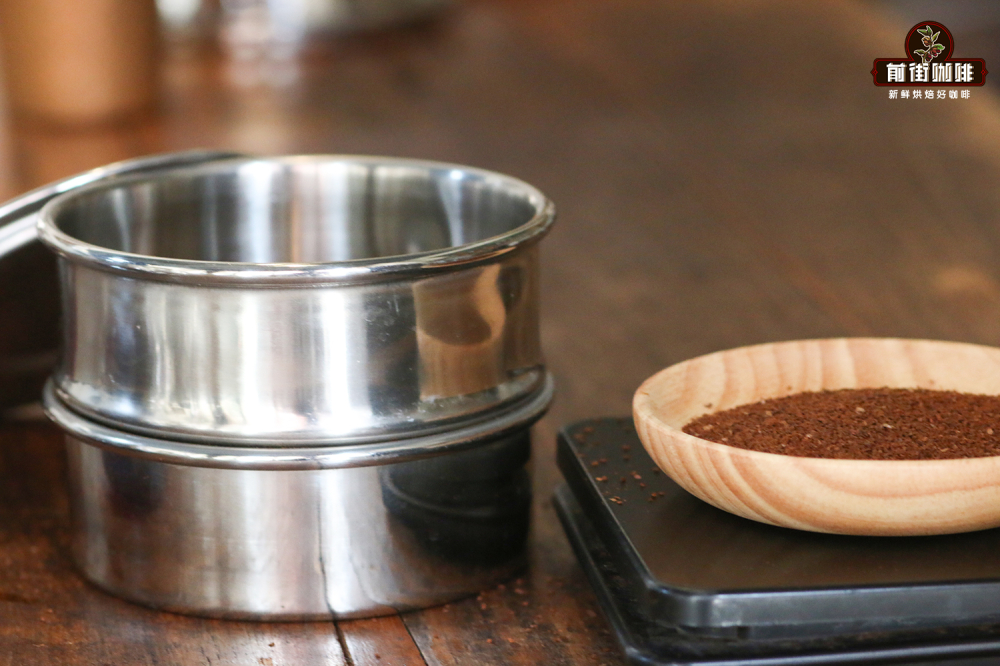
Different roast levels call for different grind sizes. It’s recommended to use a standard #20 sieve (0.85mm aperture) for testing: grind 10 grams of coffee and sift it. If about 80% of the grounds pass through, it’s suitable for medium to light roasts. A range of 70%-75% is ideal for medium to dark roasts such as PWN Golden Mandheling. Too fine a grind may lead to over-extraction, while too coarse may under-extract, both affecting overall flavor integrity.
3. Water Temperature Control
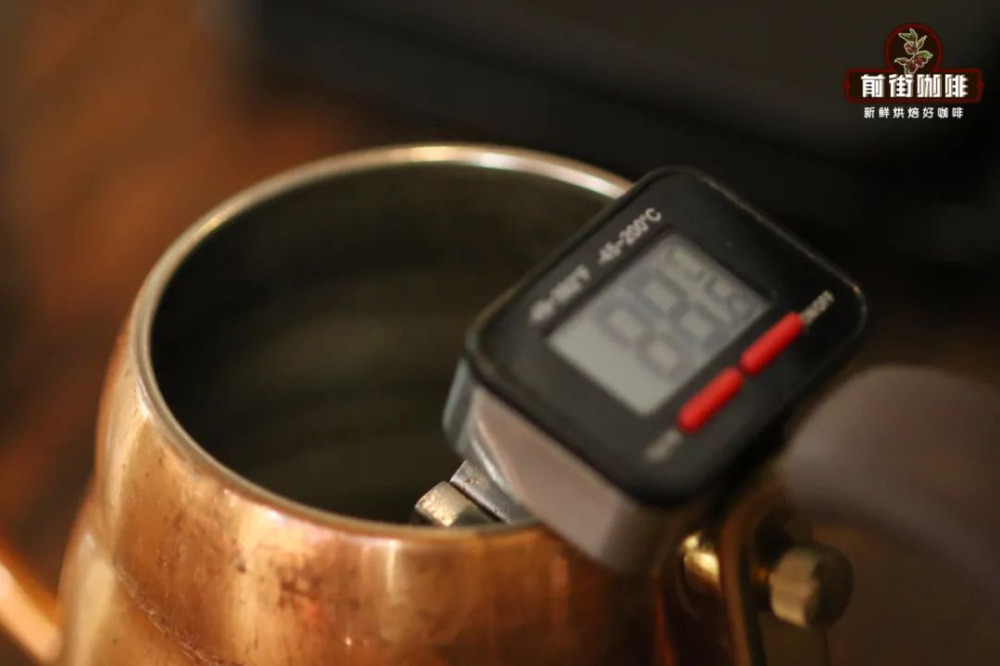
Water temperature greatly impacts extraction. For medium to dark roasts like this Golden Mandheling, a water temperature of 87–89°C is recommended. This helps avoid over-extracting bitter and astringent flavors, while highlighting the rich caramel and nutty notes. In contrast, lighter roasts are better brewed at 90–91°C to fully bring out acidity and aroma.
4. Water Quality Selection
Water quality is an often overlooked factor. Chlorine, heavy metals, and excessive minerals in tap water can interfere with coffee extraction. It’s advisable to use filtered water or stable-quality bottled water, such as Nongfu Spring, to ensure flavors aren’t compromised by impurities.
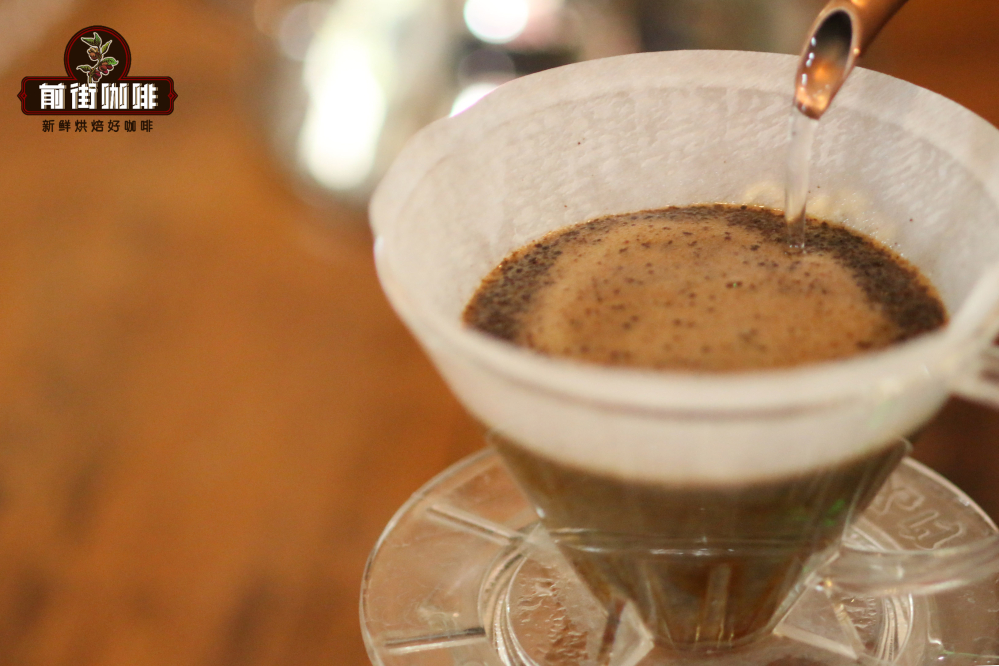
5. Filter Choice
For medium to dark roasted Golden Mandheling, the KONO filter is recommended. Its design features fewer ribs, concentrated mostly at the bottom, which allows the filter paper to sit closer to the cup wall. This slows down water flow and extends contact time between coffee grounds and water, aiding in the full extraction of rich flavors while resulting in a smoother, fuller mouthfeel.
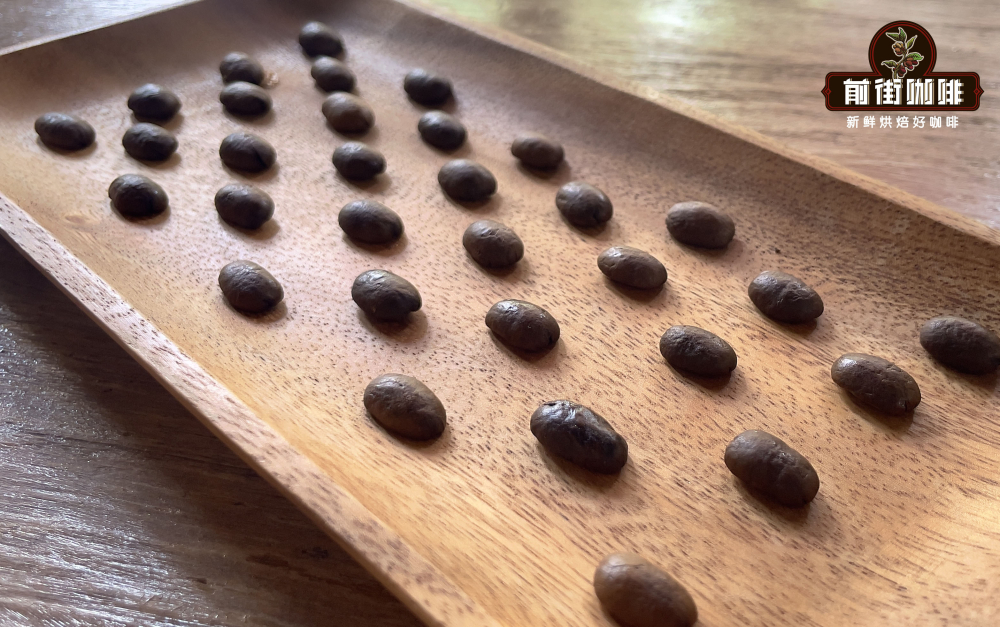
6. Coffee-to-Water Ratio
A general recommendation for pour over is a coffee-to-water ratio between 1:14.5 and 1:15.5. This range achieves the ideal concentration and extraction yield according to the Golden Cup Standard, delivering balanced flavor with clear layering. For a stronger taste, adjust slightly to 1:13; for a lighter cup, go up to 1:16.
7. Extraction Time
Brew time affects how flavors are expressed. For example, using 15 grams of coffee and a 1:15 ratio, the total extraction time should be controlled between 1 minute 50 seconds and 2 minutes 20 seconds. This balances the release of aromatic compounds early on with the extraction of body-building compounds later, while avoiding over- or under-extraction.
Beyond the above parameters, your pour over technique is equally crucial. One of the most commonly used and easiest-to-master methods is the three-step pouring technique, especially suitable for medium to dark roasts, as it helps clearly express flavor transitions across the front, middle, and back of the cup.
Three-Step Pour Over Technique Tutorial
First Pour: Bloom
Start with approximately 30 grams of water for blooming, for about 30 seconds. This step allows the coffee grounds to release carbon dioxide trapped during roasting, facilitating even water penetration afterward — a key factor in achieving uniform extraction. Freshly roasted beans often produce noticeable bubbling during this phase.
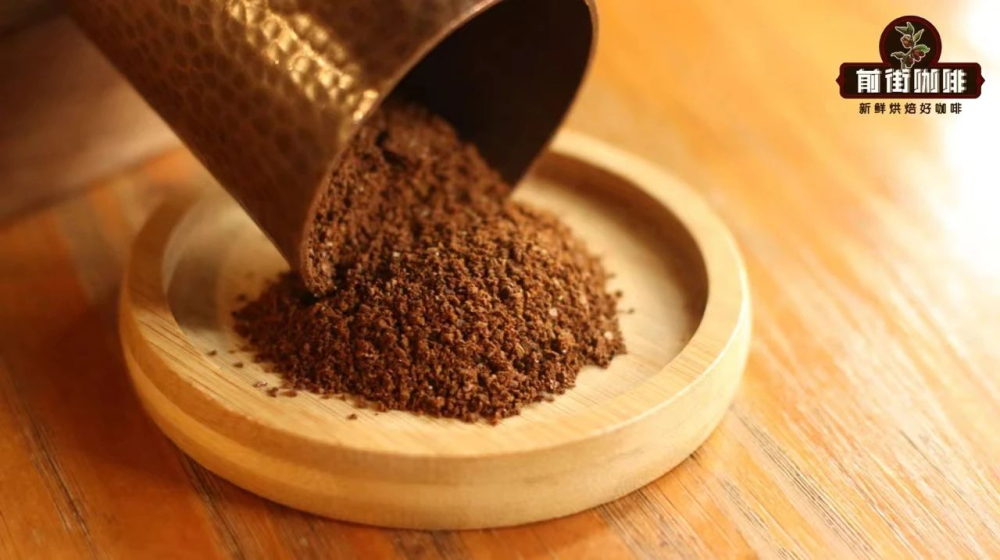
Second Pour
Beginning at the center of the coffee bed, pour in a small, circular motion, adding about 95 grams of water. Stop when the cumulative water volume reaches 125 grams, allowing the coffee bed to fully absorb the water. Keep the pouring circle to roughly the size of a one-yuan coin, maintaining steady water pressure and flow rate throughout.
Third Pour
When the water level drops to about half, begin the third pour, aiming for a total of 225 grams. At this stage, you can slightly increase the pouring circle size and water stream intensity to encourage more agitation of coffee particles, releasing additional soluble flavor compounds. Pay attention to your pouring rhythm to avoid extending brew time excessively, which can lead to astringent or muddled aftertastes.
Combining the above parameters and techniques, here are our tested pour over recommendations for PWN Golden Mandheling:
Filter: KONO
Water Temperature: 86–88°C
Coffee Dose: 15 grams
Coffee-to-Water Ratio: 1:15
Grind Size: 20-gauge sieve, 70–75% passing rate (suitable for medium to dark roasts)
Technique: Three-step pouring, total brew time around 2 minutes 00 seconds to 2 minutes 10 seconds
The brewed Golden Mandheling delivers a rich yet clean cup with clear layers, highlighted by prominent notes of nuts, caramel, and chocolate. The finish is smooth and lingering, making it a classic medium to dark roast that invites slow sipping and repeated appreciation of its nuanced details.
The above content is compiled by CoffeeHunters, a coffee news website.


