







Introduction:Mandheling coffee from Sumatra, Indonesia, is renowned for its full body and low acidity, making it a top choice for deep-roast enthusiasts worldwide. This article delves into two classic representatives—PWN Golden Mandheling and Lintong Mandheling—exploring their regional characteristics, differences in wet-hulling processing, and detailed flavor profiles and pour-over brewing recommendations. From bean selection to brewing, master the craft to easily brew Mandheling with clear, layered flavors.
In the world of coffee, Mandheling has long been favored for its rich, bold mouthfeel and low acidity. As a classic variety from Sumatra, Indonesia, its flavor profile differs from the bright fruitiness of African beans or the fruity notes of Central and South American beans. Instead, it’s known for its full-bodied texture, caramel-like sweetness, and subtle herbal aromas. Among them, Golden Mandheling and Lintong Mandheling are the two most iconic types, both showing significant differences in origin, processing method, and final flavor expression.
The charm of Mandheling lies in its steady, grounded mouthfeel structure—offering a distinct sense of fullness and low acidity upon entry, sometimes even smooth like syrup. Though it lacks the vibrant fruitiness of Ethiopian varieties or the floral complexity of Geisha, its robust and solid flavor has secured it a lasting place in detail-oriented and layer-focused markets like Germany and Japan.
Indonesia’s wet-hulling process (Giling Basah) is the traditional method for processing Mandheling coffee and a key factor behind its unique flavor. This method first removes the outer skin and pulp of the coffee cherry, followed by a short fermentation period. The beans, still coated with some mucilage, are then placed on drying beds for initial drying. Next, the sticky parchment and excess mucilage are removed, and drying continues until the moisture content drops to around 12%. Because hulling occurs while the beans are still semi-dry, it often leaves pressure marks and cracks on the surface of the green beans, which typically exhibit dark green or bluish-green hues.
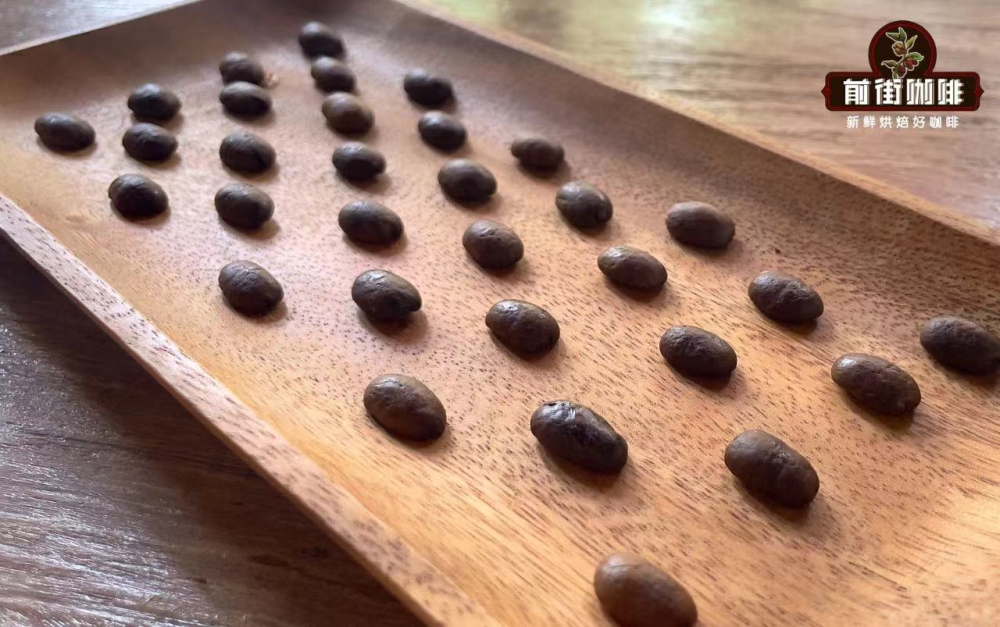
In Sumatra, Lintong and Aceh are two of the most representative producing regions, commonly referred to locally as the “Two Lakes, Two Mandhelings.” Lintong Mandheling comes from the mountainous areas around Lake Toba in northern Sumatra, at an altitude of about 900 meters, and is a key production area in North Sumatra. The region is largely operated by smallholder farmers using semi-washed processing methods, and due to lower iron content in the soil, freshly harvested beans often have a unique bluish tint. After wet-hulling, Lintong Mandheling exhibits typical herbal and earthy mustiness, making it an accessible entry point for many coffee beginners exploring Indonesian Mandheling. It is often classified as the regular version of Mandheling and frequently appears on the list of everyday drinking beans.
In contrast, Golden Mandheling comes from high-altitude areas near Lake Tawar in Aceh Province, at elevations of approximately 1100 to 1600 meters, with the Ateng variety being predominant. This coffee is called “Golden” not only because of its stringent selection process but also because PWN (Pawani) has registered a trademark for it, making it an exclusive branded product. PWN Golden Mandheling uses only G1 grade green beans that are 18 mesh and above with an extremely low defect rate—no more than 3 defects in a 300g sample—and undergoes further mechanical screening plus three rounds of hand-picking to ensure consistency in size, shape, and color. This high-standard selection process enables Golden Mandheling to deliver a purer, more balanced flavor profile when brewed.
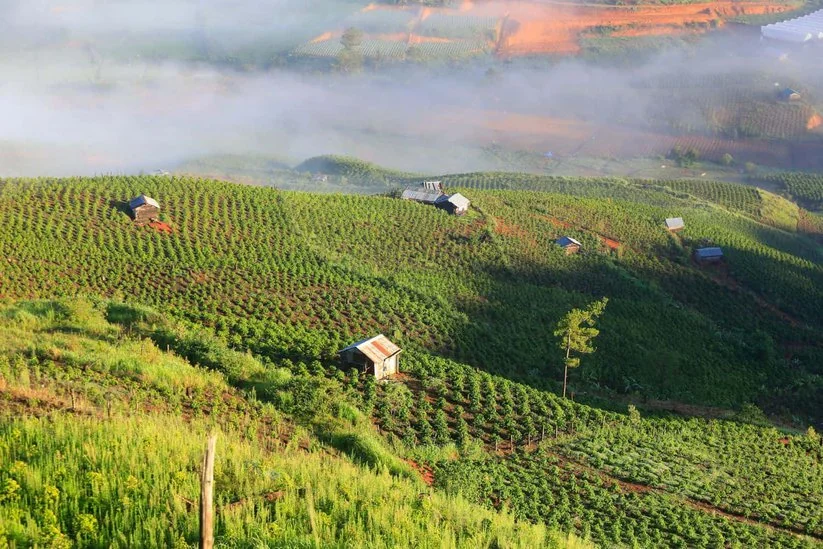
In actual tasting, Golden Mandheling demonstrates significantly higher clarity and sweetness than regular commercial Mandheling. Cupping records from a professional coffee team show that the PWN version of Golden Mandheling, in addition to the typical herbal and nutty base common to Mandheling, clearly reveals pronounced caramel sweetness and chocolate notes. With a smooth mouthfeel and long finish, it is considered a classic among many coffee aficionados.
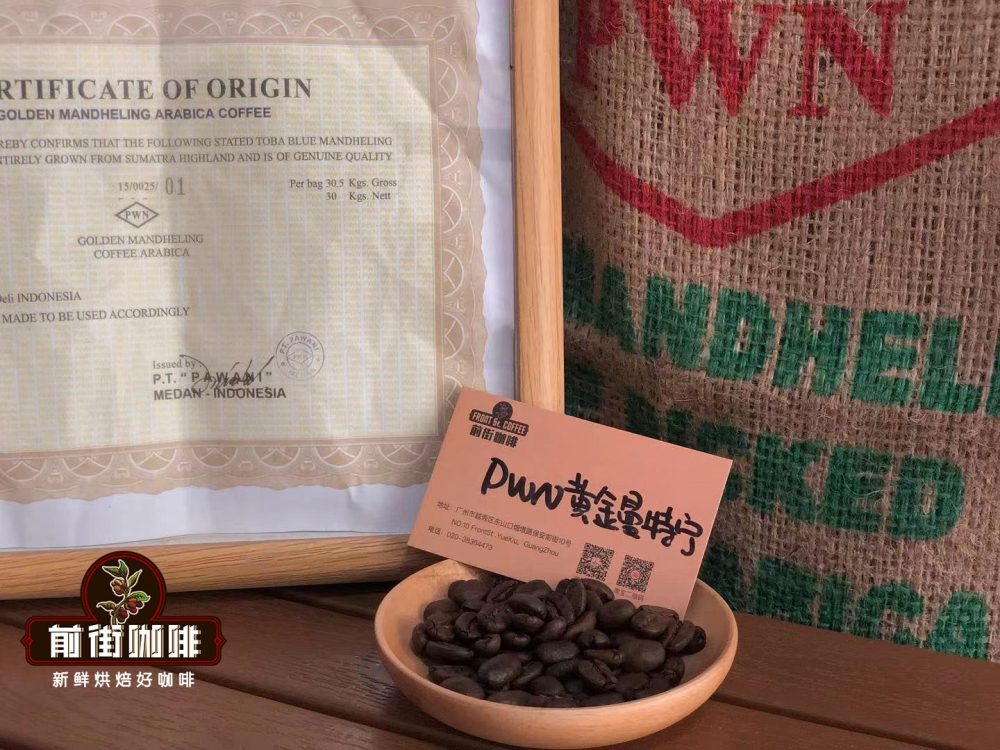
It’s worth noting that the name “Golden Mandheling” has been trademarked by Indonesia’s PWN company. Therefore, only Mandheling produced by this company can be rightfully called “Golden Mandheling.” Although many sellers market so-called “Golden Mandheling,” most simply select 18 mesh and above beans from the G1 grade that have undergone hand-picking. While they may look similar, they rarely match the refinement and consistency of the PWN version. Consumers wishing to verify authenticity can ask sellers for the green bean sack and relevant certification documents—many genuine retailers even display original sacks for inspection.
For brewing, Golden Mandheling, being medium to dark roasted, emphasizes body, sweetness, and low acidity. It’s recommended to use a KONO filter for pour-over. The cone-shaped design of the KONO filter helps distribute water flow evenly, and its bottom ridge minimizes channeling, ensuring stable coffee dripping and thereby improving extraction focus and mouthfeel richness. The suggested water temperature is 88°C, which prevents over-extraction and bitterness while fully highlighting the sweet notes of caramel and nuts. A powder-to-water ratio of 1:15 is advised, with a grind size of about 70% passing through a 20-mesh sieve in China—equivalent to a medium-coarse grind, suitable for medium-dark roasted Mandheling.
For brewing technique, a staged approach is recommended: start with a 30-second bloom using 30g of water to activate the coffee’s aroma. Then, pour in a small circular motion up to 125g for the first pour. After the water level drops, continue pouring to 225g, stopping just before the coffee bed is exposed. Finally, remove the filter to complete the extraction. This process takes roughly 2 minutes and 10 seconds, effectively balancing flavor layers and showcasing the most captivating richness and sweetness of Golden Mandheling.
The above content is compiled by CoffeeHunters, a coffee news website.


