







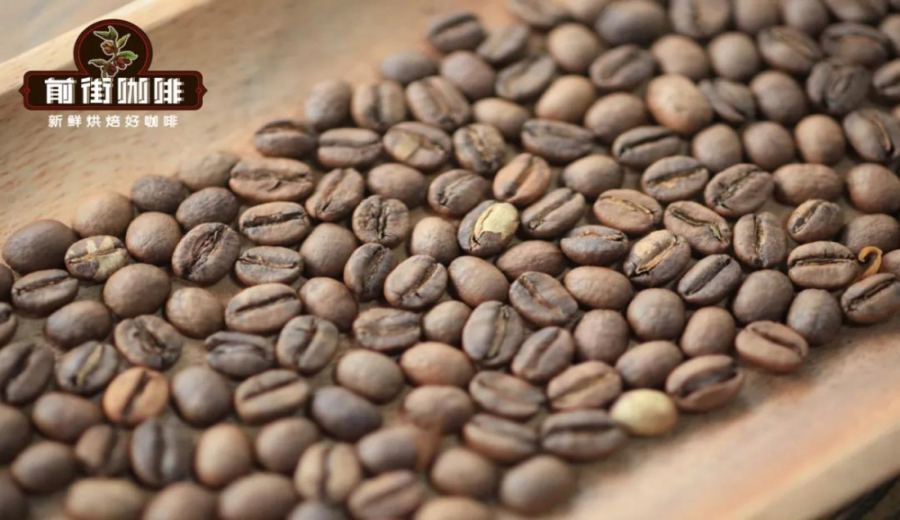
Introduction:The Ethiopian Yirgacheffe Hua Kui coffee beans have become a hot topic in the specialty coffee community since winning the TOH (Taste of Harvest) Natural Category Championship in 2017. From 2017 to 2021, Hua Kui beans from different harvest seasons each exhibited unique flavor profiles. This article will delve into the origins of Hua Kui, the background of the small-bean variety, the characteristics of the natural processing method, and through cupping comparisons and practical pour over parameters, help readers fully grasp the distinctive features of this classic bean and its brewing essentials.
Over the years, Hua Kui coffee beans have repeatedly made waves in the global specialty coffee market — from winning the TOH (Taste of Harvest) Natural Category Championship in 2017 to the debut of “Hua Kui 5.0” in 2021. The flavor performance of each harvest season varies, sparking curiosity among many coffee enthusiasts: how can beans from the same producing region exhibit such a diverse range of flavor profiles? The answer lies closely in factors such as the processing facility, climate conditions, and varietal selection.
The story begins in 2017, when the Buku Abel washing station under the DW company won the TOH Natural Category Championship with a naturally processed coffee bean — the very origin of what would later be introduced to the Chinese market and named “Hua Kui.” Records indicate that this particular batch exhibited distinct notes of strawberry, cream, and fermentation, with a unique and layered flavor profile. Later, during a Chinese brewing competition, Beijing-based competitor Li Jianfei used this bean to secure second place in the 2017 World Brewers Cup China Division, propelling Hua Kui to fame almost overnight.
In the following years, DW expanded its operations in Ethiopia’s Yirgacheffe Region, specifically in the Guji Zone’s Hambela area, establishing additional washing stations including Buku Abel, Buku Saysay, Haro Soresa, and Tirtiro Goye. They subsequently released Hua Kui 2.0, 3.0, 3.1, 4.0, and finally Hua Kui 5.0 in 2021. The DW company adopted an “X.0” naming convention to distinguish beans from different harvest seasons, facilitating consumer identification and tracking. It’s important to note that only beans naturally processed by the Buku Abel washing station truly conform to the original definition of “Hua Kui.”
So, what is the “small-bean Hua Kui”? According to observations by some roasters, within the Hua Kui batches of 2018 and 2019, it was still possible to sieve out small-sized green beans highly similar to those of the original 2017 Hua Kui. These small-bean varieties are believed to be the main source of the award-winning flavor profile, particularly those exhibiting intense notes of strawberry and cream. As a result, any batch of Hua Kui containing similar small beans with comparable flavor is often referred to as “small-bean Hua Kui.” Interestingly, the generally smaller bean size of Hua Kui 4.0 is also considered one of the reasons for its superior performance compared to previous years.
Regardless of the version, all “Hua Kui” beans are processed using the natural (dry) method — a tradition consistently upheld by the DW company. The natural process preserves the sugars and fruity aromas within the coffee cherry pulp, allowing the Hua Kui series to maintain, despite year-to-year flavor variations, a consistently rich berry-like juiciness, layered fermentation notes of ripe fruit, and a medium-to-high level of sweetness. These qualities are precisely why many roasters and baristas are drawn to Hua Kui.
Hua Kui 5.0 from 2021, as the latest generation harvest, quickly became a favorite among roasters and cuppers upon its first arrival. One team conducted a comparative evaluation with small-bean Hua Kui using standard cupping protocols within 8 to 24 hours after sample roasting. The cupping conditions were set as follows: using 200ml ceramic cupping bowls, water temperature at 94°C, grind size controlled to 70%-75% passing through a Chinese standard No. 20 sieve, a brew ratio of 1:18.18 (11.1g coffee to 200ml water), immersion time of approximately 4 minutes, and extraction concentration falling within the Golden Cup range of 1.15%-1.35%.
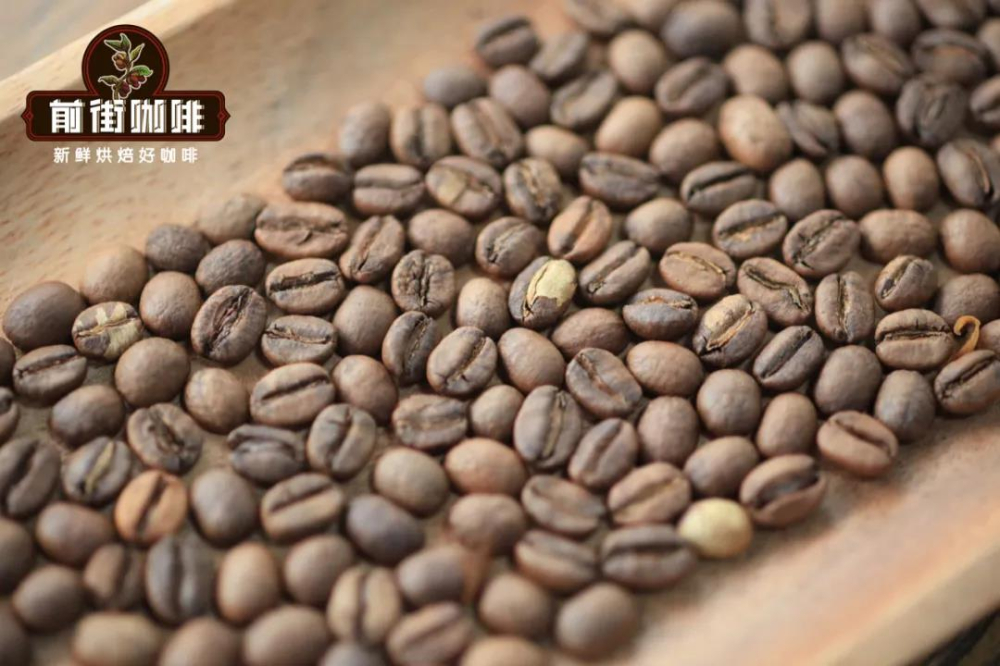
The cupping results revealed that small-bean Hua Kui displayed pronounced notes of strawberry cream, citrus, passion fruit, and fermented wine, closely resembling the flavor profile of the 2017 championship batch. In contrast, Hua Kui 5.0 showcased a combination of berries, citrus, honey, mango, and floral notes, delivering an overall flavor that was fresher and more layered. While lacking the iconic strawberry cream aroma, it still exhibited the inherent sweetness and fruity characteristics unique to the natural process.
So, how should one brew Hua Kui to fully highlight its rich layers and fruity characteristics? It is recommended to use a V60 filter cone, which allows for relatively fast flow rates and focused bed distribution. The V60’s 60-degree conical design ensures even distribution of coffee grounds, while its spiral ribs increase the gap between the filter paper and the cone, enhancing water flow. The large bottom hole also aids in controlling extraction speed, preventing over-extraction.
Recommended pour over parameters are as follows: use a V60 #01 filter cone, water temperature controlled at 90–91°C, coffee dose of 15g, brew ratio set to 1:15, and grind size medium-fine (approximately 80% passing through a Chinese standard No. 20 sieve). The suggested brewing technique is a three-pour method: start with a 30-second bloom using 30g of water, then pour in a circular motion to reach 125g for the first pour. When the water level nearly exposes the coffee bed, pour again to 225g. Finally, remove the filter cone just before the water drains completely, with total brew time around 2 minutes.
Using the above method, small-bean Hua Kui reveals intense berry sweetness, layers of cream, strawberry, and passion fruit, with a full body and prominent fruitiness. Hua Kui 5.0, on the other hand, presents a fresher profile of floral, berry, and citrus notes, complemented by plum acidity, mango juice-like texture, and honey sweetness, with a lingering hint of black tea aroma. The overall flavor is clean and memorable.
Image placement:
The above content is compiled by CoffeeHunters, a coffee news website.


