







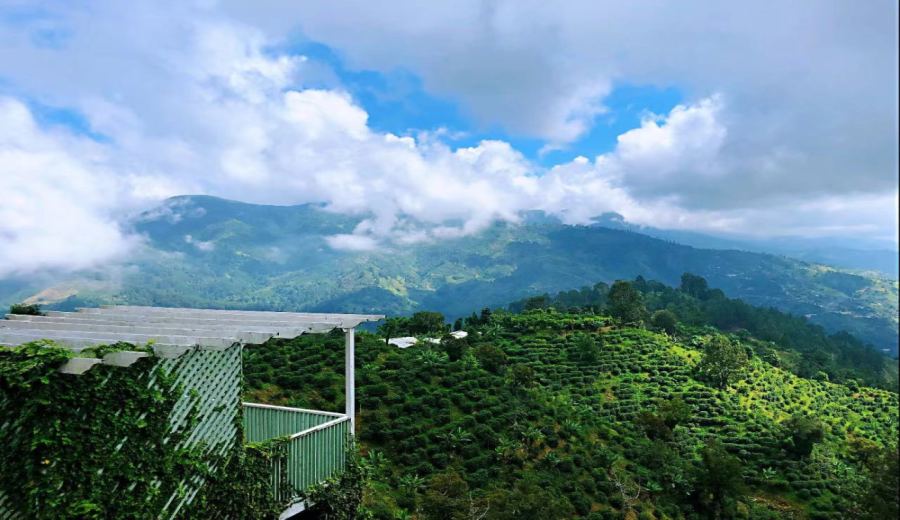
Introduction:Jamaica Blue Mountain coffee is hailed as the pinnacle of the coffee world, yet products labeled as "Blue Mountain" flood the market. How can you identify genuine Jamaica Blue Mountain No. 1? This article details the authentic growing regions, variety characteristics, and certification standards of Blue Mountain coffee, while also introducing the classic beans from the Clifton Estate at an altitude of 1310 meters. It includes professional pour over recommendations and flavor profiles to help readers master selection and brewing tips.
Often referred to as the "gentleman of coffees," Blue Mountain coffee owes this title not only to its delicate and balanced flavor but also to its strictly limited production area. According to regulations by the Jamaica Industrial Development Corporation, only Arabica Typica variety beans grown within four specific regions—St. Andrew, St. Mary, St. Thomas, and Portland—and at elevations between 910 and 1700 meters can be called "Jamaica Blue Mountain Coffee." These criteria result in an extremely limited annual output of only about 300 to 600 tons, which is why the price remains high.
The Blue Mountain coffee beans currently available on the market mainly come from the Clifton Estate and the Mavis Bank Estate under the Sharpe family in Jamaica. Among them, the Clifton Estate, with its over 200 years of planting history and prime location at the heart of the Blue Mountains, is the top choice for many coffee enthusiasts. In particular, its area at an elevation of 1310 meters boasts ideal climate conditions and uniquely rich soil, contributing to the distinct flavor profile of its beans.
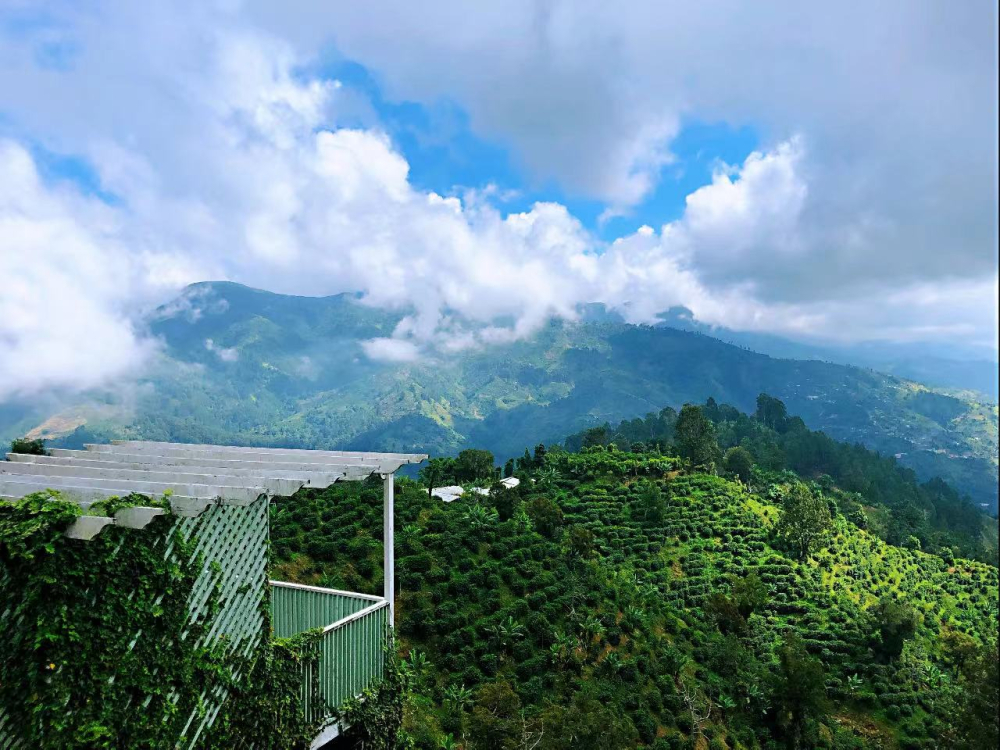
Since 2014, we have been offering the Jamaica Blue Mountain No. 1 beans produced by the Clifton Estate. These beans, roasted to a medium-dark level, exhibit an exceptional balance, with clean and subtle aromas, and a well-coordinated interplay of acidity, sweetness, and bitterness. The cup offers a full-bodied texture with clear layers, showcasing a classic “gentlemanly” character. Whether you’re a beginner trying Blue Mountain coffee for the first time or an experienced connoisseur seeking consistent quality, these beans are an unmissable choice.
So, why is Blue Mountain coffee always so expensive? The answer lies in the dual constraints of its variety and cultivation conditions. Belonging to the Typica variety—the oldest in the Arabica family—Blue Mountain beans are not only larger in size with pronounced sweetness but also require an elevation of at least 910 meters to express their signature clean and balanced flavor. However, although the entire Blue Mountain range is planted with Typica, truly certified Blue Mountain coffee that meets official standards is extremely rare, which drives both its scarcity and market value higher.
How can you ensure you’re purchasing genuine Blue Mountain coffee beans? To maintain the reputation and quality of Blue Mountain coffee, the Jamaican government has set strict standards for every step from cultivation and harvesting to export. These include the use of only organic fertilizers, insistence on fully manual harvesting, and the requirement to ship beans in wooden barrels—all reflecting an uncompromising pursuit of quality. Moreover, every batch of exported Blue Mountain coffee must be authorized by the Jamaica Coffee Industry Board (CIB) and come with the corresponding certification documents.
When making a purchase, consumers can ask the seller to provide the following three types of certificates to verify authenticity: First is the quality certificate issued by the Jamaica Coffee Board, which indicates the time and quantity and has undergone random sampling inspections; second is the authorized sales certificate provided by the Blue Mountain coffee producer; and third is the origin certificate of Jamaica Blue Mountain Coffee. These documents are not only guarantees of quality but also important evidence for distinguishing genuine products.
As for brewing Blue Mountain coffee, it is recommended to use freshly roasted beans and appropriate parameters to highlight its delicate flavors. We suggest a water temperature of 88°C, a coffee dose of 15 grams, with a brew ratio of 1:15, using a medium-coarse grind (approximately 70% through a 20-mesh sieve). For brewing, you can employ a pulsed pour method: start by pouring double the coffee dose of water (about 30 grams) for a 30-second bloom to release CO₂ and ensure stable extraction; then pour in a slow circular motion until reaching 125 grams for the first pour, continue to 225 grams, then stop. Allow all the water to fully drip through before removing the filter. The total brew time is approximately 2 minutes and 10 seconds. Finally, swirl the coffee before pouring into your cup to fully enjoy its intense flavors of dark chocolate and nuts, along with a buttery-smooth mouthfeel, where acidity, sweetness, and bitterness achieve perfect harmony.
The above content is compiled by CoffeeHunters, a coffee news website.


