








Introduction:In recent years, more and more coffee shops have started offering an "optional SOE" service on their menus, allowing customers to experience the unique flavor profiles of single-origin coffees from different regions. But what exactly is SOE? How does it differ from the common espresso blends in terms of brewing methods and flavor expression? This article takes an in-depth look at the definition and roasting strategy of SOE (Single Origin Espresso), and introduces four distinctive single-origin beans to help readers fully grasp the essence of SOE — from bean selection to brewing.
Have you ever seen an option on a coffee shop menu that says “can be switched to SOE”? With the rise of specialty coffee trends, more and more cafes are offering single-origin espresso beans (i.e., SOE), allowing customers to choose their preferred flavor profile based on personal taste. So, what exactly is SOE? And how is it fundamentally different from the regular espresso blends we usually drink? This article will fully break down the concept of SOE, explore its differences from blends in terms of flavor, roast level, and application, and recommend four representative single-origin coffee beans to help you gain professional insight right from the bean selection stage.
First, the full name of SOE is Single Origin Espresso, which literally translates to "single-origin espresso coffee beans." This concept has gained attention with the rise of the third wave coffee movement, which emphasizes transparent traceability "from origin to cup" and highlights regional flavors. The term "single origin" refers to coffee beans that all come from the same country, or even the same farm or processing facility, preserving the unique microclimate and growing environment that impart distinctive flavor characteristics — such as bright acidity, special fruit notes, or rich sweetness.
In contrast to SOE, the most common type is the traditional espresso blend. Blends are typically made by combining two or more types of coffee beans from different origins in specific proportions, often roasted to a medium-dark or dark level. The goal is to achieve a balanced and rich flavor profile, suitable for coffee shops that serve large quantities daily while maintaining consistent taste. For example, many classic espresso blends are composed of Brazilian, Indonesian, or African beans to deliver a full-bodied base with a moderate acid-to-sweetness ratio. In comparison, SOE places more emphasis on showcasing the uniqueness of its origin, usually employing a lighter roast to preserve more of the bean’s inherent fruity, floral, and acidic highlights.

However, choosing SOE doesn’t necessarily mean it’s superior or tastier than blends — it simply offers another flavor option. SOE is better suited for coffee enthusiasts who want to experience the “characteristics of a single origin,” especially those with a preference for specific countries or regional flavors. For instance, Ethiopian Yirgacheffe is known for its bright citrus and floral notes, while Brazilian beans are characterized by low acidity and rich nutty-chocolate tones. With SOE, you can more clearly perceive the subtle differences of these regional profiles.
Selecting the right single-origin coffee beans suitable for SOE actually involves considering multiple factors, including the region’s processing methods, bean variety traits, and roasting approach. Over-light roasting can lead to under-extraction, resulting in sharp acidity and uneven taste; overly dark roasting may mask the original regional flavors, leaving only dull bitterness and carbonized notes. Generally speaking, SOE beans are roasted to a medium-light to medium level to fully express the beans’ inherent characteristics while ensuring sufficient body and extraction yield.
In practice, when using SOE to brew espresso, it’s also recommended to fine-tune grind size and extraction time according to the bean variety’s traits. For example, high-acid and bright fruity beans, such as sun-dried Yirgacheffe, benefit from a slightly finer grind, with attention to stable extraction pressure and water temperature to avoid over-extraction that could lead to bitterness. On the other hand, Costa Rican beans processed with anaerobic fermentation, due to their rich sweetness and fermented aromas, can have a slightly longer extraction time to enhance their layered complexity.
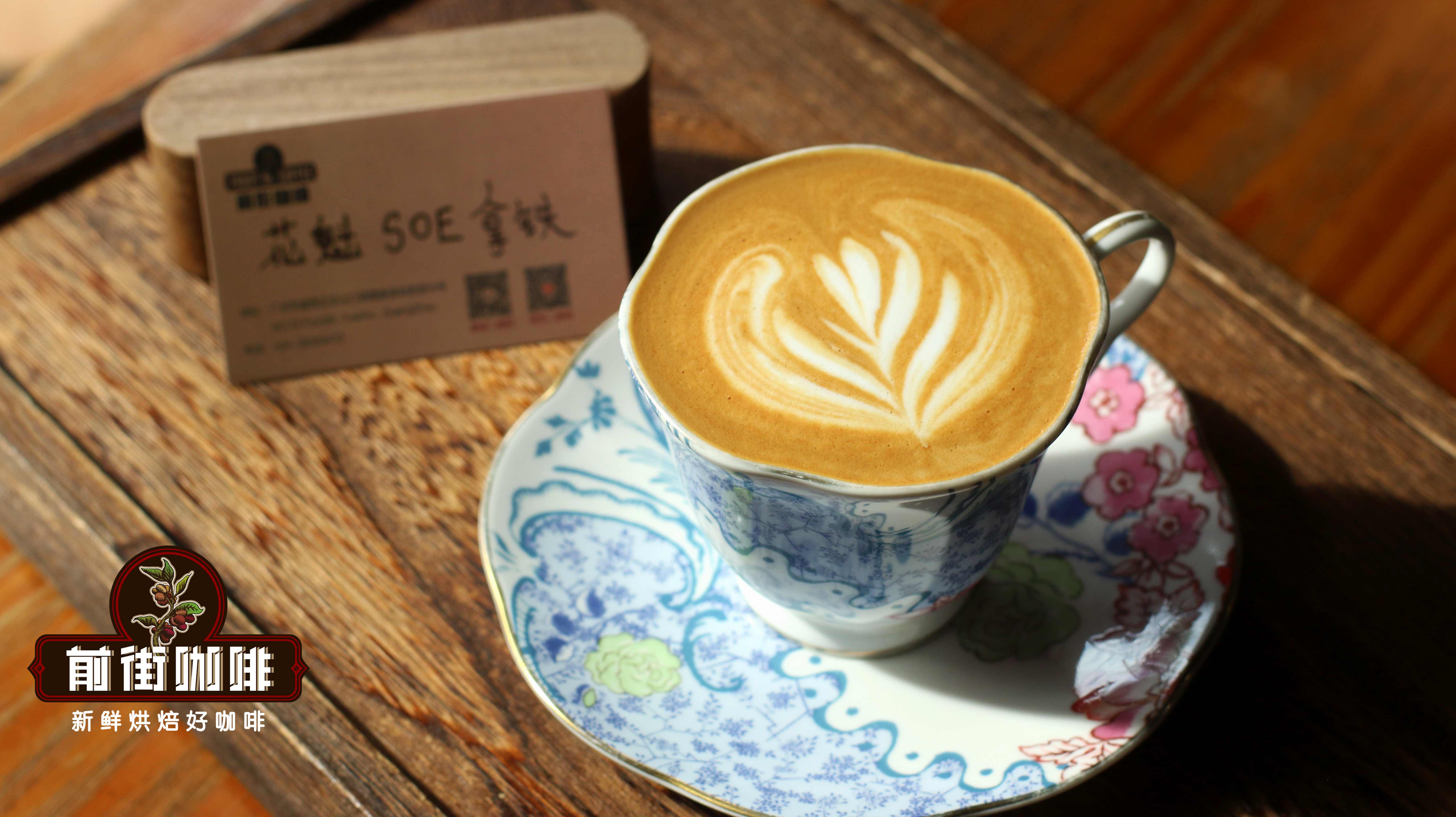
Next, let’s introduce four representative single-origin SOE coffee beans. Each has its own unique flavor profile and is a popular choice among many professional baristas and coffee shops.
The first is a certain brand’s Yirgacheffe Red Cherry Natural SOE. This bean already exhibits intense fruitiness and sweetness in pour over brewing, and when brewed as espresso with an appropriately adjusted grind, it delivers bright acidity of berries and citrus, along with a caramel-like finish. The crema is light golden, and when steamed milk is added, the sweetness becomes even more pronounced, with a honey-like flavor that leaves a lasting impression.
The second is a certain brand’s Natural Hua Kui SOE. This bean is renowned for its rich creamy-strawberry aroma. Roasted to a medium level, when brewed as espresso, it showcases red berry, delicate floral, and citrus notes, with a fresh and layered flavor profile. It’s ideal for making Hua Kui SOE Americano or pairing with oat milk in a SOE Flat White.
The third is a certain brand’s Costa Rica Mozart SOE, processed using an anaerobic honey method where mucilage is retained during drying to enhance fermentation, pushing sweetness to its peak. Even in pour over preparation, it exhibits rose floral and raisin sweetness, but as an SOE, the tropical fruit and fermented aromas become even more intense — perfect for those who love an explosion of fruity flavors.
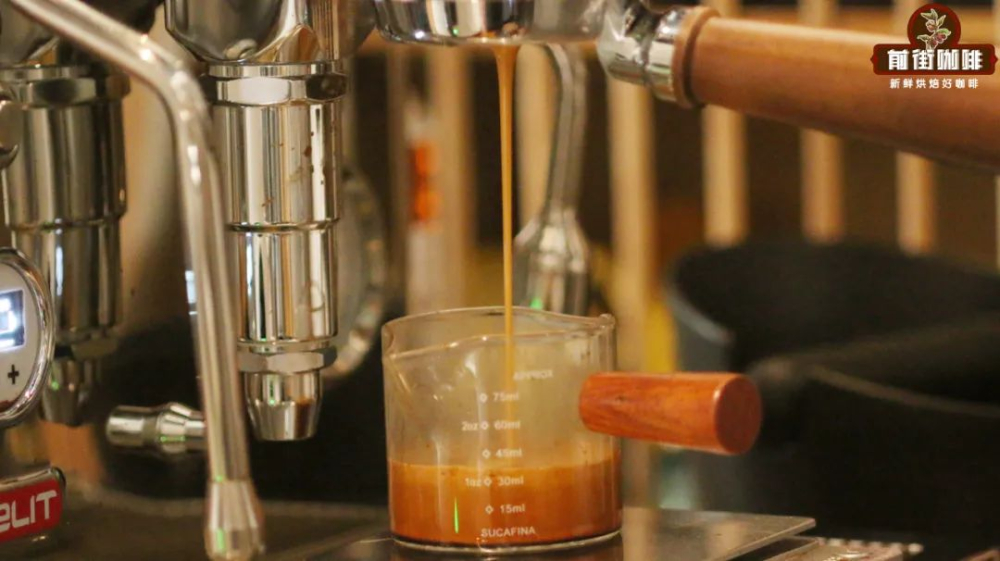
Finally, we recommend a certain brand’s Brazilian Queen Estate SOE. This medium-dark roasted bean from the coffee powerhouse of Brazil delivers rich notes of nuts, cream, and peanuts, with a finish marked by distinct chocolatey sweetness. The crema is thick and smooth, and when used in milk-based drinks, the harmony between milk and coffee flavors is impeccable, resulting in a round and full-bodied mouthfeel. It’s an excellent choice for readers who prefer low-acidity and creamy-rich flavors.
In summary, the emergence of SOE gives coffee drinkers the opportunity to explore the unique flavors brought by different origins when enjoying espresso. Whether you’re a beginner or an experienced coffee enthusiast, understanding the difference between SOE and blends, and familiarizing yourself with the characteristics of beans from various regions, can enrich your experience and enjoyment in selecting beans, brewing, and savoring coffee.
The above content is compiled by CoffeeHunters, a coffee news website.


