







Introduction:The natural-processed Hua Kui coffee from Ethiopia’s Sidamo region, with its intense floral and fruity aromas and honey-sweet finish, is beloved by coffee enthusiasts worldwide. This article delves into the origins of Hua Kui, the characteristics of the Yirgacheffe-Hambella region, the traits of the Heirloom variety, and the full process from harvesting and processing to brewing. It also covers the evolution of different vintages and offers practical pour-over brewing tips to help you better appreciate the charm of this classic bean.
Ethiopia is hailed as the birthplace of Arabica coffee, renowned globally for its bright floral notes and vibrant fruit acidity. Among them, the natural-processed Hua Kui coffee from the Sidamo region stands out with its rich tropical fruit sweetness and honey-like smooth aftertaste, making it a favorite among both coffee newcomers and seasoned connoisseurs. This article will comprehensively explore the sources of this classic coffee’s appeal—from its name origin, regional background, variety characteristics, and processing methods to pour-over brewing suggestions and flavor profiles—while adding practical details to enhance both tasting and purchasing quality.
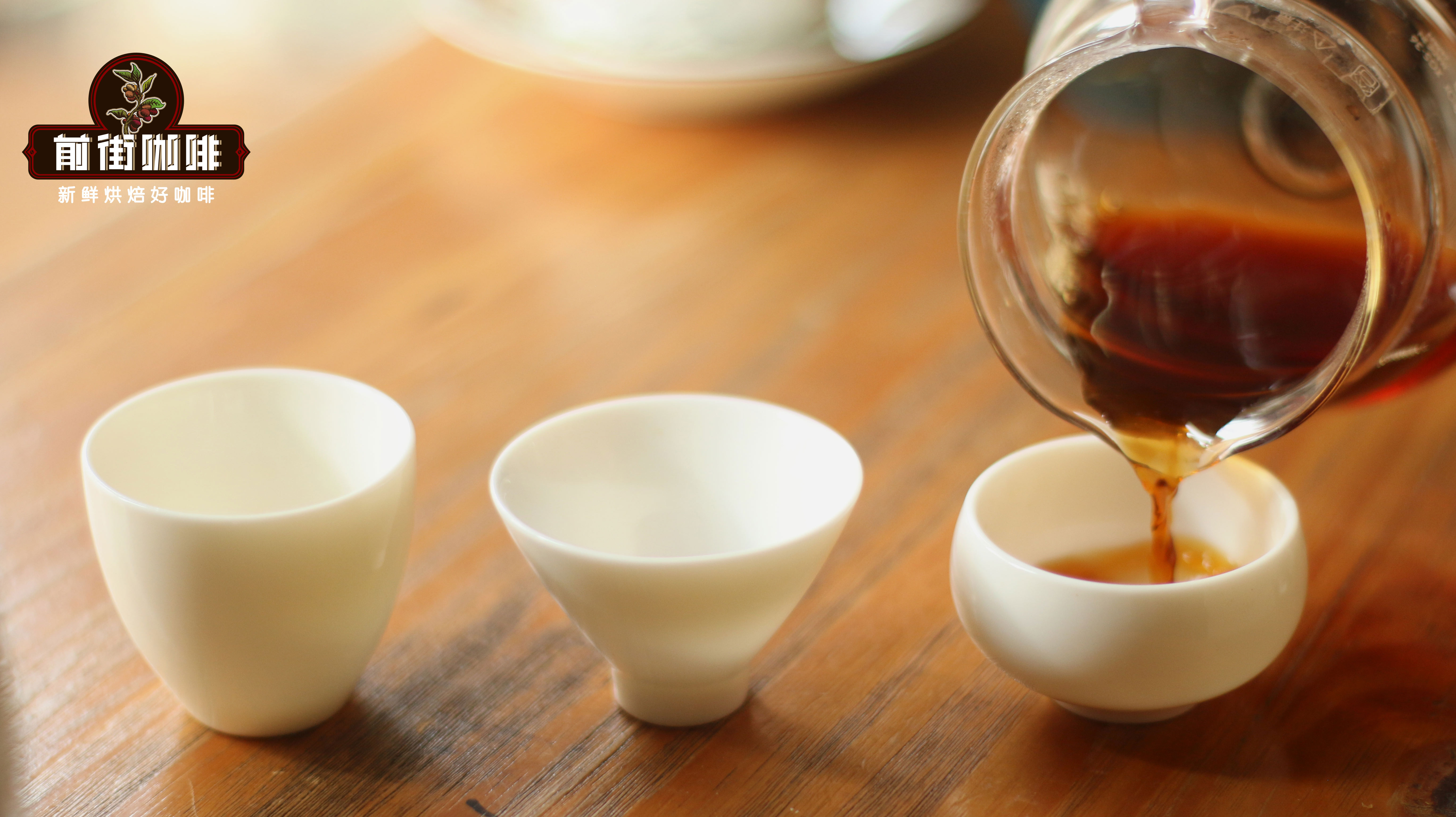
Ethiopian coffees generally exhibit fresh floral notes and lively fruit acidity, with a tea-like, refreshing mouthfeel. This natural-processed Hua Kui coffee, however, excels in aromatic intensity and sweetness. It showcases a rich tropical fruit character, with distinct layers of fruitiness on the palate and a long, honey-like sweet finish that transports you to a sun-drenched tropical orchard, delivering a wealth of memorable flavor details.
When discussing Hua Kui, its origin story must be mentioned. In 2017, Ethiopia’s DW Coffee Exporters submitted a batch of natural-processed beans to the TOH (the Taste Of Harvest) competition hosted by the African Fine Coffees Association. These beans from the Hambella region won the championship and were subsequently named “Hua Kui.” The name was retained after being introduced to China by the Hongshun green coffee bean merchant, symbolizing high expectations for this coffee. However, in the international market, these beans are usually referred to simply as Hambella, and they actually come from a small sub-region within Ethiopia’s Sidamo zone, specifically the Gedeb area. Only the natural-processed beans produced by the Buku Abel washing station are recognized by the industry as the authentic “Hua Kui.”
The Buku Abel washing station is located in Dimtu town and is the original source of Hua Kui coffee. As market demand grew, DW expanded operations in the Hambella Wamena Wereda district, establishing additional washing stations in villages such as Buku Saysay, Haro Soresa, Tirtiro Goye, and Seke Bokosa, all of which began producing natural-processed coffee. At the time, DW reportedly produced several thousand tons of “Hua Kui”-grade coffee annually. However, starting in 2018, due to factors like climate and processing variations, subsequent vintages showed slight differences in body and aftertaste compared to the original batches.
To distinguish between different vintages, domestic importers adopted an “X.0” numbering system—for example, 2018 became “Hua Kui 2.0,” 2019 saw “Hua Kui 3.0” and “Hua Kui 3.1,” and so on, with the latest batch being “Hua Kui 7.0.” This numbering system allows consumers to clearly identify the vintage and relative flavor profile of the Hua Kui they purchase.
The Sidamo region is one of Ethiopia’s most renowned specialty coffee producing areas, neighboring Yirgacheffe and boasting exceptional flavor diversity. Located in southern Ethiopia, the region spans multiple administrative zones, with growing altitudes ranging from 1,400 to 2,000 meters. Due to microclimates, soil compositions, and the diversity of Heirloom varieties, even within the same region, coffees from different villages or washing stations each have unique characteristics. In 2006, Sidamo was involved in a trademark dispute with Starbucks, which was ultimately resolved when Starbucks withdrew its application and shifted to a cooperation model.
The variety used in Hua Kui coffee is Heirloom, commonly translated in Chinese as “原生种” (literally “native variety”). This is not a single variety but rather a collective term for thousands of wild and traditional Arabica varieties in Ethiopia. Since local smallholder farmers typically grow coffee using traditional methods with diverse seed sources—possibly inherited from neighbors, passed down through generations, or exchanged from other regions—each batch of Heirloom coffee is actually a blend of many unsubdivided varieties. The wide variation in bean size and appearance contributes to its distinctive flavor complexity.
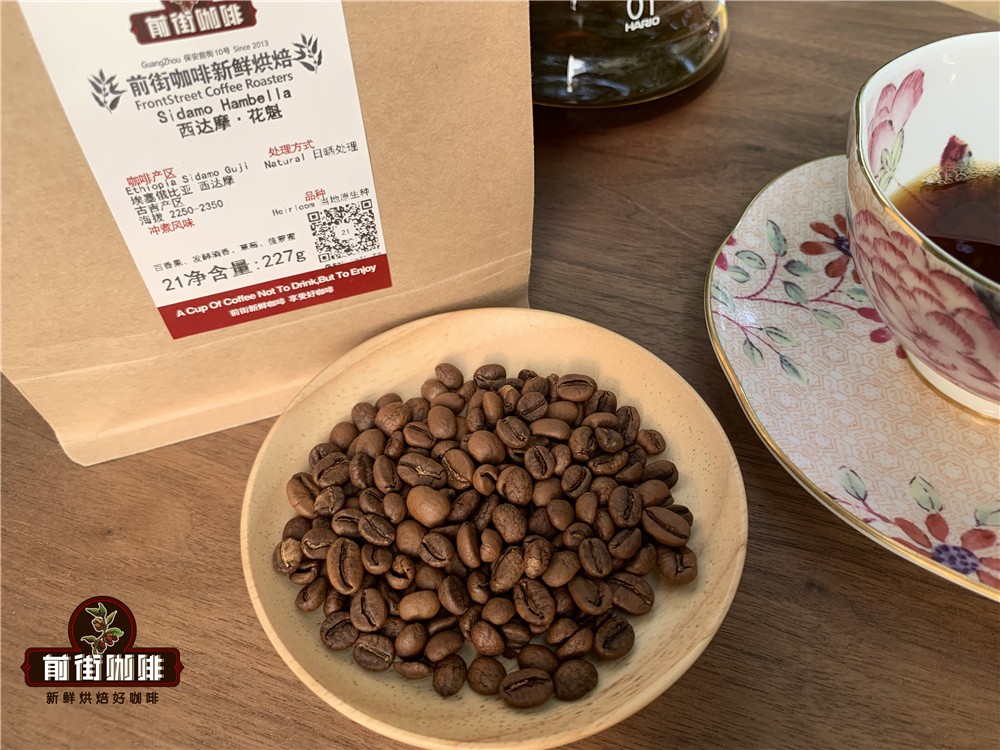
Before the establishment of the Ethiopian Commodity Exchange (ECX), coffee grades were primarily determined by the number of defective beans in 300 grams of green beans. This particular Hua Kui G1 natural-processed bean is of the highest grade, with stringent selection criteria. It is grown at elevations of 2,200 to 2,500 meters, and its flavor profile often features rose-like floral notes, sweet peach tones, and a soft black tea-like finish, with clear layers and a long-lasting aftertaste.
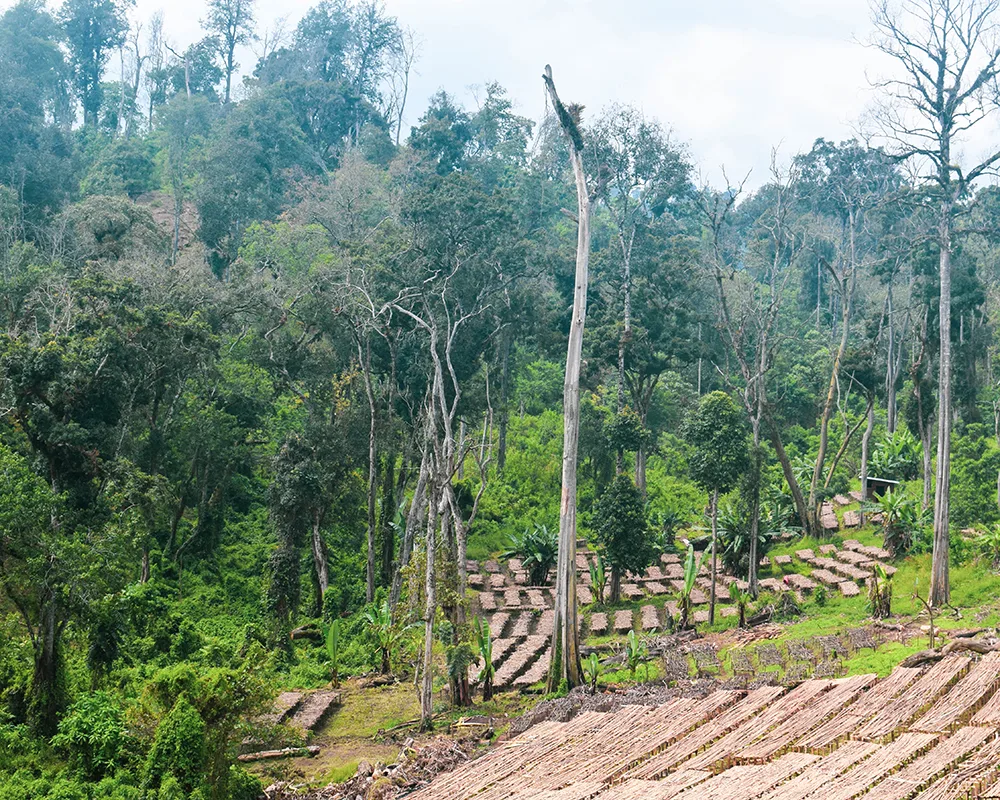
The natural processing method for Hua Kui coffee is highly meticulous. Only fully ripe red cherries are handpicked and evenly spread on raised wooden racks or platforms to ensure proper ventilation and sunlight exposure. During processing, defective beans are manually removed multiple times, and the coffee cherries are turned every three to five days to prevent mold or unwanted odor absorption. Once the skins are completely dry and hardened, they are removed using a hulling machine, followed by a final round of sorting to guarantee green bean quality. Compared to earlier ground-drying methods, modern processing techniques have significantly improved cleanliness and flavor expression.
For pour-over brewing, a V60 dripper is recommended to fully highlight Hua Kui’s layered flavors. Suggested parameters: water temperature 90°C, brew ratio 1:15, 15 grams of coffee, using a medium-fine grind (approximately 80% passing through a Chinese No. 20 sieve). The V60’s 60-degree conical design and clockwise spiral ribs ensure stable, even water flow, enhancing extraction efficiency while avoiding over-extraction or off-flavors.
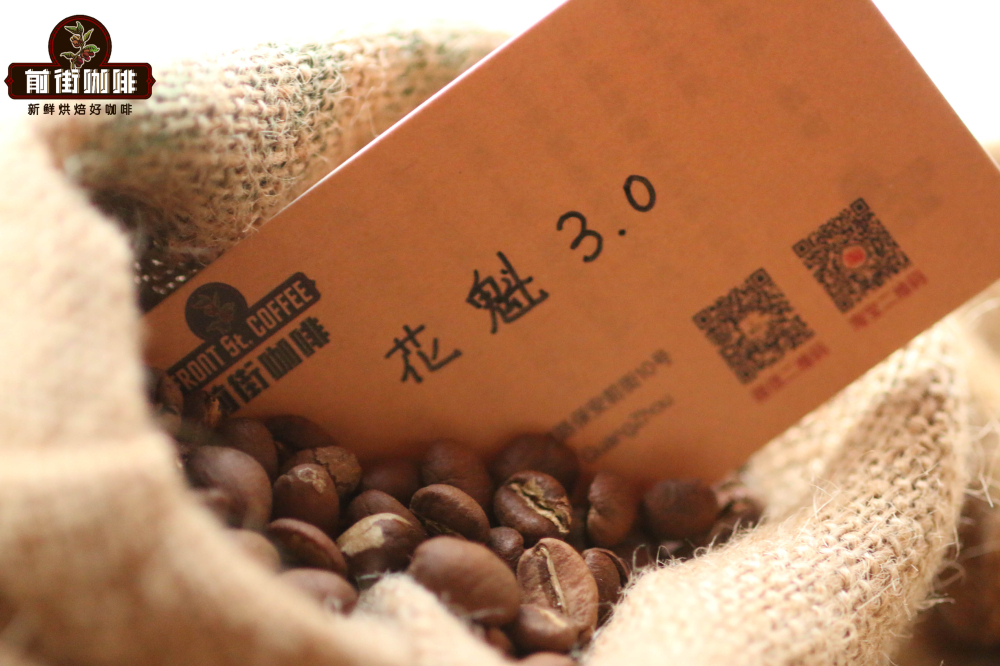
The freshness of the coffee beans greatly impacts flavor, so beans are shipped within 5 days of roasting, and a resting period of about 4 to 7 days is recommended. For pre-ground coffee, it is best to brew immediately to avoid oxidation affecting aroma. For the optimal tasting experience, we recommend using whole beans and grinding them just before brewing to fully appreciate Hua Kui’s nuanced flavor evolution.
The above content is compiled by CoffeeHunters, a coffee news website.


