







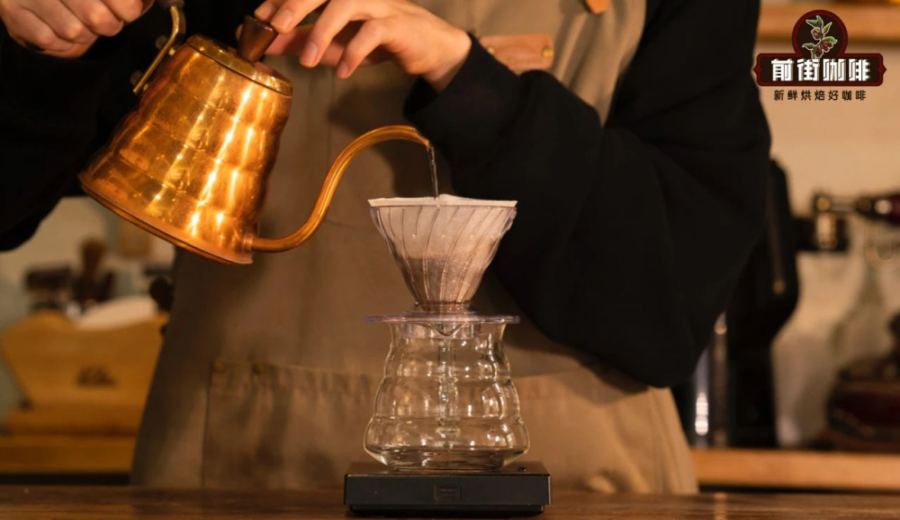
Introduction:To brew a pour over coffee with distinct layers and balanced flavor, mastering the four fundamental parameters is essential. This article delves into the scientific relationship between coffee dose, grind size, water temperature, and brew ratio, using the 2025 new crop Natural Huagu as an example to demonstrate how a three-stage pouring technique can enhance extraction efficiency. Beyond practical data references, it also clarifies the intrinsic differences between Huagu and Geisha, helping beginners establish the right brewing mindset.
The core of consistently brewing delicious pour over coffee lies in controlling four key elements: coffee dosage, grind coarseness, water temperature setting, and brew ratio. When these variables fall within the ideal range, you only need to focus on adjusting the pouring rhythm to effectively improve extraction consistency.
Practical Impact of Coffee Dose Selection
Many beginners tend to overlook the potential impact of coffee dose on extraction. The thickness of the coffee bed directly affects the resistance to water flow and contact time. It is recommended to adjust the dosage based on the diameter of the filter cone. For example, when using a common 185ml filter cone,a coffee dose of 15-20 gramscan form a moderately thick coffee bed, which helps retain heat while ensuring sufficient diffusion.
Synergistic Effect of Grind Size and Water Temperature
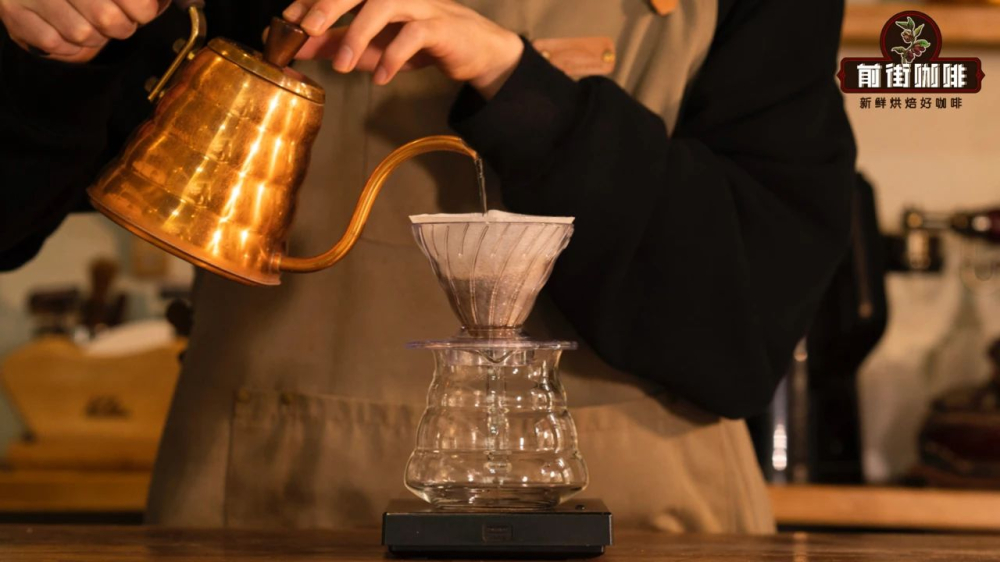
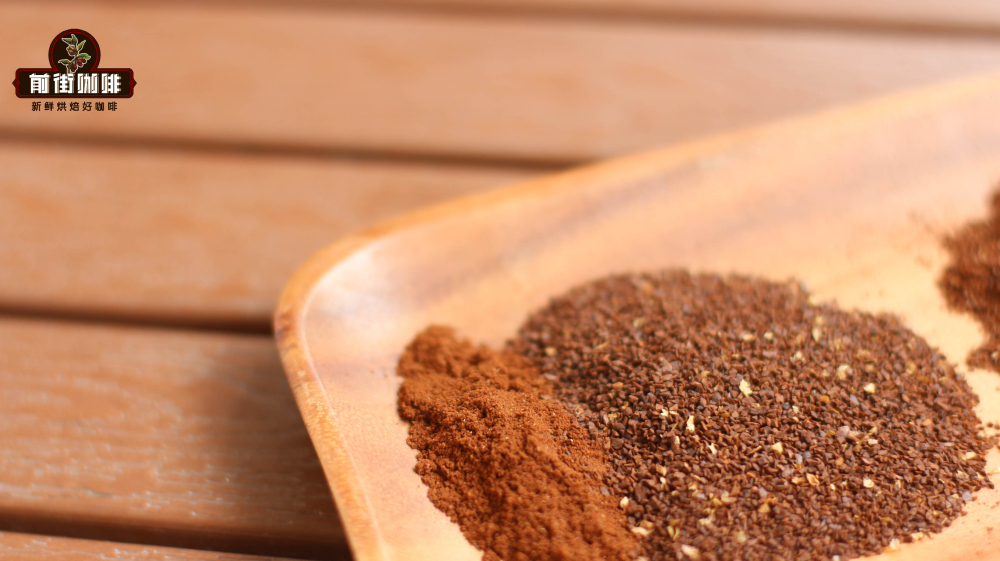
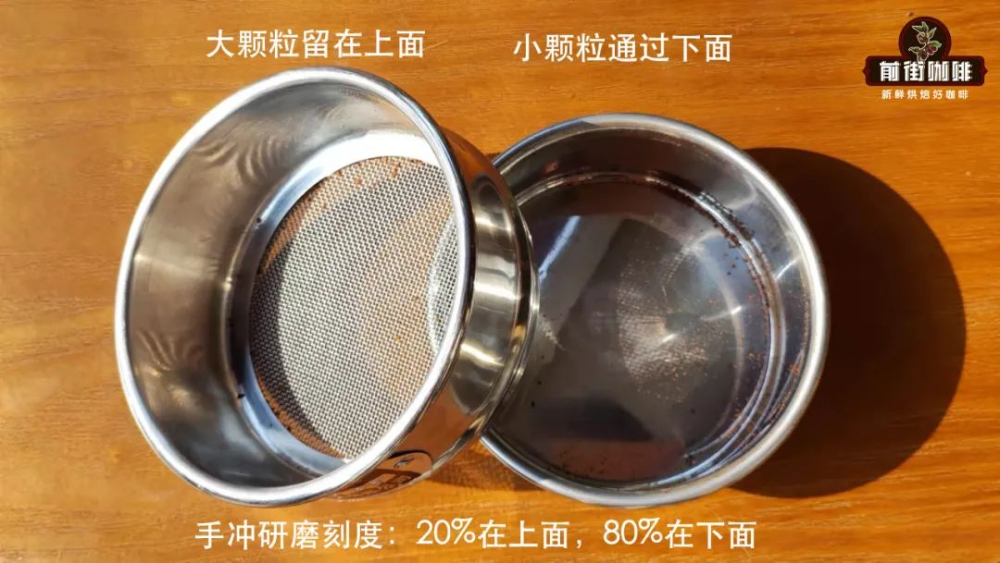
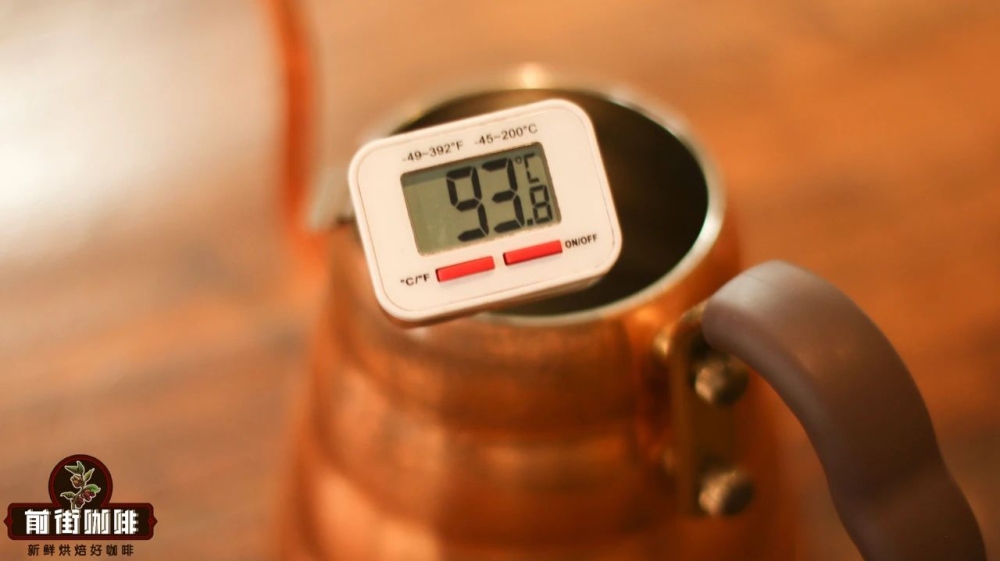
Grind size determines how quickly water penetrates the coffee bed. Typically, sun-dried processed coffee beans are suited to a medium-fine grind (around 80% extraction rate), which extends the extraction time to release sweetness.The water temperature is recommended to be controlled at 90-93°C; too high may lead to over-extraction of impurities, while too low may result in insufficient flavor extraction. In practice, adjustments can be made based on the roast level of the beans—slightly lowering the temperature by 1-2°C for dark roasts.
The Golden Formula of Brew Ratio
This is the most direct key parameter affecting coffee concentration. A common1:15 to 1:16 ratio(such as 15 grams of coffee to 225-240 milliliters of water) achieves a balanced body and clear acidity. When the ratio is reduced to below 1:14, the concentration increases but may mask delicate flavors; exceeding 1:17 often results in a diluted taste with excessive wateriness.
Strategies for Refining Pouring Techniques
Once the basic parameters are determined, pouring technique becomes the core tool for adjusting extraction uniformity. A three-stage process (pre-infusion → main extraction → finish) is suitable for most scenarios:
• First stage: 30ml of water poured with a small stream for blooming, activating the coffee grounds to release CO₂
• Middle stage: increase water flow to lift the coffee bed, ensuring even penetration of hot water
• Final stage: use a fine stream to finish, avoiding over-extraction of bitter impurities in the tail
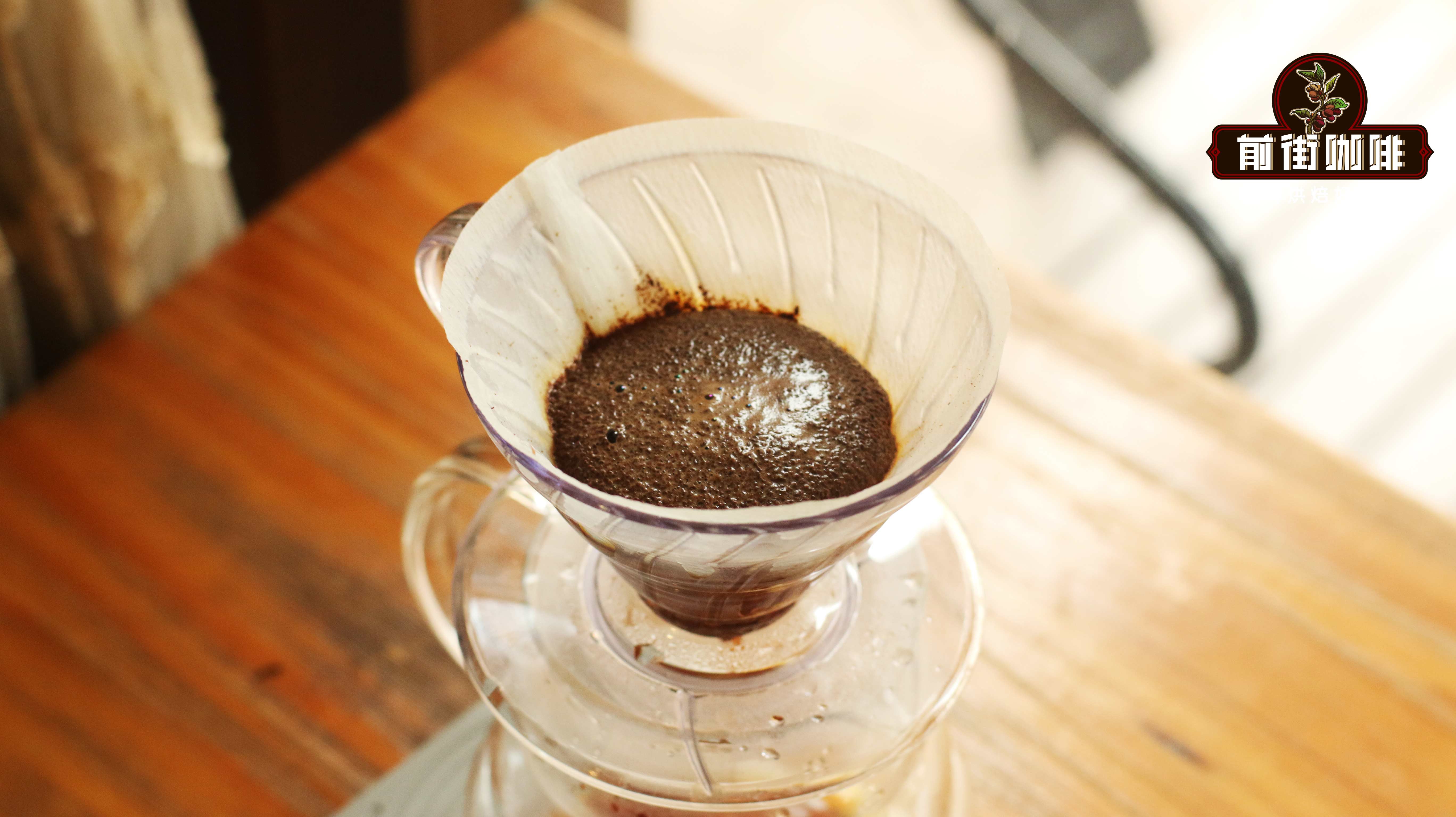
Observing the shape of the coffee bed is a simple indicator of extraction status—a uniformly depressed bed with intact edges usually indicates good water-coffee interaction.
Practical Parameter Breakdown for Huagu Beans
Taking the 2025 crop Natural Huagu as an example (15g coffee / 1:15 ratio / 91°C water temperature / 80% extraction rate grind):
1. Initially pour 30ml of water for a 30-second bloom, with the water stream focused on the center and slowly expanding outward
2. Follow with 95ml of medium-flow water to quickly lift the coffee bed, initiating the main cycle once the total reaches 125ml
3. Finally, pour in 115ml of water using a small stream in stages, maintaining a steady descent of the liquid level and finishing when it reaches half height
The overall drip time is controlled within 2 minutes and 10 seconds ±10 seconds, ultimately yielding a beverage with a clear citrus-flavored flavor profile.
Key Differentiators Between Huagu and Geisha
Although both are high-end Ethiopian beans known for their fruity profiles, they actually come from different regions:
• Huagu originates from the Buku Abel processing site in the Guji region, known for its rich strawberry-cream notes
• Geisha is mostly produced in the higher-altitude Gedeo Zone, showcasing brighter tea-like qualities and jasmine aromas
Misunderstandings often arise because both have explosive aromas, but Huagu’s sun-dried processing imparts a sweeter, dried-fruit layered complexity.
Advanced Pouring Technique Adjustments
Parameters can be fine-tuned for specific needs:
• For stronger sweetness: extend blooming time to 45 seconds and increase total water volume by 10%
• To reduce bitterness risk: use a spiral pouring motion in the second stage to avoid over-extraction at a single point
• To mitigate channeling effects: maintain a 2cm dry zone near the edge of the filter paper during pouring
During actual operation, it is recommended to use an electronic scale to monitor each stage’s water volume and record taste changes after each adjustment, gradually establishing a personalized brewing setup.
The above content is compiled by CoffeeHunters, a coffee news website.


