







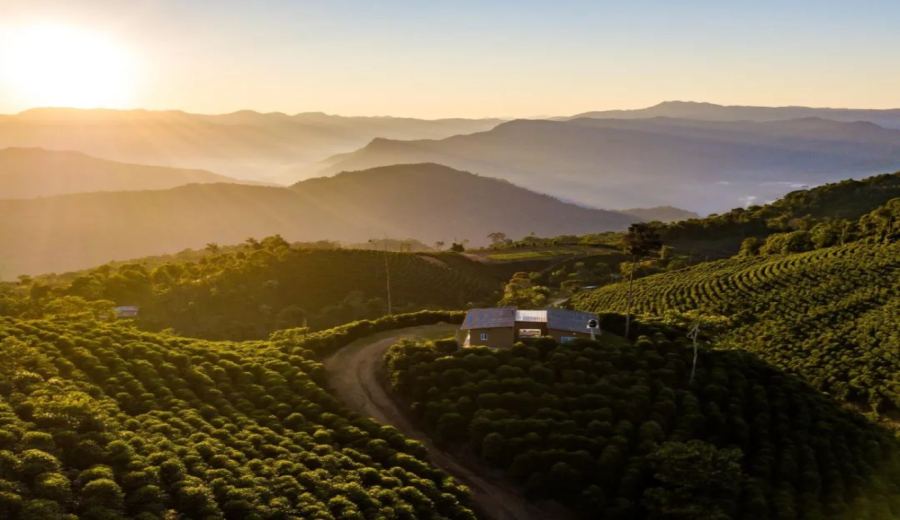
Introduction:Explore the hidden coffee from Bolivia’s Yungas Highlands — the Java variety from Finca Vallecito, with a full analysis of its growing region, variety origin, and cocoa natural processing. This article takes you through the unique fermentation flavors of this high-altitude micro-lot coffee, and provides professional pour over brewing suggestions and roasting parameters, perfect for coffee enthusiasts looking to dive deeper into specialty coffee.
Among the many coffee-producing countries in South America, Bolivia may not be the most famous, but it holds undeniable potential. Nestled between Brazil and Peru, this mountainous nation not only boasts an exceptionally favorable coffee-growing environment, but its coffee is also gradually making a name for itself in the specialty market with its distinctive flavors. The Java variety from Finca Vallecito introduced here employs a rare cocoa natural processing method, showcasing rich fruitiness and a deep, mellow cocoa finish. Let’s journey into Bolivia’s coffee story — from terroir to processing — to fully uncover the exotic charm of these beans.
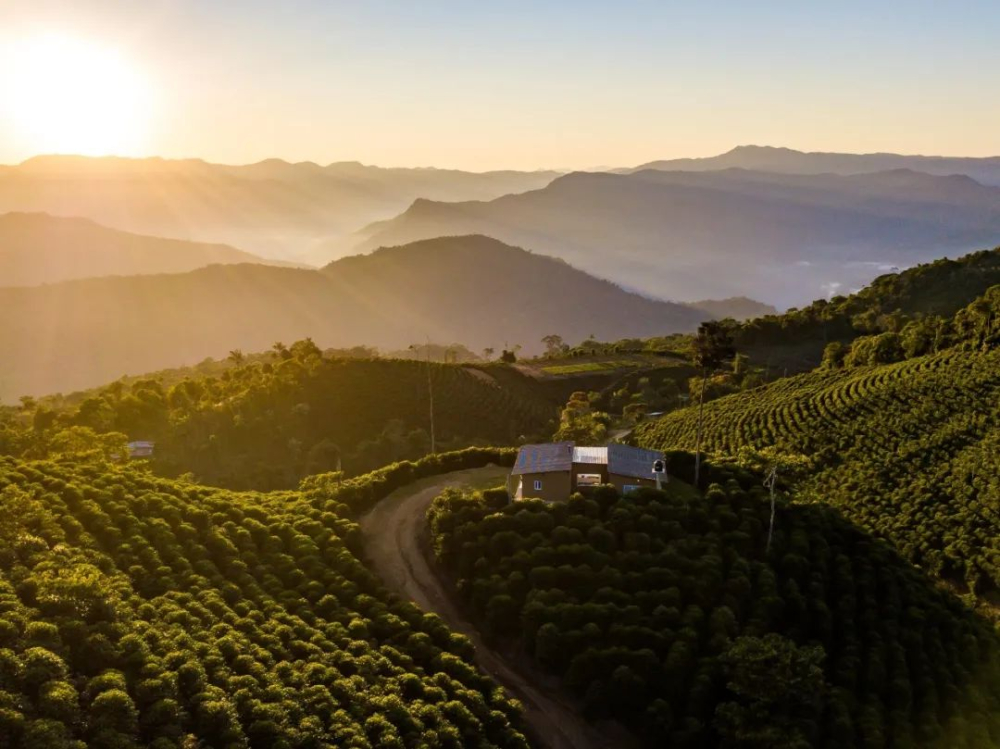
Although neighboring two major coffee powerhouses — Brazil and Peru — Bolivia’s coffee industry has long remained low-profile. As a landlocked mountainous country, Bolivia’s economic development is relatively underdeveloped, but this has also helped preserve more traditional and natural flavors in local coffee cultivation. The country’s coffee-growing history dates back to the 1880s, when large farms in the northern La Paz region dominated production. It wasn’t until 1991 that the government introduced policies encouraging indigenous participation in coffee farming, though quality standards were initially modest. Despite challenges such as poor infrastructure and difficult transportation, Bolivia’s high altitudes and fertile volcanic soils have still given rise to several promising coffee-growing regions.
When it comes to Bolivia’s coffee regions, Yungas is undoubtedly one of the most distinctive. Located in the Andean foothills east of La Paz, Yungas features rugged terrain, and the roads connecting it to the outside world are dubbed the “Death Road,” making transportation extremely challenging. Yet, this geographic isolation has fostered a unique microclimate.With elevations ranging from 1600 to 2500 meters, the area is capable of producing coffee with complex and layered flavors.The world’s highest-altitude coffee farm, Finca Takesi, is located here at an elevation of 2500 meters, and its coffee often exhibits intense blackberry, berry, and dark fruit aromas, with soft acidity and abundant sweetness. In slightly lower altitude areas, the flavor profile tends to be more balanced, with prominent chocolatey sweetness complemented by malt and dried fruit notes.
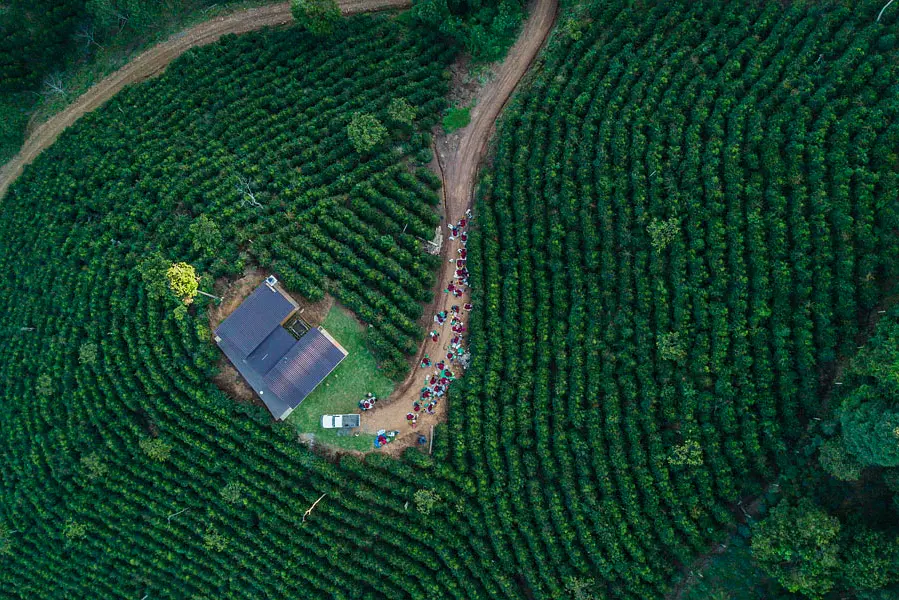
The Java variety from Finca Vallecito uses a unique cocoa natural processing method, which is not commonly seen in coffee processing but imparts intense sweetness and complex fermented flavors to the beans. During harvest season, the farm hires locally experienced pickers who are professionally trained to select only perfectly ripe coffee cherries. After picking, the cherries are first stored in crates to prevent damage and premature fermentation, then washed, and carefully placed on raised African-style drying beds. To ensure even drying, workers turn the cherries every hour.
After about a week, the cherries are transferred to a cocoa dryer — an innovative approach never before applied in coffee processing. Pedro Rodriguez of the Rodriguez family discoveredthat the cocoa dryer can dry coffee beans at a constant temperature below 40°C,in a stable and slow manner, significantly reducing the impact of weather fluctuations on the drying process. The beans are kept drying in this low-temperature environment for approximately 35 hours, with turning every 30 minutes to ensure even heat distribution. Once drying is complete, the beans are sent to Agricafe La Luna’s drying facility in La Paz for final hulling, sorting, and quality control — including manual screening under UV light and natural light to ensure every bean meets the highest standards.
The Java variety used in this coffee has a rather special origin. Although its name is associated with Indonesia’s Java Island, the Java variety actually originated in Ethiopia’s primeval forests, later traveling to Indonesia via Yemen, hence the name. Genetic studies indicate that the Java variety is more directly related to Ethiopia’s Abysinia variety. This variety later spread to the Timor Islands and Cameroon, and was introduced to Costa Rica by breeder Benoit Bertrand in 1991, before gradually expanding to Central American regions like Panama. Java variety beans are slender in shape, with yellowish-bronze tips, tall plants but relatively low yields. However, they possess exceptional flavor potential — rivaling top-tier Geisha — along with excellent disease resistance, making them particularly well-suited for small-scale farmers.
Among the many Bolivian coffees, we’ve specially selected the Java variety from Finca Vallecito. This bean shows cupping notes of intense grape fruit acidity, fermented raisin aromas, and a mellow cocoa and nutty finish, perfectly expressing the unique charm of the Yungas region. Finca Vallecito is situated in a steep valley about 10 kilometers outside the town of Caranavi in La Paz Province, within the Partido de Bolinda colony. This colony has a history of over half a century, originally known as “Bolivia Linda,” and has now developed into one of the region’s important coffee-growing areas. Finca Vallecito is managed by the Rodriguez family, whose enterprise not only grows their own coffee but also sources high-quality micro-lots from smallholder farmers in the Yungas region, ensuring each batch maintains high standards.
Cupping reports show that this coffee emits rich raisin fermentation aromas in the dry stage, while the wet aroma carries subtle floral notes and ongoing fermented sweetness. On the palate, bright grape acidity is complemented by smooth cocoa and nutty tones, with a finish that hints at creamy and honey-like mellowness — the overall profile is very well balanced.
If you’d like to brew this Vallecito Java variety at home, we recommend using a V60 dripper. The V60’s spiral ribs and large aperture design enhance water flow and extraction uniformity, making it ideal for highlighting the bean’s bright acidity and aromatics. Recommended parameters are as follows:Water temperature: 90–91°C; grind size: BG#6M (similar to fine sugar); brew ratio: 1:15; coffee dose: 15 grams. Specific pour over steps are as follows:
- First pour: add 30 grams of water, bloom for 30 seconds
- Second pour: add 95 grams of water (total ~125g), for about 1 minute
- When the water level drops to 2/3 of the coffee bed, add the remaining 100 grams (total ~225g), completing the pour in about 1 minute 40 seconds
- Total brew time: control between 1 minute 55 seconds and 2 minutes, then remove the dripper to finish dripping
Using this brewing method, you’ll experience this Bolivian Java variety’s unique light fermentation notes, grape fruitiness, moderate acidity, and juice-like vibrancy — a high-altitude specialty coffee well worth savoring in depth.
The above content is compiled by CoffeeHunters, a coffee news website.


