







Introduction:Want to learn the brewing secrets of the Ethiopia Gesha Village Red Label pour over coffee? This article delves into the origins of the Gesha variety, the background of the Gesha Village farm, and the unique flavors of the Red Label batch. We’ll share professional pour over parameters including water temperature, coffee-to-water ratio, grind size, and a three-stage pouring technique to help you easily extract its captivating floral, fruity aromas and honey-like sweetness.
When it comes to Gesha coffee, many people immediately think of Panama’s intense floral notes and honey sweetness. However, the roots of the Gesha variety can actually be traced back to the pristine forests of Ethiopia. Among these, the Red Label batch produced by Gesha Village farm stands out with its exceptional traceability and classic Gesha flavor profile, making it a top choice for many coffee enthusiasts seeking high-quality Ethiopian coffee. Compared to the more expensive Gold Label, the Red Label not only shares a similar flavor profile but also offers better value, making it highly suitable for both novice and advanced coffee lovers who want to explore the characteristics of Gesha in depth.
The Gesha variety was first discovered in the 1930s by researchers in the Gesha forest of Ethiopia. It was later brought to the Tropical Agricultural Research and Higher Education Center (CATIE) in Costa Rica, where it was assigned the code T2722. By the 1970s, the Gesha variety was introduced to Panama, but it wasn’t until it won the prestigious Best of Panama (BOP) competition in 2004 that it truly gained international fame. Although genetic analysis shows clear varietal differences between today’s Panamanian Gesha and the original Ethiopian Gesha, both exhibit highly distinctive bright acidity and floral-fruity profiles, making them well worth trying.
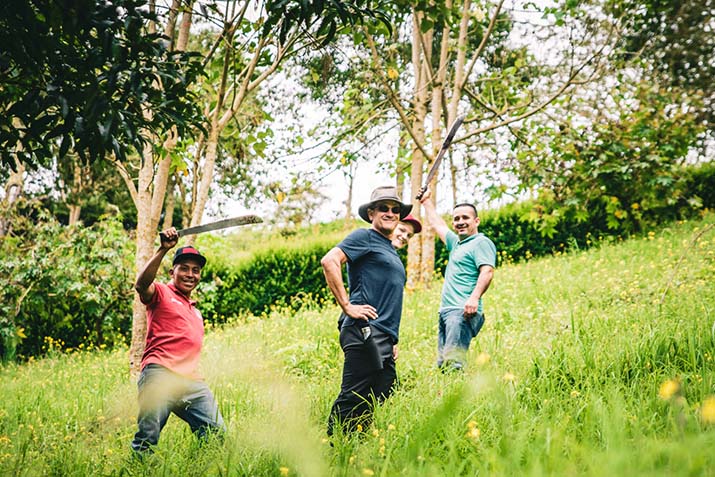
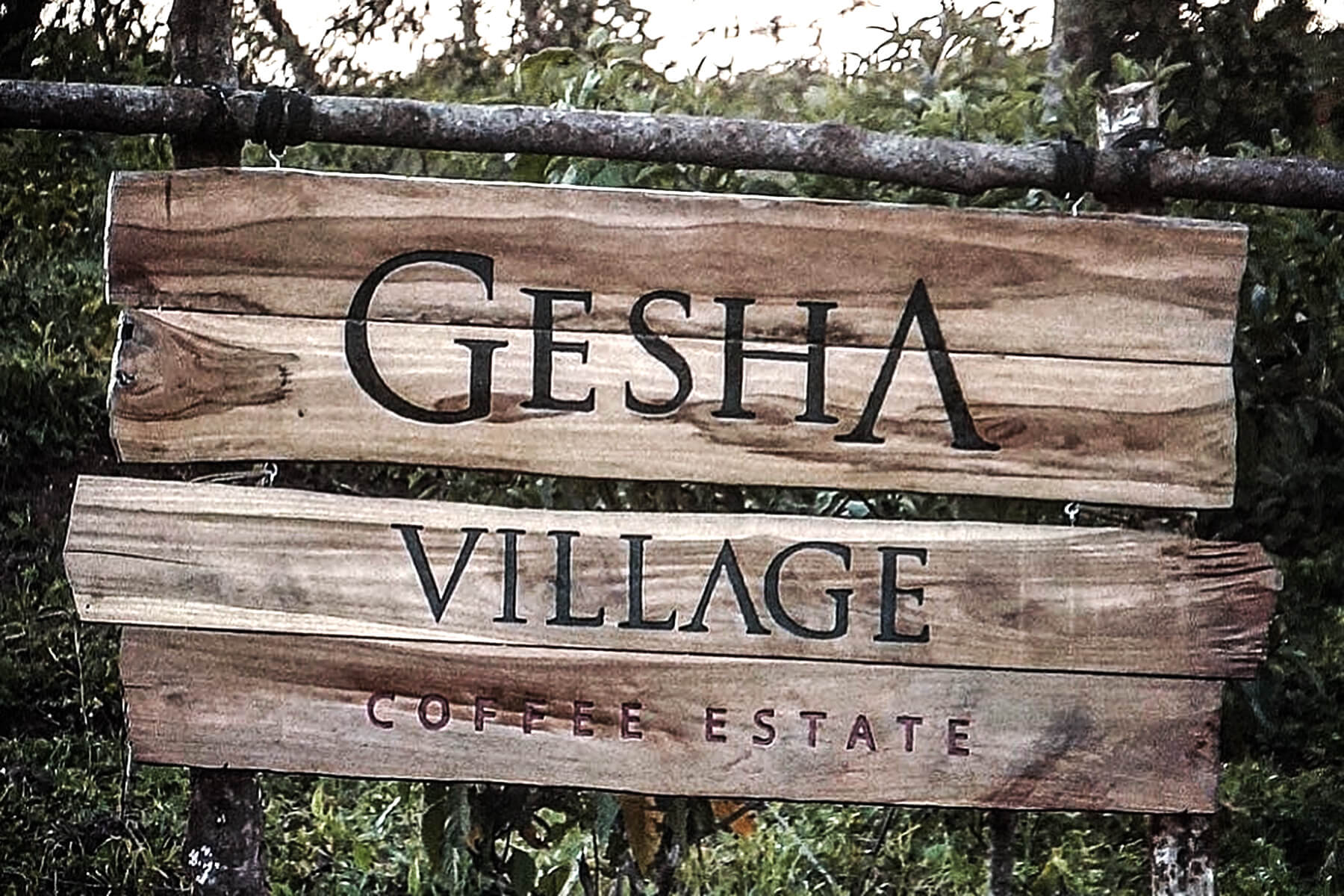
Gesha Village Coffee Estate is one of the representatives of fine coffee from Ethiopia. Established in 2011 by documentary filmmaker Adam Overton and photographer Rachel Samuel, the estate was founded after the duo discovered native Gesha trees in Ethiopia’s Bench-Maji zone in the country’s southwest—near the Gori Gesha forest close to the South Sudan border. Built around these native Gesha varieties, the estate spans 475 hectares and features its own wet mill and laboratory. It focuses exclusively on cultivating the Gesha variety, making it one of the few large-scale coffee farms with such a pure product range and strict management standards.
The estate’s coffees are categorized into five grades based on quality and processing methods: auction, gold, red, green, and CHAKA. Among these, the Red Label is a relatively high-value grade, requiring each batch of beans to have full traceability while scoring 88 or above on the Specialty Coffee Association (SCA) scale and showcasing the typical flavor characteristics of the growing region. Cupping tests reveal that this Red Label coffee delivers prominent fruity notes, honey-like sweetness, and soft floral tones. Its acidity is bright yet not overly sharp, and while its overall flavor may be slightly less intense than the Gold Label, it still exhibits the complexity and regional distinctiveness the variety is known for.
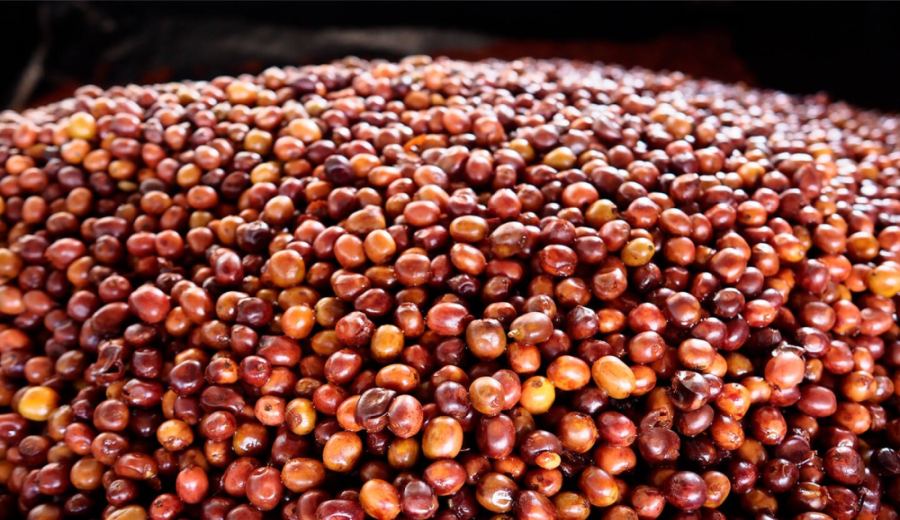
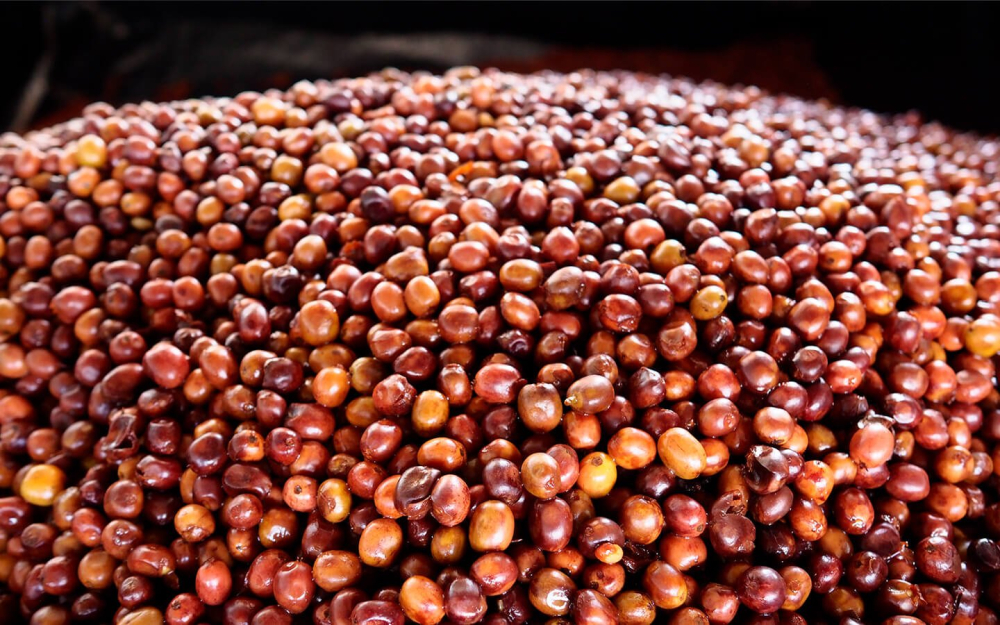
This Red Label Gesha is grown in Ethiopia’s Bench-Maji zone at elevations between 1,909 and 2,069 meters, with the cultivar being Gori Geisha, and processed using the natural (sun-dried) method. During processing, coffee farmers first select ripe red cherries, remove surface impurities, and then place them on African raised beds in thin layers for sun drying. Plastic covers are used to prevent overexposure. Throughout the drying period, the cherries are frequently turned and sorted to remove underripe beans and defects. The entire drying process typically lasts 18 to 30 days to preserve more pulp sugars and aromatic compounds.
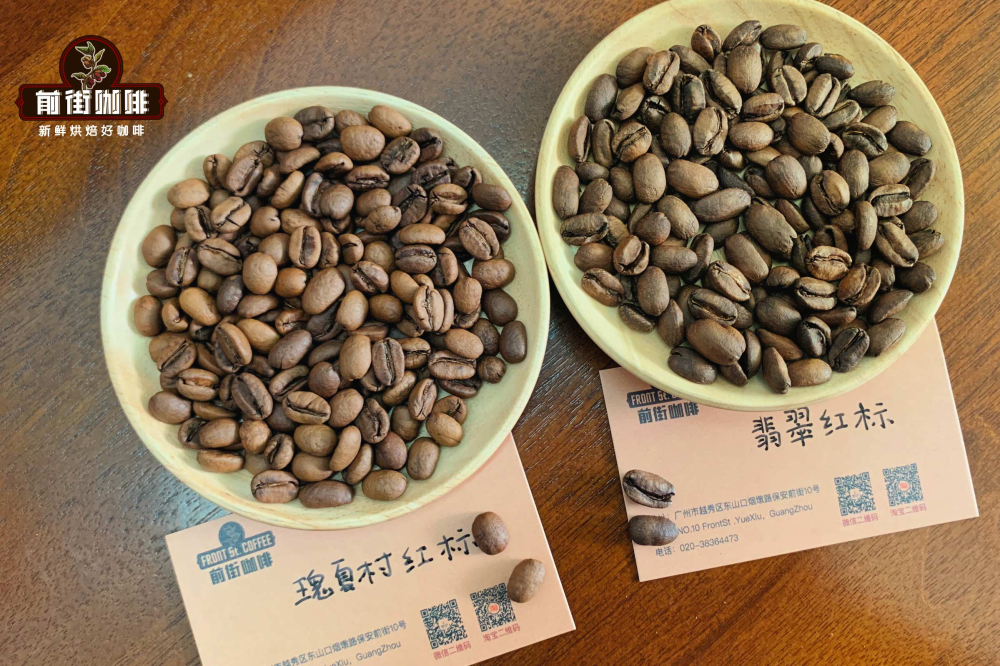
In terms of roasting, a medium-light roast is chosen to highlight the coffee’s fruity and floral characteristics. A Yangjia 800N roaster (300g capacity) was used, with the following detailed roasting profile: Coffee beans were dropped in at a drum temperature of 160°C, with the air vent set to 3 and the heat at 130. The turning point occurred at approximately 1 minute and 40 seconds. At 140°C, the air vent was adjusted to 4 and the heat increased to 150; by 148.1°C, the bean surface turned yellow and grassy notes gradually faded, marking the start of the main drying phase. When the drum temperature reached 166°C, the heat was reduced to 120 while the air vent remained unchanged. At 176°C, the heat was further lowered to 90, with the air vent still unchanged. Around 8 minutes and 3 seconds, the bean surface began showing noticeable wrinkles and dark spots, and the aroma shifted from toasted bread to coffee, indicating the critical stage just before first crack. First crack began at 8 minutes and 25 seconds. The air vent was then adjusted to 5, and heat was carefully controlled to maintain a steady cracking sound. First crack continued for 1 minute and 45 seconds, and the coffee was dropped at 197.5°C.
For pour over brewing, we recommend using a Hario V60 filter cone with the following parameters to fully showcase the delicate flavors of the Red Label coffee: water temperature at 91°C, coffee dose of 15 grams, coffee-to-water ratio of 1:15, and grind size at 80% through a Chinese standard No. 20 sieve (medium-fine grind). The specific brewing steps are as follows: Start with a 30-second bloom using 30 grams of water, followed by pouring in small streams until reaching 125 grams for the first pour. After the water level drops, continue pouring to 225 grams to finish. Remove the filter cone just before the water level exposes the coffee bed. The total brew time is kept around 2 minutes to effectively balance sweetness, acidity, and aroma expression.
The finished Gesha Village Red Label pour over coffee offers pronounced flavors of coconut, licorice, cream, chocolate, and toffee, layered with citrus, almond, and strawberry nuances. The overall aroma carries a slight fermented character, with a rich and stable mouthfeel. Nutty tones are clear, and the aftertaste is long-lasting with a warm sweetness. It’s an excellent choice for coffee lovers who enjoy fruity profiles and complex flavor layers. With precise parameter control and proper brewing techniques, even beginners can enjoy a near-professional-grade Gesha coffee experience at home.
The above content is compiled by CoffeeHunters, a coffee news website.


