







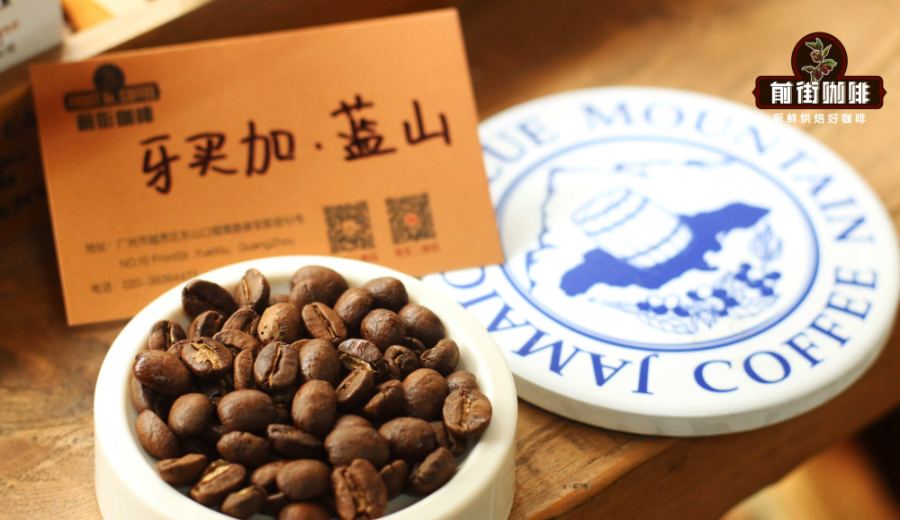
Introduction:Jamaican Blue Mountain coffee is renowned for its rarity and high quality, but many who purchase Blue Mountain beans to brew at home using pour over methods often struggle to fully bring out their rich and balanced flavors. This article breaks down the key brewing essentials for Blue Mountain coffee from a professional perspective, including optimal water temperature settings, suitable grind size, precise coffee-to-water ratio, and a three-stage pouring technique—helping you master the brewing secrets of this premium coffee and easily enjoy a refined coffee experience akin to the Blue Mountains in the comfort of your home.
Due to its limited production, Jamaican Blue Mountain coffee often comes with a relatively high market price. As a result, many coffee enthusiasts opt to buy Blue Mountain beans and brew them at home by themselves—not only to enjoy its unique flavor, but also to save on costs. However, fully showcasing the richness, sweet-sour balance, and delicate mouthfeel of Blue Mountain coffee is no easy feat. This article will take an in-depth look at the key parameters and techniques involved in pour over brewing of a Blue Mountain No.1 coffee bean from the Clifton Estate in the Blue Mountains, helping you extract the potential of this top-tier coffee more consistently.
These Blue Mountain coffee beans come from the Clifton Estate located at an altitude of approximately 1310 meters in the Jamaican Blue Mountains. It is one of the oldest and currently the largest coffee estates in the Blue Mountains, and also the only Blue Mountain coffee producer certified by the Rainforest Alliance. The certification is marked by a little green frog, signifying that the farm meets strict standards in ecological conservation, pesticide use control, and waste management. The estate uses the traditional Typica variety and processes the beans using the washed method, resulting in a unique flavor profile—rich dark chocolate, nutty, and creamy notes, all perfectly balanced between acidity, sweetness, and bitterness.
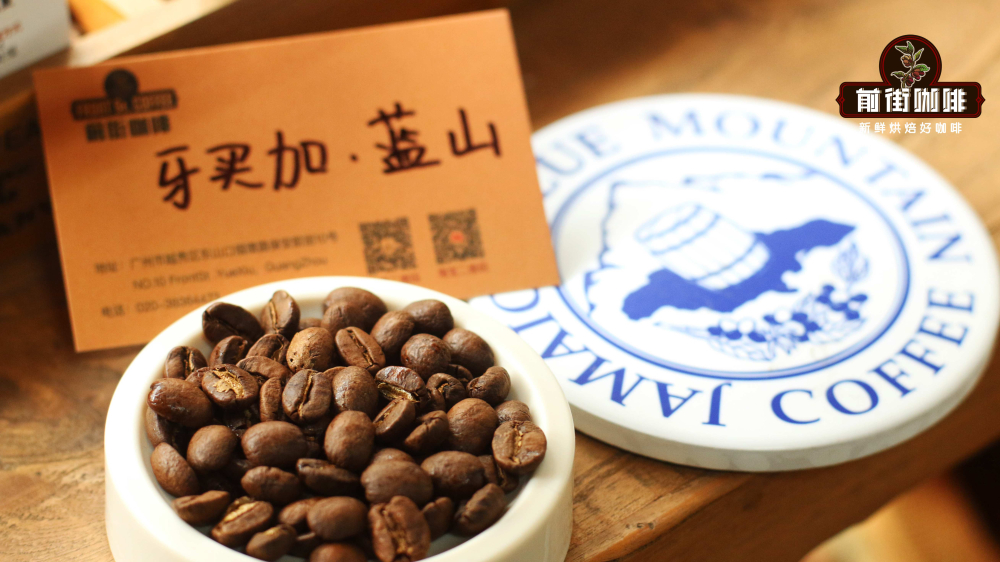
In Jamaica, Blue Mountain coffee beans are classified into four grades based on altitude and quality, with No.1 being the highest. Blue Mountain No.1 beans must be grown at altitudes between 1000 and 1700 meters, have large beans with a defect rate not exceeding 2%, and a standard screen size of 17/18. This particular Blue Mountain coffee bean belongs to this top grade, not only offering consistent quality but also representing internationally recognized high standards in flavor expression. In addition, these Blue Mountain beans are of the Typica variety—one of the oldest in Arabica—introduced to Jamaica from Martinique in the early 18th century. Long adapted to the Blue Mountain environment, it boasts strong disease resistance, especially good resilience against coffee berry disease. Although the yield is relatively low, its flavor is delicate and elegant.
To successfully brew the essence of Blue Mountain coffee, you need to master four key elements: water temperature, grind size, coffee-to-water ratio, and brewing technique. Below, we’ll explain each one to help you establish a stable brewing system.
I. Water Temperature Settings
The ideal water temperature varies slightly depending on the roast level of the coffee beans. Blue Mountain coffee beans are typically medium-dark roasted, which helps highlight their rich mouthfeel and balanced flavor. For pour over brewing, it is recommended to use 87°C to 89°C water temperature. This range helps avoid extracting overly harsh or unwanted flavors while fully highlighting the chocolatey, nutty, and creamy tones characteristic of Blue Mountain coffee.
II. Grind Size
Grind size directly affects the contact time between coffee and water, as well as extraction efficiency. Too fine can lead to over-extraction, making flavors become sharp or bitter; too coarse may result in under-extraction, yielding a weak flavor. For medium-dark roasted Blue Mountain coffee, it is recommended to grind to a medium-dark level, roughly the fineness of fine sugar or slightly coarser. If you don’t have a professional grinder calibration tool, you can use a 20-mesh sieve for screening. The ideal passing rate should fall within the 70%–75% range to ensure uniform and not overly excessive extraction.
III. Coffee-to-Water Ratio
According to the SCAA Golden Cup extraction theory, the coffee-to-water ratio for pour over coffee influences both concentration and extraction yield. Common ratios include bold (1:10–1:11), medium (1:12–1:13), and light (1:14–1:16). For Blue Mountain coffee, it is recommended to use a 1:15 ratio—specifically, 1 gram of coffee to 15 milliliters of water—which helps achieve an extraction yield within the Golden Cup range (18%–22%) and an ideal concentration (1.15%–1.35%), resulting in a rich and layered taste.
IV. Three-Stage Pouring Technique
Among pour over brewing techniques, the three-stage pour is a stable method suitable for medium-dark roasted beans, aiding in segmented extraction and improving flavor clarity. Here's how to do it:
1. First Pour – Bloom: Pour approximately 30 milliliters of hot water and let it bloom for 30 seconds. The purpose of blooming is to release carbon dioxide from the coffee grounds, aiding in even subsequent extraction. This step is especially crucial for freshly roasted coffee beans.
2. Second Pour: Pour 100 milliliters of hot water, starting from the center of the coffee bed, slowly pouring with a small stream while moving in a circular motion about the size of a coin, avoiding direct impact on the edge of the filter paper, and keeping the water flow from exceeding the height of the coffee bed.
3. Third Pour: Pour 95 millilitersonce the water level has dropped to about halfway. Begin again from the center and circle outward, paying attention to a steady and rhythmic water flow to avoid too many breaks that could cause uneven extraction or off-flavors in the final phase. In this stage, you can slightly increase the circle size to promote agitation of the coffee particles and enhance flavor release.
Through this pouring rhythm, the front, middle, and back notes of Blue Mountain coffee can be more clearly expressed, allowing the dark chocolate, nutty, and creamy aromas to become more distinct, with a smooth mouthfeel and well-defined layers.
In summary, pour over brewing of Jamaican Blue Mountain coffee is a craft that pays close attention to detail. Every element—from water temperature, grind size, coffee-to-water ratio to pouring technique—affects the final flavor outcome. By mastering the above techniques, you can consistently brew a superb cup of pour over coffee at home that rivals the quality of a café-grade Blue Mountain coffee, experiencing its rich, balanced, and multi-layered coffee profile.
The above content is compiled by CoffeeHunters, a coffee news website.


